Source Carbon Fiber Foot Prosthetic Socks for Daily Use
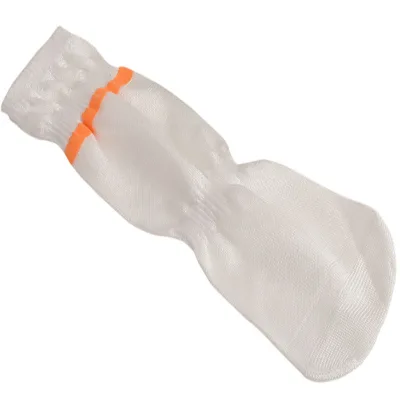
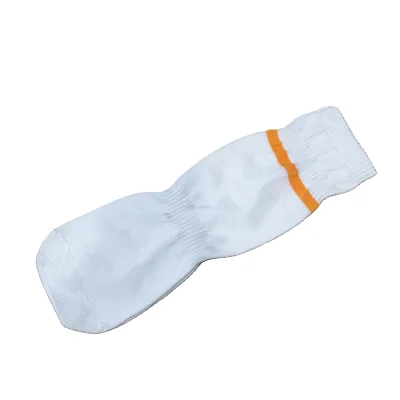
Find and compare 14 listings for Carbon Fiber Foot Prosthetic Socks designed for residual limb care. Evaluate options featuring glass fiber construction, varying weights, and CE/ISO certifications to match specific prosthetic needs.
Key considerations
Products List




Comprehensive Sourcing Guide
Carbon Fiber Foot Prosthetic Socks Sourcing Guide
Sourcing the correct interface between a prosthetic limb and the residual limb is critical for long-term user comfort and device longevity. Carbon fiber foot prosthetics offer durability and energy return, but they require specific sock systems to manage volume changes, reduce friction, and ensure a secure fit. The procurement of these specialized socks demands a rigorous evaluation of material properties, structural design, and supplier reliability. Buyers must navigate a market where product attributes vary significantly, requiring careful verification of specifications to match the unique needs of lower limb residual patients.
This guide provides a structured approach to evaluating suppliers and products in this niche category. It focuses on observable listing signals, technical verification, compliance documentation, and commercial terms. By adhering to these evidence-based procurement steps, buyers can mitigate risks associated with mismatched specifications, non-compliant materials, or unreliable supply chains. The goal is to establish a sourcing strategy that prioritizes user safety, product consistency, and operational efficiency.
Product Scope and Observed Listing Signals
The current market landscape for prosthetic socks includes a diverse range of materials and designs, with glass fiber and carbon fiber variants being prominent options. Observed listings indicate a price range from approximately $1.80 to $1,250 USD, reflecting significant variation in product complexity, material quality, and intended application. This wide disparity suggests that buyers must look beyond price alone to understand the value proposition. Some products are positioned as basic consumables, while others are marketed as specialized medical devices with specific load-bearing or protective features.
Listing attributes reveal key differentiators such as customization availability, folding capabilities, and specific model numbers like CS01, ASC1, and ASC5. Buyers should note that some products are described as "folding" while others are "non-folding," and some are "tilted" while others are "non-tilted." These structural details are crucial for determining how the sock interacts with the prosthetic socket. Additionally, the presence of certifications like CE and ISO in some listings signals a higher tier of regulatory compliance, which should be a primary filter for medical-grade procurement.
Technical Specifications to Verify
Material composition is the most critical technical factor, with glass fiber being a commonly cited material in observed listings. Buyers must verify the exact fiber type, weave density, and blend ratios, as these directly impact durability, breathability, and moisture-wicking properties. The observed standard size range of 22-27cm or 22-29cm indicates that sizing is not always uniform across suppliers. Procurement teams should request detailed size charts and confirm whether the product is truly "one size fits all" or if it requires precise measurement matching to ensure a secure fit for the residual limb.
Weight and load-bearing capacity are also essential specifications to validate. Observed weights range from 35g to 1kg, suggesting a spectrum from lightweight liners to heavy-duty protective socks. For applications involving carbon fiber feet, which can exert significant force, verifying the maximum load capacity (e.g., 100kg as seen in some listings) is vital to prevent premature wear or failure. Additionally, buyers should confirm the instrument class, with Class I indicating a specific level of medical device classification, and ensure the product is designed for the intended application, such as lower limb residual patients.
Compliance and Safety Documentation
Regulatory compliance is non-negotiable for medical prosthetic accessories. Buyers must request valid CE marks and ISO certifications, specifically ISO 13485 for medical device quality management systems, to ensure the supplier adheres to international standards. The presence of these certifications in listings is a positive signal, but buyers must verify their authenticity and scope through official databases or direct supplier confirmation. Non-compliant products pose significant liability risks and may not be approved for use in regulated healthcare markets.
Safety features such as odorlessness and hypoallergenic properties are important for user comfort and hygiene. Buyers should verify that the materials used are free from harmful chemicals and are suitable for prolonged skin contact. The "health care" feature mentioned in some listings should be substantiated with material safety data sheets (MSDS) or biocompatibility test results. Ensuring that the product is designed for both indoor and outdoor use adds to its versatility, but this claim should be backed by durability testing data to confirm performance in varying environmental conditions.
Cost Drivers and Commercial Terms
Pricing in this category is influenced by material costs, manufacturing complexity, and order volume. The observed MOQ range of 1 to 100 pieces allows for flexibility, but buyers should negotiate volume discounts for larger orders to optimize cost efficiency. The wide price range suggests that buyers can find options for different budget levels, but they must balance cost with quality and compliance. It is advisable to request detailed quotations that break down costs for materials, labor, and packaging to understand the true cost structure.
Packaging and shipping terms also impact the total cost of ownership. Observed packaging options include polybags, carton boxes, and palletized shipments, which vary in protection level and cost. Buyers should specify their preferred packaging to ensure product integrity during transit, especially for fragile or sensitive medical devices. Shipping methods such as FedEx, UPS, DHL, or sea/air freight should be evaluated based on lead times and reliability. Establishing clear commercial terms, including payment methods and return policies, is essential for a smooth procurement process.
Supplier Qualification and Quality Control
Supplier qualification begins with verifying their origin and production capabilities. Many observed listings indicate origins in China, particularly Hebei province, which is a known hub for textile and medical device manufacturing. Buyers should conduct due diligence on the supplier’s reputation, production capacity, and quality control processes. Requesting samples is a critical step to evaluate product quality firsthand, allowing buyers to assess fit, material feel, and construction quality before committing to larger orders.
Quality control measures should include regular inspections and testing protocols. Buyers should inquire about the supplier’s internal quality assurance processes, including raw material inspection, in-process checks, and final product testing. Establishing a clear communication channel, such as the "You Can Find Us Any Time" service mentioned in some listings, can facilitate quick resolution of issues. Building a long-term relationship with a reliable supplier ensures consistent product quality and reduces the risk of supply chain disruptions.
Long-Term Procurement Checks
Sustainable procurement requires ongoing monitoring of supplier performance and product quality. Buyers should establish key performance indicators (KPIs) such as on-time delivery rates, defect rates, and customer satisfaction scores to evaluate supplier reliability over time. Regular audits, whether remote or on-site, can help ensure that the supplier continues to meet quality and compliance standards. Maintaining open communication with the supplier allows for continuous improvement and adaptation to changing market needs.
Product lifecycle management is also important for long-term success. Buyers should monitor feedback from end-users to identify any issues with fit, durability, or comfort. This feedback loop can inform future purchasing decisions and help in selecting products that better meet user needs. Additionally, staying informed about industry trends and technological advancements in prosthetic socks can help buyers stay ahead of the curve and make informed sourcing decisions. By focusing on these long-term checks, buyers can build a resilient and efficient procurement strategy.
FAQs
What materials are used for Carbon Fiber Foot Prosthetic Socks?
These socks are primarily constructed from glass fiber to provide durability and support. The material ensures a comfortable fit for lower limb residual patients while offering essential protection. This composition balances strength with flexibility, making it suitable for daily wear in both indoor and outdoor environments.
Can these prosthetic socks be customized for specific needs?
Yes, customization is available for these products to meet individual requirements. Buyers can request specific modifications to ensure the best fit and functionality. This service allows for tailored solutions that address unique patient needs, enhancing overall comfort and usability for the end user.
What certifications do these prosthetic socks hold?
These products hold CE and ISO certifications, ensuring compliance with international standards. These credentials verify the safety and quality of the manufacturing process. Buyers can rely on these certifications to confirm that the socks meet necessary regulatory requirements for medical and assistive devices.
What is the typical MOQ for ordering these socks?
The minimum order quantity typically ranges from 1 to 100 pieces, depending on the specific model. Some listings indicate an MOQ of 5 or 10 pieces for certain variants. This flexibility allows buyers to place orders that align with their inventory needs and budget constraints effectively.
How are these socks packaged for shipping?
Packaging options include polybags, safe carton boxes, and palletized shipments. Some models use plastic bag packaging combined with carton packing for protection. These methods ensure the products arrive in good condition, safeguarding the integrity of the glass fiber material during transit.
What is the weight of these prosthetic socks?
The weight varies by model, with some weighing around 300g or 500g. Specific variants may have a product weight of 35g or 1kg depending on the design. These weight specifications help buyers select the appropriate option based on patient comfort and mobility requirements.