Source Carbon Fiber Hydrofoil Surfboard for Ocean, Offshore, and Micro Wave Use
Find and compare 30 Carbon Fiber Hydrofoil Surfboard options from China. Evaluate specifications like size, battery capacity, and weight for electric surfing activities in various water conditions. These boards feature lithium batteries and remote controls for versatile use; compare the available evidence and request quotations based on your requirements.
Key considerations
Products List
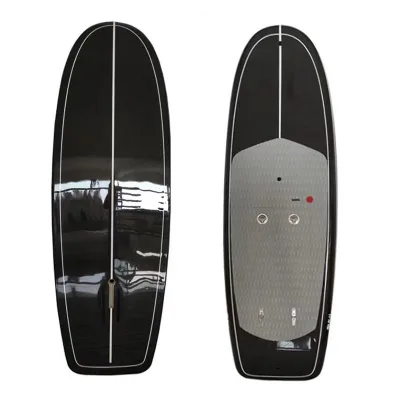
Hydrofoil Surfboard Stand up Water Surfing Board Carbon Fiber Surfboard
$2199.00 - $3699.00
MOQ: 2 packs


Carbon Fiber Long Battery Lifetime Electric Hydrofoil Efoil Surfboard
$2250.00 - $3299.00
MOQ: 1 Pieces

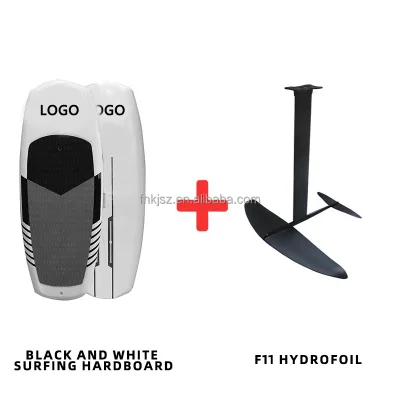
White EPS Inner Core Surfboard Carbon Fiber Hydrofoil Board for Water Sports
$715.18 - $746.05
MOQ: 1 pieces
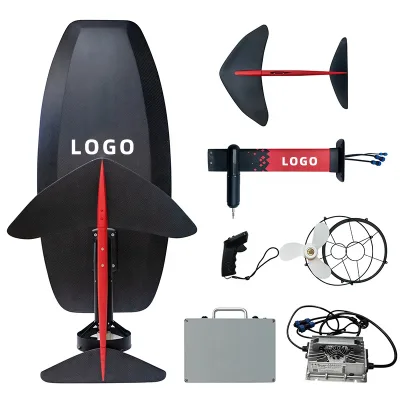


Carbon Fiber Customized Design Electric Hydrofoil Motor Boards Efoil Surfboard
$4090.00 - $4299.00
MOQ: 1 Pieces

Customized Logo Carbon Fiber Hydro Foil Surf Board Electric Flying Surfboard
$4090.00 - $4299.00
MOQ: 1 Pieces
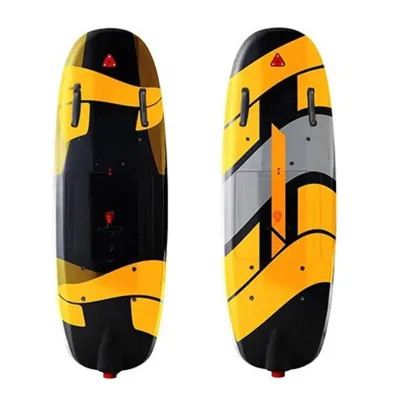
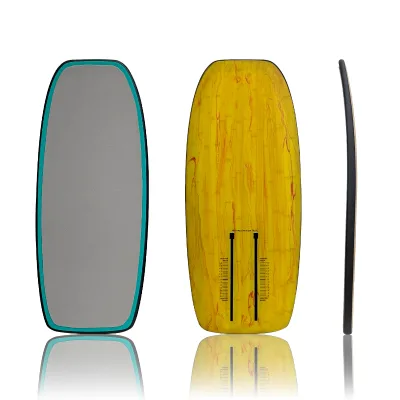

Water Sports Popular Electric Foil Board Hydrofoil Wireless Remote Efoil Carbon Fiber Surfboard
$3789.00 - $4000.00
MOQ: 1 Pieces

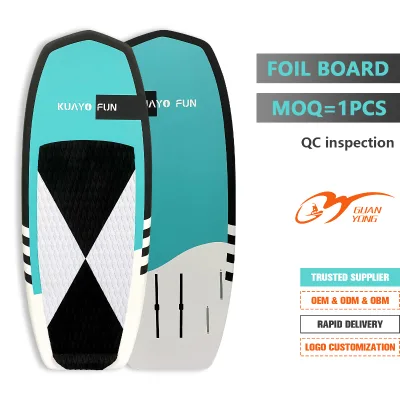


Wholesale High Quality Sup Hydrofoil Carbon Fiber Windsurfing Hydrofoil
$320.00 - $462.00
MOQ: 1 Pieces
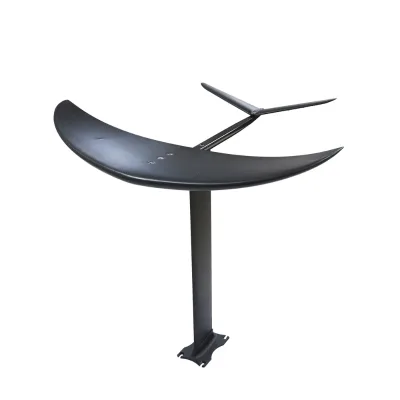


Comprehensive Sourcing Guide
Carbon Fiber Hydrofoil Surfboard Sourcing Guide
Buyers must first distinguish between traditional manual hydrofoils and the electric variants observed in current listings, as the supply chain requirements differ significantly. The available data indicates a specific subset of products labeled as electric hydrofoils or efoils, featuring integrated battery systems and propulsion units rather than passive foil designs. This distinction is critical because the sourcing strategy for electric models requires verifying powertrain compatibility and battery safety standards that do not apply to standard surfboards.
Procurement teams should also note the variance in product naming conventions, where terms like "Hydrofoil surfboard" and "Efoil Electric Surfboard" appear interchangeably in the same catalog. This inconsistency suggests a need for rigorous specification matching during the initial inquiry phase to ensure the supplier understands the exact configuration required. Clarifying whether the order includes a remote control, charger, and specific battery capacity is essential before proceeding to technical validation or commercial negotiations.
Product Scope and Observed Listing Signals
The observed product range includes specific dimensions such as 210cm by 70cm and 168cm by 70cm, alongside alternative sizes like 145cm and 155cm, indicating a modular sizing strategy for different user profiles. Buyers should verify that the selected model matches the intended application, as some listings specify "Ocean waters" while others mention "Micro Wave Waters" or "Offshore Waters," which may imply different hull designs or stability requirements. Understanding these environmental distinctions helps in selecting a board that performs safely in the target market conditions.
Weight variations are another critical signal, with observed net weights ranging from 23kg to 42kg depending on the specific configuration and battery capacity selected. This variance directly impacts shipping logistics and handling requirements, as heavier units often necessitate wooden crates or plywood cases rather than standard cartons. Procurement planners must account for these weight differences when calculating freight costs and ensuring that the packaging, described as a combination of carton and wooden boxes, meets the durability needs for international transport.
Technical Specifications to Verify
Technical due diligence must focus on the powertrain configuration, specifically the motor power options which are listed as 6kw or 8kw, and the battery capacity choices of 30ah or 50ah. These specifications determine the operational range, with working times cited as 90 minutes or 120 minutes, and the battery life is noted to support approximately 1000 charge-discharge cycles. Buyers should request detailed discharge curves and thermal management data to ensure the selected power system aligns with the expected usage intensity and duration of their operations.
Material composition and structural integrity are equally vital, with carbon fiber identified as the primary construction material for the board and foil components. The standard accessories listed include fins, a backpack, a paddle, and a hand pump, though electric models specifically require a remote control, charger, foot leash, and propeller. Verification of the battery material, confirmed as lithium, and the specific model numbers such as YH-EF02 or EF03 is necessary to ensure compatibility with replacement parts and to validate the structural claims regarding anti-friction features.
Compliance and Safety Documentation
Safety documentation for electric water sports equipment requires rigorous verification of battery safety certifications, given the high energy density of lithium batteries used in these units. While general certification status like CE is mentioned in background notes, buyers must insist on specific test reports for the battery pack, motor controller, and charging system to ensure compliance with international shipping regulations for hazardous materials. This is particularly important for lithium batteries, which are subject to strict transport rules regarding packaging and labeling.
Regulatory compliance also extends to the electrical safety of the remote control and charging infrastructure, which must be designed to withstand the harsh marine environment. Buyers should request evidence of waterproofing standards for all electronic components, including the remote control and battery management system, to prevent short circuits during operation. Ensuring that the product meets local electrical safety standards in the destination market is a prerequisite for avoiding customs delays and potential liability issues.
Cost Drivers and Commercial Terms
The price range observed in the market spans from approximately 199 USD to over 6200 USD, reflecting significant differences in specifications, battery capacity, and included accessories. This wide variance suggests that cost drivers include the choice between 30ah and 50ah batteries, the selection of 6kw versus 8kw motors, and the complexity of the carbon fiber construction. Buyers must clearly define their performance requirements to avoid overpaying for unnecessary features or under-specifying for their intended use cases.
Commercial terms are heavily influenced by the Minimum Order Quantity (MOQ), which is observed to be as low as 1 to 2 units, allowing for flexible procurement strategies. However, the packaging requirements, often involving plywood cases or heavy-duty cartons, can significantly impact the landed cost due to increased volumetric weight. Procurement teams should negotiate packaging specifications to balance protection with cost efficiency, ensuring that the 227cm by 83cm by 23cm dimensions are optimized for container loading.
Supplier Qualification and Quality Control
Supplier qualification should prioritize manufacturers with a proven track record in carbon fiber fabrication and electric propulsion integration, as these are specialized manufacturing processes. The origin of the products is noted as Anhui, China, with specific mentions of Hefei, indicating a concentrated manufacturing hub that buyers can leverage for site visits or third-party audits. Verifying the supplier's capacity to handle customizations, such as customized colors and logos, is essential for brands looking to differentiate their offerings in the market.
Quality control protocols must address the assembly of complex electronic and mechanical systems, including the integration of the propeller, motor, and battery into the carbon fiber hull. Buyers should implement a pre-shipment inspection plan that tests the working time, battery life, and remote control responsiveness under load conditions. Given the high value of the components, a rigorous check of the packing process to ensure the carton and wooden box combination prevents damage during transit is mandatory.
Long-Term Procurement Checks
Long-term procurement success depends on establishing a reliable supply chain for spare parts, particularly the propellers, batteries, and remote controls which are subject to wear and tear. The observed battery life of 1000 cycles suggests a need for a clear warranty policy and a defined process for battery replacement or recycling at the end of its lifecycle. Buyers should negotiate service level agreements that guarantee the availability of these critical components for at least five years to support their customer base.
Sustainability and end-of-life management are becoming increasingly important for carbon fiber products, which are difficult to recycle. Procurement teams should inquire about the supplier's policies on material recovery and the environmental impact of the lithium batteries used. Establishing a feedback loop for product performance data will help in refining future orders and ensuring that the customized designs continue to meet the evolving needs of the water sports community.
FAQs
What are the available sizes for carbon fiber hydrofoil surfboards?
Available sizes include 210cm by 70cm, 168cm by 70cm, and 145cm or 155cm options. These dimensions cater to different rider weights and skill levels. Buyers can select from standard configurations or request customized dimensions to meet specific performance requirements for ocean or micro-wave waters.
Can the Carbon Fiber Hydrofoil Surfboard be customized?
Yes, customization is available for colors, logos, and specific design elements. Manufacturers offer tailored solutions to align with brand identity or personal preference. This flexibility allows buyers to create unique products while maintaining the structural integrity and performance standards expected from high-quality carbon fiber construction.
What accessories are included with the electric hydrofoil surfboard?
Standard accessories typically include a remote control, charger, foot leash, battery, and propeller. Some packages may also feature fins, a backpack, a paddle, and a hand pump. These items ensure the board is ready for immediate use and provide essential safety and convenience features for water sports activities.
How long does the battery last on an electric hydrofoil?
The working time is approximately 90 to 120 minutes per charge. Battery options include 30ah or 50ah capacities, with a lifespan of around 1000 charge-discharge cycles. This duration supports extended riding sessions, making it suitable for various water sport activities and recreational use throughout the year.
What is the net weight of the Carbon Fiber Hydrofoil Surfboard?
The net weight ranges from 23kg to 42kg depending on the specific model and configuration. Lighter models enhance maneuverability, while heavier variants may offer increased stability. This weight range is typical for carbon fiber construction, balancing durability with performance for adult riders engaging in offshore or ocean waters.
Where are carbon fiber hydrofoil surfboards manufactured?
These surfboards are primarily manufactured in Anhui, China, with specific origins noted in Hefei. This region is known for its advanced composite material production capabilities. Buyers sourcing from this location benefit from established supply chains and specialized manufacturing expertise in carbon fiber and electric water sports equipment.