Source Carbon Fiber Durable Pickleball Paddle for Training
Find a Carbon Fiber Durable Pickleball Paddle from 30 verified listings. Compare T700 carbon and fiberglass options with hot-press molding. Evaluate thickness, grip size, and customization for youth and adult players; compare the available evidence and request quotations based on your requirements.
Key considerations
Products List
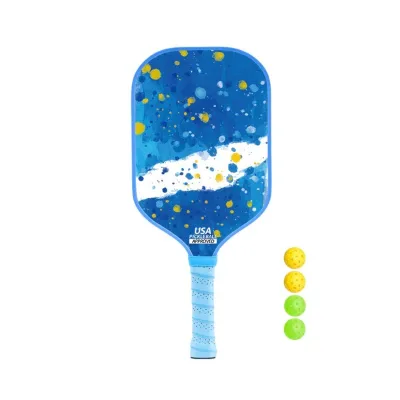


High-Performance Carbon Fiber Pickleball Paddle with Durable Aramid Core
$10.00 - $13.00
MOQ: 100 Pieces


Comprehensive Sourcing Guide
Carbon Fiber Durable Pickleball Paddle Sourcing Guide
Buyers evaluating carbon fiber durable pickleball paddles must first distinguish between single-unit procurement and bulk bundle orders, as the supply chain signals vary significantly. The observed market data indicates a wide price spectrum from $3.50 to $300, reflecting differences in material composition and customization depth. While some listings feature T700 carbon fiber faces with hot-pressing integrated molding, others rely on fiberglass or wooden cores, necessitating a clear definition of performance requirements before engaging suppliers.
Procurement teams should also scrutinize the minimum order quantity (MOQ) constraints, which range from single units to 1,000 pieces depending on the supplier's capacity. High-volume buyers targeting youth or professional demographics often encounter MOQs of 100 or 1,000 units, whereas smaller retailers may find suppliers accepting orders as low as two pieces. Understanding these thresholds is critical for aligning inventory budgets with the specific customization needs, such as logo placement or color variations, which are frequently available but may incur different cost structures.
Product Scope and Observed Listing Signals
The product scope for carbon fiber durable pickleball paddles encompasses a variety of configurations, including bundle sets that often include accessories like balls, towels, and carry bags. Listings frequently highlight customization options for colors, logos, and grip sizes, catering to diverse target audiences ranging from children to professional players. Buyers must verify whether the "customized" attribute refers to cosmetic changes or structural modifications, as some suppliers offer fully bespoke dimensions while others provide standard sizes with limited aesthetic alterations.
Observations of product listings reveal that thickness specifications vary between 10mm and 16mm, directly influencing the paddle's power and control characteristics. Some models feature specific hole patterns, such as 40-hole designs, which are intended to optimize aerodynamics and ball spin. When reviewing product names and descriptions, buyers should note that terms like "Polymer Pickleball Paddle Bundle" or "Carbon Pickleball Paddle Set" may indicate different internal compositions, requiring careful cross-referencing with material specifications to ensure the core meets durability expectations.
Technical Specifications to Verify
Technical verification begins with confirming the racket material composition, specifically distinguishing between T700 carbon fiber, fiberglass, and hybrid wooden cores. The manufacturing process, often described as hot-pressing integrated molding, is a key indicator of structural integrity and durability. Buyers should request detailed material certificates to validate the carbon fiber grade, as lower-quality fibers may degrade faster under high-impact play conditions, compromising the paddle's lifespan and performance consistency.
Dimensional accuracy is another critical verification point, with grip lengths observed between 12cm and 13cm and thicknesses ranging from 10mm to 16mm. The item weight, typically around 1.23 pounds, and package dimensions must align with the intended user's physical requirements and shipping constraints. Procurement teams should ensure that the specified grip sizes, which can range from 4 to 4.8 inches, are compatible with the target demographic's hand sizes to prevent user fatigue and ensure optimal control during extended matches.
Compliance and Safety Documentation
While specific certification statuses are not universally listed in the provided data, buyers must demand evidence of safety compliance for all imported sports equipment. This includes verifying that the materials used, such as the carbon fiber and resin binders, meet international safety standards for non-toxicity and structural stability. Suppliers should provide test reports confirming that the paddles do not contain hazardous substances and that the manufacturing process adheres to relevant environmental and safety regulations.
Documentation regarding the product origin, whether from Anhui or Guangdong in China, is essential for assessing supply chain transparency and potential trade compliance risks. Buyers should ensure that the supplier can provide a Certificate of Origin and any necessary export licenses required for the destination market. Additionally, verifying that the packaging, often described as cartons or bubble bags, meets international shipping standards is vital to prevent damage during transit and ensure the product arrives in sellable condition.
Cost Drivers and Commercial Terms
Cost drivers for carbon fiber durable pickleball paddles are heavily influenced by the complexity of customization and the volume of the order. Customized colors, logos, and specific dimensions often incur higher unit costs compared to standard inventory, particularly when the minimum order quantity is low. Buyers should analyze the price range of $3.50 to $300 to understand the correlation between material quality, such as T700 carbon fiber versus fiberglass, and the final retail price point.
Commercial terms regarding packaging and shipping must be clearly defined, as some suppliers offer individual poly bag packaging while others provide bulk carton packing. The MOQ of 2 to 1,000 pieces significantly impacts the per-unit cost, with larger orders typically yielding better economies of scale. Procurement teams should negotiate terms that account for the included components, such as balls and towels, which add value but also increase the overall cost and logistical complexity of the shipment.
Supplier Qualification and Quality Control
Supplier qualification requires a thorough assessment of their manufacturing capabilities, particularly their experience with hot-pressing integrated molding and carbon fiber processing. Buyers should verify the supplier's production history in regions like Anhui and Guangdong, as these areas have established supply chains for sports equipment. It is crucial to confirm that the supplier has a robust quality control system in place to ensure consistency across batches, especially when dealing with customized orders that may vary in color and logo application.
Quality control protocols should include random sampling and functional testing to verify the paddle's durability and performance characteristics. Buyers must ensure that the supplier conducts tests for high elasticity and structural integrity, as these are key attributes for carbon fiber paddles. Establishing a clear communication channel for addressing defects and ensuring that the product meets the specified thickness and weight requirements is essential for maintaining brand reputation and customer satisfaction.
Long-Term Procurement Checks
Long-term procurement success depends on establishing a reliable supply chain that can consistently meet demand without compromising on quality. Buyers should implement regular audits of the supplier's production processes to ensure that the carbon fiber materials and manufacturing techniques remain consistent over time. This includes monitoring the supplier's ability to maintain the specified grip lengths, thicknesses, and weight tolerances across different production runs.
Building a strategic partnership with suppliers who offer flexible customization options is vital for adapting to market trends and customer preferences. Buyers should regularly review the supplier's capacity to handle increased order volumes and their ability to maintain lead times as the business scales. Continuous evaluation of the product's performance in the field, including feedback from youth and professional players, will help identify any necessary adjustments to the specifications or materials used in future orders.
FAQs
What materials are used for carbon fiber pickleball paddles?
The paddles use T700 carbon fiber or fiberglass with customized options. Some models combine wooden, fiberglass, and carbon materials. This ensures high elasticity and durability for all skill levels while allowing buyers to select specific material compositions.
How can I customize the color and logo on these paddles?
Customization is available for both color and logo on the paddles. Buyers can request specific colors like blue or other options. The supplier accepts customized logos, allowing brands to personalize the product for youth, adults, or professional players according to their needs.
Which thickness options are available for the paddle core?
Available thickness options include 10mm, 11mm, 13mm, 14mm, and 16mm. These variations allow players to choose based on their preferred power or control. The specific thickness depends on the model selected, such as the 13mm or 16mm configurations found in the product listings.
Can I order a small quantity of carbon fiber paddles?
Yes, minimum order quantities vary by product, starting from 2 pieces up to 1000 pieces. Some models require 100 units, while others allow orders as low as 2. This flexibility supports both small trial orders and large bulk purchases for distributors or teams.
What is the typical packaging for these pickleball paddle sets?
Paddles are packed in cartons with individual bubble bags for protection. Some sets include carry bags, towels, and balls. Customized packing options are also available to meet specific shipping or branding requirements for bulk orders of carbon fiber durable pickleball paddles.
Where are these carbon fiber paddles manufactured?
Manufacturing locations include Anhui and Guangdong in China. These regions produce paddles using hot pressing integrated molding technology. The origin ensures consistent quality for the T700 carbon fiber and fiberglass materials used in the construction of these durable sports equipment items.