Source Carbon Fiber Telescopic Pole for Camera, Cleaning, and Antenna
Source Carbon Fiber Telescopic Pole options from 30 verified listings. Compare high-strength, lightweight designs in glossy or matte finishes. Evaluate custom sizes, raw material types, and OEM capabilities for window cleaning, camera masts, and antenna applications; compare the available evidence and request quotations based on your requirements.
Key considerations
Products List


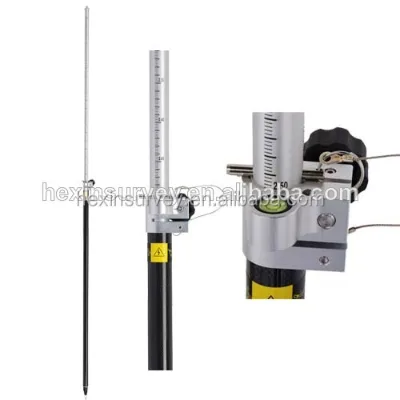


Professional 24FT Lightweight Household Kit Carbon Fiber Telescopic Pole
$80.00 - $85.00
MOQ: 10 Pieces




Comprehensive Sourcing Guide
Carbon Fiber Telescopic Pole Sourcing Guide
Procuring carbon fiber telescopic poles requires a disciplined approach to balancing mechanical performance with logistical efficiency. These components are critical for applications demanding high strength-to-weight ratios, such as antenna masts, outdoor high-altitude camera setups, and specialized cleaning operations. Buyers must navigate a market where customization is the norm rather than the exception, ensuring that the selected pole meets precise extend length requirements, which can range from short handheld units to extensive twenty-five-meter configurations.
The sourcing process involves verifying material integrity and manufacturing consistency across different raw material types, including viscose-based, pitch-based, and polyacrylonitrile-based carbon fibers. Each material variant offers distinct mechanical properties that influence the final product’s durability and load-bearing capacity. Understanding these nuances allows procurement teams to align technical specifications with operational needs, preventing premature failure or excessive weight in critical deployment scenarios.
Product Scope and Observed Listing Signals
The current market landscape for carbon fiber telescopic poles exhibits significant variability in product models and physical attributes. Listings frequently reference specific model identifiers such as DD0008, JS-01-13, and XN-CF-TSCP1, indicating a fragmented supply chain with diverse manufacturing outputs. Buyers should observe that surface finishes vary between glossy, matte, and bare carbon options, while color choices extend beyond standard black to include red, green, blue, and silver. These aesthetic variations often correlate with different resin systems or protective coatings applied during the rolling and pressing manufacturing processes.
Observed listing signals also highlight the prevalence of custom sizing and OEM capabilities among suppliers. Products are frequently described as customer-made, with extend lengths spanning from three meters to twenty-five meters, and specific models like the 18m or 20m carbon telescopic rods appearing regularly. Packaging details vary from standard cartons to wood boxes, with some suppliers noting specific packing densities, such as ten pieces per carton. These signals suggest that buyers must explicitly define their dimensional and packaging requirements early in the inquiry process to avoid misalignment in delivery expectations.
Technical Specifications to Verify
Verifying the mechanical properties of carbon fiber telescopic poles is essential for ensuring operational reliability under stress. Buyers must confirm whether the product is classified as high-performance or high-strength type, as these designations directly impact load-bearing capacity and resistance to bending. The shape is typically a carbon fiber tube, but the internal structure and wall thickness must be validated against the intended working environment, whether it involves window cleaning, solar panel maintenance, or antenna deployment. Misalignment in these specifications can lead to structural failure during extension or retraction cycles.
Surface treatment and material composition are equally critical verification points. The technology used, often involving rolling and pressing techniques, influences the uniformity of the carbon fiber layup. Buyers should request detailed material certificates to distinguish between viscose-based, pitch-based, and polyacrylonitrile-based carbon fibers, as each has different thermal and mechanical characteristics. Additionally, the state of the raw materials, such as chopped fiber versus continuous strand, affects the final product’s integrity. Confirming these technical details ensures that the pole can withstand the specific environmental conditions and mechanical loads it will encounter in the field.
Compliance and Safety Documentation
While specific certification statuses may vary, buyers must ensure that suppliers provide adequate documentation regarding material safety and manufacturing standards. The presence of custom standards, such as GB or specific telescoping rod specifications, indicates that products may adhere to regional or industry-specific guidelines. Procurement teams should verify that all materials used, including resins and coatings, comply with relevant environmental and safety regulations, particularly if the poles are intended for use in sensitive environments or public spaces.
Documentation should also cover the testing protocols used to validate the pole’s performance under load and environmental stress. Buyers should request test reports that demonstrate the pole’s ability to maintain structural integrity at maximum extension lengths, such as twenty meters or sixty-five feet. This includes verifying resistance to corrosion, UV degradation, and temperature fluctuations. Ensuring that the supplier can provide comprehensive safety documentation reduces liability and ensures that the product meets the rigorous demands of professional applications like high-altitude camera masts or industrial cleaning tasks.
Cost Drivers and Commercial Terms
The cost of carbon fiber telescopic poles is influenced by several key factors, including the type of carbon fiber used, the complexity of the telescoping mechanism, and the degree of customization required. High-strength and high-performance types typically command higher prices due to the advanced manufacturing processes and superior material properties involved. Buyers should also consider the impact of surface finishes and color options on pricing, as additional coatings or treatments can increase production costs. Understanding these drivers allows for more accurate budgeting and negotiation strategies.
Commercial terms, such as minimum order quantities and supply ability, vary significantly among suppliers. Some suppliers may offer flexible MOQs, while others require larger commitments to justify the setup costs for custom molds or specialized production lines. Supply ability, often cited as one thousand pieces per month, indicates the supplier’s capacity to handle large orders without compromising quality. Buyers should negotiate clear terms regarding lead times, payment schedules, and shipping responsibilities, ensuring that the total cost of ownership aligns with their procurement budget and operational timeline.
Supplier Qualification and Quality Control
Qualifying suppliers for carbon fiber telescopic poles requires a thorough assessment of their manufacturing capabilities and quality control processes. Buyers should verify the supplier’s origin, with many manufacturers located in regions like Weihai, China, known for their expertise in composite materials. It is crucial to assess the supplier’s ability to maintain consistency in product quality, particularly when dealing with custom sizes and specifications. Requesting samples and conducting independent testing can help validate the supplier’s claims regarding mechanical properties and material composition.
Quality control measures should include rigorous inspection of the rolling and pressing processes, as well as final product testing for structural integrity. Buyers should inquire about the supplier’s defect rate and their procedures for handling non-conforming products. Additionally, verifying the supplier’s packaging methods, such as the use of wood boxes or reinforced cartons, is essential to prevent damage during transit. Establishing a strong relationship with a qualified supplier ensures a steady supply of high-quality poles and reduces the risk of procurement disruptions.
Long-Term Procurement Checks
Long-term procurement success depends on establishing ongoing performance reviews and relationship management strategies with suppliers. Buyers should regularly assess the quality of delivered products against initial specifications, tracking any deviations in mechanical properties or surface finishes. This continuous monitoring helps identify potential issues early, allowing for corrective actions before they impact operations. Maintaining open communication with suppliers regarding performance feedback fosters collaboration and encourages continuous improvement in product quality.
Additionally, buyers should stay informed about advancements in carbon fiber technology and manufacturing processes that could offer better value or performance. Regularly reviewing market trends and supplier capabilities ensures that procurement strategies remain competitive and aligned with evolving operational needs. By maintaining a proactive approach to supplier management and quality assurance, buyers can secure a reliable supply of high-performance carbon fiber telescopic poles that meet their long-term business objectives.
FAQs
What raw materials are used for carbon fiber telescopic poles?
These poles utilize high-performance carbon fiber derived from three primary precursors: pitch-based, polyacrylonitrile-based, and viscose-based carbon fiber. Each material type offers distinct mechanical properties and strength characteristics. Buyers can select specific raw material compositions based on required load-bearing capacity and weight constraints for specialized industrial or outdoor applications.
Can I customize the length and size of these poles?
Yes, customization is available for both length and overall size. The poles support customer-made specifications with extend lengths ranging from 3m to 25m, including specific models like 14m or 20m rods. OEM services are provided to tailor dimensions precisely to your operational requirements, ensuring optimal fit for window cleaning or antenna mast uses.
What surface finishes are offered for carbon fiber poles?
Manufacturers provide glossy, matte, and bare carbon surface finishes. These options allow for aesthetic customization while maintaining the material's inherent high strength and lightweight properties. The surface treatment does not compromise the structural integrity of the carbon fiber tube, ensuring durability during high-altitude camera mast operations or regular maintenance tasks.
What are the typical working environments for these poles?
These poles are designed for window cleaning, solar panel cleaning, and outdoor high-altitude camera mast deployment. They function effectively as antenna masts and in general washing applications. The high-strength carbon fiber construction ensures stability and reliability in various outdoor conditions, supporting heavy equipment while minimizing user fatigue during extended operational periods.
How are these carbon fiber poles packaged for shipping?
Packaging options include cartons, wood boxes, and standard cartons. For instance, 2.4m telescopic poles are typically packed ten pieces per carton, measuring 140x25x40cm with a weight of 26kg. This secure packaging protects the poles during transit from China, ensuring they arrive in pristine condition ready for immediate deployment or further distribution.
What is the supply ability for these telescopic poles?
The supply ability is 1000 pieces per month. This capacity supports consistent bulk orders for international buyers. The production originates from China, with dispatch ports including Shanghai. This reliable output ensures that large-scale procurement needs for window cleaning or industrial antenna masts can be met without significant delays or stock shortages.