Source Cartoon Anime Action Figure for Gifts, Collection, and Promotion
Source 30 Cartoon Anime Action Figure options for gifts, collection, and promotion. Compare OEM services, plastic materials like PVC and ABS, and customization features including logo printing and mold opening for your specific needs; compare the available evidence and request quotations based on your requirements.
Updated
Key considerations
Products List
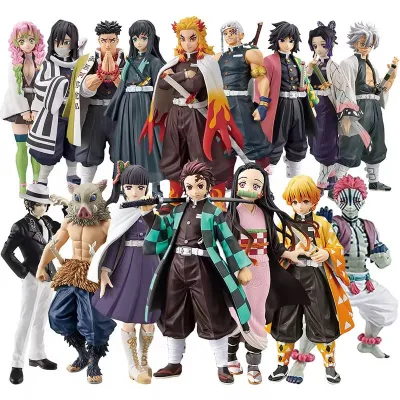


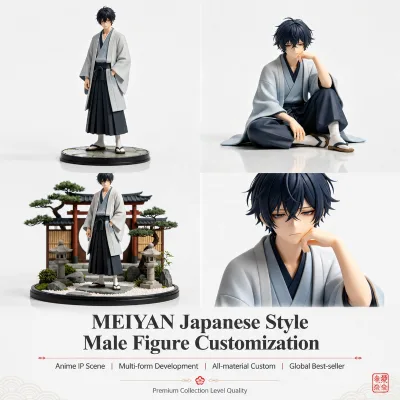
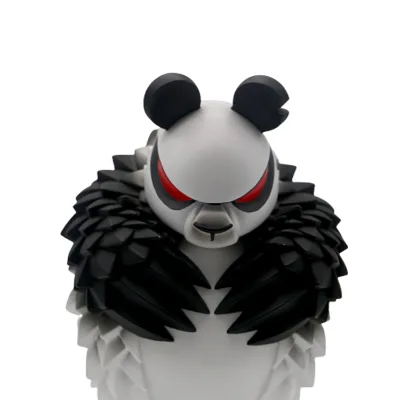
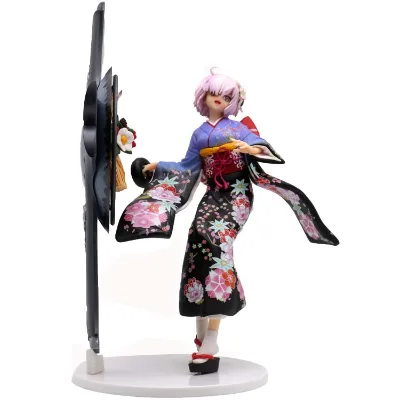
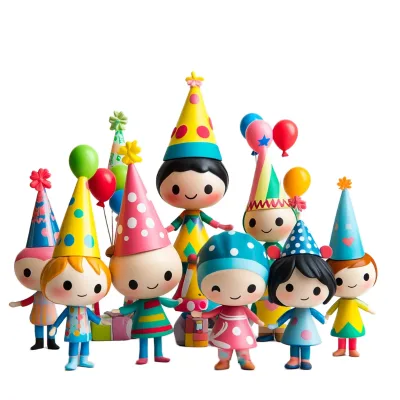
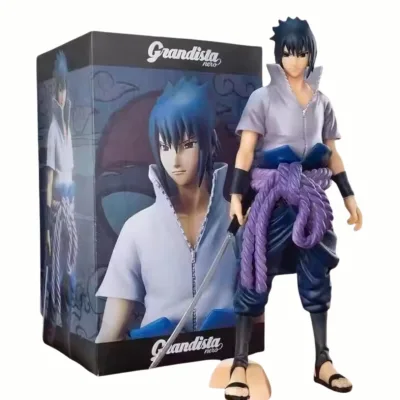
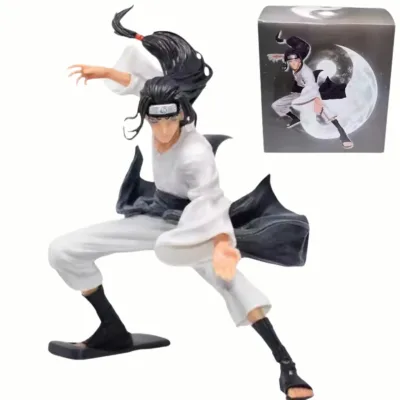
Cartoon Figure Toys New Anime Action PVC Figures Collection for Kids Toy
$0.80 - $1.50
MOQ: 3000 Pieces


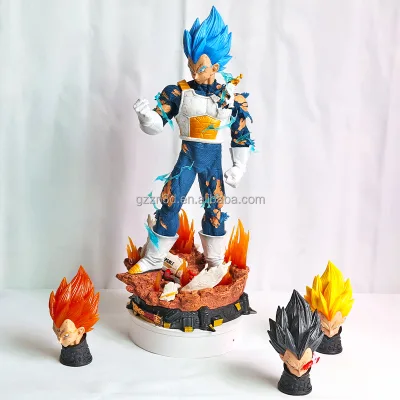
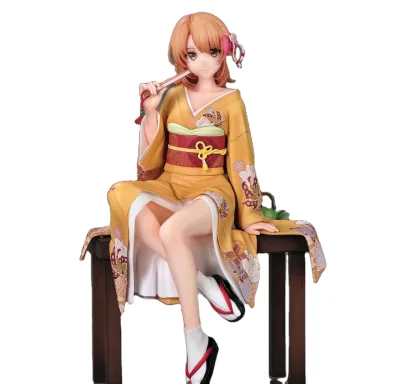
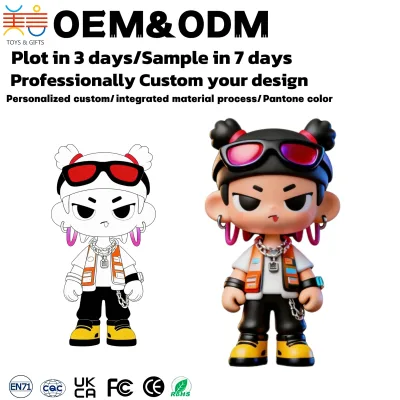


Comprehensive Sourcing Guide
Cartoon Anime Action Figure Sourcing Guide
Sourcing cartoon anime action figures requires a nuanced understanding of both the creative design elements and the rigorous manufacturing standards that define high-quality collectibles. Buyers must navigate a market where aesthetic fidelity is just as critical as structural integrity, ensuring that the final product resonates with the target demographic while meeting commercial viability. This guide provides a structured approach to evaluating suppliers, verifying technical specifications, and managing the complexities of custom manufacturing for these specialized toys.
The procurement process begins with a clear definition of the product scope, distinguishing between standard stock items and fully customized OEM solutions. Buyers should assess whether their needs align with pre-existing molds or if they require the development of new tooling to achieve unique character designs. Understanding the distinction between these two pathways is essential for budgeting, timeline planning, and determining the appropriate level of supplier engagement throughout the production lifecycle.
Product Scope and Observed Listing Signals
The observed market for cartoon anime action figures reveals a diverse range of product attributes, with prices ranging from $0.19 to $132.17 USD and minimum order quantities (MOQs) varying significantly from 1 to 5,000 pieces. This wide variance indicates that buyers can access both low-volume trial orders and large-scale commercial productions, depending on their specific business model and inventory requirements. The flexibility in MOQs allows smaller retailers to test market demand without committing to excessive capital expenditure, while larger distributors can leverage economies of scale for cost efficiency.
Product listings frequently highlight customization capabilities, with many suppliers offering OEM services and accepting customized logos and designs. Materials commonly cited include eco-friendly PVC, ABS, resin, TPR, PP, PS, and PC, allowing for a variety of tactile and visual finishes. The recommended age groups span from 4-6 years to over 8 years, suggesting that buyers must carefully match product complexity and safety features to their intended audience. Additionally, features such as free samples and provided 3D drawings facilitate the initial design validation process, reducing the risk of costly errors in mass production.
Technical Specifications to Verify
Verifying technical specifications is paramount to ensuring that the final action figures meet quality expectations and functional requirements. Buyers should confirm the manufacturing technologies employed, such as roto casting, injection molding, or ultrasonic welding, as these processes directly impact surface detail, durability, and production speed. The model numbers, such as SH2501 or 3D-B002, serve as critical identifiers for tracking specific design iterations and ensuring consistency across production batches. Clear communication regarding size specifications, whether standardized or fully customized, is essential to avoid discrepancies between the prototype and the final delivered goods.
Material selection plays a crucial role in the longevity and safety of the product, with suppliers often providing a range of options to suit different budget and quality tiers. Buyers must verify the color accuracy and pattern application, such as pad printing or full-color imprinting, to ensure brand alignment and visual appeal. The availability of new mold opening services indicates that suppliers can accommodate unique character designs, but this comes with associated costs that depend on size, quantity, and technology. Confirming the origin of the product, typically Guangdong, China, helps buyers assess logistical factors and supply chain reliability.
Compliance and Safety Documentation
Compliance with international safety standards is non-negotiable for toy manufacturers, particularly when products are intended for younger demographics. Buyers must ensure that suppliers possess valid certifications, such as EN7, ASTM, and CE, which demonstrate adherence to rigorous safety and quality benchmarks. These certifications are critical for market access in regions like Europe and North America, where regulatory scrutiny is high. Without proper documentation, products may face customs delays, recalls, or legal liabilities, making verification of these credentials a primary due diligence step.
Beyond certifications, buyers should request detailed test reports that validate the absence of harmful substances and the structural integrity of the figures. The usage claims, such as "pretty gift" or "collection toys," must be supported by evidence that the product meets the intended application's safety requirements. For instance, figures recommended for ages 4-6 years require stricter safety measures compared to those for older collectors. Ensuring that the supplier provides original packaging and adheres to labeling standards further protects the brand and informs consumers about proper handling and age appropriateness.
Cost Drivers and Commercial Terms
Understanding the cost drivers behind cartoon anime action figures helps buyers negotiate better terms and forecast their total landed costs accurately. Key factors influencing price include the complexity of the design, the choice of materials, the number of colors, and the volume of the order. Customization options, such as openning new molds or specific logo printing, add significant upfront costs that must be amortized over the production run. Buyers should clarify whether sample fees are waived, as some suppliers offer free samples to encourage partnership, while others charge based on the intricacy of the prototype.
Commercial terms, including payment methods and lead times, also impact the overall procurement strategy. Trade Assurance offers a layer of security for buyers, ensuring that payments are protected until the goods are shipped as agreed. Lead times typically range from 5 to 7 days for samples, but mass production timelines depend on order quantity and supplier capacity. Buyers should establish clear agreements on delivery schedules and penalty clauses for delays to mitigate supply chain disruptions. Understanding these financial and logistical parameters allows for more accurate budgeting and inventory planning.
Supplier Qualification and Quality Control
Supplier qualification involves a thorough assessment of their manufacturing capabilities, quality control processes, and past performance. Buyers should verify the supplier's OEM factory status and their experience in producing anime figures, as specialized knowledge often correlates with higher quality outcomes. Requesting references or case studies can provide insights into the supplier's reliability and ability to meet tight deadlines. Additionally, assessing their communication responsiveness and willingness to collaborate on design improvements is crucial for a smooth partnership.
Quality control measures must be integrated into the production process to ensure consistency and defect minimization. Buyers should inquire about the supplier's inspection protocols, including pre-production, during-production, and pre-shipment inspections. The availability of 3D drawings provided by either party facilitates accurate design validation before mass production begins. Establishing clear acceptance criteria for defects, such as paint misalignment or structural flaws, helps maintain product standards. Regular audits and feedback loops can further enhance the quality of delivered goods and strengthen the buyer-supplier relationship.
Long-Term Procurement Checks
Long-term procurement success depends on continuous monitoring of supplier performance and market trends. Buyers should regularly review supplier metrics, such as on-time delivery rates, defect rates, and responsiveness to issues, to identify areas for improvement. Building a diversified supplier base can mitigate risks associated with single-source dependencies, ensuring business continuity in case of disruptions. Staying informed about emerging materials and manufacturing technologies can also provide competitive advantages in product design and cost efficiency.
Additionally, buyers should maintain open lines of communication with suppliers to discuss future product developments and potential collaborations. Regularly updating product specifications and design requirements ensures that the supplied figures remain relevant and appealing to the target audience. Engaging in strategic planning sessions with suppliers can lead to innovative solutions and cost-saving opportunities. By fostering a collaborative and transparent relationship, buyers can secure a reliable supply chain that supports their long-term growth and market objectives in the Cartoon Anime Action Figure sector.
FAQs
Can I customize the logo on cartoon anime action figures?
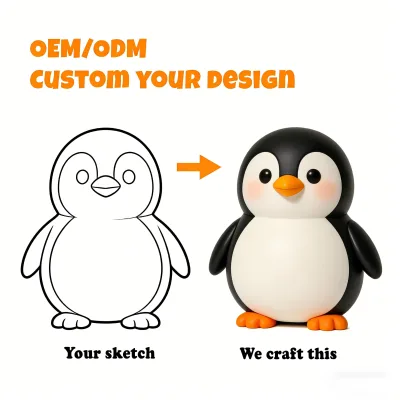
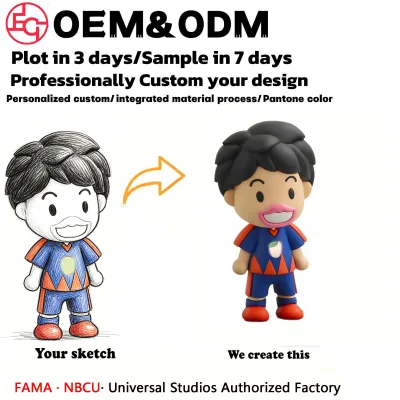
Yes, customized logos are accepted for these plastic figures. You can choose between simple color or full color pad print options. The OEM factory supports both OEM and ODM services, allowing you to provide 3D drawings or use existing designs to create unique collectible toys for your brand.
What certifications do these anime action figures have?
These plastic toys hold ENASTM and CE certifications, ensuring they meet international safety standards. This makes them suitable for various applications, including promotional gifts and collection items. The materials used are eco-friendly, including PVC, ABS, and resin, providing a safe option for buyers seeking compliant manufacturing partners.
What is the sample time for these figures?
The sample time is typically 5-7 days. Samples are provided free of charge, though mold costs depend on size, quantity, and material. This quick turnaround allows buyers to verify quality and design accuracy before committing to larger production runs for their specific Cartoon Anime Action Figure requirements.
What is the minimum order quantity for these toys?
The minimum order quantity is 10 pieces. This low MOQ allows buyers to test the market with minimal risk. The factory accepts customized orders, making it flexible for small batches. Payment is secured via Trade Assurance, ensuring a safe transaction process for international buyers sourcing these plastic figures.
Where are these anime figures manufactured?
These figures are manufactured in Guangdong, China. The factory offers OEM services with various production technologies like roto casting and injection molding. Buyers can customize sizes and colors, with original packaging available. This location provides access to a robust supply chain for high-quality plastic toys and collectibles.
What materials are used to make these action figures?
These figures are made from eco-friendly materials including PVC, ABS, resin, TPR, PP, PS, and PC. The material choice depends on the specific design and durability requirements. This range allows for detailed 3D drawing reproduction, ensuring high-quality finishes for both collection toys and promotional gifts.