Source Rhinestone Alloy Evil Eye Pendant for Wedding, Gift, Party
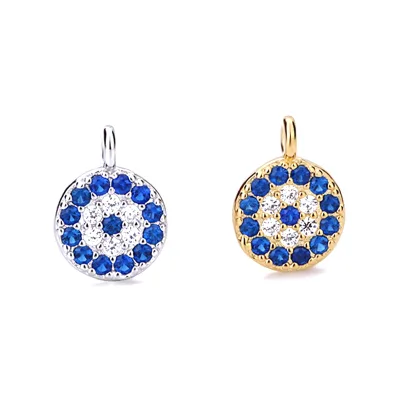
Find 30 listings for Rhinestone Alloy Evil Eye Pendant options suitable for wedding, gift, and party occasions. Compare specifications including vintage designs, high polishing, and lead-free testing. View pricing from $0.05 to $35 with MOQs starting at 5 pieces.
Updated
Key considerations
Products List
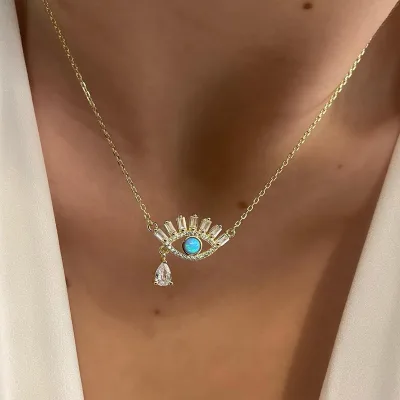
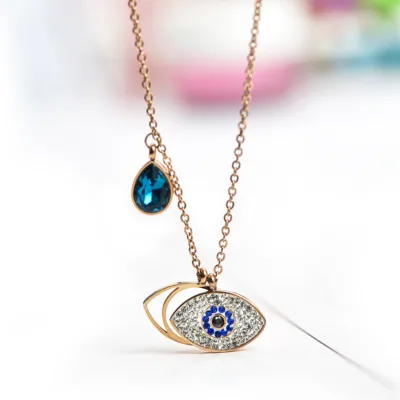
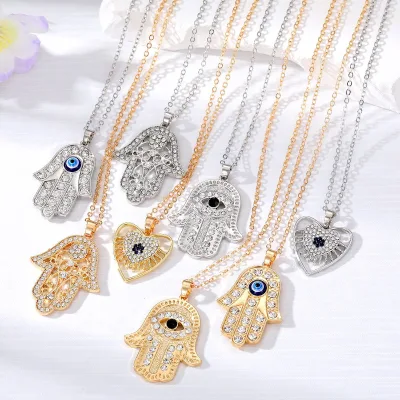


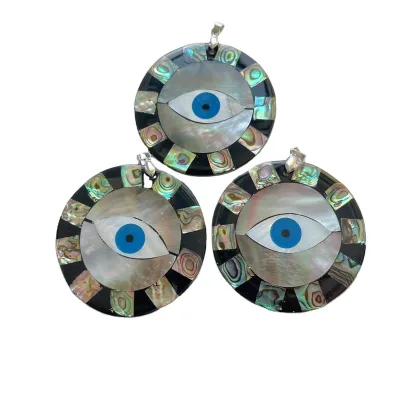
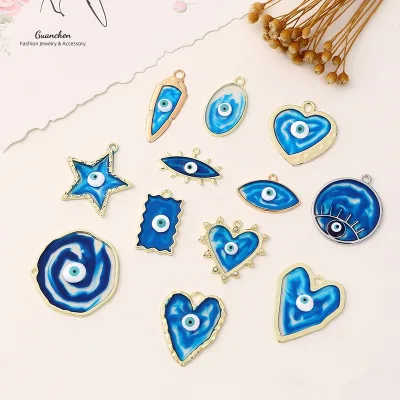

Vintage Evil Eye Eight-Pointed Star Pearl Necklace Layered Clavicle Chain Pendant for Women
$1.56 - $1.80
MOQ: 100 Pieces

Diamond Necklace 18K Plating Chain for Women Evil Eye Pendant Customized Necklace Jewelry
$1.30 - $1.57
MOQ: 100 Pieces


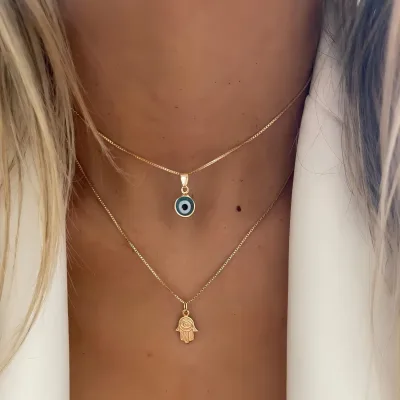
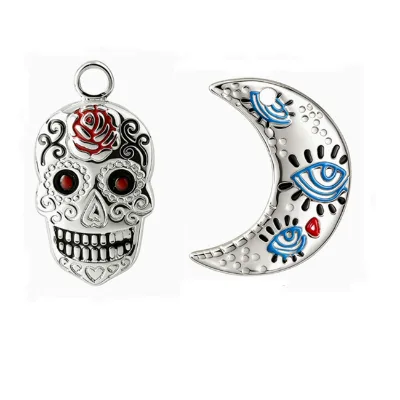


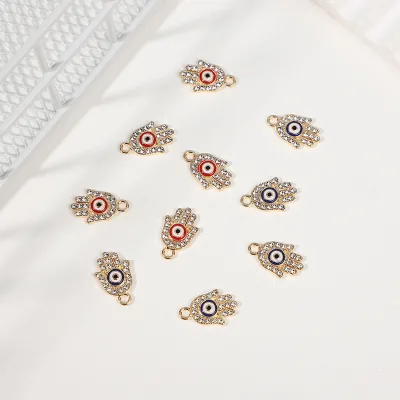
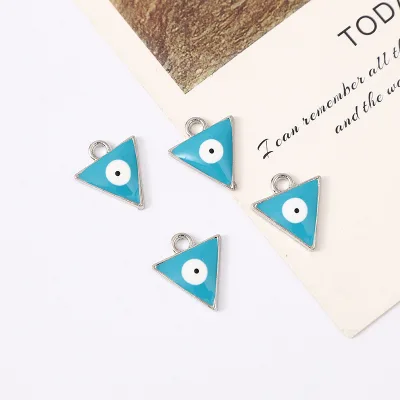


Comprehensive Sourcing Guide
Rhinestone Alloy Evil Eye Pendant Sourcing Guide
Sourcing rhinestone alloy evil eye pendants requires a careful balance between aesthetic appeal and material durability, particularly when targeting fashion-forward demographics. Buyers must recognize that these items often serve as versatile accessories suitable for both female and male audiences, depending on the specific design language employed by the manufacturer. The visual impact of the evil eye motif is frequently enhanced by high-polishing techniques and varied plating options, which directly influence the perceived value and marketability of the final product.
Procurement teams should prioritize suppliers who offer customization capabilities, as this allows for brand differentiation in a crowded marketplace. The availability of OEM and ODM services enables buyers to tailor aspects such as logo placement, whether through laser engraving or traditional methods, to align with specific brand identities. Understanding the interplay between style trends, such as vintage or simple aesthetics, and functional attributes like lead-free and nickel-free testing is essential for ensuring product safety and consumer satisfaction.
Product Scope and Observed Listing Signals
The observed market signals indicate a diverse range of product configurations, with prices ranging from $0.05 to $35 USD and minimum order quantities varying between 5 and 800 pieces. This wide spectrum suggests that buyers can access both entry-level promotional items and higher-end fashion accessories, depending on their volume requirements and quality expectations. The presence of free samples and fast delivery options within one day for samples highlights the importance of rapid prototyping in the decision-making process for new product lines.
Attributes such as color options, including specific numerical codes and standard metallic finishes like gold, silver, and platinum, provide flexibility in inventory planning. The use of materials like glass for pendants and 925 sterling silver for accessories indicates a tiered approach to quality, where buyers must verify the exact composition for each SKU. Additionally, the inclusion of usage contexts such as anniversaries, engagements, and weddings underscores the emotional value these items hold, making them suitable for gifting markets and special occasion collections.
Technical Specifications to Verify
Technical verification begins with precise dimensional accuracy, as observed lengths vary significantly, including measurements like 41+6cm, 43.4+5cm, and 50cm+5cm, alongside standard 45cm chains. Buyers must ensure that the chain length specifications align with target market preferences, as even minor deviations can affect the final drape and aesthetic of the necklace. The pendant shapes, ranging from circles to geometry designs, require close inspection to confirm that the rhinestone settings are secure and the alloy base meets structural integrity standards.
Weight and packaging specifications are critical for logistics planning, with single gross weights observed at 0.03 Kg and packing options including OPP bags, boxes, or strong cartons. The standard product dimensions of 3x1x1 cm suggest compact packaging, which can reduce shipping costs but must be evaluated for protective adequacy during transit. Verification of the casting process and wax setting techniques is necessary to ensure that the rhinestones are firmly attached and resistant to shedding, which is a common quality concern in alloy jewelry.
Compliance and Safety Documentation
Safety compliance is paramount, especially for jewelry items that come into direct contact with the skin, making lead-free and nickel-free certifications non-negotiable for many markets. Buyers should request SGS certification or equivalent third-party test reports to verify that the alloy components and plating materials do not contain harmful substances. The presence of such certifications not only mitigates legal risks but also enhances brand trust among consumers who are increasingly conscious of material safety and ethical sourcing practices.
Documentation should also cover the purity of any silver components, with observed specifications indicating 92.5% purity for sterling silver accessories. This level of detail must be explicitly stated in the product specifications to avoid discrepancies between marketing claims and actual material content. Ensuring that all compliance documents are up-to-date and applicable to the destination country’s regulations is a crucial step in preventing customs delays and product recalls.
Cost Drivers and Commercial Terms
Cost structures are influenced by several factors, including the complexity of the design, the type of plating used, and the volume of the order. Observed MOQs as low as 30 pieces for certain items allow for smaller batch testing, while higher volumes may unlock better pricing tiers. Buyers should analyze the relationship between plating options, such as rhodium, rose gold, or black, and their impact on production costs, as more intricate plating processes can increase unit prices significantly.
Commercial terms also include delivery times, which have been observed to range from 30 to 40 days for standard orders. This lead time must be factored into inventory planning to avoid stockouts, especially for seasonal collections tied to events like weddings or holidays. Negotiating clear terms for sample costs, tooling fees, and potential penalties for delayed deliveries is essential for maintaining healthy supplier relationships and protecting profit margins.
Supplier Qualification and Quality Control
Supplier qualification should focus on manufacturers located in key production hubs like Guangdong or Guangzhou, China, where supply chain efficiencies are high. Buyers must verify the supplier’s capability to handle OEM/ODM requests and their track record in producing items with high-polishing finishes and precise laser logo engraving. Quality control protocols should include random sampling inspections to check for plating uniformity, stone setting security, and overall dimensional accuracy before shipment.
Establishing a robust quality assurance process involves defining clear acceptance criteria for defects, such as scratches, discoloration, or loose components. Regular communication with the supplier regarding production updates and potential issues can help mitigate risks associated with long lead times. Implementing a pre-shipment inspection by a third-party agency can provide an additional layer of assurance, ensuring that the delivered goods meet the agreed-upon specifications and quality standards.
Long-Term Procurement Checks
Long-term procurement success depends on continuous monitoring of supplier performance and market trends. Buyers should regularly review supplier responsiveness, consistency in quality, and adherence to agreed-upon delivery schedules. Building a diversified supplier base can reduce dependency on a single source and provide flexibility in responding to sudden changes in demand or supply chain disruptions.
Staying informed about evolving consumer preferences, such as shifts towards minimalist designs or new color trends, allows buyers to adapt their product offerings proactively. Engaging in regular feedback loops with end-users can provide valuable insights into product durability and aesthetic appeal, guiding future design iterations. Maintaining strong relationships with suppliers through fair and transparent communication fosters collaboration and innovation, ensuring a competitive edge in the dynamic jewelry market.
FAQs
What customization options are available for rhinestone alloy evil eye pendants?
Customization is available for these pendants, allowing buyers to tailor specific attributes to their brand needs. Suppliers offer laser logo or engraved logo options to personalize the jewelry. Additionally, the product size can be customized to meet specific design requirements. This flexibility supports OEM and ODM services, ensuring the final product aligns with unique aesthetic or functional demands for various retail channels.
Can rhinestone alloy evil eye pendants be used for wedding and engagement gifts?
Yes, these pendants are suitable for anniversaries, engagements, gifts, parties, and weddings. Their trendy and vintage styles make them versatile accessories for special occasions. The available plating options, including gold, silver, and rhodium, enhance their appeal for formal events. Buyers can select designs that complement bridal themes or gift-giving scenarios, ensuring the jewelry fits the celebratory context effectively.
What certifications ensure the safety of rhinestone alloy evil eye pendants?
The products are tested to be lead-free and nickel-free, ensuring safety for skin contact. They hold SGS certification, which verifies compliance with international quality and safety standards. These certifications are crucial for buyers targeting markets with strict regulatory requirements. The testing guarantees that the materials used in the alloy and plating processes do not pose health risks to end consumers.
What is the typical lead time for ordering rhinestone alloy evil eye pendants?
The delivery time for these pendants typically ranges from 30 to 40 days. This timeframe accounts for production, quality control, and packaging processes. Buyers should plan their inventory accordingly to avoid stockouts during peak seasons. Fast delivery within one day is mentioned for samples, but bulk orders follow the standard production schedule, ensuring consistent quality and timely fulfillment.
Which plating options are offered for rhinestone alloy evil eye pendants?
Plating options include platinum, gold, rhodium, and silver. These finishes allow buyers to choose colors that match their target market preferences. The high polishing craft enhances the shine and durability of the plating. Buyers can select from these options to create diverse product lines, catering to different aesthetic tastes while maintaining the structural integrity of the alloy base.
How are rhinestone alloy evil eye pendants packaged for shipment?
Pendants are packaged in OPP bags or boxes for individual protection. Strong cartons are used for bulk shipping to ensure safety during transit. Packaging can be customized according to customer requirements, allowing for branded retail presentations. This flexible packaging approach helps protect the jewelry from damage and supports various distribution channels, from wholesale to direct-to-consumer retail models.