Source Cast Iron Rectangular Steak Press for BBQ, Grilling, and Home Cooking
Compare 30 Cast Iron Rectangular Steak Press options from verified suppliers in China. Buyers can evaluate features like pre-seasoned coating, custom logos, and FDA certifications for kitchen cooking and BBQ applications.
Key considerations
Products List
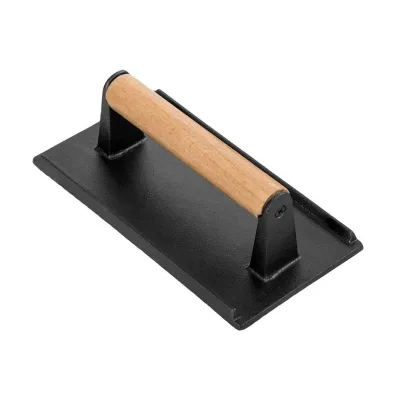


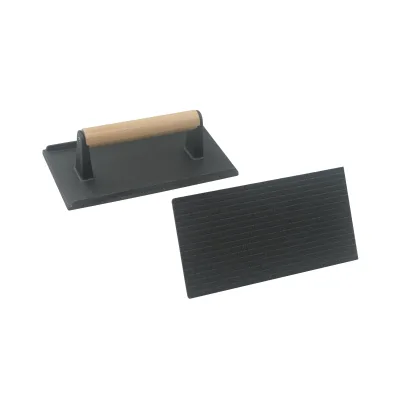
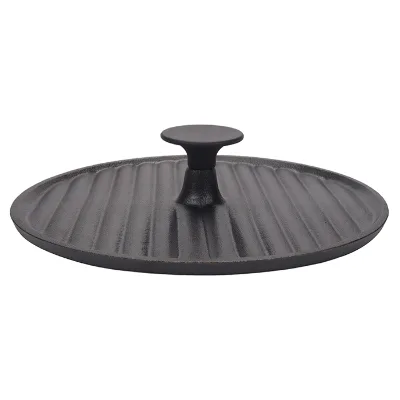
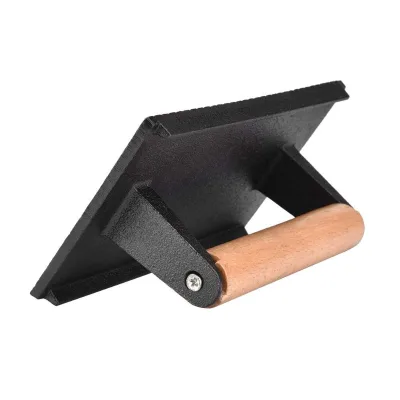
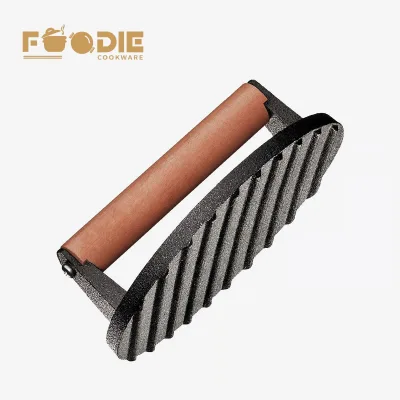
Pre-Seasoned Cast Iron Bacon Press with Wooden Handle Cast Iron Grill Press
$2.70 - $3.50
MOQ: 200 pieces


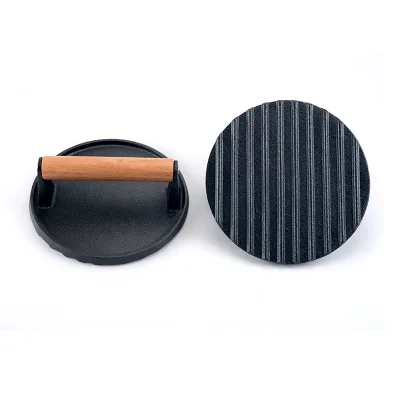
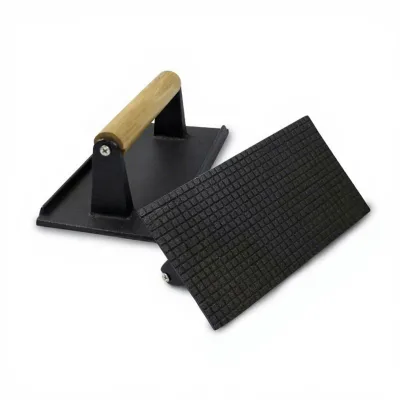
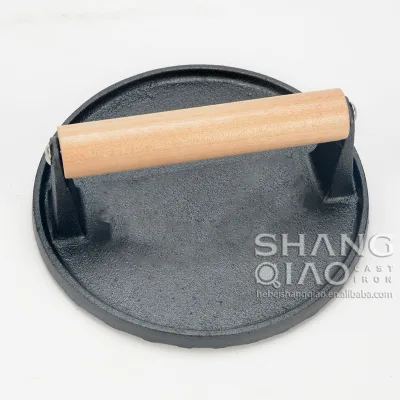


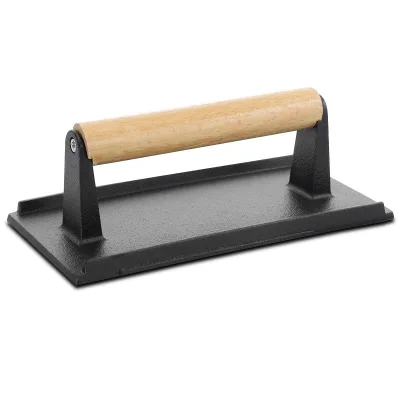
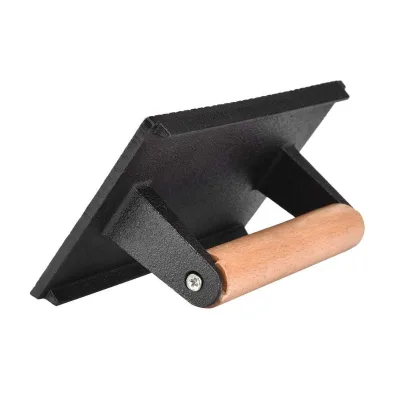
Comprehensive Sourcing Guide
Cast Iron Rectangular Steak Press Sourcing Guide
Sourcing cast iron rectangular steak presses requires a disciplined approach to balancing thermal performance, material integrity, and commercial viability. These tools are essential for professional and home kitchens alike, designed to flatten meat for even cooking and to retain heat for superior searing. Buyers must navigate a market where product attributes vary significantly between suppliers, particularly regarding weight, coating processes, and dimensional accuracy. This guide provides a structured framework for evaluating suppliers, verifying technical specifications, and ensuring compliance with food safety standards, ensuring that procurement decisions are grounded in observable data rather than marketing claims.
The following sections detail the critical factors influencing the selection of cast iron meat presses. By focusing on verified product signals, technical dimensions, and regulatory documentation, buyers can mitigate risks associated with inconsistent quality or non-compliant materials. The guidance herein is derived from observed listing data and trusted category knowledge, offering a practical roadmap for sourcing high-quality, durable, and safe cooking tools that meet specific operational needs.
Product Scope and Observed Listing Signals
The observed market for cast iron steak presses reveals a diverse range of product configurations, with listings indicating variations in shape, size, and intended usage. While the core keyword specifies a rectangular form, observed data includes products described with shapes such as "Circle or Square," highlighting the need for precise specification verification during the sourcing process. Typical applications include kitchen cooking and BBQ, where the press is used to flatten meat for uniform heat distribution. Buyers should note that some listings describe the product as a "Meat & Poultry Tool" with specific usage instructions like "Press The Meat for BBQ," which confirms its functional role in culinary preparation.
Material composition is a primary differentiator among suppliers, with cast iron being the dominant material observed. However, some listings also categorize the product under "Metal," which may indicate composite designs or require further clarification to ensure the core cooking surface is indeed cast iron. The presence of a "Pre-Seasoned" coating, often applied with vegetable oil, is a common feature that enhances immediate usability and reduces initial maintenance for the end-user. Additionally, the availability of customized logos through casting, laser, or sticker methods suggests that many suppliers offer OEM services, allowing buyers to brand the product for retail distribution or corporate gifting.
Technical Specifications to Verify
Dimensional accuracy and weight are critical performance indicators for cast iron steak presses, directly impacting their thermal mass and handling characteristics. Observed specifications include a variety of dimensions, such as 18186.5cm, 14228cm, and 20*10cm, indicating that buyers must select a size that aligns with their target market's preferences for portion control and grill compatibility. The thickness of the press, observed at 7mm in some listings, is a key factor in heat retention; thicker presses generally maintain temperature better but may be heavier to handle. Buyers should verify the exact dimensions and thickness for each SKU to ensure consistency across orders, as variations can affect the product's ability to press meat evenly.
Weight variations are also significant, with observed values ranging from 1.5kg to 3kg, which influences user comfort and perceived quality. Heavier presses may be preferred for professional use due to their superior heat retention, while lighter options might be suitable for home consumers. The capacity of the press, noted as 2 Lbs in some contexts, refers to the amount of meat it can effectively press, which should be matched to the intended use case. Additionally, the inclusion of a handle is a standard feature observed in listings, designed to protect the user from heat during operation. Buyers must confirm the handle's material and attachment method to ensure durability and safety under high-temperature conditions.
Compliance and Safety Documentation
Food contact safety is paramount when sourcing cast iron cookware, and buyers must verify that suppliers provide appropriate certifications to ensure compliance with international standards. Observed certifications include FDA, CE/EU, and LFGB, which indicate that the product meets specific regulatory requirements for food safety in different markets. The FDA certification is crucial for sales in the United States, ensuring that the materials used do not leach harmful substances into food. Similarly, CE/EU and LFGB certifications are essential for European markets, with LFGB being particularly stringent regarding food safety and material migration. Buyers should request valid certification documents for each product batch to avoid customs delays or legal issues.
In addition to certifications, the coating process and material purity must be verified to ensure long-term safety and performance. The "Pre-Seasoned by Vegetable Oil" coating observed in some listings suggests a natural seasoning process, which is generally safe and effective for preventing rust and enhancing non-stick properties. However, buyers should confirm that the oil used is food-grade and that the seasoning process is consistent across production runs. The "Color Enamel" coating option mentioned in some listings may offer additional aesthetic appeal and protection, but its compliance with food safety standards must be independently verified. Buyers should also check for any additional coatings or treatments that may not be explicitly listed but could impact safety.
Cost Drivers and Commercial Terms
Pricing and minimum order quantities (MOQs) are significant factors in the procurement of cast iron steak presses, influencing the overall cost structure and inventory management. Observed price ranges vary, with some listings indicating prices between $1 and $6.25, while others may reflect higher costs due to customization or premium materials. MOQs are typically set at 500 or 1000 pieces, which can impact cash flow and storage requirements for buyers. Understanding these commercial terms is essential for negotiating favorable contracts and ensuring that the order volume aligns with sales forecasts and budget constraints.
Customization options, such as logo printing and packaging, can also affect the final cost. Suppliers that offer OEM services may charge additional fees for mold creation, logo application, or custom packaging designs. The "Customized Logo Accepted" and "OEM Ok" attributes observed in listings indicate that many suppliers are flexible in this regard, but buyers should clarify the cost implications and lead times for these services. Packaging options, including color boxes, brown boxes, or cartons, should be selected based on product protection needs and branding strategies. Buyers should also consider the "Case Pack" quantity, observed as 8 boxes in some listings, to optimize shipping and handling efficiency.
Supplier Qualification and Quality Control
Evaluating supplier qualifications is a critical step in ensuring the reliability and consistency of cast iron steak press orders. Buyers should verify the supplier's production capabilities, including their experience with cast iron manufacturing and their ability to maintain consistent quality across batches. The "Place of Origin" observed as Hebei, China, indicates a specific manufacturing hub, and buyers should assess the supplier's reputation and track record in this region. Requesting samples before placing large orders is essential to evaluate the product's weight, finish, and overall quality, ensuring that it meets the specified technical requirements.
Quality control processes should be clearly defined and agreed upon with the supplier to minimize the risk of defects. Buyers should inquire about the supplier's inspection procedures, including pre-production, during-production, and pre-shipment inspections. The "Customization Available" attribute suggests that suppliers may offer tailored quality control measures for customized orders, which should be documented in the purchase agreement. Additionally, buyers should verify the supplier's ability to provide consistent packaging and labeling, as observed in the "Packing Way: 1set/ Box" and "Case Pack: 8boxes" specifications. Establishing a clear quality assurance protocol helps ensure that the final product meets the buyer's standards and reduces the likelihood of returns or complaints.
Long-Term Procurement Checks
Sustaining a successful procurement relationship with cast iron steak press suppliers requires ongoing monitoring and periodic re-evaluation of performance metrics. Buyers should track key performance indicators such as on-time delivery, product defect rates, and responsiveness to quality issues. Regular audits of the supplier's production facilities and quality control processes can help identify potential risks and ensure continuous improvement. The "Logo Type: Casting/Laser/Sticker" attribute indicates that branding methods may vary, and buyers should monitor the consistency and durability of these logos over time to maintain brand integrity.
Market trends and consumer preferences may also evolve, requiring buyers to adapt their sourcing strategies accordingly. For example, the increasing demand for eco-friendly products, as indicated by the "Eco-Friendly" attribute observed in listings, may influence future purchasing decisions. Buyers should stay informed about changes in regulatory requirements, such as new food safety standards or environmental regulations, to ensure ongoing compliance. By maintaining a proactive approach to supplier management and market analysis, buyers can secure a reliable supply of high-quality cast iron steak presses that meet the needs of their customers and support long-term business growth.
FAQs
What materials and coatings are used for this Cast Iron Rectangular Steak Press?
The steak press is made of cast iron with a pre-seasoned coating applied with vegetable oil, and a color enamel coating is also available. Pre-seasoned surfaces support non-stick cooking and help prevent rust, while enamel offers easier maintenance. Buyers can request the coating that fits their kitchen cooking or BBQ application.
What sizes and dimensions can a Cast Iron Rectangular Steak Press have?
Listed models cover several sizes, including 18*18*6.5cm, 20*10cm, 17.5cm, and 14*22*8cm. Weight varies accordingly, with options around 1.5kg and 3kg. Choose the dimension and weight based on whether the press will be used for home cooking or heavier BBQ meat pressing.
Can the steak press be customized with a logo or brand design?
Yes, customization is available. Logo options include casting, laser engraving, or sticker application, and customized logos are accepted on the product. MOQ is commonly 1000 pieces for the Langju model, though some listings allow 500 pieces, so confirm the minimum that applies to your chosen customization.
What is the typical minimum order quantity for a Cast Iron Rectangular Steak Press?
Observed MOQs range from 200 to 1000 pieces depending on the model and customization level. The Langju HE198 model lists a 1000-piece MOQ, while some other models accept 500 pieces. Lower quantities may be possible for stock items without customized logos, so confirm before ordering.
Which certifications apply to these cast iron meat presses?
Listings reference FDA, CE/EU, and LFGB certifications across different models. Certification requirements vary by destination market, so food-contact compliance should be confirmed for your region before ordering. Always request current test documentation for the specific model and coating you intend to purchase.
How is the steak press packed for shipping?
Packing options include a color box or brown box, typically one set per box, with a case pack of 8 boxes. Carton packing is standard, and alternative packing can be arranged on request. Confirm box type, carton markings, and any barcode labeling needs when placing an order.
What handle options and shapes are offered on the press?
The press comes with a handle for safe lifting, and the shape can be circle or square depending on the model. Rectangular and square formats like the 18*18*6.5cm or 20*10cm sizes suit bacon and steak pressing, while the handle design keeps hands away from hot cast iron during BBQ use.