Source Casual Anti-Pilling Hoodie and Flare Pants Set for daily wear, gym, and travel
Explore 30 listings for the Casual Anti-Pilling Hoodie and Flare Pants Set featuring cotton and polyester options. Buyers can compare styles, sizes, and customization details from verified suppliers in China.
Key considerations
Products List


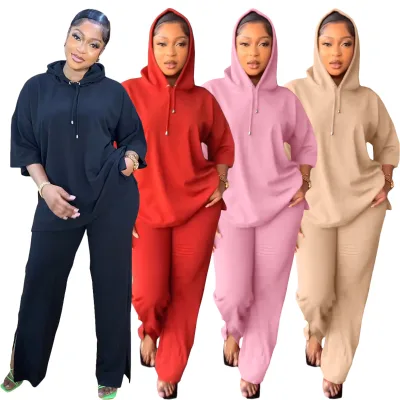


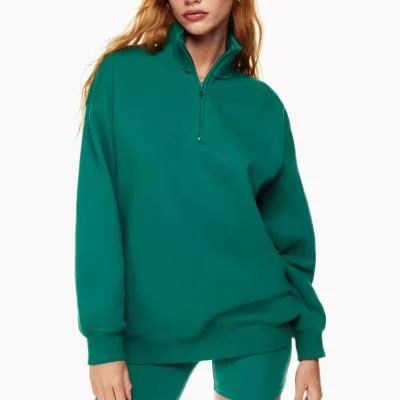

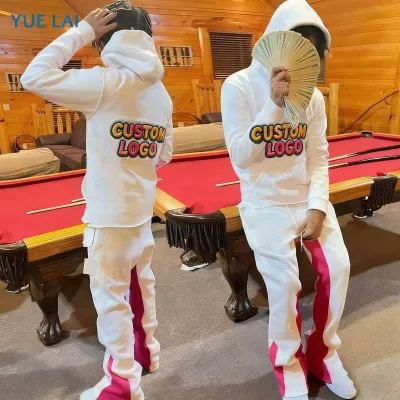
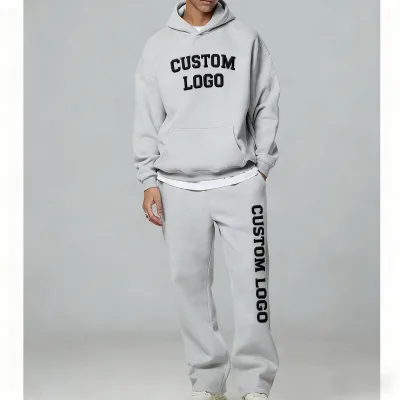


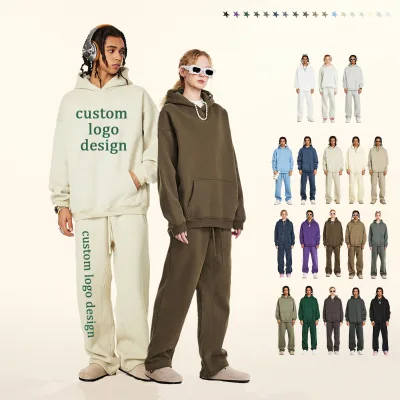
Cropped Zip up Hoodie & Drawstring Waist Pants Set Dual Adjustment Loungewear
$9.99 - $18.99
MOQ: 1 Pieces


Comprehensive Sourcing Guide
Casual Anti-Pilling Hoodie and Flare Pants Set Sourcing Guide
Sourcing a coordinated casual wear set that combines a durable hoodie with comfortable flare pants requires a strategic approach to material selection and supplier verification. The modern consumer market increasingly demands versatility, where garments must transition seamlessly from leisure activities to casual social settings without compromising on comfort or aesthetic appeal. Buyers must navigate a landscape where "anti-pilling" is a critical performance indicator, ensuring the garment maintains its visual integrity after repeated washing and wear. This guide provides a structured framework for evaluating suppliers, verifying technical specifications, and managing commercial risks associated with this specific apparel category.
The procurement process for such sets involves balancing aesthetic customization with functional durability. While the core keyword suggests a specific style combination, the actual market offerings often vary significantly in fabric composition, fit, and finishing techniques. Buyers need to establish clear criteria for what constitutes a "casual" style in their target market, whether that leans towards loose-fit leisure wear or more structured casual looks. Understanding these nuances is essential for aligning supplier capabilities with brand expectations, particularly when dealing with multi-component outfits that require consistent quality across different garment types.
Product Scope and Observed Listing Signals
The observed product landscape for casual hoodies and pants sets reveals a diverse range of materials, with polyester and cotton being the most prevalent options found in current listings. Polyester variants often emphasize durability and ease of care, while cotton offerings typically focus on breathability and natural comfort. Buyers should note that material composition directly influences the "anti-pilling" claim, as synthetic blends may require specific finishing treatments to prevent surface fuzzing. It is crucial to verify whether the anti-pilling property is inherent to the fabric weave or achieved through chemical treatments, as this affects long-term maintenance and environmental compliance.
Listing signals also indicate a strong emphasis on customization, with many suppliers offering options for custom logos, colors, and even brand integration. The presence of fixed hoods, side pockets, and various closure types like zippers suggests a focus on functional design elements that enhance user experience. Additionally, the availability of different fit styles, including slim, loose, plus size, and oversized fits, highlights the importance of size inclusivity in modern casual wear. Buyers must carefully review these attributes to ensure they align with their target demographic’s preferences, as mismatched fit expectations can lead to high return rates and customer dissatisfaction.
Technical Specifications to Verify
Technical verification begins with a thorough examination of fabric weight, weave density, and finishing processes, which collectively determine the garment’s resistance to pilling. Buyers should request detailed fabric specifications, including GSM (grams per square meter) and fiber blend ratios, to assess the balance between durability and comfort. For polyester-based hoodies, checking for anti-pilling treatments such as singeing or calendering is essential, while cotton garments may require mercerization or enzyme washing to enhance surface smoothness. These technical details are critical for ensuring that the "anti-pilling" claim is substantiated by measurable fabric properties rather than marketing language.
Fit and sizing specifications also require rigorous verification, as inconsistencies between listed sizes and actual garment measurements can lead to significant logistical challenges. Buyers should confirm whether suppliers offer standard size charts or custom sizing options, and whether they provide detailed measurement guides for each component of the set. The observed data indicates a range of sizes from M to Free Size, with some suppliers accommodating custom dimensions. It is advisable to request physical samples to verify fit accuracy, seam strength, and the alignment of pattern pieces, particularly for flare pants where leg width and length proportions are critical to the overall aesthetic.
Compliance and Safety Documentation
Compliance with international safety and environmental standards is non-negotiable for casual wear exports, particularly when dealing with fabrics that may contain synthetic fibers or chemical treatments. Buyers must ensure that suppliers provide relevant test reports for colorfastness, shrinkage, and pilling resistance, as these are key indicators of product quality and longevity. Additionally, compliance with REACH, CPSIA, or other regional regulations regarding chemical substances in textiles is essential to avoid legal liabilities and market access issues. Suppliers should be able to demonstrate that their anti-pilling treatments and dyes meet these stringent safety requirements.
Documentation also extends to labor practices and ethical manufacturing standards, which are increasingly important to consumers and retailers alike. Buyers should verify that suppliers adhere to recognized social compliance frameworks, such as SA8000 or BSCI, to ensure fair labor conditions and safe working environments. This is particularly relevant for products manufactured in regions like Guangdong, China, where supply chain transparency can vary. Requesting audit reports and certificates of compliance helps mitigate reputational risks and ensures that the sourcing process aligns with corporate social responsibility goals.
Cost Drivers and Commercial Terms
Cost structures for casual hoodie and pants sets are influenced by several key factors, including material costs, labor intensity, and customization requirements. Polyester and cotton prices fluctuate based on global market conditions, directly impacting the final unit cost. Buyers should anticipate variations in pricing based on the complexity of the design, such as the inclusion of zippers, multiple pockets, or custom branding elements. The observed MOQ range of 1 to 500 pieces suggests flexibility for smaller orders, but larger volumes may offer better economies of scale, reducing the per-unit cost significantly.
Commercial terms, including payment conditions, lead times, and shipping arrangements, play a crucial role in the overall procurement strategy. Suppliers typically offer sample times of around 7 days and bulk order times of 15-20 days, which buyers must factor into their inventory planning. It is important to clarify whether these timelines include production, quality control, and logistics, as delays in any stage can disrupt supply chains. Additionally, buyers should negotiate clear terms for packaging, such as individual PP bags or boxes, to ensure products arrive in optimal condition and are ready for retail display.
Supplier Qualification and Quality Control
Supplier qualification involves a comprehensive assessment of manufacturing capabilities, quality management systems, and past performance records. Buyers should prioritize suppliers with established quality control processes, including in-line inspections and final random inspections, to ensure consistent product quality. The ability to produce customized items, such as specific logos or unique fit styles, indicates a supplier’s flexibility and technical proficiency. It is advisable to conduct factory audits or request references from existing clients to verify the supplier’s reliability and capacity to meet production deadlines.
Quality control measures should also include pre-production sample approvals and during-production checks to catch defects early. Buyers must define clear acceptance criteria for pilling resistance, color consistency, and stitching quality, and ensure that suppliers have the testing equipment or partnerships to validate these metrics. Regular communication and feedback loops are essential for maintaining quality standards, especially when dealing with complex multi-component sets. Establishing a robust quality assurance protocol helps minimize the risk of receiving substandard goods and ensures that the final product meets brand expectations.
Long-Term Procurement Checks
Long-term procurement success depends on continuous monitoring of supplier performance, market trends, and product lifecycle management. Buyers should regularly review supplier metrics, such as on-time delivery rates, defect rates, and responsiveness to issues, to identify potential risks early. Staying informed about emerging fabric technologies and anti-pilling innovations can provide a competitive edge, allowing buyers to offer superior products to their customers. Additionally, maintaining a diversified supplier base can mitigate risks associated with single-source dependencies and supply chain disruptions.
Sustainability and ethical sourcing practices are becoming increasingly critical for long-term brand value. Buyers should engage with suppliers who are committed to reducing environmental impact, such as using recycled materials or implementing water-saving dyeing processes. Regularly updating compliance documentation and conducting periodic audits ensures that suppliers continue to meet evolving regulatory and ethical standards. By fostering strong, transparent relationships with suppliers, buyers can create a resilient supply chain that supports growth and adapts to changing market demands effectively.
FAQs
What customization options are available for the hoodie and pants set?
Customization is available for this product line, allowing buyers to request specific branding or design changes. The product page confirms that customized logos and custom sizes are acceptable options for buyers seeking tailored solutions.
Which materials are used to make the casual hoodie and pants?
The products are constructed from materials such as polyester and cotton, with some options offering various fabric choices. These materials are selected to ensure durability and comfort for the intended spring and autumn seasons.
How is the product packed for shipment to international buyers?
Packaging varies by model, with options including one piece in a PP bag, a box, or bundled in a carton. Specific standard dimensions like 50*45*6cm or 28*35*1cm are used depending on the specific product model selected.
Can buyers order samples before placing a bulk order?
Yes, sample time is typically 7 days, allowing buyers to verify quality before committing to larger quantities. This process helps ensure the final product meets the required specifications for fit and material before bulk production begins.
What are the typical lead times for bulk orders of this set?
Bulk order time ranges from 15 to 20 days after sample confirmation and order placement. This timeline applies to standard production runs and may vary based on the specific customization requirements and current factory capacity.
Which fit styles are offered for the casual hoodie and pants?
Multiple fit styles are available, including slim fit, loose fit, plus size fit, and oversized fit. These options ensure that the clothing can accommodate various body types and style preferences for the target market.
What is the minimum order quantity for purchasing this set?
The minimum order quantity is 100 pieces for standard orders, though some listings may show ranges from 1 to 500. Buyers should verify the specific MOQ for their chosen model to ensure compliance with supplier requirements.