Source Cat 3408 Engine Crankshaft for Boat Tractor Excavator
Find 30 listings for the Cat 3408 Engine Crankshaft with options for boat, tractor, and excavator applications. Buyers can compare specifications, prices, and delivery times from verified suppliers offering new and OEM quality parts.
Key considerations
Products List


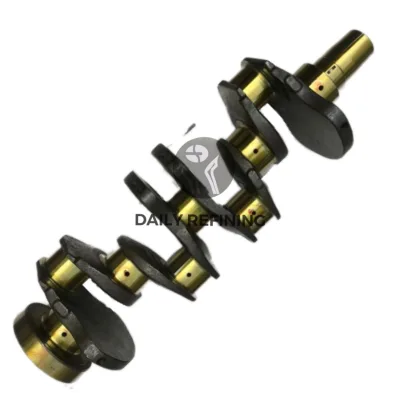


C13 Diesel Engine Parts Crankshaft 313-3997 for ©Cat© E345D E349d Excavator
$350.00 - $390.00
MOQ: 1 Pieces

Wholesale Crankshaft 313-3997 3133997 for ©Cat© E345D E349d Excavator Engine
$350.00 - $390.00
MOQ: 1 Pieces


High Performance Crankshaft 364-2829 for ©Cat© C4.4 Engine Spare Parts
$140.00 - $220.00
MOQ: 1 Pieces

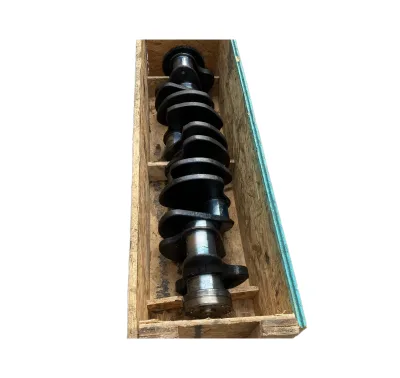
Second-hand CAT3412 Engine Crankshaft for Generator Set or Diesel Engine Part
$5628.88 - $5680.05
MOQ: 1 pieces
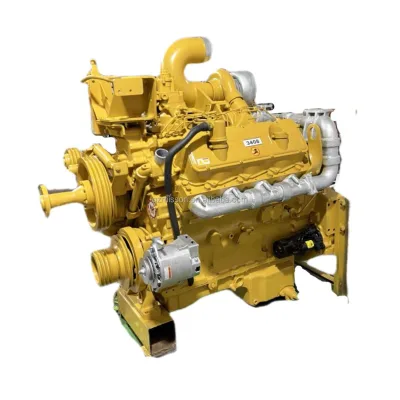
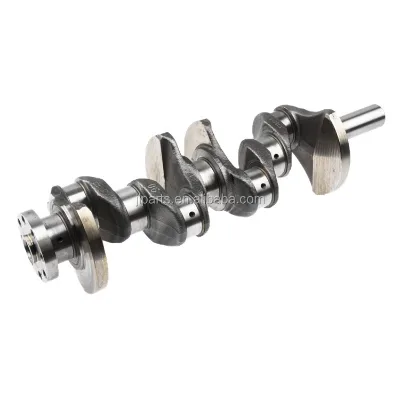
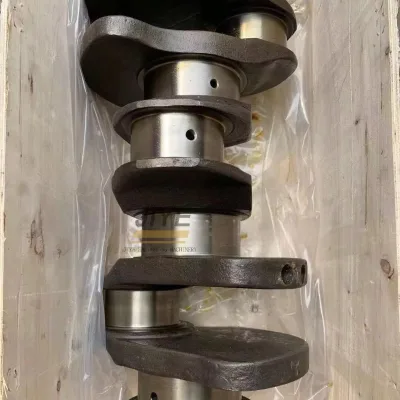

345c 345D 349d 349d2 C13 313-3997 221-9364 361-5594 3133997 2219364 3615594 Crankshaft
$785.71 - $808.82
MOQ: 1 Pieces
Comprehensive Sourcing Guide
Strategic Sourcing Guide for CAT 3408 Engine Crankshafts
The procurement of heavy-duty engine components, specifically the crankshaft for the Caterpillar 3408 engine, requires a disciplined approach that balances technical precision with supply chain reliability. For buyers in the industrial machinery sector, the 3408 crankshaft is not merely a replacement part but a critical asset that dictates the operational longevity of the entire power unit. This guide synthesizes observed market data and technical attributes to provide a framework for evaluating suppliers, verifying product integrity, and managing procurement risks without relying on unverified claims.
Technical Specifications and Material Integrity
Understanding the physical and engineering characteristics of the crankshaft is the first step in any sourcing strategy. Based on available product attributes, the 3408 crankshaft is designed for heavy-duty diesel applications. The material composition is a primary differentiator in the market; observed listings indicate the availability of crankshafts manufactured from both Cast Iron and Forged Steel. Buyers must recognize that these materials offer distinct performance profiles. Forged steel typically provides superior tensile strength and fatigue resistance, making it preferable for high-stress environments, whereas cast iron variants may be suitable for specific load conditions or cost-sensitive applications.
The part identification is critical for ensuring compatibility. The product data explicitly links the model number "Cat 3408" with specific part numbers such as "1W5009" and "1W9771." When sourcing, the buyer must verify that the listed OE (Original Equipment) numbers match the specific serial number of the engine in question. The market also lists other related models, such as the Cat 3516, Cat C7.1, and Cat C13, which utilize different part numbers like "506-1982" or "2219364." Confusion between these models can lead to procurement errors. Therefore, the technical specification sheet must clearly state the engine model, the specific part number, and the material type before an order is placed. The standard component status of these parts suggests they are designed to meet established engineering tolerances, but the physical condition of the unit must be confirmed as "New" or "Brand New" to ensure optimal performance.
Compliance, Certification, and Quality Verification
In the global machinery market, compliance is often a source of ambiguity. While the provided data does not list specific third-party certifications for every listing, it notes the presence of ISO certification in the context of the engine type. Buyers should treat this as a baseline requirement rather than a guarantee for every individual crankshaft unit. The absence of explicit certification data in the general listing implies that the buyer must request specific documentation from the supplier. This includes mill test reports for the steel or iron used, and any relevant quality management system certificates that the manufacturer holds.
Quality is another critical dimension. The observed attributes list "Quality" as either "Brand New" or "OEM." This distinction is vital for the procurement process. "Brand New" implies a fresh manufacturing cycle, while "OEM" can sometimes refer to parts manufactured to original specifications but potentially sourced from different production lines or batches. To mitigate risk, buyers should verify the "Condition" attribute, which is consistently listed as "New" in the high-confidence data. Furthermore, the "Standard Component" designation suggests that the part adheres to a baseline industry standard, but the buyer must confirm the specific "prod_standard" or "STANDARD PACKAGE" details to ensure the packaging and handling meet the requirements for heavy industrial transport.
Cost Drivers and Pricing Dynamics
The pricing landscape for the CAT 3408 crankshaft is highly variable, reflecting the diversity of the supply chain. Observed data indicates a price range spanning from $1 to $14,980 USD. This extreme variance is not indicative of a single product but rather a reflection of the differences in material quality, manufacturing origin, and the specific part number being sourced. A crankshaft listed at the lower end of this spectrum may be a cast iron variant or a generic replacement, while the higher-end figures likely correspond to forged steel units with full OEM documentation and specific engineering certifications.
Several factors drive these costs. The material type is the primary driver; forged steel is inherently more expensive due to the manufacturing process and material properties. Additionally, the "Delivery Time" varies significantly, ranging from 7 days to 60 days. Expedited shipping or immediate availability often commands a premium price. The "MOQ" (Minimum Order Quantity) also plays a role; while some suppliers list an MOQ of 1 PC, others may require higher volumes, which can affect the unit price. Buyers must analyze the total cost of ownership, including the potential downtime costs of a failed part, rather than focusing solely on the sticker price. The payment terms, which include TT, LC, and Western Union, also influence the financial structure of the deal, with Letters of Credit (LC) often being preferred for high-value transactions to mitigate payment risk.
Typical Applications and Operational Context
The versatility of the CAT 3408 crankshaft is evident in its wide range of applications. The product attributes explicitly list usage in Boats, Tractors, Lawnmowers, and Excavators. This broad application scope means that the same component may be sourced for marine propulsion systems, agricultural machinery, or heavy construction equipment. However, the specific requirements for each application differ. For instance, a crankshaft used in a marine environment may require additional corrosion protection or specific sealing characteristics that are not relevant for a stationary tractor engine.
The table below summarizes the observed application domains and their associated considerations for the buyer:
| Application Domain | Key Considerations |
|---|---|
| Boat | Corrosion resistance, vibration dampening, marine-grade sealing compatibility. |
| Tractor | High torque capacity, durability under variable load conditions. |
| Lawnmower | Precision balance, compatibility with smaller engine blocks. |
| Excavator | Extreme stress tolerance, high-cycle fatigue resistance. |
Buyers must ensure that the selected crankshaft is not only mechanically compatible with the engine model but also suitable for the specific operational environment. The "Application" attribute serves as a checklist for these requirements, but the buyer must validate that the specific unit meets the demands of the intended machinery.
Supplier Evaluation and Lead Time Management
Selecting a reliable supplier is paramount when dealing with critical engine components. The data indicates that the "prod_origin" is China, which is a common hub for heavy machinery parts manufacturing. However, the origin alone does not guarantee quality. Buyers should evaluate suppliers based on their ability to provide clear documentation, their response time to technical inquiries, and their track record with similar orders. The "Customization" attribute being "Available" suggests that some suppliers may offer tailored solutions, such as specific machining tolerances or coating options, which can be a significant advantage for specialized applications.
Lead time management is another critical factor. The observed delivery times range from 7 days to 60 days. A 7-day delivery time suggests a stock item or a highly efficient local supply chain, whereas a 60-day lead time may indicate a custom manufacturing run or a complex logistics chain. Buyers must align their procurement schedule with these lead times to avoid production delays. The "Delivery Time" of 7 days is frequently mentioned, but the broader range of 7-60 days requires careful planning. For critical repairs, the shorter lead time is preferable, but the buyer must verify the stock availability to ensure the promise is met.
Quality Control and Long-Term Procurement Strategy
Implementing a robust quality control (QC) protocol is essential for mitigating the risks associated with sourcing industrial parts. Given the variation in material (Cast Iron vs. Forged Steel) and the wide price range, buyers should insist on pre-shipment inspections. This includes verifying the part number, checking the physical condition, and reviewing the material certification. The "prod_packing" attribute, which lists "Wooden Case with Pallet" or "Normal Packing," indicates that packaging standards vary. For heavy components like crankshafts, a wooden case with a pallet is generally preferred to prevent damage during transit.
Long-term procurement should focus on building relationships with suppliers who demonstrate consistency in quality and delivery. The "Warranty" of 12 months is a standard offering observed in the data, providing a safety net for early failures. However, buyers should clarify the terms of this warranty, including what constitutes a defect and the process for claims. Additionally, the "Payment Term" flexibility, including T/T, LC, and Western Union, allows buyers to structure deals that balance risk and cash flow. By maintaining a clear record of part numbers, supplier performance, and quality outcomes, buyers can refine their sourcing strategy over time, ensuring a steady supply of reliable crankshafts for their fleet of CAT 3408 engines.
Conclusion
Sourcing the Cat 3408 Engine Crankshaft requires a methodical approach that prioritizes technical accuracy, supplier reliability, and clear communication of requirements. By carefully analyzing the material specifications, verifying part numbers, and understanding the cost drivers, buyers can navigate the complex market effectively. The wide range of applications and the variability in lead times and pricing underscore the need for due diligence. Ultimately, a successful procurement strategy relies on treating product attributes as observations to be verified rather than absolute claims, ensuring that every purchased component meets the rigorous demands of heavy-duty diesel applications.
FAQs
What materials are used for the Cat 3408 Engine Crankshaft?
The crankshaft is available in both cast iron and forged steel variants. Buyers must verify the specific material type listed for their order, as forged steel offers superior tensile strength for high-stress environments while cast iron suits specific load conditions.
Which OE numbers correspond to the Cat 3408 Engine Crankshaft?
Common OE numbers include 1W5009 and 1W9771 for the Cat 3408 model. Other related models like the Cat 3516 use different numbers such as 506-1982, so verifying the exact engine model and part number is essential before purchasing.
Can I find suppliers offering customization for this crankshaft?
Yes, customization is available for this component according to product attributes. Buyers should confirm specific machining tolerances or coating options with the supplier, as this service allows for tailored solutions to meet specialized application requirements.
How long is the delivery time for the Cat 3408 Engine Crankshaft?
Delivery times typically range from 7 to 60 days depending on the supplier. A seven-day lead time often indicates stock availability, while longer periods may reflect custom manufacturing or complex logistics chains requiring careful planning.
What warranty is provided for the new Cat 3408 Engine Crankshaft?
A standard warranty of 12 months is commonly offered for these new units. Buyers should clarify the specific terms regarding defects and the claims process to ensure protection against early failures in their heavy-duty diesel applications.
Which applications support the use of this Cat 3408 Engine Crankshaft?
This crankshaft is designed for use in boats, tractors, lawnmowers, and excavators. The specific operational environment dictates requirements, such as corrosion resistance for marine use or high torque capacity for agricultural machinery.