Source CE Belt Cutting Machine for PVC, Leather, and Rubber
Find 30 verified CE Belt Cutting Machine options for PVC pipes, leather, and rubber materials. Compare specifications like cutting precision, speed, and power to select the right industrial cutter for your production needs; compare the available evidence and request quotations based on your requirements.
Updated
Key considerations
Products List
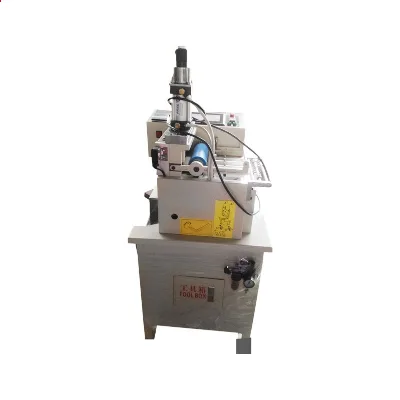
$3319.6639 - $3630.8824
MOQ: 1 sets
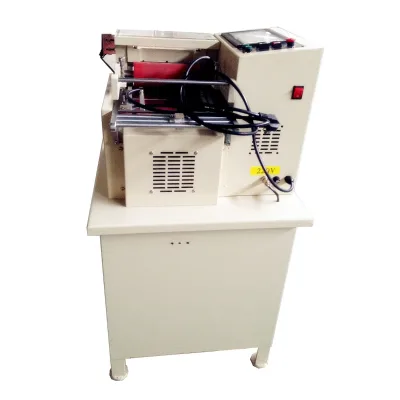


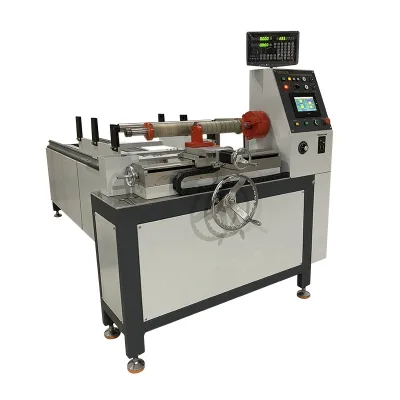
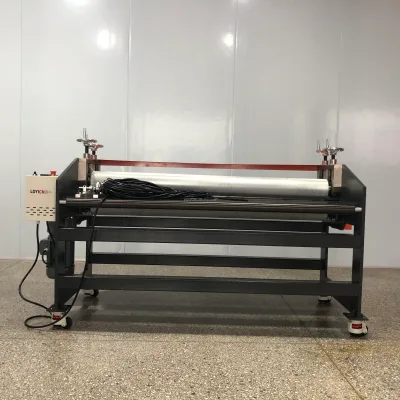
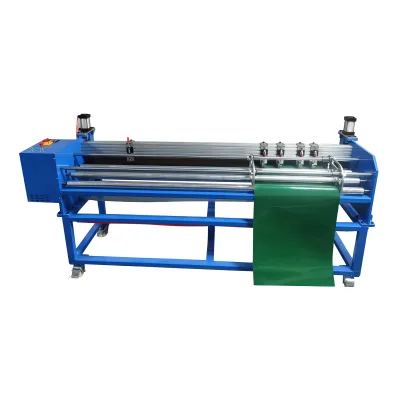
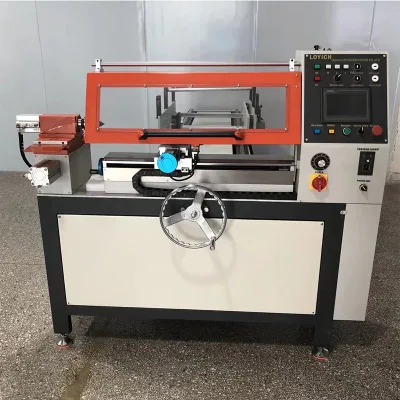
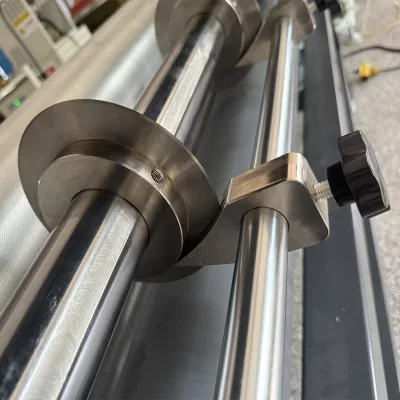
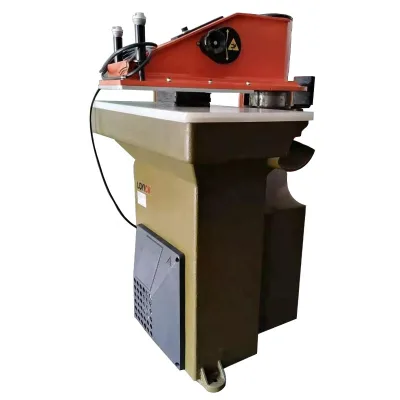

$3956.00 - $5063.00
MOQ: 1 Pieces

$3956.00 - $5063.00
MOQ: 1 Pieces


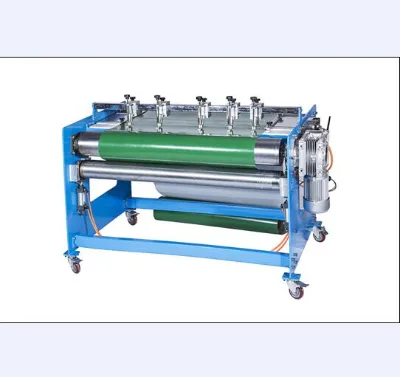

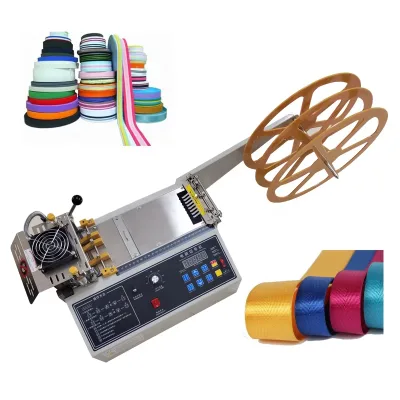
Hot Automation Multi Functional Knife Ribbon Cutter Timing Belt Cutting Label Cutting Machine
$417.2709 - $469.4298
MOQ: 1 sets
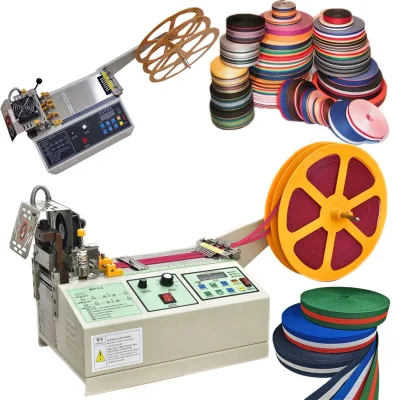
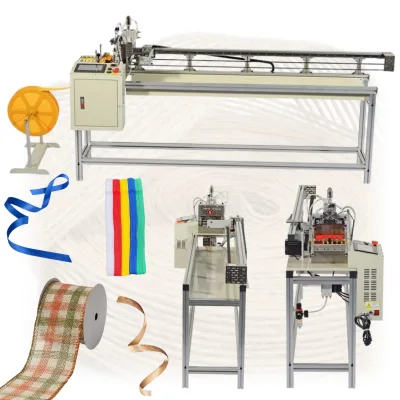
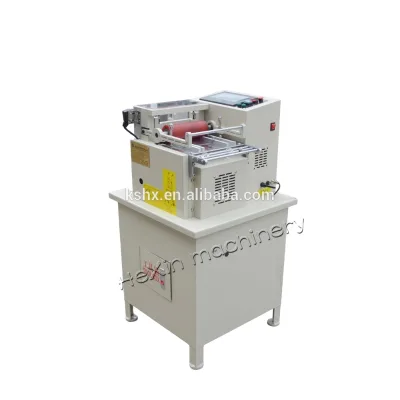
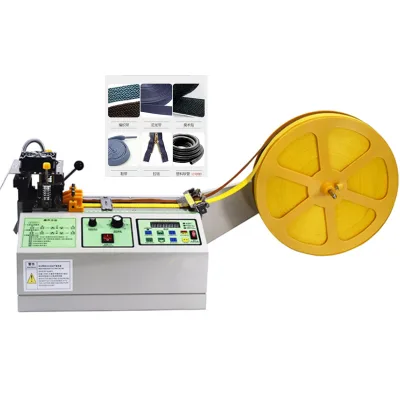
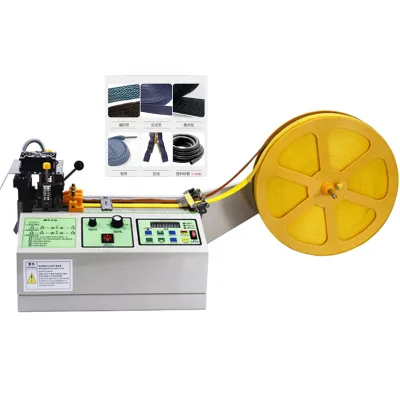
High Efficiency Hot Cut Satin Ribbon Cutting Machine Belt Cutting Machine
$202.8756 - $407.799
MOQ: 1 sets
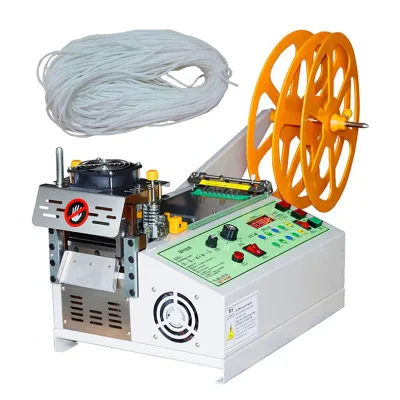
Commercial Machine Cut Tape Timing Belt Cutting Machine Leather Belt Cutting Machine
$203.5722 - $409.1997
MOQ: 1 sets


Comprehensive Sourcing Guide
CE Belt Cutting Machine Sourcing Guide
Sourcing a CE-certified belt cutting machine requires careful evaluation of both mechanical precision and regulatory compliance. Buyers must distinguish between machines marketed for leather applications and those designed for rubber or PVC materials, as the core components and cutting tolerances vary significantly. The observed market includes models with PLC-controlled automation and specific power ratings, such as 1/4 HP or 0.75 kW units, which dictate operational efficiency and energy consumption. Understanding these technical distinctions is the first step in aligning equipment capabilities with production volume requirements.
Verification of the CE mark is critical for ensuring the machinery meets European safety and electromagnetic compatibility standards. While some listings explicitly state CE ISO certification, buyers should confirm that the documentation is valid for the specific model and voltage configuration, such as 220V or 220/380V systems. This guide focuses on evidence-based procurement strategies, helping buyers navigate the complexities of importing industrial cutters from manufacturers in Jiangsu, China, while mitigating risks associated with non-compliant equipment or mismatched technical specifications.
Product Scope and Observed Listing Signals
The current market for belt cutting machines presents a diverse range of options, primarily categorized by material application and automation level. Listings indicate a strong presence of automatic grade machines, including specific models like the DP-160 and DP-160A, which are branded under names such as DP and DAPENG. These machines are often described with key selling points like "Automatic" and "Computerized," suggesting integrated control systems that reduce manual intervention. Buyers should note that while some units are labeled for leather belt cutting, others are explicitly identified for rubber or even PVC pipe cutting, highlighting the need to verify the intended material compatibility before purchase.
Observed listing signals reveal significant variation in physical dimensions and cutting capacities. For instance, one model measures 600x700x1000mm with a cutting width of 160mm, while another is slightly larger at 700x700x1100mm. The cutting precision is a critical differentiator, with some machines offering a tolerance of 0.05mm and others specifying 0.1mm accuracy. Additionally, the cutting speed ranges from 100 to 120 cuts per minute, and the cutting length can be programmed from 0.1 to 9999.9 mm. These parameters directly impact throughput and quality, making it essential for buyers to match these observed specifications with their specific production line requirements.
Technical Specifications to Verify
When evaluating the technical core of a belt cutting machine, the PLC and motor specifications are paramount for ensuring reliable operation. Listings show that core components typically include a PLC and motor, with some models also listing an engine, which may indicate a specific power transmission design. The power rating varies, with observations of 1/4 HP, 1/2 HP, and 0.75 kW units, necessitating a check against local voltage standards, such as 220V or 220/380V. Buyers must verify that the electrical configuration matches their facility’s infrastructure to avoid costly retrofits or operational failures during commissioning.
Material handling capabilities and mechanical precision are equally important verification points. The material thickness range is observed to be between 0.5mm and 15mm, which defines the maximum gauge the machine can process effectively. Cutting width specifications are consistently noted around 160mm, but buyers should confirm if adjustable widths are available for different belt sizes. Furthermore, the blade material, often stainless steel, and the classification as a double-blade cutter or industrial cutter, influence durability and cut quality. Verifying the machinery test report, which is provided in some listings, offers additional assurance of mechanical integrity before finalizing the procurement decision.
Compliance and Safety Documentation
The CE certification is a fundamental requirement for importing machinery into the European market, ensuring adherence to strict safety and performance directives. Buyers must request the official Declaration of Conformity and verify that the certification covers the specific model number, such as DP-160 or DP-160A. It is crucial to distinguish between general CE marking and more comprehensive certifications like CE ISO, as the latter may indicate additional quality management standards. Ensuring that the documentation is up-to-date and issued by a recognized notified body protects the buyer from customs delays and potential liability issues related to machine safety.
Beyond certification, comprehensive technical documentation is essential for safe operation and maintenance. Listings indicate that machinery test reports are provided, which should be reviewed to confirm that safety interlocks and emergency stop functions meet regulatory standards. Buyers should also verify that the user manual includes clear instructions for voltage-specific operations and maintenance procedures. The availability of video technical support and online support, as noted in after-sales service attributes, suggests that manufacturers are prepared to assist with compliance-related queries, but buyers must ensure these resources are accessible in their preferred language and time zone.
Cost Drivers and Commercial Terms
Several factors influence the final cost of a belt cutting machine, including power consumption, automation level, and packaging requirements. The observed price range spans from approximately $202.88 to $40,000, reflecting the vast difference between basic manual units and fully automated, computerized systems with advanced PLC controls. Buyers should consider that higher precision, such as 0.05mm tolerance, and faster cutting speeds of 100-120 cuts per minute, typically command a premium. Additionally, the weight of the machine, ranging from 83kg to 200kg, impacts shipping costs, especially when packed in wooden cases for international dispatch from ports like Shanghai.
Commercial terms and supply ability are critical components of the procurement negotiation. Suppliers often quote a minimum order quantity (MOQ) of 1 unit, allowing for flexible trial purchases, but supply ability varies, with some manufacturers offering 50 to 100 sets per month. Warranty terms are commonly listed as 12 months, covering core components and providing free spare parts. Buyers should clarify whether field installation, commissioning, and training services are included in the base price or charged separately, as these services significantly affect the total cost of ownership and initial operational readiness.
Supplier Qualification and Quality Control
Evaluating supplier qualifications is essential to ensure long-term reliability and support. Many manufacturers highlight extensive experience, such as 20 years in the industry, which can be a strong indicator of technical maturity and stability. Buyers should verify the supplier’s ability to provide customization, as some listings indicate that custom options are available for specific cutting requirements. Additionally, checking the supplier’s supply chain transparency and their ability to meet the stated supply ability of 50-100 sets per month helps ensure consistent production capacity and timely delivery for larger orders.
Quality control processes should be rigorously assessed before placing an order. The provision of machinery test reports is a positive signal, but buyers should request detailed test data to verify cutting precision and mechanical stability. It is advisable to confirm that the supplier offers comprehensive after-sales service, including field maintenance, repair services, and video technical support. These services are crucial for minimizing downtime and ensuring that the machine continues to operate within specified tolerances, such as 0.1mm or 0.05mm, throughout its lifecycle.
Long-Term Procurement Checks
Long-term procurement success depends on the availability of spare parts and the quality of technical support. Buyers should confirm that the supplier provides free spare parts for a defined period and has a clear protocol for ordering replacements. The availability of online support and video technical support is vital for troubleshooting issues without requiring immediate on-site visits. Ensuring that the supplier can provide field installation and commissioning services, if needed, adds significant value, particularly for complex automated systems that require precise calibration to achieve optimal cutting performance.
Regular maintenance and performance monitoring are key to extending the machine’s operational life. Buyers should establish a preventive maintenance schedule based on the manufacturer’s recommendations, focusing on the PLC, motor, and blade components. Keeping detailed records of cutting precision, speed, and any deviations from normal operation helps in early detection of potential issues. By maintaining strong communication with the supplier and utilizing the provided warranty and support services, buyers can ensure that their investment in a CE Belt Cutting Machine delivers consistent value and meets production goals over time.
FAQs
What certifications do the belt cutting machines have?
The machines hold CE and ISO certifications, ensuring compliance with international safety and quality standards. This verification supports reliable operation and regulatory adherence for industrial buyers seeking certified equipment for their manufacturing processes.
What is the cutting precision of the DP-160 model?
The DP-160 model achieves a cutting precision of 0.1 mm and a tolerance of 0.05 mm. This high accuracy ensures consistent results for leather and rubber materials, minimizing waste and maintaining product quality during production.
Can the machine handle materials up to 15mm thick?
Yes, the machine supports material thickness ranging from 0.5mm to 15mm. This versatile capacity allows it to process various leather and rubber sheets effectively, accommodating diverse industrial cutting requirements without compromising performance or speed.
What after-sales services are provided for these machines?
Services include free spare parts, field installation, commissioning, training, maintenance, repair, online support, and video technical assistance. These comprehensive options ensure long-term operational reliability and quick resolution of any technical issues for global buyers.
What is the warranty period for the cutting machines?
The warranty period is 12 months, covering core components like the PLC and motor. This guarantee provides buyers with confidence in the machine's durability and performance, supported by video technical support and online assistance during the coverage term.
What is the supply ability for these belt cutting machines?
The supply ability is 100 sets per month for the leather belt cutting machine and 50 sets per month for the automatic rubber version. This capacity ensures timely delivery for bulk orders while maintaining consistent manufacturing quality and standards.