PE Foaming Sheet Machine Suppliers and Manufacturers
Find 15 verified suppliers offering PE Foaming Sheet Machine options with varying lead times, response speeds, and certifications. Compare dimensions like location, price, and warranty before contacting factories for quotes; review the available evidence before requesting comparable quotations from suitable candidates.
Updated
Suppliers List

Longkou Fuchang Packing Machinery Co., Ltd.
- Combined
- China Shandong
- Lead time23 days
- Avg. response≤ 8h
Main productsEPE Foam Sheet Extrusion Line, EPE Foam Fruit Net Extruder, EPE Foam Rod/Pipe/Stick/Profile Extrusion Line, EPE Foam Sheet Laminating Machine, EPE Foam Sheet Thickner, EPE Recycling Machine, Egg Tray Machine, Hot Press Machine, PS Foam Sheet Extrusion Line, PS Automatic Vacuum Forming Machine
Main marketsSouth America,Africa,Southeast Asia/ Mideast,East Asia(Japan/ South Korea),Domestic,Europe,North America
Longkou Fuchang Packing Machinery Co., Ltd.
- Manufacturer, Trading Company
- Shandong, China
- Lead time60 days
- Avg. response≤ 9h
Main productsPulp Moulding Machine/Paper Egg Tray Machine/PS Foam Food Container Production Line/EPE Foam Extrusion Line,EPE foam Extrusion Line,PS foam food container production line
Main marketsDomestic Market(61.00%), Africa(10.00%), South America(10.00%), Eastern Europe(4.00%), Southeast Asia(4.00%), North America(2.00%), South Asia(2.00%), Mid East(2.00%), Oceania(2.00%), Central America(1.00%), Eastern Asia(1.00%), Southern Europe(1.00%)
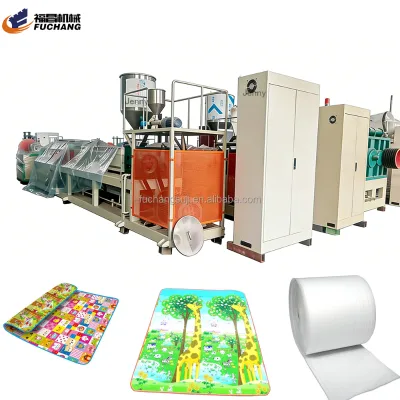
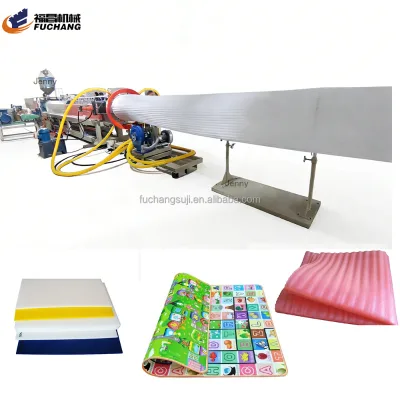
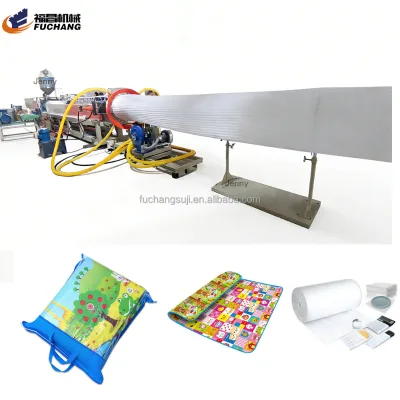
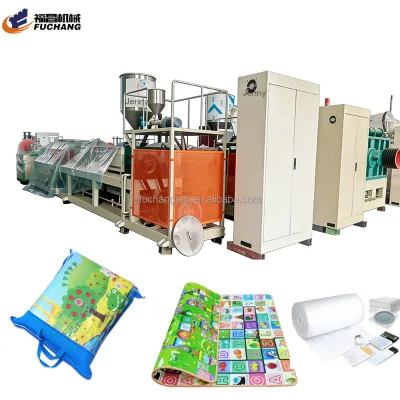
Pe Sheet Cushion Foaming Machinery
$25000.00
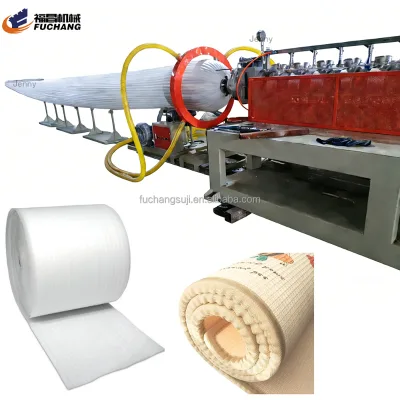
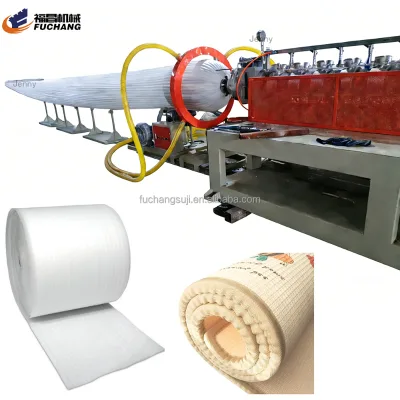
Longkou Shuangji Mechanical Equipment Co., Ltd.
- Manufacturer, Trading Company
- Shandong, China
- Lead time30 days
- Avg. response≤ 2h
Main productsPS Foam Food Box Machine,PE Foam Sheet Machine,Egg Tray Machine,Plastic Package Machine
Main marketsSouth Asia(15.00%), Southeast Asia(15.00%), Africa(15.00%), Eastern Europe(10.00%), Domestic Market(9.00%), Central America(5.00%), Western Europe(5.00%), Mid East(5.00%), Southern Europe(5.00%), South America(5.00%), North America(5.00%), Northern Europe(2.00%), Eastern Asia(2.00%), Oceania(2.00%)

Chongqing Bishan Jiecheng Plastic Co., Ltd.
- Trading Company,Manufacturer/Factory,Group Corporation
- China Chongqing
- Lead time38 days
- Avg. response≤ 16h
Main productsEPE Foam Sheet Machine, EPE Foam Pipe/Rod Machine, EPE Foam Net Machine, EPE Foam Recycling Machine, EPE Foam Thickening/Bonding Machine, EPE Foam Slitting and Cutting Machine, EPE Bag Making Machine, EPE Film Lamination Machine, EPE Online Auto Cutting Machine, PS Recycling Machine
Main marketsSouth America,Eastern Europe,Mid East,North America,Southeast Asia,Eastern Asia,Oceania,Western Europe,Africa
Laizhou Jinlida Machinery Co., Ltd.
- Verified by Intertek
- Manufacturer, Trading Company
- Lead time20 days
- Avg. response≤ 1h
Main productsEpe Foam Machine
Main marketsDomestic Market(55%), Africa(20%), Mid East(5%)
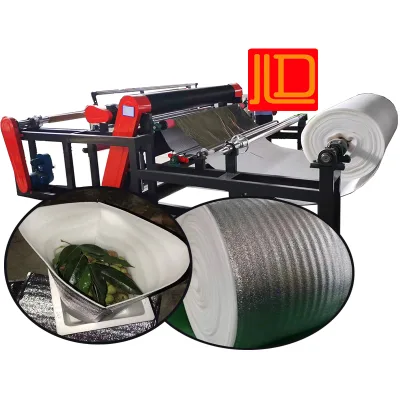
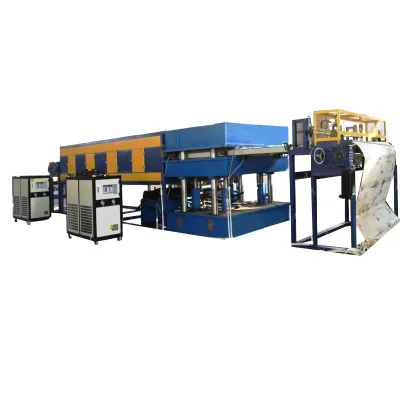
Epe Foam Sheet Embossing Machine
$50000.00 - $70000.00
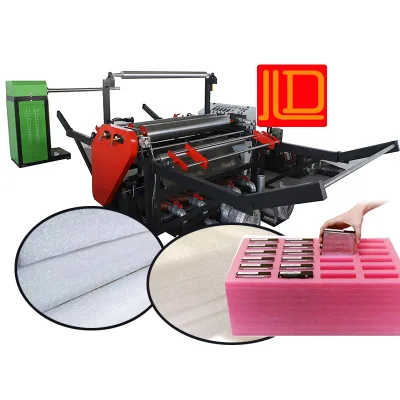
After-sales Service Provided Horizontal Type Epe Foam Sheet Thickening Machine
$8288.0794 - $13468.129
MOQ: 1 sets
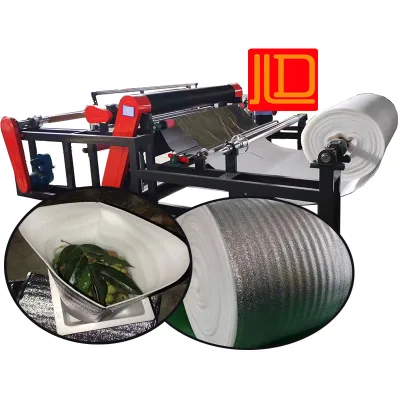
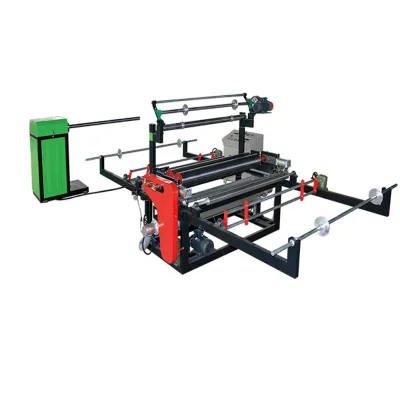
Qb Intelligent Machinery Co., Ltd.
- Manufacturer
- Guangdong, China
- Lead time0 days
- Avg. response≤ 5h
Main productsHot Plate Welding Machine,PE Planks Hot Air Laminator,Hot Plate Bonding Machine,Vertical & Horizontal Slitting Machine,EPE Foam Planks Hot Cutting Machine
Main marketsWestern Europe(20.00%), South Asia(20.00%), North America(20.00%), Eastern Europe(15.00%), Domestic Market(10.00%), Northern Europe(10.00%), South America(5.00%)
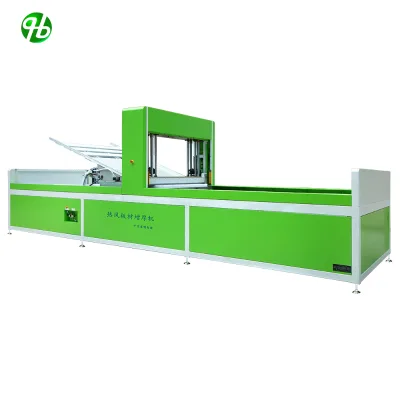
Polyethylene PE Foam Lamination Sheet Making Machine
$30770.00 - $46154.00
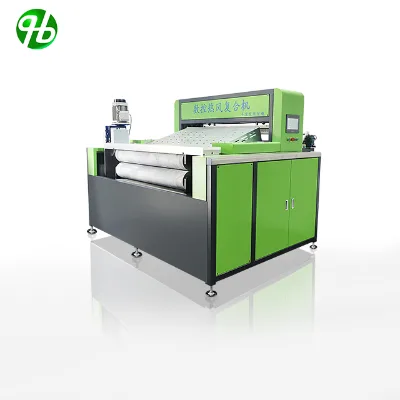
PE Foam Roll Bonding Machine EPE Foam Roll Laminating Machine EPE Foam Sheet Thickening Machine
$26865.68 - $27692.31
MOQ: 1
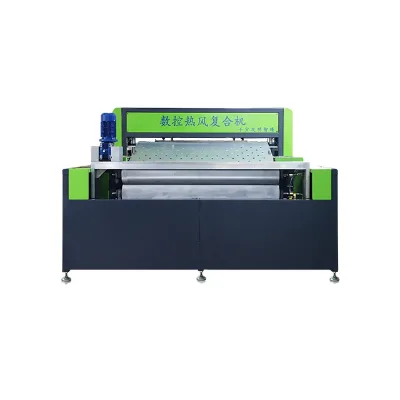

Shandong Tongjia Machinery Co., Ltd.
- Verified by TUVRHEINLAND
- Combined
- China Shandong
- Lead time60 days
- Avg. response≤ 6h
Main productsPlastic Machine, Plastic Machinery, Plastic Foam Machine, Plastic Net/Mesh Machine, Plastic Pipe Machine, WPC Machine, Wood Plastic Machinery, Plastic Packing Machinery, Blow Molding Machine, Plastic Injection Machine
Main marketsAfrica,Southeast Asia/ Mideast,North America

Plastic EPE Foam Extruder Extrusion Machine PE EPE Foam Film Sheet Machine
$49999.00 - $169999.00
MOQ: 1 Sets


Longkou Fushi Packing Machinery Co., Ltd.
- Verified by SGS Group
- Manufacturer, Trading Company
- Lead time45 days
- Avg. response≤ 5h
Main productsPS Foam Food Container Production Line, EPE Foam Extruder, Knotless Net Machine, XPE Wall Paper Sticker Production Line, Fruit Cleaning Machine
Main marketsDomestic Market(20%), Africa(17%), Southeast Asia(16%)
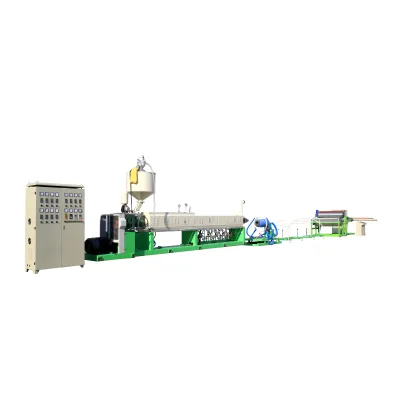
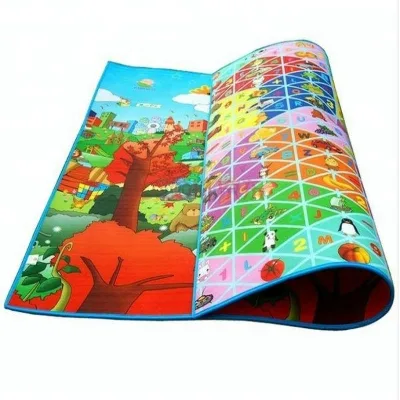
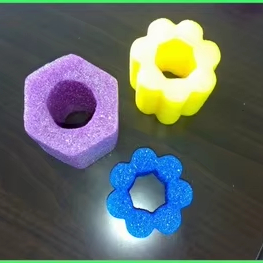
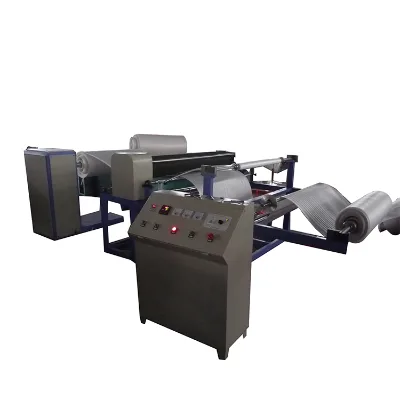
China Foamed Polyethylene Sheet Making Machine/PE Foam Sheet Extruder/EPE Foam Sheet Production Line
$32788.969 - $34325.9519
MOQ: 1 sets

Qingdao Leader Machinery Co., Ltd.
- Trading Company,Manufacturer/Factory
- China Shandong
- Lead time45 days
- Avg. response≤ 16h
Main productsPlastic Machinery, Plastic Extrusion Line, Plastic Extruder, Sheet Extrusion Line, Sheet Extruder, PP PC Hollow Sheet Extrusion Line, Pet PP PS Sheet Extrusion Line, PC Sunshine Roofing Panel Extrusion Line, PC PMMA PS Sheet Extrusion Line, PP PE Foam Board Extrusion Line
Main marketsSouth America,Eastern Europe,Mid East,North America,Southeast Asia,Eastern Asia,Oceania,Western Europe,Africa
Longkou deyi machinery group co.,ltd
- Verified by SGS Group
- Manufacturer, Trading Company
- Lead time60 days
Main productsPlastic Package Equipment, Foam Machine, Mask Machine, Paper Pulp Machine, Nitrile Gloves Production Line
Main marketsSouth Asia(20%), Africa(18%), Mid East(16%)
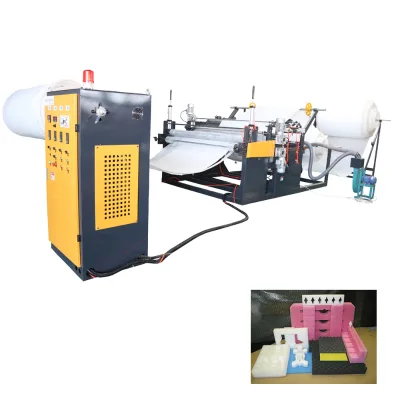
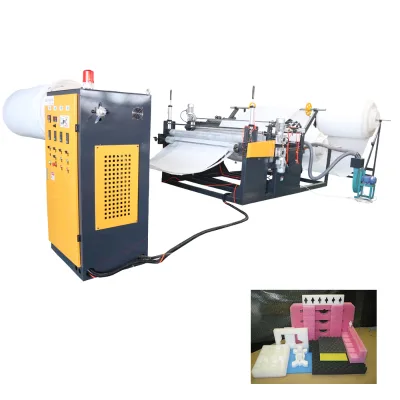
High-Speed Thermal PE Thicken Equipment EPE Foam Sheet Bonding Thickening Machine for Foam Mattress
$16837.6969
MOQ: 1 Minimum
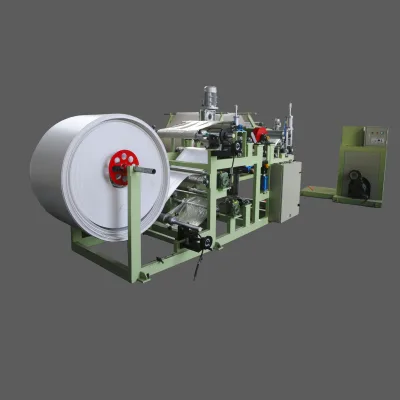
China Supplier High Quality PE/EPE Sheet Film Foam Laminating Machine
$12000.00 - $15000.00
MOQ: 1 sets
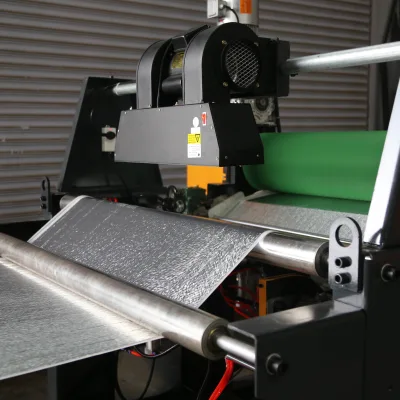
Baby Crawling Pad Making Equipment EPE Foam Sheet Extrusion Line Foam Film Laminating Machine
$13266.0642 - $15306.9972
MOQ: 1 sets
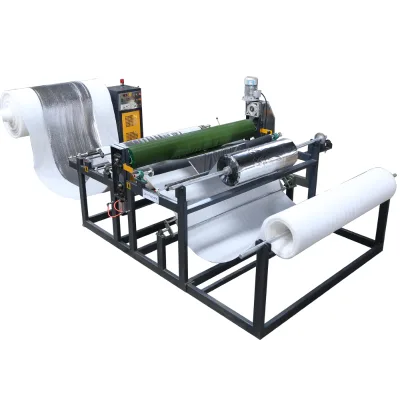
Automatic Polyethylene Foam Sheet Laminating Machine for Mattress
$13266.0642 - $15306.9972
MOQ: 1 sets
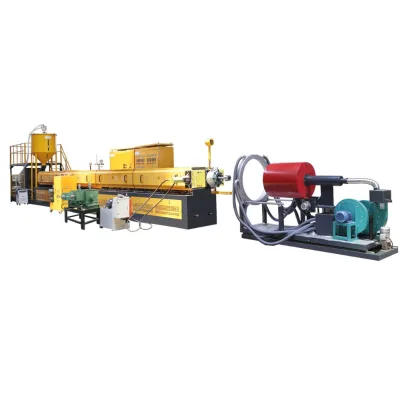
Longkou Tongyi Machinery Equipment Co., Ltd.
- Verified by TüVRheinland
- Manufacturer, Trading Company
- Lead time60 days
- Avg. response≤ 3h
Main productsPlastic Package Equipment, Building Board Making Machine, Paper Pulp Machine, Nitrile Gloves Production Line, Latex Gloves Production Line
Main marketsSouth Asia(22%), Africa(18%), Mid East(15%)
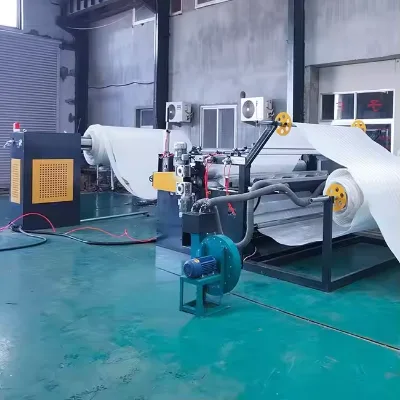
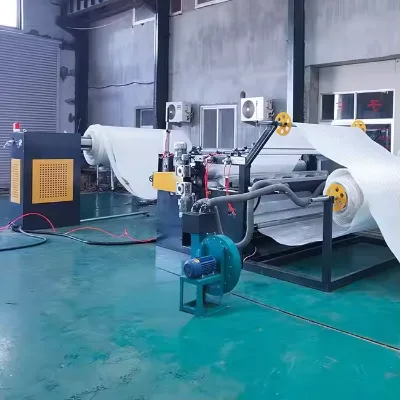
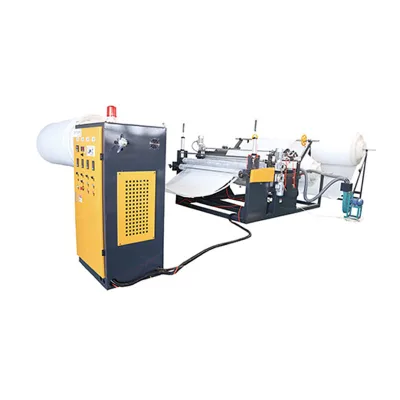
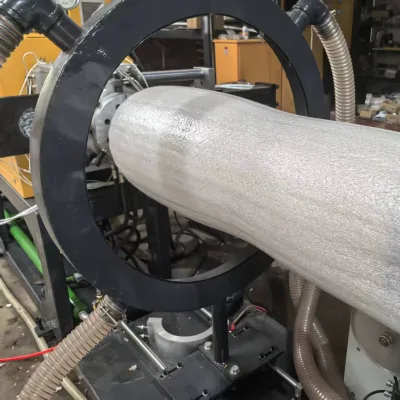
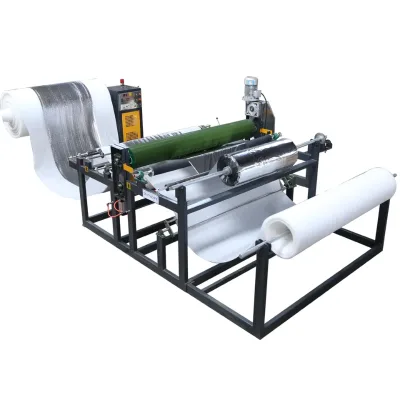
EPE Polyethylene, expanded PE Foam Sheet Bonding/ Thickening Machine/ Lamination Machine
$15465.1992
MOQ: 1 Minimum
Longkou Fushi Packing Machinery Co., Ltd.
- Manufacturer, Trading Company
- Lead time旺季: "1 - 1":60,"> 1":"To be negotiated", 淡季: "1 - 1":60,"> 1":"To be negotiated"
- Avg. response≤ 6h
Main productsPS Foam Food Container Machine, EPE Machine, Air Conditioning Insulation Pipe Machine, Knotless Net Machine, Fruit Sorting Machine
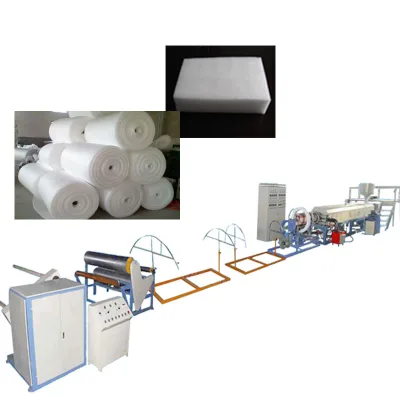
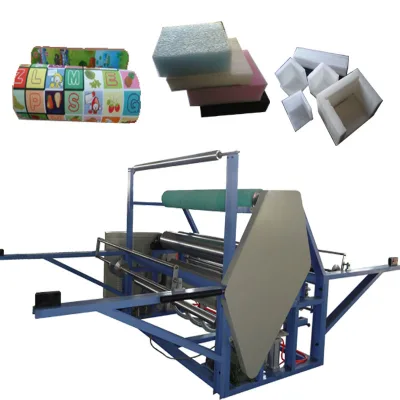
High Quality Pearl Foam Sheet Extruder Machine
$29000.00 - $30000.00
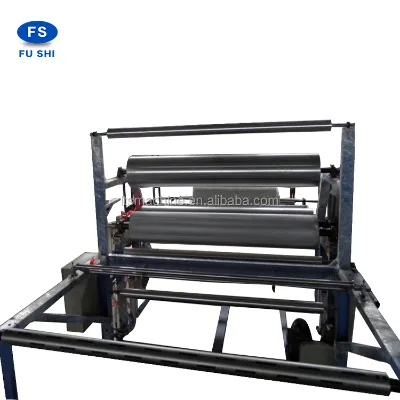
Manufacturer EPE/ PE Pear Cotton Foam Sheet Thickening Machine
$7000.00 - $8000.00
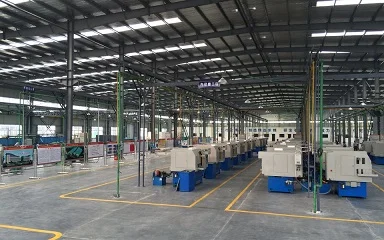
Longkou Leading Machinery Co., Ltd.
- Manufacturer, Trading Company
- Shandong, China
- Lead time0 days
- Avg. response≤ 4h
Main productsTarpaulin Machinery,Packing Machinery,Plastic Machinery,Aluminum Aerosol Can Line,Pulp Moulding Machine
Main marketsNorthern Europe(100.00%), Western Europe(100.00%), Eastern Asia(100.00%), Central America(100.00%), Domestic Market(100.00%), Mid East(100.00%), Oceania(100.00%), Southern Europe(100.00%), Southeast Asia(100.00%), Africa(40.00%), South America(30.00%), South Asia(10.00%), Eastern Europe(10.00%), North America(10.00%)

Wenzhou Shuanglong Machinery Co., Ltd.
- Combined
- China Zhejiang
- Lead time15 days
- Avg. response≤ 4h
Main productsEmbossing Machine, Extrusion Laminating Machine, Slitting Machine, Paper Stick Machine, Laminating Machine, Slitter Rewinder Machine, Paper Embossing Machine, Printing Machine, Bag Making Machine, Film Blowing Machine
Main marketsAfrica,Southeast Asia/ Mideast

Shanghai Maxtech Plastic Machinery Co., Ltd.
- Manufacturer/Factory
- China Shanghai
- Lead time120 days
- Avg. response≤ 7h
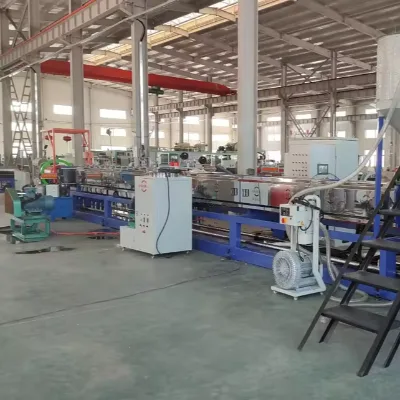
Main productsPlastic Extruder, Plastic Sheet Extruder, Plastic Board Extruder, Plastic Forming Sheet Extrusion, Pet Sheet Extrusion Line, PP PS Sheet Extrusion, PVC Sheet Extruder Llne, PE High Barrier Sheet Extrusion Machine
Main marketsSouth America,Eastern Europe,Mid East,North America,Southeast Asia,Eastern Asia,Western Europe,Africa


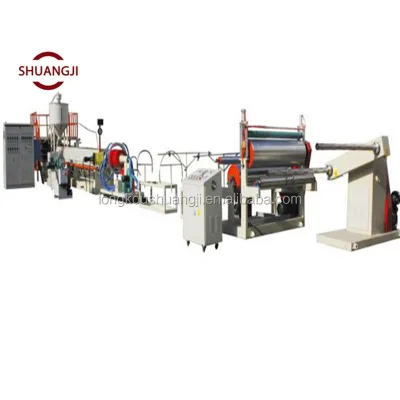


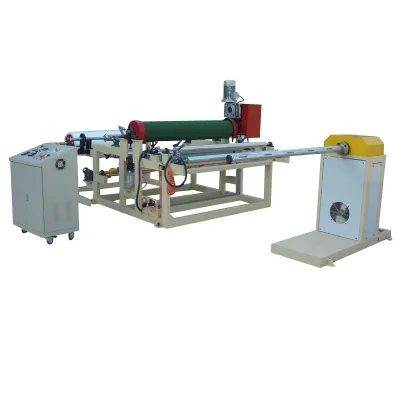
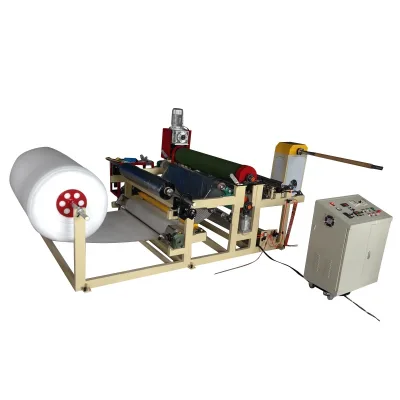


Comprehensive Sourcing Guide
PE Foaming Sheet Machine Supplier Concentration and Factory Types
Current data indicates a concentration of suppliers in the Shandong province of China, where multiple entities list EPE foam sheet extrusion lines and related machinery as primary products. These suppliers operate as combined entities, functioning as both manufacturers and trading companies, which suggests a hybrid model capable of direct production oversight alongside broader market distribution. The presence of specific product lines such as EPE foam fruit net extruders, PS foam sheet extrusion lines, and egg tray machines within the same supplier portfolios highlights a specialized industrial cluster focused on plastic and rubber processing machinery. This geographic clustering allows for shared supply chains and technical expertise, though buyers must verify if the specific factory unit handling their order is the actual production site or a trading arm.
When assessing factory types, the distinction between pure manufacturers and combined entities is critical for understanding production capacity and customization limits. The observed supplier profiles list capabilities in both OEM and ODM services, indicating that some facilities can adapt machinery designs to specific client requirements while others may offer standard configurations. Buyers should note that while some suppliers list extensive main products ranging from recycling machines to hot press machines, the core competency for PE foaming sheet machines varies. It is essential to confirm whether the supplier's primary revenue stream relies on these extrusion lines or if they are a secondary offering within a broader industrial machinery portfolio, as this impacts their focus and resource allocation for your specific project.
How to Verify PE Foaming Sheet Machine Suppliers
Verification begins with scrutinizing the response time and lead time metrics provided in supplier profiles, as these figures often correlate with operational efficiency and inventory readiness. The data shows response times ranging from two to nine hours and lead times varying significantly from twenty-three to sixty days, suggesting a wide disparity in production scheduling and logistical capabilities. A supplier with a two-hour response time and a thirty-day lead time may offer a more streamlined process than one with a nine-hour response and a sixty-day lead, but these numbers require validation against actual production schedules. Buyers should request current production slot availability and ask for proof of recent shipments to confirm that the stated lead times are realistic for the specific machine model required.
Certification and system compliance are other vital verification points, though current records show mixed availability with some products listing CE certification while others show no system certification. The presence of CE marks on specific machine models like the FC-150 or FC-105 provides a baseline for safety and electrical standards, but buyers must verify if these certifications apply to the specific unit being purchased or if they are generic claims for the product line. Additionally, the warranty terms vary from three months to one year, which serves as a tangible indicator of the supplier's confidence in their manufacturing quality. Buyers should explicitly request the warranty certificate and the specific terms of after-sales service, such as whether engineers are available to service machinery overseas, to ensure long-term operational support is guaranteed.
What to Compare Across PE Foaming Sheet Machine Suppliers
Comparing suppliers requires a detailed analysis of technical specifications, including voltage requirements, screw design, and output capacity, which vary significantly across different models. The observed data includes machines with voltages of 220 V and 380 V, screw speeds ranging from 25 to 55 rpm, and output rates of 50 kg/h, all of which must align with the buyer's local power infrastructure and production volume needs. Some models feature single-screw designs with specific L/D ratios, while others may offer different automation levels or computerized controls. Buyers should create a comparison matrix that maps these technical attributes against their specific production requirements to avoid purchasing machinery that is either underpowered or unnecessarily complex for their application.
Price and minimum order quantity (MOQ) are equally critical factors in the comparison process, with observed prices ranging from 20,000 to 82,000 units and an MOQ of one unit for several listed products. The wide price spread reflects differences in machine capacity, automation levels, and included features such as laminating capabilities or thickening functions. While a lower price point might be attractive, it often correlates with reduced output capacity or simpler mechanical designs that may not meet long-term durability standards. Buyers should evaluate the total cost of ownership, including energy consumption based on voltage and screw speed, rather than focusing solely on the initial purchase price. Additionally, the availability of customization options should be weighed against the standard configurations to determine if the extra cost provides sufficient value for the specific application.
Common PE Foaming Sheet Machine Sourcing Risks
One significant risk involves the discrepancy between the stated main products and the actual core competency of the supplier, particularly when a company lists diverse machinery like egg tray machines alongside foam extrusion lines. This diversification can sometimes indicate that the foam machine production is outsourced or handled by a less specialized team, potentially affecting quality control and technical support. Buyers must verify the specific factory unit responsible for the PE Foaming Sheet Machine to ensure that the expertise required for complex extrusion processes is present. Relying on a supplier whose primary focus is on unrelated machinery types may lead to delays in troubleshooting or a lack of deep technical knowledge when issues arise during installation or operation.
Another risk stems from the variability in warranty periods and after-sales service commitments, which can leave buyers vulnerable to unexpected downtime. The data shows warranty terms ranging from three months to one year, with some suppliers offering overseas engineer support while others do not explicitly state this capability. A short warranty period may indicate lower confidence in the machine's longevity or a strategy to minimize initial costs at the expense of long-term reliability. Buyers should carefully review the service agreement to understand what is covered, such as spare parts or labor, and whether the supplier has a proven track record of fulfilling these obligations. Without clear, binding commitments, the risk of extended production stoppages due to equipment failure increases significantly.
PE Foaming Sheet Machine Regional Sourcing and Logistics
Sourcing from the Shandong region in China offers logistical advantages due to the concentration of manufacturers, but it also presents specific challenges regarding shipping and customs clearance. The proximity of multiple suppliers in this area can facilitate consolidated shipping and reduce inland transportation costs, yet buyers must account for the distance from major ports and the potential for delays in container loading. The standard export packaging mentioned in product attributes suggests that machines are prepared for international transport, but the weight of these units, ranging from 2,000 to 25,000 kg, requires specialized handling and heavy-lift equipment at the destination port. Buyers should verify the packaging specifications and ensure that the supplier's logistics partner can handle the specific dimensions and weight of the machinery to prevent damage during transit.
Lead time variability is a critical logistical factor that directly impacts the overall supply chain timeline, with observed times spanning from twenty-three to sixty days. This range suggests that production scheduling is not uniform across suppliers, and buyers must plan their inventory and project timelines accordingly to avoid bottlenecks. A supplier with a shorter lead time might offer faster delivery but could be operating at full capacity, risking delays if demand spikes. Conversely, a longer lead time might indicate a more robust production schedule but requires earlier ordering. Buyers should confirm the exact production start date upon order placement and request a detailed shipping schedule to align with their operational needs, ensuring that the machine arrives in time for installation and commissioning.
PE Foaming Sheet Machine Commercial Terms and Order Planning
Commercial terms for PE foaming sheet machines often include specific payment structures and delivery conditions that must be clearly defined before order placement. The observed data indicates a minimum order quantity of one unit, which allows for flexibility in purchasing but requires careful negotiation of payment terms to mitigate financial risk. Buyers should seek clarity on whether the price includes all necessary components, such as motors, pumps, and bearings, or if these are sold separately. Additionally, the customization availability listed in product attributes suggests that modifications may incur additional costs and extend the lead time, so buyers must finalize all technical specifications before signing the contract to avoid change orders that delay production.
Order planning must account for the specific model numbers and technical configurations to ensure compatibility with existing production lines. The variety of models, such as FC-150, FC-105, and FC-ZMG3-24, each with distinct screw speeds and output capacities, requires precise selection based on the buyer's production goals. Buyers should verify the compatibility of the machine's voltage and automation level with their local infrastructure before finalizing the order. Furthermore, the warranty and after-sales service terms should be integrated into the order planning process, ensuring that spare parts and technical support are available when needed. By aligning commercial terms with technical requirements, buyers can minimize the risk of operational disruptions and ensure a smooth transition from procurement to production.
FAQs
What is the price range for PE foam sheet machines?
Prices for PE foam sheet machines range from 20,000 to 82,000 dollars based on specific models and configurations. Some units are listed at 25,000 dollars while others reach 48,000 dollars. Buyers should verify exact pricing for their required production capacity and automation levels before ordering.
What is the typical lead time for these machines?
Lead times for PE foam sheet machines vary between 23 and 60 days depending on the supplier and order volume. Some manufacturers offer faster delivery within 30 days, while others require up to two months for production. Confirm the specific timeline with the seller before finalizing the purchase agreement.
Where are these machines manufactured?
These machines are manufactured in Shandong, China. All observed products originate from this specific region in China. Buyers should verify the exact factory location and shipping terms to ensure the goods meet their logistical requirements and import regulations.
What certifications do these machines have?
Many PE foam sheet machines carry CE certification for safety and compliance. Some listings also indicate compliance with middle standards. Buyers must verify specific certification documents for each model to ensure they meet local regulatory requirements before installation and operation.
What is the minimum order quantity for these machines?
The minimum order quantity for PE foam sheet machines is typically one unit. This allows buyers to purchase a single machine for initial production needs. Always confirm the specific MOQ with the supplier as terms may vary based on customization requests or bulk discounts.
What raw materials can these machines process?
These machines primarily process LDPE and PE raw materials to produce foam sheets. The equipment is designed for high-pressure air type extrusion processes. Verify the specific material compatibility with the supplier to ensure the machine meets your production material requirements.
What is the response time for supplier inquiries?
Supplier response times for inquiries range from 2 to 9 hours based on the specific vendor. Some suppliers respond within two hours while others take up to nine hours. Check the current response time metric before contacting a supplier to ensure timely communication regarding your order.