Source Manual Vertical Foam Splitting Machine for EVA, Paper, Rubber
Source the Manual Vertical Foam Splitting Machine from 30 verified listings. Compare models like ECMT-110 and QB-CS-Cut for cutting EVA, hard paper, and rubber sheets. Evaluate specifications including voltage, dimensions, and supply ability to find the right equipment for your production needs.
Updated
Key considerations
Products List
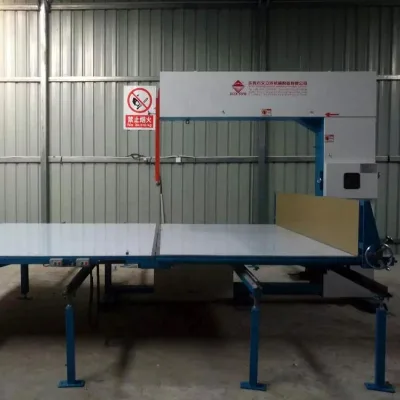
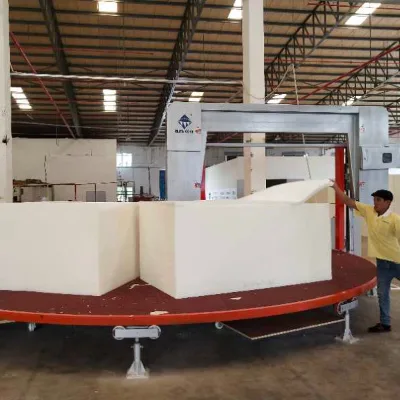

Vertical Cutting Machine by Vertical Foam Splitting Machine for PU Foam
$2903.00 - $4839.00
MOQ: 1 Pieces


Packing Machine Cutting Equipment PE Cutter Manual Vertical Foam Cutting Machine
$3900.00 - $5500.00
MOQ: 1 Sets

Vertical&Horizontal Slitting Machine Manufacturer Foam Cutting Machine for Sale
$5000.00 - $15000.00
MOQ: 1 Sets


Vertical EPE Cutting Machine Manual Vertical Foam Cutting Machine Cutting Machine
$3600.00 - $3800.00
MOQ: 1 Pieces

Foam Vertical Cutting Machine Cutting Machine Vertical Foam Cutting Machine
$3600.00 - $3800.00
MOQ: 1 Pieces

Vertical Sponge Foam Machine Efficient Cutting Machine Vertical Foam Cutting Machine
$3600.00 - $3800.00
MOQ: 1 Pieces

Styrofoam Cutting Small Foam Cutting Machine Manual Vertical Foam Cutting Machine
$3600.00 - $3800.00
MOQ: 1 Pieces
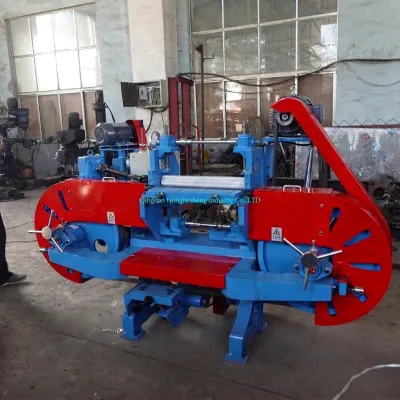
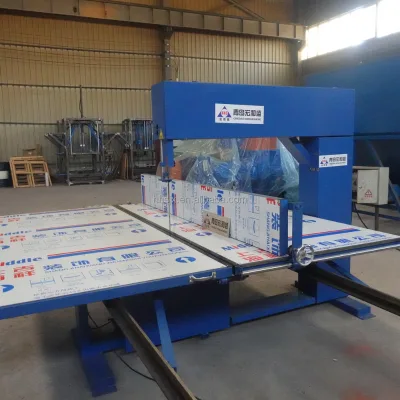
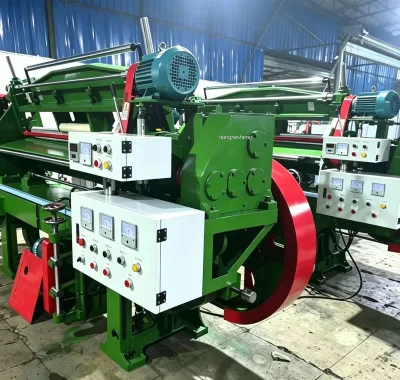
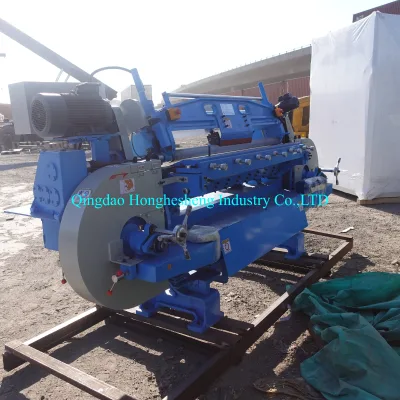
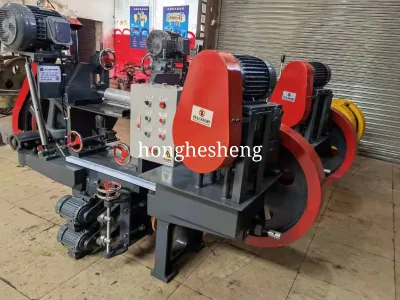
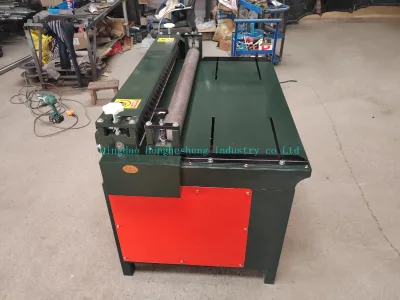

Vertical Foam Cutting Machine Precision Vertical Foam Slitting Equipment
$3000.00 - $3800.00
MOQ: 1 Pieces


Vertical Foam Cutting Machine Multi-Functional Foam Cutting Equipment
$3000.00 - $3800.00
MOQ: 1 Pieces


Comprehensive Sourcing Guide
Manual Vertical Foam Splitting Machine Sourcing Guide
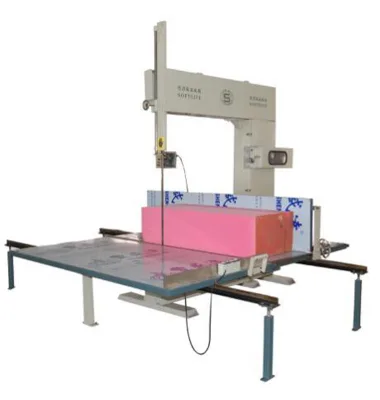
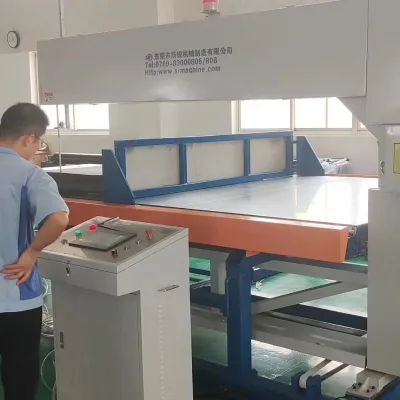
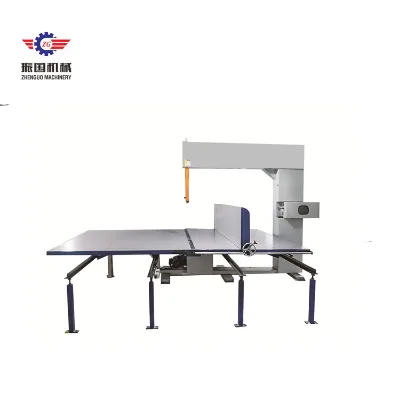
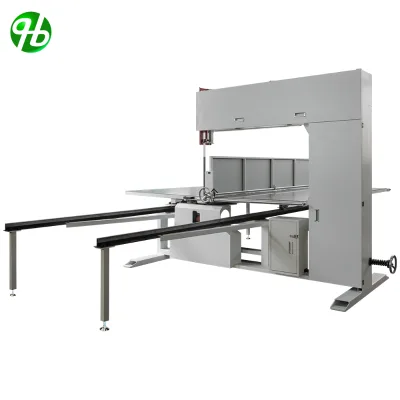
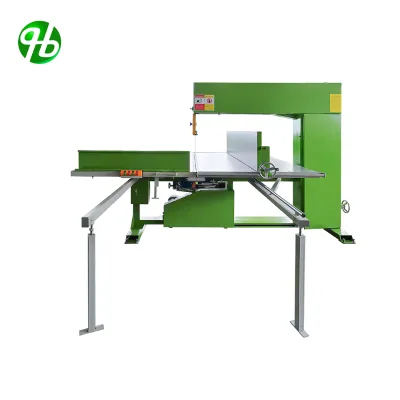
Procuring a Manual Vertical Foam Splitting Machine requires careful evaluation of mechanical stability and blade guidance systems, as these factors directly influence cut precision and material waste. Buyers should prioritize machines that feature adjustable blade guide covers capable of accommodating different cutting thicknesses, ensuring versatility across various foam densities and dimensions. The observed market data indicates a strong presence of models from Elitecore, such as the ECMT-109 and ECMT-108, which are designed for rigid foam, rebonded foam, EVA, hard paper, and rubber. These machines often incorporate high-quality steel structures with coating colors to enhance durability and resistance to wear in industrial environments.
Operational simplicity is a critical factor for manual systems, as ease of learning and maintenance reduces downtime and training costs. Many available units emphasize simple blade change mechanisms and straightforward operation, allowing staff to quickly adapt to new production requirements. Features such as adjustable cutting heights and angles, along with optional Taiwan guiderails and PLC controls, contribute to smoother table movement and stable cutting performance. Buyers must verify that the machine’s voltage specifications, typically 3-phase 380V at 50Hz or 60Hz, match their facility’s power infrastructure to ensure safe and efficient operation without requiring extensive electrical modifications.
Product Scope and Observed Listing Signals
The current market for manual vertical foam splitting machines shows a diverse range of capabilities, with observed prices spanning from $2,100 to $27,600 USD. This wide variance reflects differences in automation levels, motor brands, and additional features like vacuum systems or dust cleaning devices. Most listings indicate a minimum order quantity (MOQ) of one unit, suggesting that suppliers are flexible for initial procurement or trial orders. The supply ability varies significantly, with some manufacturers offering three sets per month while others can deliver up to thirty sets monthly, impacting lead time planning for larger production facilities.
Product listings frequently highlight specific structural components and material compatibility, such as the ability to cut PE, EPE, and XPE foam rolls or sheets. Key selling points often include high productivity, automatic cutting functions, and easy operation, although the term "manual" suggests varying degrees of operator involvement. Packaging details typically involve wooden boxes and hard paper film to protect the machinery during transit, with some units shipped in cartons or plywood boxes. Buyers should note that customization is available for many models, allowing for tailored solutions that meet specific production line requirements or spatial constraints within the factory floor.
Technical Specifications to Verify
When evaluating technical specifications, buyers must confirm the machine’s physical dimensions to ensure it fits within the designated workspace. Observed dimensions for certain models include lengths of 3,500mm, widths of 4,500mm, and heights of 2,400mm, while other vertical cutting machines may measure 3,100mm by 2,600mm by 1,850mm. It is essential to verify the cutting height adjustability and the maximum cutting thickness, which some machines support from 2mm upwards. Additionally, the presence of a Japan thickness counter or French buttons may indicate higher precision controls, so buyers should request detailed technical drawings to confirm compatibility with their existing foam block sizes.
Motor and drive system specifications are crucial for maintaining consistent cutting speed and stability. Many machines adopt famous brand motors and Italy brake motors, paired with blade tension systems and sharpening devices to ensure long-term performance. The voltage requirements are typically 3-phase 380V at 50Hz or 60Hz, so electrical compatibility must be verified before purchase. Buyers should also inquire about the cutting speed adjustability, whether automatic or manual, and the presence of safety designs such as motor safety covers and blade tension systems. Confirming these details helps prevent operational bottlenecks and ensures the machine can handle the required throughput for your production schedule.
Compliance and Safety Documentation
Safety documentation is a non-negotiable aspect of sourcing industrial machinery, particularly for equipment involving sharp blades and high-speed motors. Buyers should request the CE Certificate to ensure the machine meets European safety standards, which often serve as a benchmark for global quality and safety compliance. The presence of safety designs, such as motor safety covers and blade tension systems, should be verified through product manuals or direct supplier confirmation. These features are critical for protecting operators from accidental contact with moving parts and ensuring that the machine shuts down safely in case of an emergency or malfunction.
Warranty and after-sales support are equally important for long-term operational reliability. Most listed machines come with a one-year warranty, which should be clearly defined in the purchase contract, including coverage for parts and labor. Buyers should also verify the availability of spare parts, such as blades and filters for dust cleaning devices, to minimize downtime during maintenance. Additionally, understanding the supplier’s response time for technical support and the availability of remote troubleshooting services can significantly impact the machine’s overall lifecycle cost. Ensuring that all safety and compliance documents are provided before shipment helps avoid regulatory issues and ensures a smooth installation process.
Cost Drivers and Commercial Terms
Several factors influence the final cost of a Manual Vertical Foam Splitting Machine, including the brand of components, automation level, and customization options. Machines featuring famous brand motors, Taiwan PLCs, and advanced safety systems typically command higher prices due to their enhanced reliability and performance. The inclusion of additional features such as vacuum systems, dust cleaning devices, and adjustable cutting angles also contributes to the overall cost. Buyers should request a detailed breakdown of costs to understand how each component affects the final price, allowing for informed decisions about which features are essential for their specific application.
Commercial terms, including payment methods, shipping arrangements, and packaging details, play a significant role in the total procurement cost. Most suppliers offer standard exporting packages using wooden boxes and hard paper film to protect the machinery during transit. The port of dispatch, often ShenZhen Port, should be considered when calculating logistics costs and lead times. Buyers should also clarify the supply ability, which can range from three to thirty sets per month, to ensure that the supplier can meet their delivery deadlines. Negotiating favorable terms for installation support and training can further reduce the total cost of ownership by minimizing setup time and operational errors.
Supplier Qualification and Quality Control
Supplier qualification is critical to ensuring that the purchased machine meets quality and performance expectations. Buyers should verify the supplier’s place of origin, with many manufacturers located in Guangdong, China, a hub for machinery production. It is advisable to request evidence of the supplier’s manufacturing capabilities, such as factory audits or video tours, to confirm their ability to produce high-quality steel structures and assemble complex mechanical systems. Checking the supplier’s track record and customer reviews can provide insights into their reliability and the consistency of their product quality over time.
Quality control processes should be clearly defined and agreed upon before placing an order. Buyers should inquire about the testing procedures used to verify the machine’s cutting stability, table movement smoothness, and overall performance. Requesting a pre-shipment inspection report or the opportunity to conduct a factory acceptance test can help identify any potential issues before the machine is shipped. Additionally, verifying the supplier’s ability to provide customization options, such as specific dimensions or control systems, ensures that the machine can be tailored to meet unique production requirements. Establishing a clear quality assurance protocol helps mitigate risks and ensures that the purchased equipment performs as expected.
Long-Term Procurement Checks
Long-term procurement success depends on establishing a robust maintenance and support strategy for the Manual Vertical Foam Splitting Machine. Buyers should develop a preventive maintenance schedule that includes regular blade sharpening, tension system checks, and lubrication of moving parts. Understanding the availability and cost of spare parts, such as blades, filters, and motor components, is essential for minimizing downtime during repairs. Suppliers that offer comprehensive training programs and technical support can significantly enhance the machine’s operational efficiency and extend its lifespan, reducing the total cost of ownership over time.
Continuous evaluation of the machine’s performance against production targets is also crucial for long-term procurement planning. Buyers should monitor metrics such as cutting speed, accuracy, and material waste to identify opportunities for process improvements. Regular feedback from operators can highlight any operational challenges or safety concerns that need to be addressed. Additionally, staying informed about technological advancements in foam cutting machinery can help buyers make informed decisions about future upgrades or replacements. By maintaining a proactive approach to maintenance and performance monitoring, buyers can ensure that their Manual Vertical Foam Splitting Machine continues to deliver value and efficiency for years to come.
FAQs
What is the cutting capacity of the Elitecore manual foam block cutter?
The machine can cut five blocks at a time with a minimum cutting thickness of 2mm. It is designed to handle materials such as EVA, hard paper, rubber, rigid foam, and rebonded foam. This capability ensures efficient processing of various foam sheet types in a single operation cycle.
Can the cutting height and angle be adjusted on this machine?
Yes, the cutting height is adjustable to accommodate different material thicknesses. The cutting angle can also be adjusted to meet specific slicing requirements. These features allow operators to customize the machine settings for precise cuts on diverse foam products without needing complex recalibration procedures.
What voltage and power specifications does the Elitecore foam cutter require?
The machine operates on a 3-phase 380V 50Hz power supply. Some models support 50Hz or 60Hz frequencies. This standard industrial voltage ensures compatibility with typical factory electrical systems, allowing for stable and reliable operation during continuous high-efficiency working cycles in manufacturing environments.
What certifications and safety features are included with the vertical cutting machine?
The product holds a CE Certificate, ensuring compliance with relevant safety standards. It features a safety design with high-technology welding and a motor safety cover. These elements protect operators during use, while the blade tension system and optional blade guide cover further enhance operational safety and stability.
What is the supply ability and packaging method for these foam cutting machines?
The supply ability ranges from 3 to 30 sets per month depending on the specific model. Each unit is packed in a wooden box with hard paper film for standard exporting protection. This robust packaging ensures the machine arrives safely, ready for simple installation and easy learning by operators.
Where is the place of origin and port of dispatch for these machines?
The machines originate from Guangdong, China, and are dispatched from ShenZhen Port. This location provides access to established manufacturing hubs and logistics networks. Buyers can expect efficient shipping processes from this region, facilitating timely delivery of the foam cutting equipment to international destinations worldwide.