Source PE Foaming Sheet Machine for EPE Packaging, Insulation, and Cushioning
Source 30 PE Foaming Sheet Machine models from China, featuring automatic operation and CE certification. Compare specifications for LDPE processing, varying output capacities, and voltage options to find the right equipment for your production needs; compare the available evidence and request quotations based on your requirements.
Updated
Key considerations
Products List


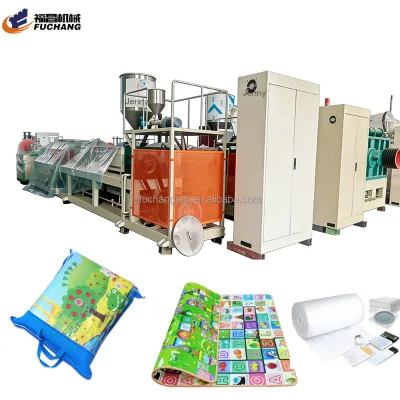
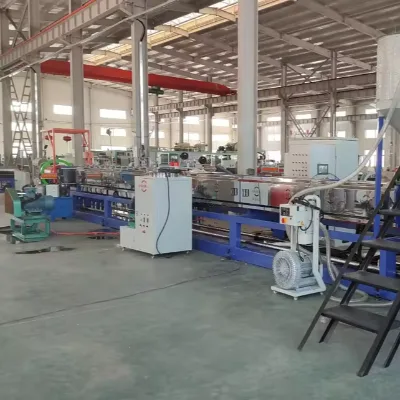
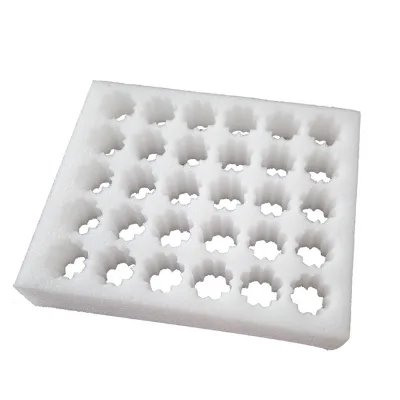
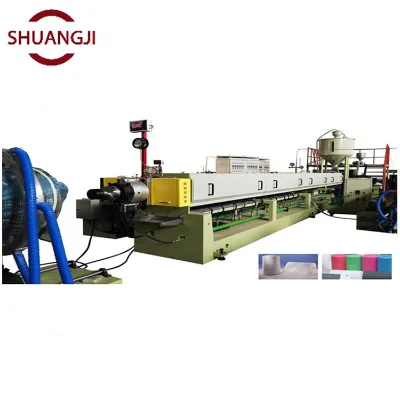


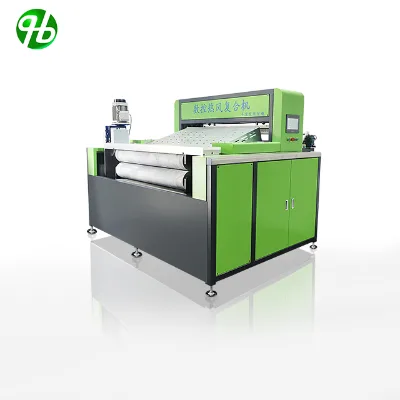
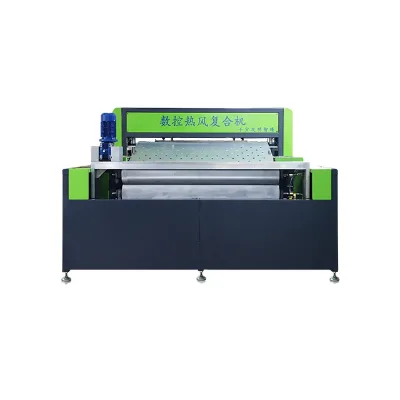
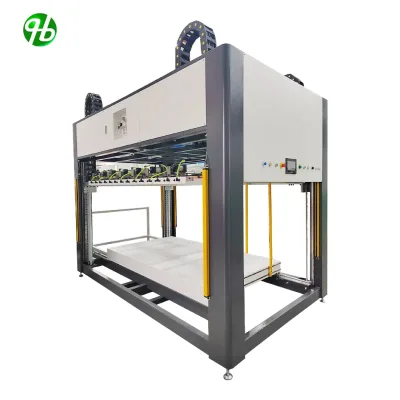
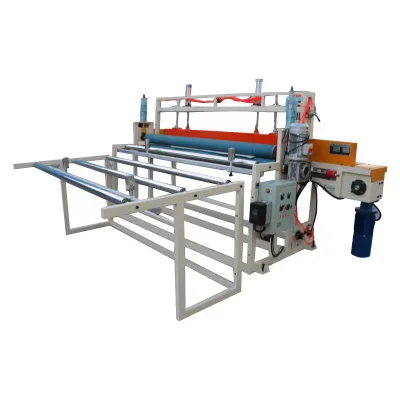
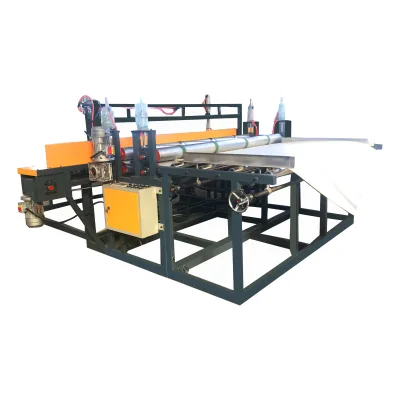
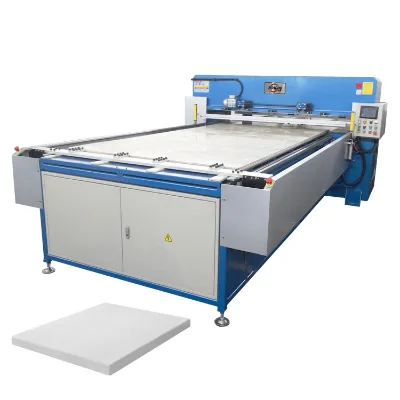
Comprehensive Sourcing Guide
PE Foaming Sheet Machine Sourcing Guide
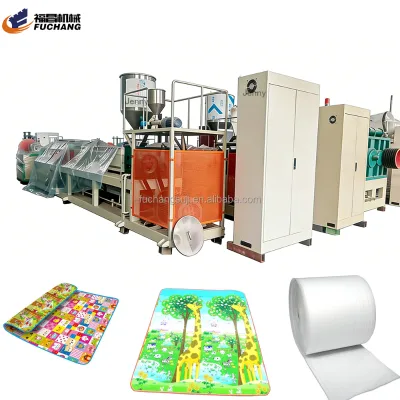
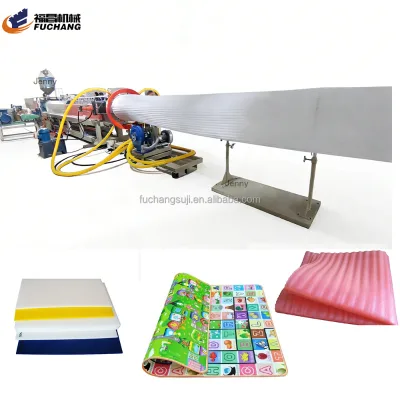
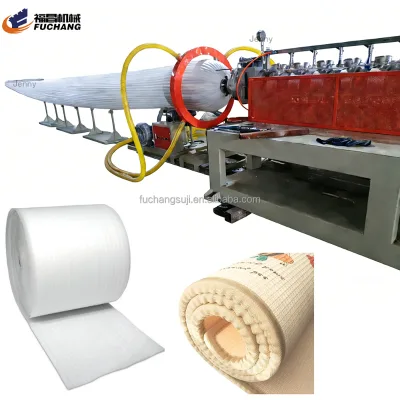
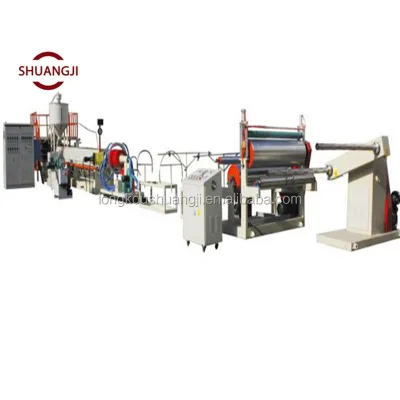
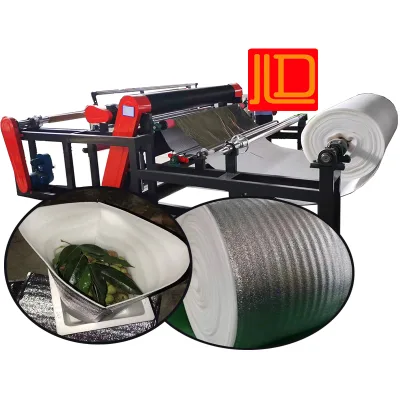
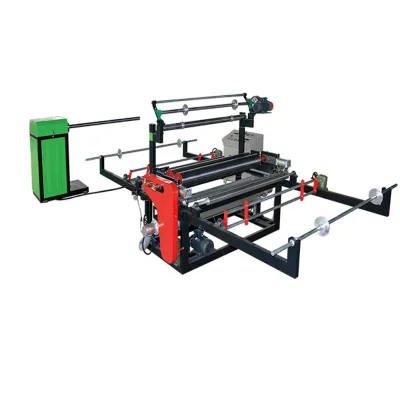
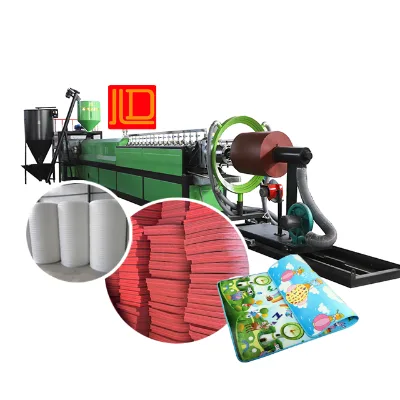
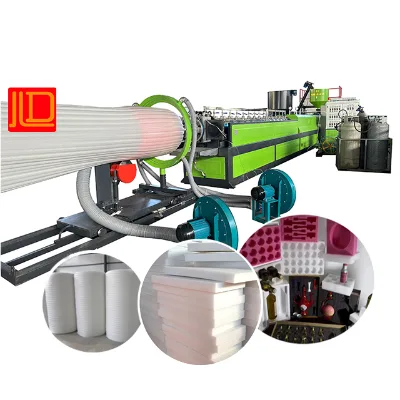
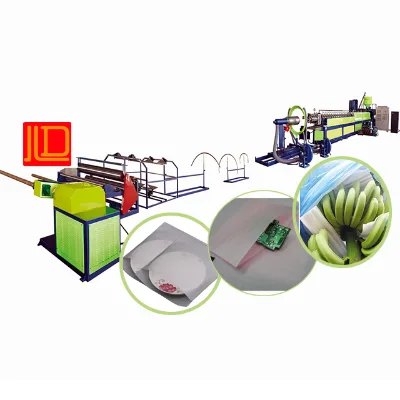
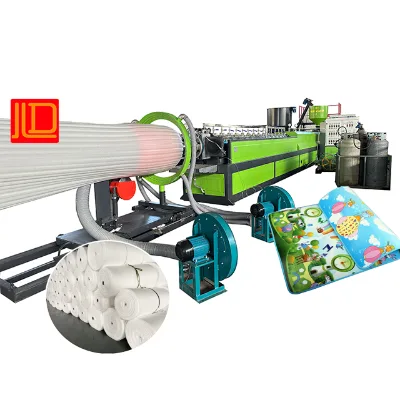
Buyers evaluating this equipment must first recognize the specific operational profile of the listed units, which are predominantly automatic, computerized systems designed for high-pressure air processing. The observed product range includes distinct model numbers such as FC-105, FC-150, and FC-170, indicating a variety of production capacities rather than a single generic solution. Understanding these model distinctions is critical before initiating contact, as the physical dimensions and output capabilities vary significantly across the catalog.
Procurement decisions should also account for the raw material constraints, as the supplied data explicitly identifies LDPE and PE as the primary processed materials. This limitation means the machinery is specialized for specific foam sheet applications rather than universal plastic processing. Buyers must verify that their intended production lines align with these material specifications to avoid compatibility issues during the installation and commissioning phases of the project.
Product Scope and Observed Listing Signals
The market listings reveal a wide variance in pricing, ranging from 6,000 to 1,200,000 USD, which suggests significant differences in machine scale, automation depth, and included features. This broad spectrum requires buyers to carefully map their budget against the specific model requirements, such as the FC-ZMG3-24 or the 150-series units, to ensure financial alignment with the desired output. A higher price point often correlates with larger dimensions, such as the 42m length observed in some configurations, and more complex screw designs.
Another critical signal is the observed minimum order quantity of one unit, which indicates that suppliers are willing to sell single items rather than requiring bulk industrial contracts. This flexibility allows smaller enterprises to enter the market without massive capital commitment, though it necessitates rigorous due diligence on the single unit's quality. Buyers should also note the standard export packaging and the availability of engineers for overseas service, which are key value-adds for international procurement.
Technical Specifications to Verify
When assessing the mechanical core, the screw design and speed parameters are paramount, with observed values ranging from single-screw configurations to specific L/D ratios like 55:1 or 240. The screw speed is listed variably between 25 rpm and 55 rpm, or a range of 5-48 r/min, which directly impacts the foam ratio and final product density. Buyers must confirm which specific screw configuration matches their target foam ratio, as the observed data suggests a range of 20-48 for different machine setups.
Electrical and dimensional specifications also require strict verification, as the voltage inputs vary between 220 V and 380 V, and the physical footprint can be substantial. Some units are listed with a weight of 25,000 kg, while others are significantly lighter at 2,500 kg or 8,000 kg, affecting factory floor planning and foundation requirements. Additionally, the product width is specified between 1000-2000mm and thickness between 1-12mm, so buyers must ensure these output dimensions meet their specific sheet production needs.
Compliance and Safety Documentation
Safety and regulatory compliance are foundational, with the CE certification appearing as a high-confidence attribute across the listed product profiles. This certification is a mandatory baseline for many international markets, ensuring the machinery meets essential health and safety requirements for operation within the European Union and other regions adopting similar standards. Buyers should request the specific CE documentation for the exact model number to verify that the certification covers the specific voltage and automation features of the unit.
Beyond the primary certification, the availability of machinery test reports is a critical document for validating performance claims before shipment. The supplied facts indicate that test reports are provided, which serves as an independent verification of the machine's output capacity and operational stability. Procurement teams should insist on reviewing these reports to confirm that the observed output of 50 kg/h and other performance metrics are consistent with the machine's actual capabilities under load.
Cost Drivers and Commercial Terms
The total cost of ownership is heavily influenced by the warranty terms, which vary between 3 months and 1 year depending on the specific model and supplier agreement. A longer warranty period, such as the 1-year coverage observed, often reflects higher confidence in the machine's durability and the supplier's commitment to after-sales support. Buyers should negotiate warranty terms that align with the machine's complexity, particularly for high-weight units like the 25,000 kg models that may require more intensive maintenance.
Commercial terms also include the availability of core components like bearings, motors, and pumps, which are listed as standard parts of the machinery. The replacement cost and lead time for these components can significantly impact long-term operational costs, making it essential to clarify the supply chain for these parts during the negotiation phase. Additionally, the selling unit structure as a single item simplifies the initial purchase but requires careful budgeting for shipping and installation, given the large single package sizes observed.
Supplier Qualification and Quality Control
Supplier qualification should focus on the availability of overseas engineering support, as the data explicitly states that engineers are available to service machinery abroad. This capability is crucial for minimizing downtime and ensuring that the automatic grade and computerized systems are correctly calibrated upon installation. Buyers must verify the specific response times and travel costs associated with these engineering services to avoid unexpected logistical expenses during the commissioning phase.
Quality control processes must be validated through the observation of core component quality and the overall build standards. The listed core components include bearings, motors, and pumps, which are critical for the continuous operation of the high-pressure air type machines. Buyers should request detailed specifications for these components to ensure they meet industry standards for longevity and performance, especially given the varying weights and screw speeds observed across the product range.
Long-Term Procurement Checks
Sustainable procurement requires a focus on the after-sales service structure and the availability of spare parts for the specific model numbers like FC-120 or FC-180. The presence of a 1-year warranty is a positive indicator, but buyers must establish a clear protocol for post-warranty support to ensure the machine remains operational for years. This includes verifying the supplier's ability to provide technical manuals and training materials for the computerized control systems.
Finally, buyers should monitor the consistency of the product origin and place of origin, which are listed as China and specifically Shandong. While this location is a known manufacturing hub, verifying the specific factory's track record and production capacity is essential for ensuring consistent quality over time. Regular audits of the supplier's production lines and a review of their machinery test reports will help maintain the high standards required for continuous PE foam sheet production.
FAQs
What raw material does the FC-105 PE Foaming Sheet Machine process?
The FC-105 PE Foaming Sheet Machine processes LDPE as its primary raw material. This automatic unit utilizes a high-pressure air type principle to create EPE foam sheets. It is computerized for precise control and comes with a standard export package for safe shipping from China.
Can the PE Foaming Sheet Machine be customized for specific needs?
Yes, customization is available for this PE Foaming Sheet Machine. The equipment features a fully automatic grade and operates on 380 V or 220 V depending on the model. It includes core components like bearings, motors, and pumps, with engineers available for overseas service to ensure proper setup.
What is the output capacity of the automatic PE Foaming Sheet Machine?
The automatic PE Foaming Sheet Machine has an output capacity of 50 kg/h. It processes PE plastic using a single-screw design with a 55:1 L/D ratio. The screw speed ranges from 5 to 48 r/min, allowing for flexible production rates tailored to different sheet thickness requirements.
Which certifications are provided for the PE Foaming Sheet Machine?
The PE Foaming Sheet Machine is provided with CE certification. This ensures compliance with relevant safety and quality standards for international trade. The machinery also comes with a provided test report and a warranty period that varies by model, ranging from three months to one year for peace of mind.
What are the dimensions of the large PE Foaming Sheet Machine?
The large PE Foaming Sheet Machine measures 42m in length, 2.3m in width, and 2.2m in height. It produces sheets with a width of 1000-2000mm and a thickness of 1-12mm. The single gross weight is 40.0 kg for smaller units, while larger models weigh significantly more for industrial use.
How does the screw design affect the PE Foaming Sheet Machine performance?
The screw design significantly impacts performance by ensuring consistent foam quality. Models feature single-screw configurations with varying L/D ratios, such as 55:1 or 240. This design supports a foam ratio of 20-48, allowing the machine to efficiently process PE materials into uniform EPE foam sheets for various applications.