Source 6 String Electric Guitar for bands, studios, and schools
Explore 30 listings for the 6 String Electric Guitar featuring maple necks, rosewood fingerboards, and passive pickups. Buyers can compare models like JB-01 and G-B3-4 with varying body materials and customization options from Guangzhou and Shandong suppliers; compare the available evidence and request quotations based on your requirements.
Key considerations
Products List


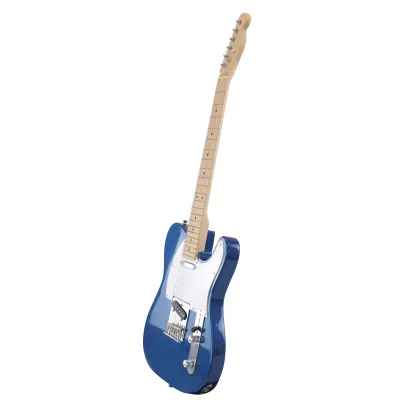

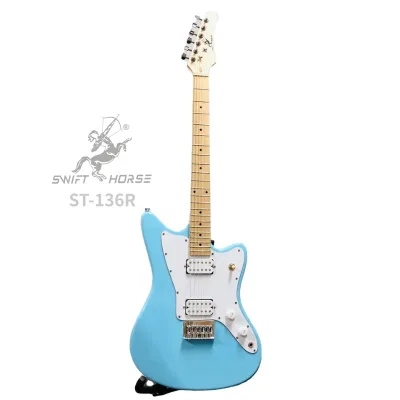
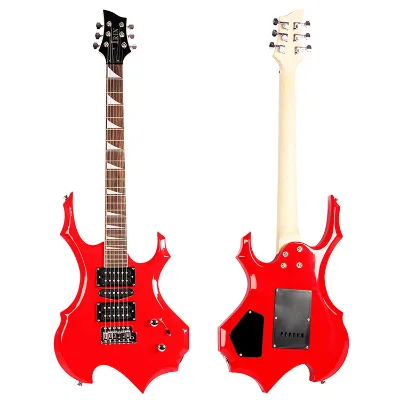


Comprehensive Sourcing Guide
6 String Electric Guitar Sourcing Guide
Procuring six-string electric guitars requires a disciplined approach to verifying technical consistency and commercial viability. Buyers must distinguish between standard five-string configurations and true six-string models, as the latter often feature extended necks and specialized pickup systems. The observed data indicates a market with diverse origins, primarily from Guangzhou and Shandong, China, suggesting a robust supply chain for both OEM and ODM projects. Understanding the baseline specifications is critical before engaging with suppliers to ensure that the final product meets the specific tonal and ergonomic requirements of your target audience.
The commercial landscape for these instruments involves a wide range of price points and minimum order quantities. Observed pricing spans from low-cost entry-level units to high-end custom builds, reflecting the variance in materials and labor intensity. Buyers should note that while some listings indicate a minimum order quantity of one piece, others require larger batches, which impacts inventory planning and cash flow. Establishing clear communication channels early in the sourcing process helps mitigate risks associated with misinterpretation of technical requirements. This foundational understanding allows procurement teams to negotiate terms that align with their production schedules and quality expectations without compromising on essential features.
Product Scope and Observed Listing Signals
The product scope for six-string electric guitars encompasses a variety of body shapes, neck materials, and finish options. Observed listings highlight common body materials such as basswood and plywood, with maple frequently cited for neck construction. These material choices directly influence the instrument's sustain, weight, and overall playability. Buyers should pay close attention to the specific grade of wood used, as higher-grade maple and rosewood fingerboards typically command premium prices due to their superior acoustic properties and durability. The availability of customization options, including OEM and ODM services, allows brands to tailor the instrument to specific market segments, from beginner-friendly models to professional-grade equipment.
Listing signals also reveal important details regarding packaging and logistics. Standard packing often involves carton boxes, with specific dimensions provided for shipping calculations. For instance, some models are packed individually, while others are grouped in larger quantities per carton, affecting freight costs and warehouse space requirements. The presence of specific model numbers, such as JB-01 or G-B3-4, helps in tracking inventory and ensuring consistency across production runs. Buyers should verify that the listed specifications match the physical samples provided, as discrepancies in material or finish can lead to significant quality issues. Understanding these signals helps in creating a comprehensive sourcing strategy that accounts for both product quality and logistical efficiency.
Technical Specifications to Verify
Verifying technical specifications is paramount to ensuring that the six-string electric guitar meets the desired performance standards. Key attributes include the number of strings, string type, and pickup configuration. Most listings specify steel strings, which are standard for electric guitars, but buyers should confirm the gauge and tension to ensure compatibility with their target user base. The pickup system, whether passive or active, significantly affects the tone and output of the instrument. Passive pickups are generally more durable and require less maintenance, while active pickups offer a wider frequency range and higher gain. Buyers should request detailed specifications for each pickup type to make an informed decision.
Neck and body dimensions are also critical technical specifications that require careful verification. The neck material, typically maple, must be straight and free from warping to ensure proper intonation and playability. The body material, such as basswood or plywood, should be inspected for structural integrity and finish quality. Additionally, the size of the guitar, often measured in inches, should align with the intended use, whether for stage performance or studio recording. Buyers should request sample units to test the action, tuning stability, and overall feel. This hands-on evaluation helps identify any potential issues before committing to a large order, ensuring that the final product meets the high standards expected by professional musicians and enthusiasts.
Compliance and Safety Documentation
Compliance with international safety and environmental standards is a critical aspect of sourcing six-string electric guitars. Buyers must ensure that suppliers provide documentation proving that the instruments meet relevant regulatory requirements, such as RoHS and REACH, which restrict the use of hazardous substances. These certifications are essential for selling products in markets with strict environmental regulations, including the European Union and North America. Failure to provide adequate compliance documentation can result in shipment delays, fines, or product recalls, which can be costly and damaging to brand reputation. Buyers should request copies of test reports and certificates of conformity from accredited laboratories to verify compliance.
In addition to environmental standards, electrical safety is a key concern for electric guitars. The wiring and electronic components must meet safety standards to prevent electrical hazards, such as short circuits or fire risks. Buyers should verify that the suppliers use certified components and follow proper manufacturing practices to ensure the safety of the end user. Documentation should include details on the voltage and current ratings of the electronic components, as well as any safety features, such as fuses or grounding. By prioritizing compliance and safety, buyers can mitigate risks and ensure that their products are safe for use in various environments, from home studios to professional concert venues.
Cost Drivers and Commercial Terms
Understanding the cost drivers for six-string electric guitars is essential for effective budgeting and negotiation. The primary cost factors include the quality of materials, the complexity of the design, and the level of customization. High-grade woods, such as maple and rosewood, are more expensive than lower-grade alternatives, which can significantly impact the final price. Customization options, such as unique finishes or specialized pickup configurations, also add to the cost due to the additional labor and materials required. Buyers should request detailed cost breakdowns from suppliers to understand the contribution of each component to the total price. This transparency helps in identifying areas where costs can be optimized without compromising quality.
Commercial terms, including payment methods, lead times, and shipping options, also play a significant role in the overall cost of sourcing. Buyers should negotiate favorable payment terms, such as partial payments or letters of credit, to reduce financial risk. Lead times can vary depending on the complexity of the order and the supplier's production capacity, so it is important to establish realistic timelines to avoid delays. Shipping costs should be calculated based on the weight and dimensions of the packages, as well as the chosen shipping method. By carefully considering these commercial terms, buyers can ensure that their procurement strategy is both cost-effective and efficient, allowing them to maintain competitive pricing in the market.
Supplier Qualification and Quality Control
Qualifying suppliers is a crucial step in ensuring the consistent quality of six-string electric guitars. Buyers should evaluate suppliers based on their manufacturing capabilities, quality control processes, and track record of delivering on time and within budget. A reputable supplier will have a well-established quality management system, including incoming material inspection, in-process checks, and final product testing. Buyers should request samples and conduct factory audits to verify the supplier's capabilities and ensure that they meet the required standards. Additionally, suppliers should provide references from other clients to demonstrate their reliability and commitment to quality.
Quality control measures should be implemented at every stage of the production process to minimize defects and ensure consistency. Buyers should define clear quality criteria and acceptance standards, which should be communicated to the supplier in writing. Regular inspections and audits should be conducted to monitor the supplier's performance and identify any areas for improvement. In case of quality issues, buyers should have a clear process for addressing them, including the return of defective products and the implementation of corrective actions. By maintaining a strong relationship with qualified suppliers and enforcing rigorous quality control, buyers can ensure that their six-string electric guitars meet the high standards expected by their customers.
Long-Term Procurement Checks
Long-term procurement checks are essential for maintaining a stable and reliable supply chain for six-string electric guitars. Buyers should regularly review their supplier relationships to ensure that they continue to meet the required quality and delivery standards. This includes monitoring the supplier's financial health, production capacity, and ability to adapt to changing market demands. By maintaining open communication and providing feedback, buyers can foster a collaborative relationship that supports continuous improvement and innovation. Additionally, buyers should consider diversifying their supplier base to reduce dependency on a single source and mitigate risks associated with supply disruptions.
Sustainability and ethical sourcing are increasingly important considerations in long-term procurement. Buyers should ensure that their suppliers adhere to ethical labor practices and environmental standards, which can enhance brand reputation and customer loyalty. This includes verifying that the suppliers use sustainable materials and minimize waste in their production processes. By prioritizing sustainability and ethics, buyers can contribute to a more responsible and resilient supply chain. Regular reviews and updates to procurement policies help ensure that the sourcing strategy remains aligned with the company's values and long-term goals, supporting sustainable growth and success in the competitive market for six-string electric guitars.
FAQs
Can I order customized 6 string electric guitars with specific finishes?
Yes, customization is available for electric guitars including glossy finishes and custom designs. You can request OEM or ODM services to tailor the instrument to your needs. The products support various body materials like basswood and maple necks. This allows buyers to specify unique features while maintaining quality standards for professional use.
What is the minimum order quantity for electric guitar strings and instruments?
The minimum order quantity starts at 1 piece for many items, allowing small batch testing. Some listings show an MOQ range up to 200 pieces depending on the specific model. Buyers can find options with flexible packaging like single pieces per carton. This flexibility supports both individual buyers and larger wholesale distributors seeking diverse inventory.
Which materials are commonly used for the body and neck of these guitars?
Common materials include basswood for the body and maple for the neck construction. Some models utilize plywood or single board wood for specific designs. Fingerboards often feature rosewood for enhanced playability. These material choices ensure durability and a rich tone suitable for various musical styles and performance requirements.
How are the electric guitars packaged for international shipping from China?
Guitars are typically packed in carton boxes with specific dimensions like 115x60x18 or 95x36x58. Packaging options include single pieces per carton or six pieces per carton depending on the model. This secure packing ensures safe transport from origins in Guangzhou or Shandong. Buyers can expect standardized protection for the instruments during transit.
Can I find 6 string electric guitars with passive pickups installed?
Yes, many models come equipped with passive pickups as standard or optional features. Some instruments allow for EQ and pickup installation as requested by the buyer. This customization ensures the instrument meets specific tonal requirements. Buyers can select from various configurations to match their preferred sound profile and playing style.
What are the available sizes for the electric guitars listed?
Available sizes range from 36 inches to 41 inches, including 38 and 39 inch options. Specific models are designated by standard sizes like 36inch or 41inch guitar. These dimensions cater to different player preferences and body types. Buyers can choose the appropriate size based on their ergonomic needs and musical genre.
Which locations in China manufacture these electric guitars?
Manufacturing origins include Guangzhou and Shandong provinces in China. These regions are known for producing a wide variety of stringed instruments. Buyers can source products directly from these established manufacturing hubs. The location data helps in logistics planning and understanding the supply chain for these instruments.