Source CE RoHS Air Plasma Cutter for metal fabrication
Find 30 verified options for the CE RoHS Air Plasma Cutter suitable for stainless steel, aluminum, and carbon steel cutting. Compare models like LG400 and LG130 with manual or automatic grades and air cooling systems from Shanghai suppliers; compare the available evidence and request quotations based on your requirements.
Updated
Key considerations
Products List


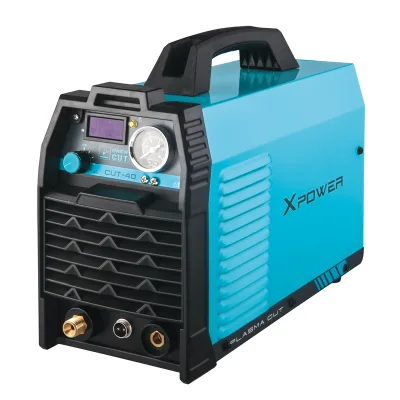
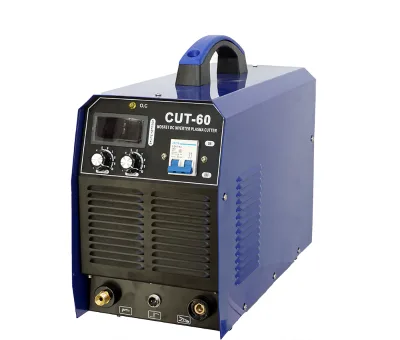
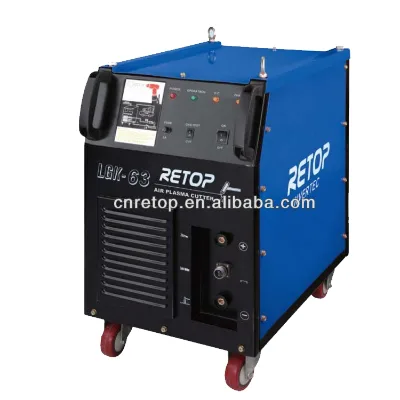
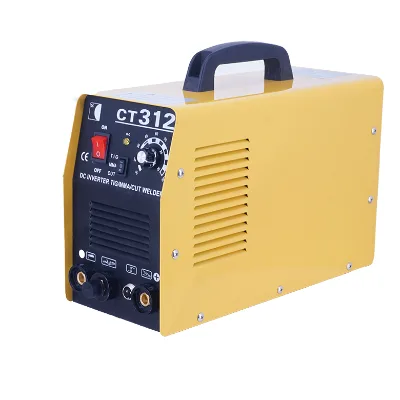
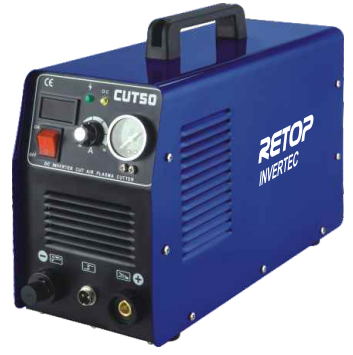
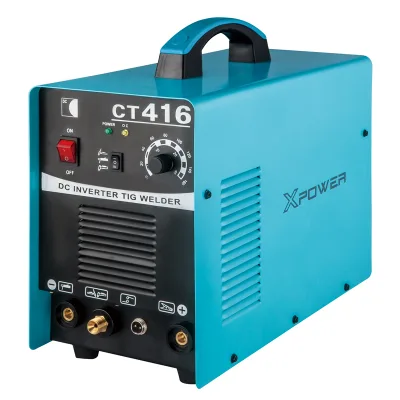
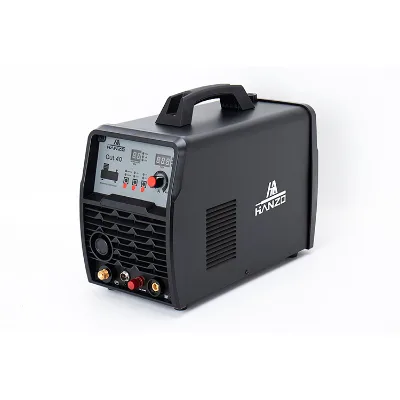
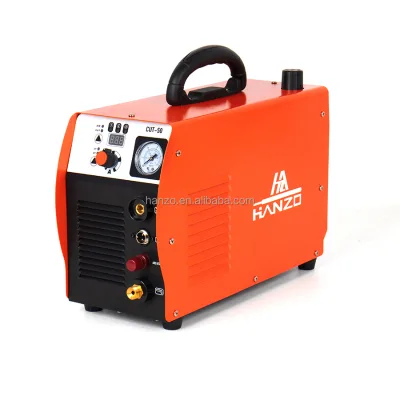

Portable Cut 40 Cortadora De Plasma Cutting Machine 220V Air Plasma Cutter
$91.00 - $105.00
MOQ: 1 Pieces

Portable Air Plasma Cutter for Stainless-Steel Copper up to 12mm Plasma Welder
$91.00 - $105.00
MOQ: 1 Pieces

200A Plasma Cutter Machine Industrial Air Cutter for Steel Materials for Plasma Cutting
$1280.00 - $1408.00
MOQ: 1 Pieces

Industrial Air Plasma Cutter Cut-200 with 37kVA Input Power Cutting Equipment
$1280.00 - $1400.00
MOQ: 1 Pieces

High-Performance 10-200A Output Cutting Machine Cut-200 Industrial Air Plasma Cutter
$1280.00 - $1400.00
MOQ: 1 Pieces
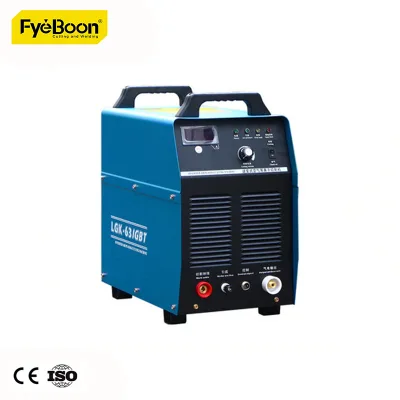
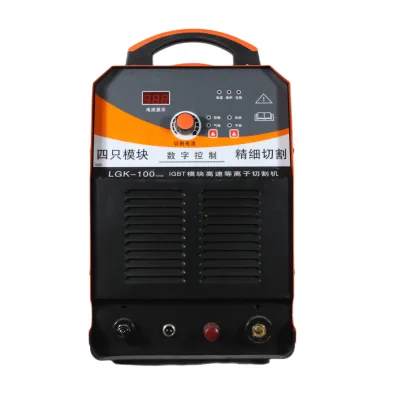
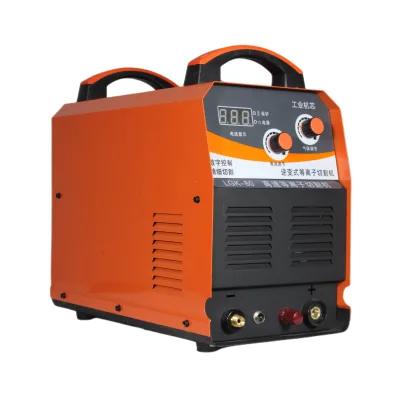
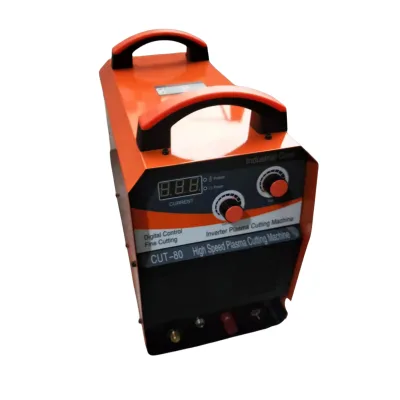
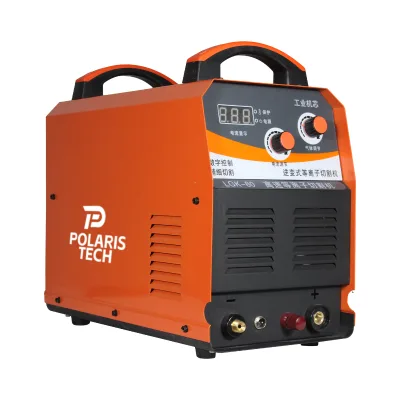
Comprehensive Sourcing Guide
CE RoHS Air Plasma Cutter Sourcing Guide
Sourcing a CE RoHS Air Plasma Cutter requires careful evaluation of technical specifications and regulatory compliance to ensure safe and efficient metal cutting operations. Buyers must prioritize machines that offer precise control over cutting thickness and material compatibility, as these factors directly impact production quality and operational costs. The observed market includes models with varying automatic grades, from manual to semi-automatic and CNC configurations, allowing procurement teams to select equipment that matches their specific workflow requirements.
Understanding the core capabilities of these machines is essential for making informed purchasing decisions. Key attributes such as layout, cooling method, and power source significantly influence the machine's suitability for different industrial environments. For instance, air-cooled systems are common in portable units, while electric power sources provide consistent performance for continuous operation. Buyers should verify these specifications against their facility's infrastructure to avoid compatibility issues and ensure seamless integration into existing production lines.
Product Scope and Observed Listing Signals
The current market for air plasma cutters presents a diverse range of options, with observed prices spanning from $1 to $4,550 USD. This wide variance reflects differences in cutting capacity, automation levels, and brand reputation. Minimum order quantities (MOQ) are typically low, ranging from 1 to 10 sets, which facilitates flexible procurement for small to medium-sized enterprises. Buyers should note that customization is often available, allowing for tailored solutions that meet specific operational needs, such as unique cutting dimensions or specialized control interfaces.
Observed product models include the LG400, LG60, LG100, LG-130, and LGK-80NK/100N/120N, each catering to different cutting thicknesses and material types. These models support cutting materials like stainless steel, aluminum, carbon steel, copper, and various metal alloys. The presence of CNC/MNC numerical control in some models indicates advanced automation capabilities, while others remain manual or semi-automatic. Buyers must carefully match these model specifications to their intended application to ensure optimal performance and cost-effectiveness.
Technical Specifications to Verify
Verifying technical specifications is critical to ensuring the plasma cutter meets operational demands. Key parameters include the rated duty cycle, input voltage, and input power, which determine the machine's endurance and energy efficiency. For example, some models feature a 60% rated duty cycle and operate on a 3-phase, 380V power supply with a 20kVA input power rating. Buyers should confirm these electrical requirements align with their facility's power infrastructure to prevent overloads or inefficient operation.
Cutting performance metrics, such as maximum cutting thickness and movement method, are equally important. Observed specifications indicate a maximum cutting thickness of 15mm for certain models, with linear control movement methods ensuring precision. The enclosure protection degree, often rated IP21 or IP21S, provides insight into the machine's resistance to dust and water ingress, which is vital for workshop environments. Additionally, insulation grade F and high-frequency bands are common features that contribute to reliable performance and safety during extended use.
Compliance and Safety Documentation
Compliance with international standards is a non-negotiable aspect of sourcing industrial equipment. The CE certification observed in listings indicates adherence to European health, safety, and environmental protection standards, which is crucial for buyers operating in or exporting to European markets. While RoHS compliance is mentioned in background contexts, buyers should explicitly request documentation to confirm that the equipment meets restrictions on hazardous substances, ensuring environmental safety and regulatory alignment.
Safety features and operational safeguards must be thoroughly reviewed before purchase. The IP21 and IP21S protection degrees suggest basic protection against solid objects and dripping water, but buyers should verify if additional safety measures are available for harsher environments. Furthermore, understanding the warranty terms, such as the one-year warranty observed, and the availability of overseas engineering support is essential for long-term reliability. Buyers should ensure that all safety certifications are valid and that the supplier provides comprehensive user manuals and safety guidelines.
Cost Drivers and Commercial Terms
Several factors influence the total cost of ownership for air plasma cutters, including customization, packaging, and lead times. Customized options, such as specific cutting dimensions or control systems, may incur additional costs but can enhance operational efficiency. Packaging methods, ranging from fumigation wooden cases to standard cartons, affect shipping costs and product protection during transit. Buyers should negotiate these terms carefully to minimize hidden expenses and ensure the equipment arrives in optimal condition.
Lead times and after-sales service are significant commercial considerations. Observed lead times range from 15 to 30 days, depending on order quantity, which impacts production planning and inventory management. Buyers should factor these delays into their procurement schedules to avoid production bottlenecks. Additionally, the availability of engineers for overseas service and the provision of new accessories contribute to long-term value. Negotiating clear terms for warranty claims and technical support can mitigate risks associated with equipment downtime and maintenance costs.
Supplier Qualification and Quality Control
Evaluating supplier qualifications is essential to ensure the reliability and quality of the purchased plasma cutters. Buyers should verify the supplier's manufacturing capabilities, including their factory status and production processes. The observation of "Factory: Yes" suggests direct manufacturing, which can offer advantages in quality control and pricing. However, buyers must conduct due diligence to confirm the supplier's reputation, production capacity, and adherence to quality management systems.
Quality control measures should be explicitly discussed and documented before placing orders. Buyers should request information on testing procedures, component sourcing, and final inspection protocols. The use of new accessories and components, as observed in some listings, indicates a commitment to quality, but verification is necessary. Establishing clear quality acceptance criteria and conducting pre-shipment inspections can help identify potential defects early, reducing the risk of receiving substandard equipment and ensuring consistent performance in operational use.
Long-Term Procurement Checks
Long-term procurement success depends on establishing robust relationships with suppliers and implementing continuous improvement strategies. Buyers should monitor supplier performance metrics, such as delivery reliability, product quality, and after-sales service responsiveness. Regular audits and feedback loops can help identify areas for improvement and strengthen the partnership. Additionally, staying informed about technological advancements in plasma cutting technology allows buyers to upgrade their equipment proactively, maintaining competitive advantage in their respective industries.
Sustainability and regulatory changes also play a crucial role in long-term procurement planning. Buyers should assess the environmental impact of their equipment, including energy consumption and waste generation, and align their purchasing decisions with corporate sustainability goals. Keeping abreast of evolving regulations, such as updates to CE or RoHS standards, ensures ongoing compliance and avoids potential legal or operational disruptions. By integrating these considerations into their procurement strategy, buyers can achieve sustainable and resilient supply chain operations.
FAQs
What cutting materials does the LG400 plasma cutter handle?
The LG400 plasma cutter handles stainless steel, metal alloy, aluminum, iron, carbon steel, and copper. It features a horizontal layout and air cooling method. The machine operates on electric power with a 60% rated duty cycle. This versatile tool is suitable for various metal fabrication tasks requiring precise plasma cutting capabilities.
Can the LGK-80NK plasma cutter be customized for specific needs?
Yes, the LGK-80NK plasma cutter offers available customization options. It is designed for metal cutting applications and supports semi-automatic operation. The unit comes with a one-year warranty and includes new accessories. Buyers can negotiate pricing and request specific configurations to match their industrial workflow requirements effectively.
What is the maximum cutting thickness for the LG-130 model?
The LG-130 plasma cutter has a maximum cutting thickness of 15mm. It features CNC/MNC numerical control and linear control movement methods. The machine is certified with ISO and CE standards. It is packaged in cartons or wooden crates for safe shipping from its origin in China.
How is the LG60 plasma cutter powered and controlled?
The LG60 plasma cutter is powered by a 3-phase, 380V electric source with 20kVA rated input power. It uses high-frequency ignition and air cooling. The unit operates in manual mode and features an IP21 enclosure protection degree. This setup ensures stable performance for industrial metal cutting operations.
What after-sales support is provided for Retop Welder plasma cutters?
Retop Welder plasma cutters provide engineers available to service machinery overseas. The products come with a one-year warranty and include new accessories. Buyers can negotiate prices directly with the supplier. This support structure ensures that technical issues are addressed promptly to minimize downtime in production environments.
What are the standard dimensions for the LG100 plasma cutter?
The LG100 plasma cutter follows standard dimensions of 1260mm by 540mm by 830mm. It is manufactured in Shanghai, China, and uses fumigation wooden cases and cartons for packing. The machine is new condition and supports customized orders. These dimensions facilitate integration into standard workshop layouts.