Source Laboratory Circular Vibrating Sieve Shaker for Mining, Lab, and Oil Testing
Find and compare 30 Laboratory Circular Vibrating Sieve Shaker models designed for mining, laboratory experiments, and oil testing applications. These units feature high-frequency vibration, customizable sieve specifications, and robust construction for precise particle size analysis in various industrial settings.
Key considerations
Products List


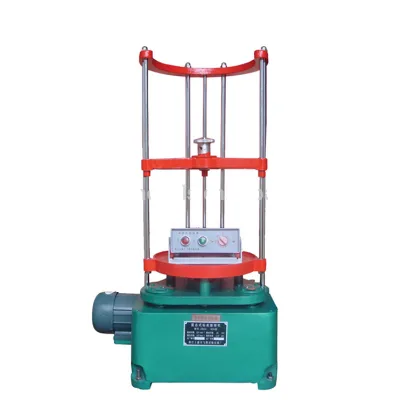


Standard Lab Machine Electric Vibrator Test Sieve Shaker Experimental Sieve
$600.00 - $1550.00
MOQ: 1 Pieces


Shaker Experimental Sieve Standard Lab Machine Electric Vibrator Test Sieve
$600.00 - $1550.00
MOQ: 1 Pieces

Sieve Shaker Professional Laboratory Vibrating Screen Standard Test Sifter
$600.00 - $1550.00
MOQ: 1 Pieces


Comprehensive Sourcing Guide
Laboratory Circular Vibrating Sieve Shaker Sourcing Guide
Selecting the right Laboratory Circular Vibrating Sieve Shaker requires a careful balance between technical precision, operational safety, and commercial viability. These devices are essential for particle size analysis in mining, geology, and materials science, where consistent separation is critical for quality control and research integrity. Buyers must navigate a market that offers a wide range of configurations, from lightweight fine shakers to heavy-duty mine shakers, each with distinct mechanical properties and power requirements. Understanding the specific operational needs of your laboratory is the first step in narrowing down the vast array of available models, ensuring that the selected equipment aligns with both your sample throughput requirements and your facility’s infrastructure capabilities.
The procurement process for this specialized equipment involves verifying a complex set of technical attributes, including vibration frequency, amplitude, and oscillation patterns. Unlike general-purpose industrial screens, laboratory-grade units often require precise control over parameters such as running time and vibration mode to achieve accurate sieve analysis results. Furthermore, the diversity in product models, such as the STSJ series or XSZ series, indicates that buyers cannot rely on a one-size-fits-all approach. Each model may cater to different sample sizes, sieve specifications, or functional requirements, necessitating a thorough review of the supplier’s technical documentation to ensure compatibility with existing laboratory workflows and safety standards.
Product Scope and Observed Listing Signals
The current market for laboratory circular vibrating sieve shakers presents a diverse range of products, with observed listings indicating a price range from $1 to $10,000 USD and a minimum order quantity (MOQ) typically between 1 and 5 units. This wide price variance suggests significant differences in build quality, material composition, and technological sophistication among suppliers. Buyers should interpret these signals as indicators of varying value propositions, where lower-priced units may serve basic educational or preliminary testing needs, while higher-priced models likely offer enhanced durability, precision, and advanced features suitable for rigorous industrial or research applications. The low MOQ flexibility is advantageous for laboratories seeking to procure single units for pilot testing or small-scale operations without committing to large inventory investments.
Product attributes observed in listings reveal a spectrum of functionalities, ranging from lightweight fine shakers to high-frequency vibrating screens designed for ore processing. Some models are explicitly labeled as non-customized, offering standard configurations, while others support customization to meet specific laboratory requirements. The presence of various models, such as STSJ-3, STSJ-5, and XSZ-200, highlights the importance of matching the device’s physical dimensions and sieve specifications to the intended use case. For instance, some units are designed for soil analysis, while others are optimized for thin oil shaker applications or general mine shaker duties. Buyers must carefully examine these descriptive tags to ensure the selected shaker aligns with the specific material properties and sample volumes they intend to process.
Technical Specifications to Verify
When evaluating technical specifications, buyers must prioritize the verification of vibration parameters, including frequency, amplitude, and oscillation journey. Observed data points such as a vibration frequency of 42Hz, an oscillation of 221 times per minute, and a peak attack journey of 8mm provide a baseline for understanding the mechanical intensity of certain models. However, these values are not universal across all products; therefore, buyers should request detailed technical datasheets for each candidate unit to confirm that the vibration characteristics match the required separation efficiency for their specific material types. Mismatched vibration parameters can lead to inefficient sieving, sample degradation, or inaccurate particle size distribution results, making precise verification a critical step in the selection process.
Power requirements and electrical compatibility are equally crucial considerations, as laboratory environments may have varying voltage standards. The observed working voltages of AC380V or AC220V indicate that buyers must ensure their facility’s power supply matches the equipment’s specifications to avoid operational failures or safety hazards. Additionally, the vibrating motor power, noted as AC220V with 25W in some listings, suggests that energy efficiency and heat generation are factors to consider for continuous operation. Buyers should also verify the sieve specifications, such as the 200x50mm (9 level) or 300x75mm (7 level) configurations, to ensure the shaker can accommodate the necessary sieve stack height and diameter for their analytical protocols. Confirming these details prevents costly retrofits or operational disruptions after purchase.
Compliance and Safety Documentation
Compliance with international standards is a fundamental requirement for laboratory equipment, ensuring both operator safety and measurement reliability. Listings often reference standards such as ISO, ASTM, SAE, and CE compliance, which serve as indicators of adherence to recognized quality and safety benchmarks. Buyers should request official certification documents or test reports to verify that the equipment meets these standards, particularly for electrical safety and mechanical integrity. CE compliance, for instance, is essential for markets in Europe and indicates that the product meets EU health, safety, and environmental protection requirements. Without verified documentation, buyers risk procuring equipment that may not be legally operable in their jurisdiction or may pose significant safety risks during use.
Safety features and operational safeguards should also be scrutinized, especially for high-frequency vibrating screens that generate significant mechanical stress. The presence of supporting devices like rubber springs and the design of the running track, such as circular or rotary vane mechanisms, contribute to the stability and safety of the shaker during operation. Buyers should inquire about emergency stop mechanisms, protective guards, and noise reduction features, particularly for models with high oscillation rates. Additionally, the warranty period, observed as 1 or 2 years in some listings, reflects the manufacturer’s confidence in the product’s durability and their commitment to post-sale support. A robust warranty can mitigate the financial risk associated with potential defects or premature failures, providing buyers with peace of mind and long-term operational assurance.
Cost Drivers and Commercial Terms
The total cost of ownership for a Laboratory Circular Vibrating Sieve Shaker is influenced by several factors beyond the initial purchase price, including packaging, shipping, and payment terms. Observed packaging options range from standard wooden packing to export wooden cases and plywood cases, with some listings indicating no package, which may imply the need for additional protective measures during transit. Buyers should consider the potential costs associated with custom packaging or insurance for high-value units, especially when importing from international suppliers. The shipping methods available, such as sea freight, DHL, FedEx, UPS, TNT, and EMS, offer varying levels of speed and cost, allowing buyers to balance urgency with budget constraints. Understanding these logistical variables is essential for accurate budgeting and avoiding unexpected expenses.
Payment terms and commercial flexibility also play a significant role in the procurement decision. Listings indicate acceptance of various payment methods, including TT, PayPal, credit card, and Western Union, providing buyers with options to suit their financial processes. However, buyers should be cautious of terms that lack buyer protection, such as direct wire transfers without escrow services, particularly for high-value transactions. Negotiating favorable payment terms, such as partial upfront payment and balance upon delivery or inspection, can help mitigate financial risk. Additionally, buyers should clarify any potential customs duties, taxes, or import fees that may apply, as these can significantly impact the final cost of the equipment. Transparent communication regarding commercial terms ensures a smooth transaction and prevents disputes during the procurement process.
Supplier Qualification and Quality Control
Supplier qualification is a critical step in ensuring the reliability and quality of the Laboratory Circular Vibrating Sieve Shaker. Buyers should verify the supplier’s manufacturing capabilities, quality control processes, and after-sales support structure. The observation that products originate from China and offer OEM services suggests a robust manufacturing ecosystem, but buyers must conduct due diligence to identify reputable suppliers with a proven track record. Requesting references, case studies, or testimonials from other laboratory clients can provide valuable insights into the supplier’s performance and customer satisfaction levels. Additionally, verifying the supplier’s ability to provide customization services, as indicated by some listings, ensures that they can accommodate specific laboratory requirements and adapt to evolving needs.
Quality control measures should be explicitly defined and agreed upon before placing an order. Buyers should inquire about the testing procedures conducted on the equipment prior to shipment, including functional tests, vibration analysis, and electrical safety checks. The presence of a warranty, typically 1 or 2 years, indicates a level of quality assurance, but buyers should clarify the terms and conditions of the warranty, including coverage for parts, labor, and shipping costs for repairs. Establishing a clear communication channel for technical support and troubleshooting is also essential, as it ensures prompt resolution of any issues that may arise during operation. By prioritizing suppliers with strong quality control and support systems, buyers can minimize downtime and maintain the integrity of their laboratory operations.
Long-Term Procurement Checks
Long-term procurement success depends on establishing a sustainable relationship with suppliers and implementing regular maintenance and performance checks. Buyers should develop a preventive maintenance schedule for their vibrating sieve shakers, including routine inspections of the vibrating motor, sieve stack, and supporting devices. Regular maintenance helps extend the lifespan of the equipment and ensures consistent performance over time. Buyers should also stay informed about updates in technology and standards, as advancements in vibrating screen technology may offer improved efficiency or safety features. Engaging with suppliers for periodic reviews and feedback can help identify opportunities for upgrades or replacements, ensuring that the laboratory remains equipped with state-of-the-art tools.
Furthermore, buyers should monitor the supply chain for potential disruptions and diversify their supplier base to mitigate risks. Building relationships with multiple qualified suppliers can provide flexibility in sourcing and negotiation, reducing dependency on a single vendor. Regularly reviewing the performance of the equipment against established benchmarks allows buyers to assess whether the current shaker continues to meet their laboratory’s needs or if adjustments are required. By adopting a proactive approach to procurement and maintenance, buyers can optimize the value of their investment in laboratory circular vibrating sieve shakers and support the long-term success of their analytical operations.
FAQs
What are the available models for laboratory circular vibrating sieve shakers?
The available models include STSJ-3, STSJ-3A, STSJ-5, XSZ-200, and XSZ-600X300. These units vary in sieve specifications and dimensions, such as 200x50mm or 300x75mm configurations. Buyers can select models based on specific laboratory requirements for fine shaking or mine shaker applications.
Can the Laboratory Circular Vibrating Sieve Shaker be customized?
Yes, customization is available for these units. While some configurations are listed as non-customized, the product line supports customized options to meet specific operational needs. Buyers requiring tailored specifications should verify the exact customization scope with the supplier before placing an order.
What is the working voltage for the vibrating screen equipment?
The working voltage is typically AC380V or AC 220V. The vibrating motor power is specified as AC220V with 25W. This flexibility allows the equipment to operate in various laboratory settings with different power supply standards, ensuring compatibility with local electrical infrastructure.
What standards do the laboratory circular vibrating sieve shakers comply with?
The equipment complies with ISO, ASTM, SAE, and CE standards. These certifications ensure that the vibrating screens meet international quality and safety requirements. Buyers can rely on these standards for regulatory compliance in various global markets, particularly for laboratory and industrial testing applications.
What is the warranty period for the Laboratory Circular Vibrating Sieve Shaker?
The warranty period is typically 1 to 2 years, depending on the specific model. For instance, the XSZ-200 model offers a 1-year warranty, while other models may provide a 2-year warranty. This coverage helps protect buyers against manufacturing defects and ensures long-term operational reliability.
How is the Laboratory Circular Vibrating Sieve Shaker packed for shipping?
Packing methods include standard wooden packing, export wooden cases, and plywood cases. Some models may have no specific package listed. The choice of packing depends on the model and shipping requirements, ensuring the equipment is protected during transit via sea, DHL, FedEx, or other courier services.