Source Ceramic Butter Dish for Kitchen, Camping, and DIY Dessert
Compare 30 Ceramic Butter Dish options from China suppliers featuring customizable designs, eco-friendly materials, and food-safe certifications. Buyers can evaluate specifications like firing temperature, lid types, and production lead times for kitchenware and camping needs.
Key considerations
Products List


White Porcelain Keeper Container Ceramic Butter Dish with Bamboo Wooden Lid
$2.50 - $3.50
MOQ: 1000 Pieces


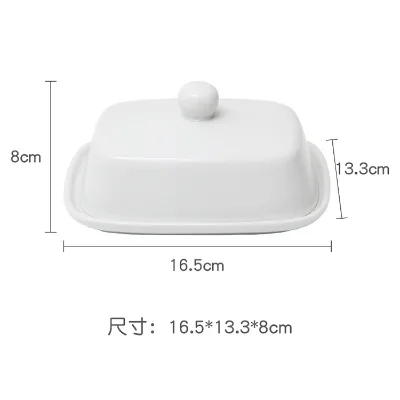
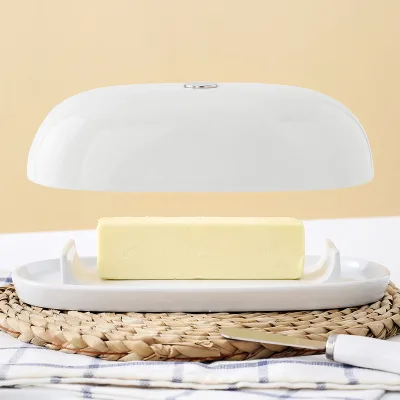
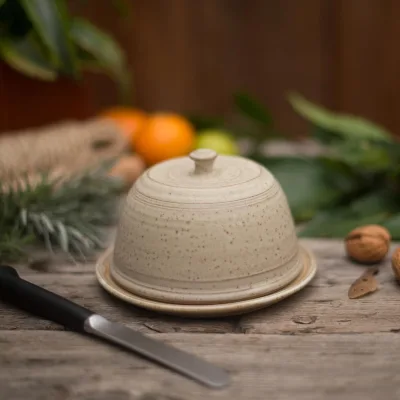
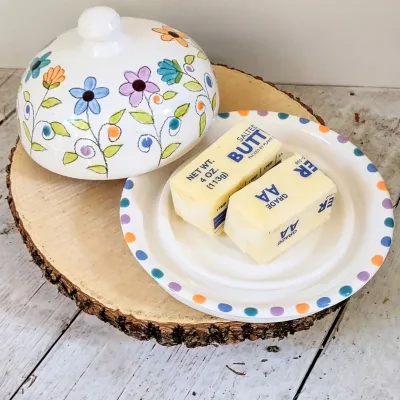
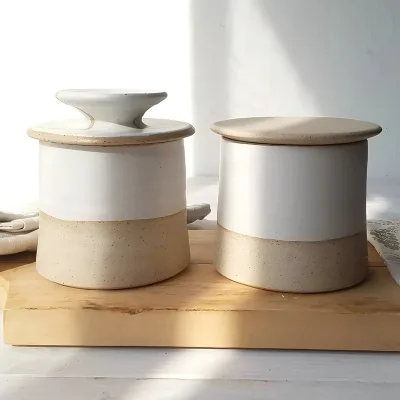
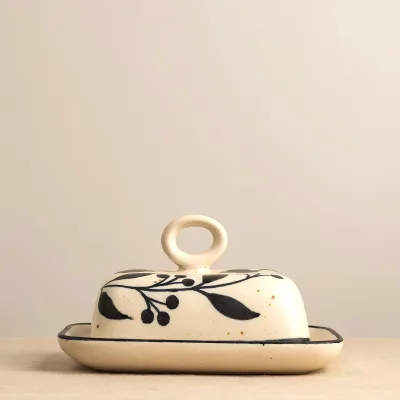
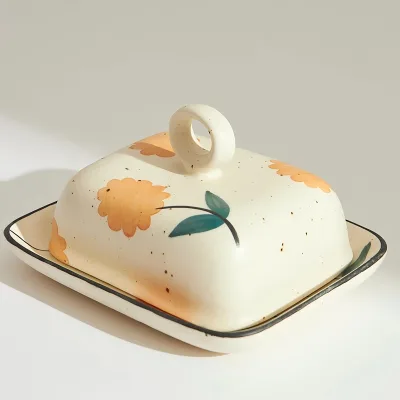
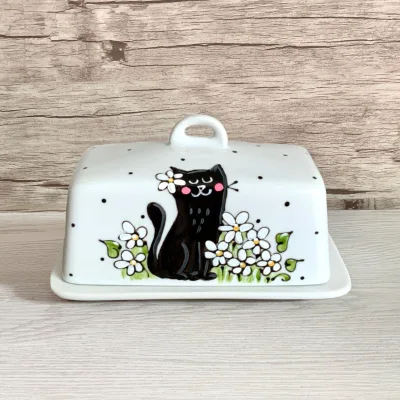
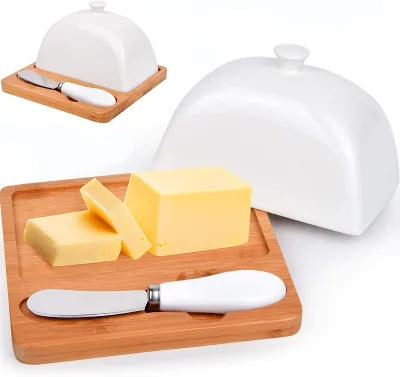
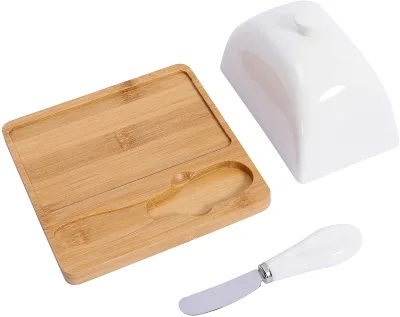
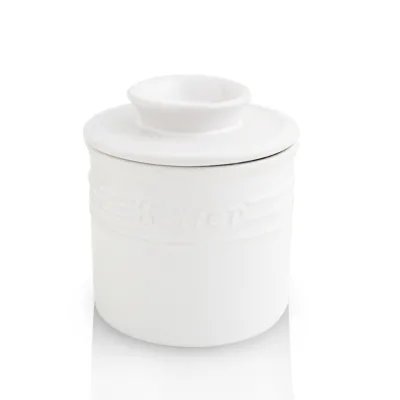


Modern Style Ceramic Butter Dish with Lid for Countertop Handmade Porcelain
$4.20 - $6.00
MOQ: 500 Pieces


Butter Container Nordic Style Rectangle Ceramic Stoneware Butter Dish with and Lid
$2.87 - $3.09
MOQ: 500 Pieces

Rectangular Ceramic Dessert Butter Dish with Cover Cheese Butter Keeper Storage Box
$2.87 - $3.09
MOQ: 500 Pieces

Large Ceramic Butter Dish Butter Keeper Holds Porcelain Container with Lid
$2.87 - $3.09
MOQ: 500 Pieces
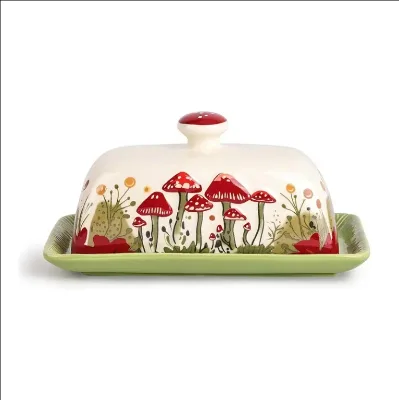
Comprehensive Sourcing Guide
Ceramic Butter Dish Sourcing Guide
Sourcing ceramic butter dishes requires a strategic approach that balances aesthetic customization with rigorous food safety verification, as the product serves a dual purpose of kitchen utility and table presentation. Buyers must navigate a market where materials range from standard porcelain to high-fired ceramics, each offering distinct durability profiles and thermal resistance characteristics essential for daily kitchen use. The decision to source from specific regions like Fujian or Guangdong in China often hinges on the supplier's ability to deliver consistent glazing quality and their capacity for complex customization, such as custom logo printing or unique shape modifications.
Procurement decisions should be grounded in the specific operational needs of the business, whether the target is a retail kitchenware line, a promotional gift set, or a specialized culinary brand. The observed product landscape indicates a strong emphasis on eco-friendly attributes and non-disposable durability, suggesting that buyers should prioritize suppliers who demonstrate a commitment to long-lasting product lifecycles rather than disposable alternatives. Understanding the distinction between OEM and ODM capabilities is critical, as some suppliers offer design flexibility while others focus on manufacturing precision for established brand specifications.
Product Scope and Observed Listing Signals
The current market for ceramic butter dishes presents a diverse range of product models, including specific identifiers like D0307, J0212, and F0006, which signal variations in shape, size, and intended usage. Listings frequently highlight rectangular shapes and solid pattern types, often paired with accessories such as wooden or bamboo lids to enhance the natural aesthetic appeal. Buyers should note that while some models are designed specifically for butter keeping, others are versatile enough for general kitchenware applications, including DIY dessert preparation or camping occasions, requiring careful alignment of product features with the intended end-user scenario.
Customization is a dominant signal in the current supply chain, with nearly all observed listings offering options for custom logos, multicolor or unicolor finishes, and tailored packaging solutions. The availability of decal printing or hand-painted techniques allows for significant brand differentiation, yet this variability introduces complexity in quality control that buyers must manage. The observed price range of 0.7 to 10 USD and MOQs between 24 and 1000 units suggest a tiered market where smaller orders may incur higher per-unit costs, while larger volumes unlock more competitive pricing and flexible production timelines.
Technical Specifications to Verify
Verifying the firing temperature is a critical technical step, as observed data indicates a standard of 1280 degrees Celsius for high-quality porcelain, which directly impacts the density, water absorption rate, and overall durability of the final product. Buyers must confirm that the ceramic type is explicitly defined as porcelain or high-grade ceramic, ensuring the material can withstand repeated dishwasher cycles without degrading or losing its food-safe properties. The specification of the product model, such as SJ20045 or J0295, should be cross-referenced with physical samples to ensure that the dimensions and weight, such as a gross weight of 18.000 kg per batch, match the logistical requirements of the supply chain.
Packaging specifications are equally vital, as the transition from normal safe packing to customized boxes can significantly affect the product's arrival condition and retail presentation. Buyers should verify the package size per batch, which has been observed at dimensions like 56x32x44 cm, to calculate optimal container utilization and shipping costs. Additionally, the distinction between single-unit packaging and batch packaging must be clarified, as the quantity per unit, such as a set of 2, influences the final retail price point and the complexity of the assembly process required by the buyer.
Compliance and Safety Documentation
Food safety compliance is non-negotiable for ceramic butter dishes, and buyers must demand documentation verifying that products meet standards such as FDA, LFGB, and CE/EU regulations. The observed listings frequently cite certifications like CIQ and SGS, which serve as indicators of third-party verification, but these should be treated as claims requiring validation against current batch test reports rather than assumed guarantees. Specific standards like PROP65 are also mentioned, indicating that suppliers must be prepared to demonstrate compliance with chemical safety regulations relevant to the target export markets, particularly in North America and Europe.
Beyond general food safety, the verification of material safety is essential to ensure that the glazes and decorative elements, such as hand-painted designs, do not leach harmful substances into food. Buyers should request specific test results for lead and cadmium leaching, as these are common concerns with ceramic tableware, and ensure that the supplier's quality control processes include rigorous inspection of the firing process to prevent defects that could compromise safety. The presence of a "Food Safe" and "Dishwasher Safe" attribute in product descriptions should be backed by independent laboratory testing to confirm that the product can withstand the thermal and chemical stresses of commercial dishwashing.
Cost Drivers and Commercial Terms
The commercial terms for ceramic butter dishes are heavily influenced by the level of customization required, with lead times ranging from 30 days for standard production to 35-50 working days for complex OEM or ODM projects. Sample times, observed between 7 and 15 days, represent an initial cost and time investment that buyers must factor into their product development schedules, especially when multiple iterations are needed to finalize design and color specifications. The negotiation of production time is often flexible, but buyers should secure written agreements on these timelines to mitigate the risk of delays that could disrupt inventory planning and market launch schedules.
Pricing structures are dynamic and depend on the order volume, with MOQs starting as low as 24 units but often scaling up to 1000 for optimal pricing tiers. Buyers should analyze the cost drivers associated with specific features, such as the inclusion of wooden or bamboo lids, which add material and assembly costs compared to standard ceramic-only units. The choice of printing technology, whether decal or hand-painted, also impacts the final unit cost, with hand-painted options typically commanding a premium due to the labor intensity involved, requiring a clear cost-benefit analysis before committing to a specific production method.
Supplier Qualification and Quality Control
Supplier qualification should extend beyond basic certification checks to include a thorough assessment of their manufacturing capabilities in regions like Dehua, Fujian, or Guangdong, China, which are known for their ceramic expertise. Buyers must verify the supplier's ability to handle both standard and customized orders, ensuring they have the infrastructure to manage the full spectrum of production from raw material sourcing to final packaging. The acceptance of OEM and ODM designs is a key indicator of a supplier's flexibility, but buyers should also evaluate their track record for maintaining consistency across different production batches to avoid quality drift.
Quality control protocols must be explicitly defined and agreed upon before production begins, with a focus on inspecting critical attributes such as the firing temperature consistency, glaze integrity, and the accuracy of custom logo printing. Buyers should implement a pre-shipment inspection process that verifies the product against the agreed-upon specifications, including the model number, color, and packaging requirements. The observation of "A grade" quality standards suggests that suppliers may offer different quality tiers, and buyers must clearly define the acceptable defect rate and the consequences of non-compliance to ensure that the final delivered goods meet their brand standards.
Long-Term Procurement Checks
Establishing a long-term procurement relationship requires regular audits of the supplier's production capacity and their ability to maintain consistent quality over time. Buyers should schedule periodic reviews of the supplier's compliance documentation, ensuring that certifications like FDA and LFGB remain current and that any changes in manufacturing processes are communicated and approved in advance. The stability of the supply chain is paramount, and buyers must assess the supplier's resilience to potential disruptions, such as raw material shortages or logistical challenges, to ensure a steady flow of inventory.
Continuous improvement should be a shared goal, with buyers and suppliers collaborating to refine product designs and optimize packaging for sustainability and cost-efficiency. As the market evolves, buyers should remain vigilant about emerging standards and consumer preferences, such as the increasing demand for eco-friendly materials and sustainable packaging solutions. By maintaining open communication and a proactive approach to quality management, buyers can secure a reliable supply of high-quality ceramic butter dishes that meet both current market demands and future regulatory requirements.
FAQs
What materials and certifications do these ceramic butter dishes have?
The butter dishes are made of ceramic and porcelain, with listings showing certifications such as FDA, LFGB, CE/EU, and CIQ. Many items also reference standards including SGS, PROP65, and BV. Certification coverage can vary by model, so confirm the exact certificates for the specific product before ordering.
Can I customize the logo, size, and color of a Ceramic Butter Dish?
Yes, customization is available. Suppliers offer custom logo printing, OEM and ODM design services, and customized sizes and colors. Decoration is typically done through decal printing or hand-painting. Provide your artwork and specifications early, since customized designs usually require sample approval before mass production begins.
How long does production and sampling take for custom ceramic butter dishes?
Sample lead time is typically 7 to 15 days for a customized Ceramic Butter Dish, and production time is generally 30 days, with some listings quoting 35 to 50 working days for mass production. Timelines are negotiable depending on order quantity, design complexity, and current factory schedules.
What is the typical minimum order quantity and price range?
Listed MOQs range from 24 to 1000 pieces, and prices shown range from roughly 0.7 to 10 US dollars. The actual MOQ and price depend on the model, size, decoration, and packaging you choose. Request quotations for specific configurations to confirm current terms.
Are the butter dishes food safe and dishwasher safe?
Listed quality attributes indicate the dishes are food safe and dishwasher safe, fired at around 1280 degrees for durability. Because each product line differs, verify that the specific model you select meets your market's food contact requirements and obtain relevant test documentation before shipment.
What lid options and packaging are available for ceramic butter dishes?
Some models come with a wooden lid or a bamboo lid as an accessory. Standard packing is normal safe packing to protect the ceramic during transit, and customized boxes are available on request. Confirm packing requirements at the quotation stage so carton dimensions and costs are included.
Where are these Ceramic Butter Dish products made?
The listings originate from Fujian, including Dehua, and from Guangdong, China. These regions are established ceramic production areas with many porcelain manufacturers. Origin does not affect quality by itself, so evaluate each supplier on certifications, samples, and production capability for your specific requirements.
What are the intended uses of these ceramic butter dishes?
The primary usage is as a butter dish, butter holder, or butter keeper for kitchenware, and the rectangular shape with a cover lid keeps butter protected. Some listings also suit DIY dessert presentation. Designs come in multicolor or unicolor finishes with solid pattern types.