Source Ceramic Coasters for cafes, offices, and home decor
Compare 30 ceramic coaster options from Fujian suppliers featuring modern and novelty designs. Buyers can evaluate sizes, shapes, and customization capabilities for various applications.
Key considerations
Products List
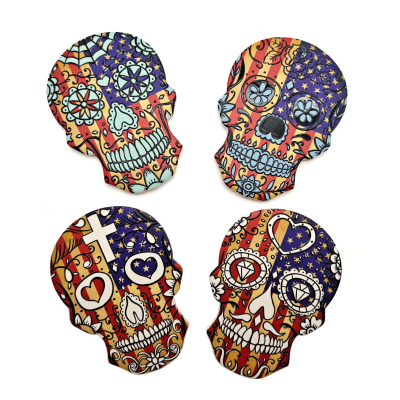
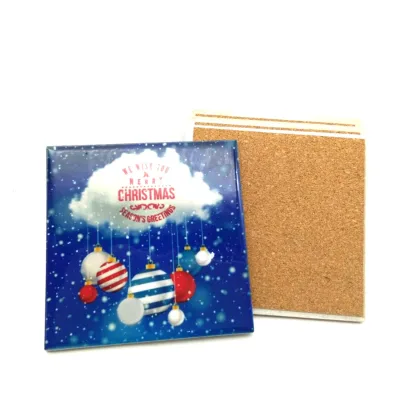
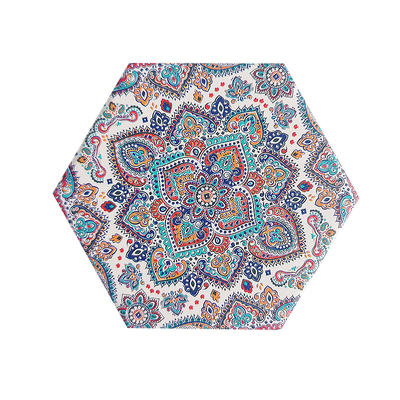
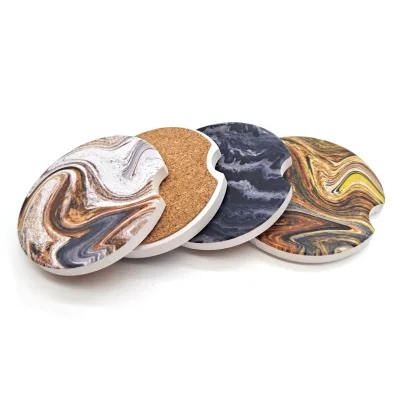
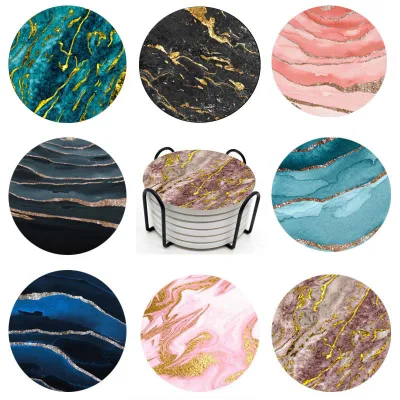
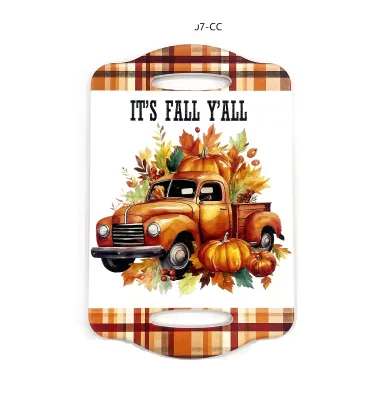


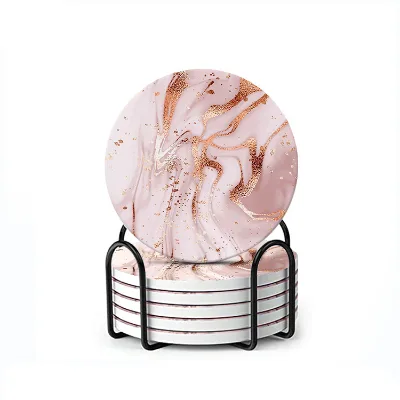
High Quality Absorbent Non-Slip Custom Ceramic Coasters for Branding Cup Mats
$0.50 - $1.20
MOQ: 1000 Pieces

Custom Ceramic Coaster Set Personalized Beer Coaster Souvenir with Logo
$0.50 - $1.20
MOQ: 1000 Pieces
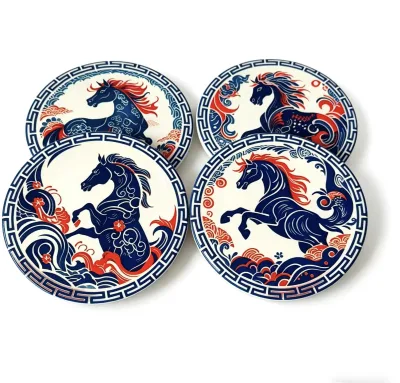
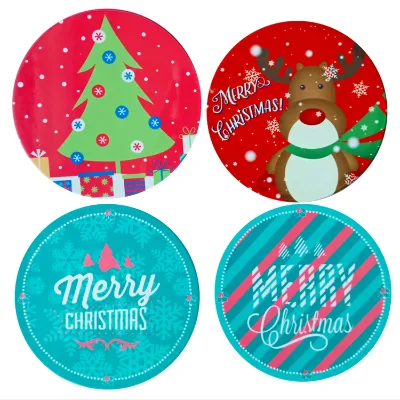
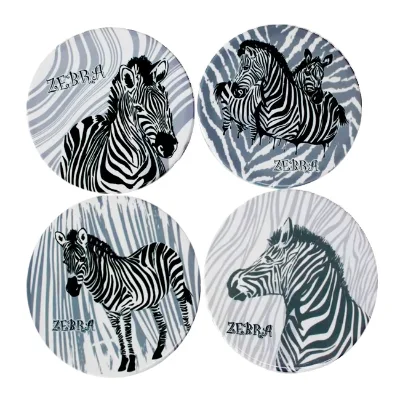
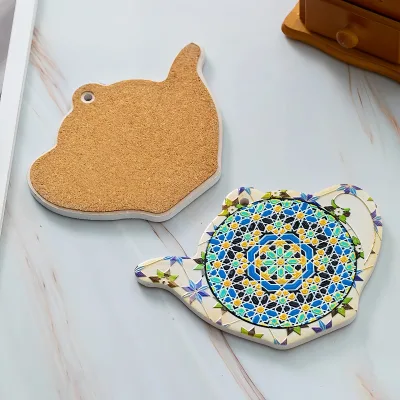
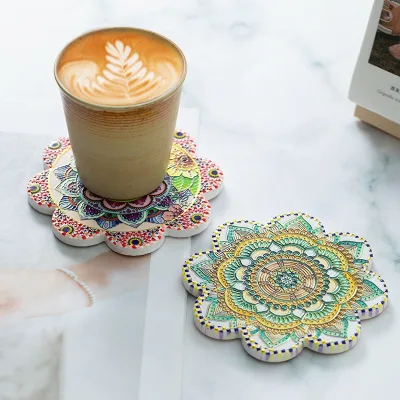
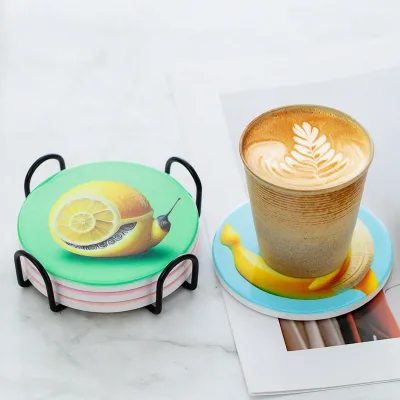
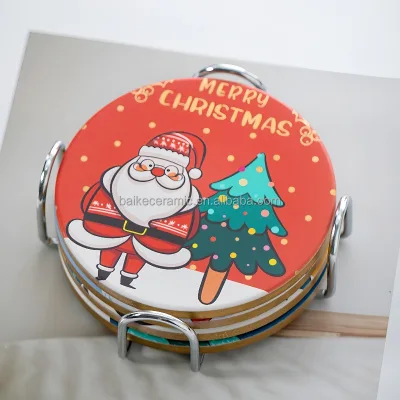
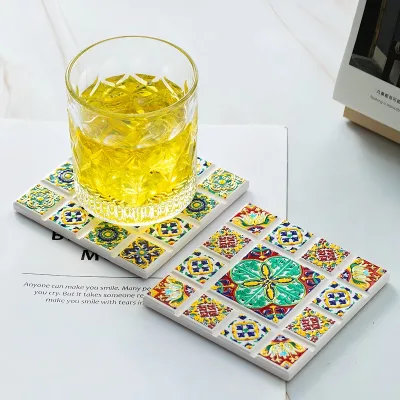
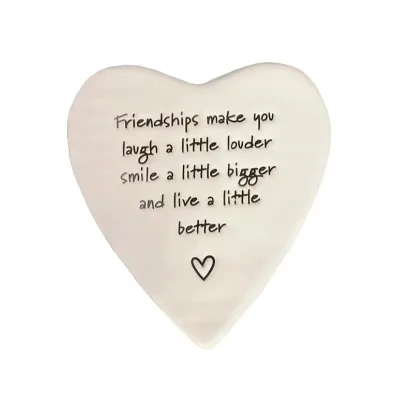
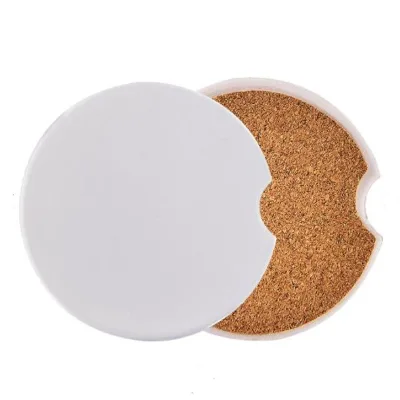




Comprehensive Sourcing Guide
Strategic Sourcing Guide for Ceramic Coasters in B2B Markets
Understanding Product Variants and Technical Specifications
The global market for Ceramic Coasters presents a diverse array of options, ranging from functional drink holders to decorative table accessories. When initiating a procurement strategy, buyers must first distinguish between the specific technical attributes observed in current listings. The product landscape includes items explicitly described as "ceramic coaster set" and "sublimation blank coaster ceramic," indicating distinct manufacturing end-uses. One category focuses on the "ornament coaster" with an "Irregular" shape, often designed for aesthetic appeal, while another segment prioritizes the "square coaster" and "hexagon coaster" for standardized utility.
Technical specifications vary significantly across these variants, directly impacting logistics and storage. For instance, specific listings detail a "Single package size" of 12.5x9x0.8 cm for ornament-style units, whereas sublimation blanks are often packaged at 10.3x10.3x0.8 cm. The physical dimensions of the coaster itself are equally critical; observed data points to a standard "coaster Size" of 10x10x0.8 cm for square models, while other entries note a thickness of 6 mm for hexagonal designs. Buyers must be aware that while some product descriptions list a "diameter" exceeding 600 mm, this likely refers to a bulk packaging dimension or a specific large-format design rather than the individual coaster unit, which typically measures around 10 cm.
The weight of individual units also fluctuates based on density and size. Observed "Single gross weight" figures range from 0.001 kg for lightweight novelty items to 1.000 kg for heavier, possibly multi-piece or bulk-packed sets. This variance is crucial for freight cost calculations. Furthermore, the "shape" attribute is a primary differentiator, with available options including "Octagon," "Square," and "Irregular" forms. The "Design" aspect further segments the market, with offerings ranging from "ceramic coffee coaster" designs to "christmas coaster gift" themes and "customized ceramic car coaster" options. Understanding these granular specifications is the first step in aligning product selection with specific customer needs.
Compliance, Certification, and Material Safety Standards
In the B2B procurement of ceramic products, verifying compliance and material safety is non-negotiable. Ceramic items often come into direct contact with beverages, making the verification of non-toxic materials and adherence to international safety standards a priority. Based on available market data, certain high-confidence listings explicitly cite certifications such as EN71, REACH, ROHS, and ISO9001. These standards cover a broad spectrum of safety requirements, from chemical restrictions on heavy metals (ROHS, REACH) to general product safety for children's items (EN71) and quality management systems (ISO9001).
However, buyers must exercise caution when interpreting certification claims. While some product entries list "ceramic ornament" under the certification field, this phrasing may indicate the product category rather than a specific third-party audit result. Therefore, the procurement strategy must include a rigorous verification step where the buyer requests valid, current certification documents from the supplier for the specific batch or model number, such as "CH120221a-ceramic coffee coaster" or "CH1711 sublimation ceramic coaster."
The material composition is another critical compliance factor. The core material is consistently identified as "ceramic," with specific mentions of "ceramic ornament" and "ceramic hexagon coaster." For products intended for food contact, the glaze and the ceramic body must be free from lead and cadmium leaching. Buyers should verify that the "ceramic coaster" material meets the specific regulatory requirements of their target export market, whether that is the European Union, North America, or Asia. The presence of "Eco-Friendly" attributes in some listings suggests a growing trend toward sustainable manufacturing, but this claim requires substantiation through lifecycle assessments or specific eco-certifications, which are not universally present in the current data set.
Cost Drivers and Pricing Dynamics
The pricing structure for Ceramic Coasters is influenced by a complex interplay of material costs, manufacturing complexity, and order volume. The observed listed price range in the current market spans from 0.1 to 5.09 USD. This wide variance suggests that price is not solely a function of the base material but is heavily dependent on the "Design" complexity, the "Printing" capabilities, and the "MOQ" (Minimum Order Quantity) thresholds.
Several key factors drive these costs. First, the "Printing" method is a significant cost driver. Listings mentioning "printing coaster" or "sublimation blank coaster" indicate that the cost includes or excludes the customization process. Sublimation blanks, which require a specific ceramic coating to accept dye-sublimation ink, often command a different price point than standard glazed coasters. Second, the "Style" and "Design" elements, such as "Modern," "Cute," "Novelty," or "Europe" styles, add value through design labor and tooling. A "hexagon coaster" with a specific "Novelty" design may cost more than a standard "square coaster" due to the complexity of the mold or the finishing process.
The "MOQ" range, observed between 10 and 5000 units, plays a pivotal role in the final unit price. Suppliers offering lower MOQs, such as 10 units, typically charge a premium per unit to cover setup costs and small-batch inefficiencies. Conversely, orders approaching the 5000-unit threshold may benefit from economies of scale, potentially bringing the price closer to the lower end of the observed range. Additionally, the "Packing" configuration, such as "4 pieces in a box," affects the logistics cost, which is often factored into the FOB or CIF price. Buyers must negotiate not just the unit price but also the cost implications of packaging and the flexibility of the MOQ to optimize their total landed cost.
Typical Applications and Market Segmentation
Ceramic Coasters serve multiple functions across various market segments, from practical household accessories to specialized promotional items. The primary "Usage" is identified as a "cup coaster holder," a fundamental function for protecting table surfaces from heat and moisture. However, the "Table Decoration & Accessories Type" classification as "Mats & Pads" indicates a secondary role as a decorative element. This duality allows buyers to target diverse customer bases, including hospitality providers, retail home goods stores, and corporate gifting agencies.
Specific applications are often dictated by the product's "Design" and "Shape." "Christmas coaster gift" designs are clearly targeted at seasonal retail markets, while "customized ceramic car coaster" options cater to the automotive accessory sector or corporate branding campaigns. The "Logo" capability, noted as "printing coaster," makes these items highly suitable for B2B marketing, where companies can brand coasters with corporate logos for events or trade shows. The "Eco-Friendly" attribute appeals to the growing segment of environmentally conscious consumers and businesses seeking sustainable office or home accessories.
The "Color" options, such as "Burgundy," "Dark Gray," and "Chocolate," further segment the market. Darker tones like "Dark Gray" and "Chocolate" are often preferred for modern, minimalist interiors, while "Burgundy" may target more traditional or luxury design aesthetics. The "Single gross weight" and "Single package size" also influence application; lighter, smaller packages are ideal for e-commerce shipping, while heavier, bulk-packed items might be better suited for wholesale distribution to large retailers. Understanding these applications helps buyers align their sourcing strategy with the specific demands of their target demographic.
Supplier Evaluation and Manufacturing Capabilities
When evaluating potential suppliers for Ceramic Coasters, buyers must look beyond the basic product listing to assess manufacturing capabilities and reliability. The data indicates that many suppliers are identified as "ODM coaster" or "ODM" providers, suggesting they offer Original Design Manufacturing services. This is a significant advantage for buyers seeking unique products, as ODM suppliers can often provide custom designs, shapes, and finishes without the need for the buyer to invest in their own R&D.
The "factory" attribute is a critical indicator of supply chain stability. Listings explicitly stating "Yes ornament," "Yes sublimation blank coaster ceramic," or simply "coaster" as the factory type suggest direct manufacturing relationships. Buyers should prioritize suppliers who can demonstrate direct factory control, as this often leads to better quality consistency and more flexible communication. The "place of origin" is consistently listed as "Fujian, China," a region known for its ceramic industry. While this provides a geographic anchor, buyers should verify the specific factory location and capacity within this region to ensure they are dealing with a legitimate manufacturer rather than a trading company.
Verification of the "model number" is also essential for traceability. Specific identifiers like "CH120221a-ceramic coffee coaster" or "CH20 11a- hexagon coaster" allow buyers to track specific production runs and ensure that the samples received match the ordered specifications. Buyers should request a factory audit or video tour to confirm the production lines, especially for specialized processes like sublimation printing or intricate molding for "Irregular" shapes. The ability to handle "Customized" orders, as noted in the "Printing" attributes, is a key differentiator for suppliers capable of meeting bespoke B2B requirements.
Quality Control and Long-Term Procurement Strategy
Implementing a robust quality control (QC) protocol is essential for mitigating risks associated with ceramic procurement. Given the brittle nature of ceramic materials, the "Single gross weight" and "Single package size" data highlight the importance of protective packaging to prevent breakage during transit. Buyers should insist on drop-test results and specific packaging standards, such as the "4 pieces in a box" configuration, to ensure product integrity. The "Thickness" of 6 mm for hexagonal coasters, for example, suggests a need for durability checks to ensure the ceramic does not chip or crack under normal use.
Long-term procurement considerations involve building a sustainable supply chain that can adapt to market fluctuations. The wide range of "MOQ" values (10-5000) offers flexibility, but buyers should aim to establish volume-based agreements that lock in favorable pricing and lead times. Consistency in "Color" and "Shape" is paramount for brand integrity; a buyer sourcing "Burgundy" coasters must ensure that the dye lot remains consistent across multiple production runs. Furthermore, the "Eco-Friendly" trend suggests that future procurement strategies should include suppliers who can provide verifiable sustainability data, ensuring the supply chain remains compliant with evolving environmental regulations.
Finally, buyers must maintain a clear distinction between product attributes and performance claims. While listings may describe items as "Eco-Friendly" or "Modern," these are observations that require verification. A successful long-term strategy relies on continuous communication with the supplier, regular quality audits, and a clear understanding of the technical specifications, such as the "coaster Size" and "material" composition, to ensure that every shipment meets the agreed-upon standards. By focusing on these evidence-based factors, buyers can navigate the ceramic coaster market with confidence and efficiency.
FAQs
What certifications do Ceramic Coasters typically have?
High-confidence listings explicitly cite EN71, REACH, ROHS, and ISO9001 certifications. Buyers must verify valid, current documents for specific batches to ensure compliance with safety standards for food contact and chemical restrictions.
Which shapes are available for ceramic coaster sets?
Available shapes include square, hexagon, octagon, and irregular ornament designs. Specific model numbers like CH1711 denote square sublimation blanks, while CH20 11a refers to hexagon coasters with a 6 mm thickness.
How much do Ceramic Coasters cost per unit?
The observed listed price range spans from 0.1 to 5.09 USD. Final pricing depends heavily on design complexity, printing methods, and order volume, with MOQs ranging from 10 to 5000 units affecting the unit cost.
Can I customize the logo on Ceramic Coasters?
Yes, customization is available through printing or sublimation blank options. Listings mention printing coasters and sublimation blanks, allowing buyers to add logos for corporate gifting or promotional campaigns with specific model numbers.
What are the standard package dimensions for these items?
Single package sizes vary by design, with ornament styles at 12.5x9x0.8 cm and square sublimation blanks at 10.3x10.3x0.8 cm. Some units are packed as four pieces in a box with a gross weight of 1.000 kg.
Where are these Ceramic Coasters manufactured?
The place of origin is consistently listed as Fujian, China. Buyers should verify specific factory locations within this region to ensure they are dealing with direct manufacturers rather than trading companies offering ODM services.