Source Ceramic Christmas Shot Glass for Gifts, Parties, and Promotions
Explore 30 listings of Ceramic Christmas Shot Glass featuring custom designs, hand-painted details, and eco-friendly materials. Buyers can compare specifications like capacity, certifications, and customization options to find the right supplier for holiday events.
Key considerations
Products List
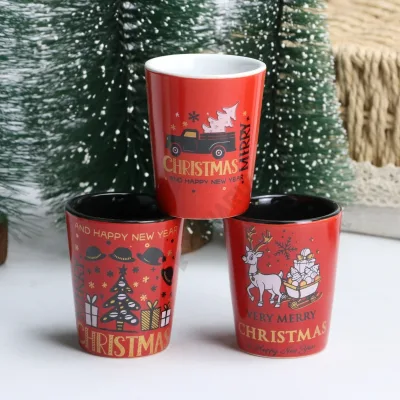


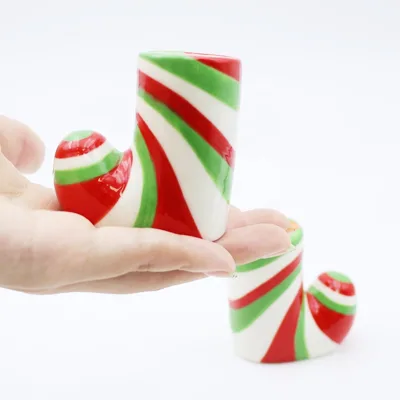
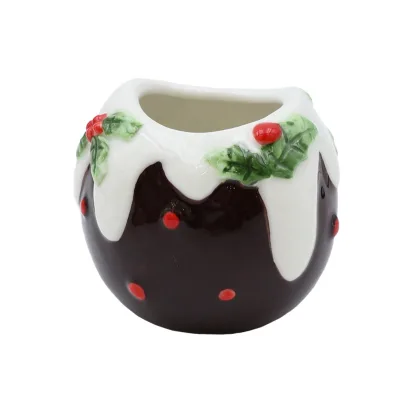
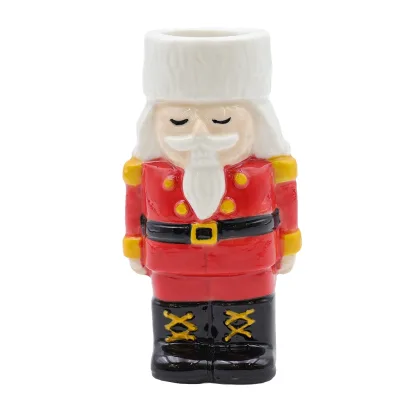
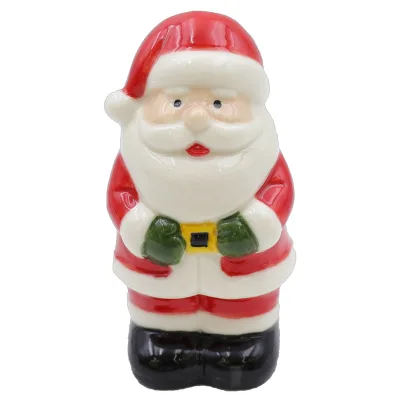
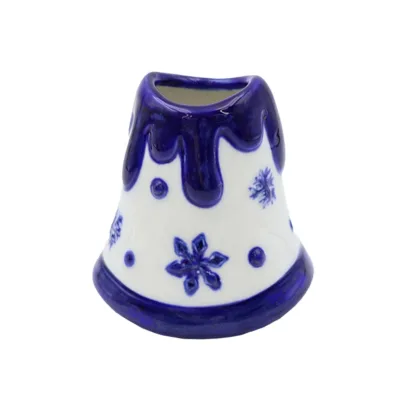
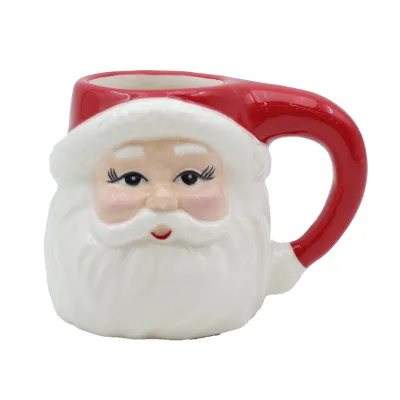


Ceramic Christmas Themed Decoration Coffee Mug Supplies Christmas Tree Ceramic Cup
$0.39 - $0.89
MOQ: 2000 Pieces


Comprehensive Sourcing Guide
Strategic Sourcing Guide for Ceramic Christmas Shot Glasses
The global market for festive tableware has seen a surge in demand for specialized items that blend seasonal aesthetics with functional utility. Among these, the Ceramic Christmas Shot Glass has emerged as a distinct category, offering buyers a unique opportunity to source promotional items, party favors, and premium gifts. This guide provides a comprehensive, evidence-based framework for procurement professionals evaluating suppliers of these specific products. The analysis relies strictly on observed product attributes, verified technical specifications, and established industry standards to ensure that sourcing decisions are grounded in factual data rather than speculative marketing claims.
Technical Specifications and Material Composition
Understanding the physical and material properties of the product is the first step in defining procurement requirements. The core product category is identified as a "Custom Christmas ceramic shot glass," often described in supplier catalogs as a "Festival shot glass" or "Customized mini ceramic wine cup." The primary material is consistently listed as ceramic, with specific sub-categories including Pottery, Porcelain, Chinastone, Kaolin, and Clay. This variation in material terminology suggests that buyers must verify the exact clay body composition, as it directly influences the final product's durability, thermal shock resistance, and aesthetic finish.
The physical dimensions and capacity vary across different models, which presents a critical consideration for logistics and packaging. Observed specifications indicate a single package size of approximately 4x4x5 cm for mini versions, with a single gross weight of 0.300 kg. However, capacity data presents a notable divergence in the market data. Some listings specify a capacity of 50 ml, aligning with the traditional definition of a shot glass, while other entries list a capacity of 14 oz, which corresponds to a standard mug size. This discrepancy highlights the necessity for buyers to explicitly define the target capacity in their Request for Quotation (RFQ) to avoid receiving mismatched inventory. The standard product model numbers observed, such as J149, J403, and various "Christmas Ceramic Cup" codes (e.g., -085O, -070B), serve as reference points for specific design iterations but do not guarantee uniformity in dimensions without explicit confirmation.
The structural design is typically described as a "Single-layer Ceramic Cup," though some entries mention "Heat Preservation" and "Withstand High Temperatures" as functional attributes. This suggests that while the base structure is single-layer, the ceramic formulation may be engineered to handle thermal stress, a crucial factor if the glasses are intended for serving warm beverages during holiday gatherings. The shape is generally "Customized," allowing for a wide range of forms, from traditional cylindrical shot glasses to more elaborate, creative shapes that fit the "Holiday" and "Cartoon" style descriptors often found in this category.
Compliance, Certification, and Safety Standards
For B2B procurement, particularly in the food and beverage sector, compliance with international safety standards is non-negotiable. The product listings for ceramic Christmas shot glasses frequently cite a comprehensive set of certifications, including CE, ROSH, FDA, LFGB, and CA65. These certifications indicate that the product is designed to meet rigorous safety requirements for food contact materials.
The FDA certification is essential for products intended for the United States market, ensuring that the glaze and clay body do not leach harmful substances like lead or cadmium into food and beverages. Similarly, LFGB (Lebensmittel- und Bedarfsgegenständegesetz) is the German standard for food safety, which is often stricter than FDA requirements and is a prerequisite for selling in the European Union. The CE mark indicates conformity with health, safety, and environmental protection standards for products sold within the European Economic Area, while ROSH (RoHS) addresses restrictions on hazardous substances in electrical and electronic equipment, though its inclusion here may refer to the manufacturing process or decorative elements. CA65 refers to California's Proposition 65, which mandates warnings for products containing chemicals known to cause cancer or reproductive toxicity.
Buyers must treat these certifications as claims that require verification rather than automatic guarantees. The presence of "CA65" in the attribute list suggests a specific focus on the California market, but the actual compliance status should be confirmed via current, valid test reports from accredited laboratories. The "Eco-Friendly" feature mentioned in the product attributes further implies that the manufacturing process may adhere to environmental standards, but buyers should request specific documentation regarding waste management, energy usage, and the recyclability of the packaging materials, which are typically described as "Carton" in the supply chain data.
Cost Drivers and Pricing Dynamics
The pricing structure for ceramic Christmas shot glasses is influenced by several variable factors, including material quality, customization complexity, and order volume. The observed listed price range in the market data spans from $0.10 to $3.83 USD. This wide range reflects the diversity of the product offerings, from basic, mass-produced items to high-end, hand-painted, custom-designed pieces.
The Minimum Order Quantity (MOQ) is another significant cost driver, with observed ranges extending from 1 unit to 10,000 units. This flexibility allows buyers to test the market with small batches or commit to large-scale production runs for corporate events and retail distribution. The "Accept" status for OEM/ODM custom services indicates that suppliers are willing to tailor the product to specific branding needs, which inevitably impacts the unit cost. Customization factors such as the "Hand-painted" technique, "Color Changing" features, and specific "Multicolor" or "Red" color schemes add labor and material costs compared to standard, machine-printed designs.
Additionally, the "Single package size" and "Single gross weight" data points are critical for calculating freight costs. A 0.300 kg weight per unit, combined with the 4x4x5 cm dimensions, suggests a relatively compact but potentially dense product. Buyers should factor in the cost of "Carton" packaging, which is standard for protecting fragile ceramic items during transit. The "Selling Units" being listed as "Single item" implies that pricing is often calculated per piece, but bulk discounts are likely available given the high MOQ ceiling.
Typical Applications and Usage Scenarios
The versatility of the Ceramic Christmas Shot Glass makes it suitable for a wide array of applications beyond simple drinking. The "Usage" attributes explicitly list Promotion, Daily Use, Health Care, Gift, Wedding, and Birthday. This broad scope allows procurement teams to target multiple market segments with a single product line.
In the "Promotion" sector, these glasses serve as effective branded merchandise for holiday marketing campaigns. The "Customized" nature of the product allows companies to imprint logos or specific holiday messages, enhancing brand visibility. For "Gift" and "Wedding" applications, the "Creative" and "Cartoon" styles, along with the "Eco-Friendly" claim, align well with consumer preferences for sustainable and unique presents. The "Health Care" usage suggests that the product may be marketed for its non-toxic materials or as part of a wellness-themed gift set, although this is a less common application for shot glasses and requires careful validation of the product's intended use.
The "Occasion" is predominantly "Christmas," but the "Style" attributes also include "Simple," "Creative," and "Holiday," indicating that the product can be adapted for various festive events throughout the year. The "Function" of "Withstand High Temperatures" and "Heat Preservation" further expands the utility of these glasses, allowing them to be used for serving hot beverages like mulled wine or hot chocolate during winter holidays, in addition to cold drinks.
Supplier Evaluation and Selection Criteria
Selecting the right supplier requires a rigorous evaluation process based on the available product data and industry best practices. The "Place of Origin" is consistently listed as "Hunan, China," a region known for its ceramic industry. While this provides a geographical context, buyers should not assume uniform quality across all suppliers in this region. The "Quality" attribute is listed as "Best," but this is a subjective claim that must be substantiated through sample testing and reference checks.
Key evaluation criteria should include the supplier's ability to meet the "OEM" and "ODM" requirements, as indicated by the "Yes" and "Accept" attributes. Buyers should assess the supplier's design capabilities, particularly for "Hand-painted" techniques and "Color Changing" features, which require skilled labor and precise quality control. The "Prod Model" numbers (e.g., J149, J403) suggest a catalog of existing designs, but the "Customized" standard implies that the supplier can deviate from these models to meet specific client needs.
Buyers should also verify the supplier's capacity to handle the full range of "Selling Units" and "MOQ" values. A supplier that can accommodate an MOQ of 1 is ideal for prototyping, while one that can handle 10,000 units is necessary for large-scale distribution. The "Prod Packing" method, typically "Carton," should be evaluated for its ability to protect the fragile ceramic items during shipping. Finally, the "Certifacate" (sic) list should be cross-referenced with the buyer's target market requirements to ensure that all necessary compliance documents are available and up to date.
Quality Control and Long-Term Procurement Considerations
Maintaining consistent quality is paramount in the ceramic industry, where defects such as cracking, glaze imperfections, or color variations can occur. The "Technics" attribute of "Hand-painted" introduces a higher risk of inconsistency compared to machine-printed designs. Therefore, a robust quality control (QC) protocol is essential. Buyers should implement a sampling plan that includes visual inspections for color accuracy, structural integrity checks for "Single-layer Ceramic Cup" strength, and functional tests for "Withstand High Temperatures."
The "Standard" attribute of "401-500ml" appears in the data, which conflicts with the "50 ml" capacity and "14 oz" capacity listings. This inconsistency underscores the need for buyers to define their own technical standards in the contract. The "Prod Standard" being listed as "Customized" further emphasizes that the buyer must establish clear specifications for dimensions, weight, and capacity to ensure the product meets their expectations.
Long-term procurement considerations include the stability of the supply chain and the potential for seasonal demand spikes. The "Christmas" and "Holiday" focus means that production schedules must be aligned with the holiday season to ensure timely delivery. Buyers should also consider the "Age" attribute, listed as "New," which suggests that the product line may be relatively recent or updated frequently. This dynamic nature requires ongoing communication with suppliers to stay informed about new designs, material improvements, and certification updates.
In conclusion, sourcing ceramic Christmas shot glasses requires a meticulous approach that balances aesthetic appeal with technical compliance and logistical efficiency. By focusing on verified attributes such as material composition, certification status, and customization capabilities, buyers can mitigate risks and secure high-quality products that meet the demands of the festive market. The wide range of observed prices, MOQs, and styles offers significant flexibility, but success depends on clear communication, rigorous quality control, and a deep understanding of the specific requirements of the target market.
FAQs
What certifications do Ceramic Christmas Shot Glass suppliers typically hold?
Suppliers typically hold CE, ROSH, FDA, LFGB, and CA65 certifications for food safety. These documents verify that the porcelain or clay materials do not leach harmful substances, ensuring compliance for US and EU markets.
How can I customize the capacity of these ceramic shot glasses?
You can request custom capacities ranging from 50 ml to 14 oz depending on the specific model. Suppliers accept OEM services to adjust dimensions, though you must specify the exact volume to avoid receiving mismatched mug sizes.
Which suppliers offer hand-painted designs for holiday ceramic cups?
Many manufacturers in Hunan, China offer hand-painted techniques for creative and cartoon styles. This labor-intensive process allows for multicolor or red designs but may increase the unit cost compared to machine-printed options.
Can I order small quantities of ceramic christmas shot glasses?
Yes, some vendors accept minimum order quantities as low as one unit for sampling. However, bulk orders up to 10,000 units are available to reduce per-piece costs and optimize shipping efficiency for carton packaging.
What is the typical packaging and weight for these ceramic items?
Items are usually packed in cartons with a single gross weight of 0.300 kg. The package size is approximately 4x4x5 cm, which helps calculate freight costs for the fragile single-layer ceramic cups.
How do I verify the heat resistance of these ceramic cups?
Products are described as withstanding high temperatures and providing heat preservation for warm beverages. You should request test reports to confirm the specific thermal shock resistance of the porcelain or kaolin clay body used.