Source Ceramic Square Cable Tie Mount for Industrial Use
Find and compare 30 listings for Ceramic Square Cable Tie Mount options from verified suppliers. Evaluate specifications such as flame retardancy, material composition, and certification standards to select the right solution for your project.
Key considerations
Products List






Comprehensive Sourcing Guide
Ceramic Square Cable Tie Mount Sourcing Guide
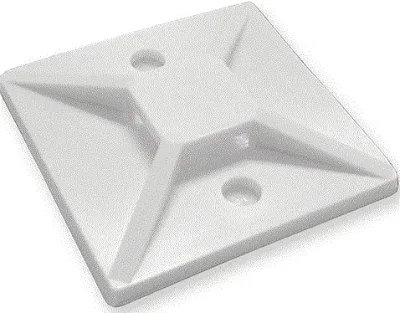
Sourcing ceramic square cable tie mounts requires a careful distinction between the material properties of the mount itself and the fastening hardware used to secure it. While the core keyword specifies ceramic, the observed market data for cable tie accessories predominantly features ABS plastic and Nylon 66 materials. Buyers must verify whether the supplier offers genuine ceramic components for high-temperature or corrosive environments, or if the listing refers to plastic mounts designed for standard industrial tie-down applications. The square form factor typically indicates a base plate design that distributes load across a wider surface area, which is critical for preventing pull-through in softer substrates like wood or drywall.
The procurement process for these mounts involves evaluating the compatibility between the mount’s mounting holes and the specific cable tie type, such as self-locking nylon ties. Observed listings indicate a wide range of model sizes, including 20mm, 25mm, 30mm, and 40mm variants, which directly influence the tensile strength and cable diameter capacity. Buyers should confirm if the square mount is intended for surface mounting via screws or if it integrates with a specific rail system. Understanding the mechanical interface is essential, as ceramic mounts, if available, would offer superior thermal stability compared to the more common plastic alternatives found in the current supply base.
Product Scope and Observed Listing Signals
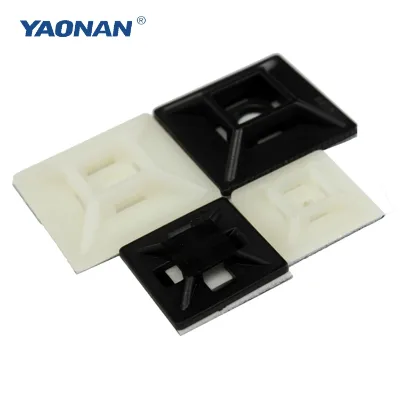
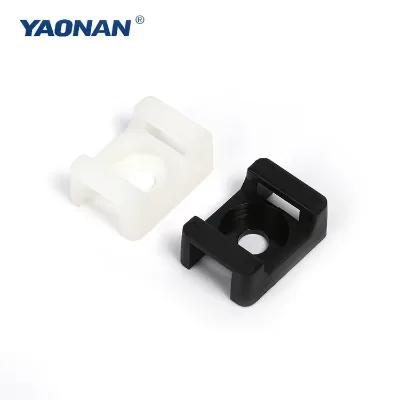
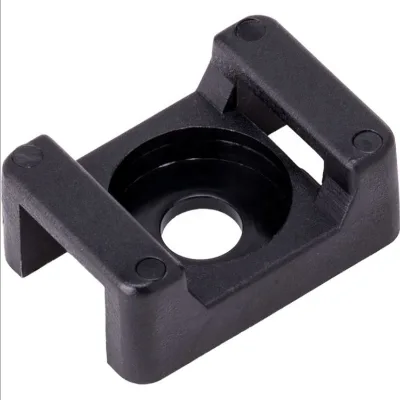
The current market landscape for cable tie mounts is heavily dominated by plastic materials, specifically ABS and Nylon 66, rather than ceramic. Observed product attributes list materials such as ABS and Nylon, with flame retardant ratings ranging from normal to high, and specific standards like UL 94 V-0 mentioned for nylon variants. This suggests that while the search term includes "ceramic," the available inventory likely consists of high-performance plastic mounts that mimic the durability required for industrial use. Buyers should be prepared to encounter listings for white or black plastic mounts that offer cost-effective solutions for general-purpose cable management in electrical panels or outdoor enclosures.
Packaging and unit metrics provide insight into the scale of procurement available. Listings show packaging details such as 100 pieces per polybag or carton, with gross weights around 0.850 kg per batch for smaller units. The selling units are often structured in multiples of 1,000, indicating that these products are typically traded in bulk for industrial supply chains rather than retail. The observed price range is low, suggesting that standard plastic mounts are commoditized items. However, if genuine ceramic mounts are sourced, the price and MOQ structures would likely differ significantly due to the higher manufacturing complexity and material costs associated with fired ceramic components.
Technical Specifications to Verify
Material composition is the primary technical variable to verify, especially given the discrepancy between the "ceramic" keyword and the prevalent "ABS/Nylon" data. Buyers must explicitly confirm if the square mount is made from ceramic, porcelain, or high-grade engineering plastic. If plastic, the specific grade, such as Nylon 66, is critical for determining UV resistance and tensile strength. The observed data highlights flame retardancy as a key attribute, with some products rated for high flame resistance. For ceramic mounts, thermal conductivity and insulation properties would be the primary technical advantages, whereas for plastic mounts, chemical resistance and impact strength are the key performance indicators.
Dimensional accuracy and mounting hole patterns are essential for ensuring compatibility with existing infrastructure. The observed model numbers, such as MG-20 or MZ0703, suggest standardized sizing, but buyers should verify the exact hole diameter and spacing for the square base. The size specifications listed, such as 20x20mm or 4mm width, indicate a variety of form factors. It is crucial to determine if the mount is designed for specific cable tie widths or if it serves as a general-purpose anchor. Additionally, the condition of the product, whether new or used, should be clarified, as used mounts may have compromised structural integrity or residual adhesive from previous installations.
Compliance and Safety Documentation
Certification requirements vary significantly depending on the material and application environment. The observed listings frequently cite certifications such as RoHS, CCC, ISO, and CE, which are standard for electronic components and plastic hardware. For ceramic mounts, buyers should verify if they meet specific electrical insulation standards, such as UL 62275 for cable ties and accessories, although this standard is more directly applicable to the tie itself. If the mount is used in hazardous environments, flame retardancy certifications like UL 94 V-0 for nylon or equivalent ceramic fire ratings must be confirmed. Buyers should request test reports that validate the material's resistance to heat, fire, and environmental stress.
Quality management systems and origin documentation are also critical for compliance. Many observed suppliers are located in Zhejiang or Wenzhou, China, and hold ISO certifications, indicating a structured quality control process. However, buyers should verify if the specific product batch has undergone independent testing by recognized bodies like SGS or TUV. For applications in regulated industries such as automotive or aerospace, additional certifications may be required. The presence of management system certifications like UL, CE, and TUV suggests a baseline of quality, but buyers must ensure these apply to the specific ceramic or plastic variant being procured, not just the supplier's general operations.
Cost Drivers and Commercial Terms
Pricing for cable tie mounts is influenced by material costs, volume discounts, and packaging complexity. The observed price range is low, reflecting the commoditized nature of plastic mounts. However, if ceramic mounts are sourced, the cost will be driven by the raw material price of ceramic powder, the energy-intensive firing process, and the precision molding required for square bases. Buyers should anticipate higher unit costs for ceramic variants due to their specialized application in high-temperature or high-insulation scenarios. The MOQ observed, ranging from 1 to 100,000 units, allows for flexibility, but larger volumes typically yield better pricing tiers.
Commercial terms and payment methods are standard in the industry, with T/T, L/C, and Western Union being common options. Lead times are generally short, with some listings indicating delivery within 7 to 15 days. Buyers should clarify if the quoted price includes packaging, such as neutral packing or branded cartons, as this can affect the final landed cost. Customization options are available, which may incur additional setup fees or higher MOQs. It is important to negotiate clear terms for defective goods and returns, especially when sourcing from international suppliers where quality consistency can vary.
Supplier Qualification and Quality Control
Supplier verification is crucial to ensure that the products meet the specified material and performance requirements. Buyers should audit the supplier’s production capabilities, particularly if they claim to manufacture ceramic mounts, as this requires specialized kilns and quality control processes. For plastic mounts, verifying the source of raw materials, such as virgin Nylon 66 versus recycled content, is important for consistency. The observed data indicates that many suppliers offer customization, which requires a robust engineering team to manage tooling and design changes. Buyers should request samples to physically inspect the square base, hole alignment, and surface finish before placing bulk orders.
Quality control protocols should include incoming material inspection and final product testing. Suppliers with ISO and SGS certifications typically have established QC procedures, but buyers should define their own acceptance criteria. For ceramic mounts, this might include thermal shock testing and dielectric strength measurements. For plastic mounts, UV exposure and tensile strength tests are relevant. Buyers should also verify the supplier’s ability to provide traceability for each batch, ensuring that the material composition matches the certified specifications. Clear communication regarding quality expectations and defect rates is essential to maintain supply chain reliability.
Long-Term Procurement Checks
Sustainability and regulatory changes are increasingly impacting the procurement of cable tie mounts. The RoHS certification observed in many listings indicates compliance with restrictions on hazardous substances, which is becoming a global baseline. Buyers should monitor for updates in REACH regulations and other environmental standards that may affect the production of both plastic and ceramic components. Long-term contracts should include clauses that allow for adjustments in material composition or sourcing strategies in response to regulatory shifts. Additionally, the availability of recycled or bio-based plastics may become a competitive advantage for suppliers, offering a more sustainable option for environmentally conscious buyers.
Supply chain resilience is another critical factor for long-term procurement. The observed origin locations in China suggest a concentrated supply base, which may be subject to geopolitical or logistical disruptions. Buyers should consider diversifying their supplier base or maintaining safety stock for critical mount types. Regular performance reviews of suppliers, including on-time delivery rates and quality consistency, should be conducted to ensure ongoing reliability. As technology evolves, new materials or mounting systems may emerge, so buyers should stay informed about industry trends to ensure their procurement strategy remains competitive and effective.
FAQs
What certifications do the cable tie mounts have?
The products hold RoHS, CCC, ISO, SGS, and CE certifications. These standards ensure compliance with safety and environmental regulations for industrial applications in various regions.
Which materials are used for these cable accessories?
The mounts are primarily made from ABS and Nylon 66 materials. These materials provide high flame retardancy and durability suitable for securing cables in demanding environments.
Can I customize the size of the cable tie mounts?
Customization is available for specific product models. Buyers can request tailored dimensions, though standard sizes like 20, 25, 30, and 40mm are commonly stocked for immediate delivery.
How long is the delivery time for these items?
The standard delivery deadline is typically 7 to 15 days. This lead time applies to orders processed through the Wenzhou or Zhejiang production facilities in China.
What is the minimum order quantity for these mounts?
The minimum order quantity varies by supplier but can start as low as 1 piece or require multiples of 1,000. Some specific models may have a fixed MOQ of 3,000 pieces.
Are these cable tie mounts available in different colors?
Yes, the mounts are available in White and Black colors. The standard packaging often includes white units, but black options exist for specific customization requests.