Source USP Grade Methylene Blue Powder for Dyeing, Lab, and Medical Uses
Compare 30 listings of USP Grade Methylene Blue Powder from verified Chinese manufacturers. Buyers can evaluate purity, certifications, and shipping options for industrial dyeing, laboratory analysis, and medical applications; compare the available evidence and request quotations based on your requirements.
Key considerations
Products List


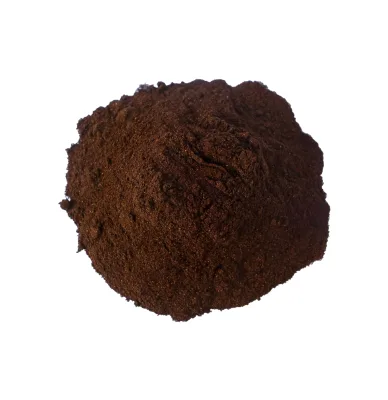
99% High Purity Methyl Blue for Biological Stain CAS 28983-56-4 Acid Blue 93
$70.00 - $80.00
MOQ: 25 Minimum


Certified Factory Directly Sale High Quality Methylene Blue Powder Methylene Blue
$60.00 - $80.00
MOQ: 1 kilogram


Comprehensive Sourcing Guide
USP Grade Methylene Blue Powder Sourcing Guide
Procuring USP grade Methylene Blue requires a disciplined approach to verifying chemical identity and purity levels against stringent pharmacopeial standards. Buyers must prioritize suppliers who explicitly declare compliance with USP, BP, and ISO HSE certifications, as these markers indicate a rigorous quality management system. The product is typically observed as a green crystalline powder with a purity exceeding 99%, ensuring consistency for high-stakes applications. Understanding the molecular formula C16H18ClN3S and molecular weight of 319.85 is essential for accurate inventory tracking and chemical reconciliation during incoming inspections.
Verification of the CAS number 61-73-4 and EINECS number 200-515-2 serves as a critical first step in validating supplier documentation. Buyers should confirm that the test method employed is High-Performance Liquid Chromatography (HPLC), which provides the precision necessary for pharmaceutical-grade materials. While some listings may describe the state as liquid or the appearance as dark green powder, the standard specification for USP grade is a refined powder. Establishing these baseline technical facts prevents miscommunication and ensures that the sourced material meets the exact chemical requirements for downstream processing or formulation.
Product Scope and Observed Listing Signals
The market for Methylene Blue presents a wide variance in product models, ranging from HDM to HB and LM series, each potentially catering to different industrial or laboratory needs. Buyers should note that while some listings indicate suitability for adults, children, and the elderly, these claims must be cross-referenced with specific regulatory approvals for intended use. The observed minimum order quantities vary significantly, with some suppliers offering samples as low as 100 grams, while others require a standard kilogram minimum. This flexibility allows for initial quality testing without committing to large-scale inventory, reducing financial risk during the supplier evaluation phase.
Packaging options are diverse, including 1kg foil bags, 25kg drums, and specialized cartons, which directly impact storage and handling logistics. The product is generally described as water-soluble and available in customized forms, suggesting adaptability for various formulation requirements. Shipping methods range from express couriers like DHL and FedEx to sea freight, depending on the order volume and urgency. Buyers must carefully review the stated shelf life, typically two years with proper storage in cool, dry places, to ensure the material remains viable throughout the supply chain and does not degrade before use.
Technical Specifications to Verify
Confirming the purity level is paramount, with standard specifications often requiring a minimum of 98% to 99% Methylene Blue content. Buyers should request detailed Certificates of Analysis that specify the exact assay results obtained via HPLC testing. The physical appearance should match the described green crystalline or dark green powder form, and any deviation may indicate contamination or improper storage conditions. It is crucial to verify that the product is a synthesis material intermediate if used in chemical manufacturing, ensuring it meets the structural integrity required for further processing steps.
Storage conditions must be strictly monitored, as the product is sensitive to moisture and light, which can compromise its chemical stability. Buyers should ensure that the supplier provides clear instructions for maintaining the cool, dry environment necessary to preserve the two-year shelf life. Additionally, the solubility profile in water should be confirmed to align with formulation needs, particularly for applications requiring precise concentration levels. Verifying these technical parameters helps prevent production delays and ensures that the final product meets quality benchmarks without unexpected variability.
Compliance and Safety Documentation
Securing comprehensive compliance documentation is non-negotiable for sourcing USP grade materials, as it ensures adherence to international safety and quality standards. Buyers must verify that the supplier holds valid GMP and ISO certifications, which demonstrate a commitment to consistent manufacturing practices. The presence of BP and USP certifications further validates the product's suitability for pharmaceutical applications, providing assurance that the material has undergone rigorous testing protocols. These documents serve as the primary evidence of quality and regulatory alignment, protecting the buyer from liability associated with non-compliant inputs.
Safety data sheets and transport documentation must be reviewed to ensure proper handling and shipping regulations are met. The supplier should provide clear guidance on transportation methods, whether by air, sea, or express courier, to maintain product integrity during transit. Buyers should also confirm that the product is labeled correctly with its chemical identity and hazard information, facilitating safe storage and usage in the facility. Proper documentation not only aids in regulatory audits but also ensures that the supply chain operates smoothly without interruptions due to compliance issues.
Cost Drivers and Commercial Terms
Pricing for Methylene Blue is influenced by purity levels, certification status, and order volume, with observed ranges varying widely across suppliers. Buyers should anticipate costs that reflect the premium associated with USP and GMP compliance, which often commands a higher price point than industrial-grade alternatives. Minimum order quantities can impact unit pricing, with smaller orders typically incurring higher per-unit costs due to handling and packaging expenses. Understanding these cost drivers allows buyers to negotiate effectively and align procurement budgets with expected usage rates and inventory turnover.
Payment terms and shipping costs are additional factors that affect the total cost of ownership. Suppliers may offer various payment methods, including bank transfers and Western Union, which should be evaluated for security and convenience. Shipping options range from express services to bulk sea freight, with costs varying based on weight, volume, and destination. Buyers should factor in these logistical expenses when comparing supplier quotes, ensuring that the final landed cost aligns with procurement targets. Transparent commercial terms help avoid hidden fees and facilitate smoother financial planning for ongoing supply needs.
Supplier Qualification and Quality Control
Evaluating supplier qualifications involves assessing their production capabilities, quality control processes, and track record in delivering consistent product quality. Buyers should prioritize suppliers who offer sample availability, allowing for thorough testing before committing to larger orders. The ability to customize products and provide fresh stock ready for shipment indicates a responsive and flexible supply chain. Verifying the supplier's origin, such as Shaanxi, China, can provide insights into regional manufacturing strengths and logistical advantages, though buyers should conduct independent due diligence to confirm operational reliability.
Quality control measures should include regular audits of the supplier's manufacturing facilities and review of their batch-to-batch consistency. Buyers should request detailed test reports for each shipment, ensuring that the HPLC results align with the specified purity standards. Establishing a clear communication channel for addressing quality issues is essential for maintaining supply chain integrity. By focusing on suppliers with robust quality control systems, buyers can minimize the risk of receiving substandard materials and ensure that their production processes remain uninterrupted by quality-related disruptions.
Long-Term Procurement Checks
Establishing long-term procurement relationships requires continuous monitoring of supplier performance and product quality over time. Buyers should implement regular review cycles to assess adherence to agreed-upon specifications and compliance standards. Tracking delivery times and shipping reliability helps identify potential bottlenecks in the supply chain, allowing for proactive adjustments to inventory management strategies. Maintaining open communication with suppliers facilitates timely resolution of any emerging issues, ensuring that the partnership remains productive and mutually beneficial.
Periodic re-verification of certifications and quality documentation is essential to ensure ongoing compliance with regulatory requirements. Buyers should stay informed about any changes in industry standards or regulations that may impact the sourcing of Methylene Blue. Developing a diversified supplier base can mitigate risks associated with single-source dependencies, providing flexibility in case of supply disruptions. By prioritizing long-term checks and relationship management, buyers can secure a stable and reliable supply of high-quality Methylene Blue for their operational needs.
FAQs
What is the CAS number and purity of USP Grade Methylene Blue Powder?
The listed USP Grade Methylene Blue Powder has CAS number 61-73-4 and a purity above 99%, with a molecular formula of C16H18ClN3S and molecular weight of 319.85. Listings specify a standard of 98% to 99% minimum content, verified by HPLC testing. Request a certificate of analysis from each supplier to confirm the exact purity level of the batch you intend to purchase.
How is USP Grade Methylene Blue Powder packaged for shipping?
Common packaging includes 1kg foil bags with 10 bags per carton, 1kg bags with 25kg drums, or 25kg drums, and some suppliers use aluminum foil bag packing. Smaller trial quantities are often available, with one listing stating a 100g minimum order. Confirm the packing format, drum weight, and any repacking options with the supplier before placing your order.
Which certifications do methylene blue powder suppliers typically hold?
Suppliers in this category commonly list BP, USP, ISO HSE, and GMP certifications, and some listings reference ISO and GMP certificates. Certification coverage varies by supplier and batch, so you should request current certificates and verify they apply to the specific product grade. Ask whether documentation covers production, quality control, and handling for the powder you plan to buy.
How is the quality of USP Grade Methylene Blue Powder tested?
Quality is verified by HPLC testing, with listings specifying a standard of 98% to 99% minimum methylene blue content. The product typically appears as a green crystalline or dark green powder that is water soluble. Suppliers generally provide certificates of analysis, and samples are available from many listings, so testing a sample against your acceptance criteria before bulk purchase is advisable.
Can I order a small sample before committing to a bulk purchase?
Yes, sample availability is confirmed in the product listings, with sample quantities noted as available for methylene blue powder. One listing states a minimum order of 100g, while others require 1kg, so trial quantities are practical. Contact suppliers to confirm sample size, shipping method, and any sample cost before requesting larger volumes or custom specifications.
What are the storage requirements and shelf life for methylene blue powder?
The powder should be stored in a cool, dry place, and listings indicate a shelf life of 2 years when stored properly. Product is often shipped from fresh stock and ready for shipment. Keep containers sealed away from moisture and light to protect stability, and verify the production date on arrival so you can track remaining shelf life across your inventory.