Source Champagne Flutes for Weddings, Events, and Daily Use
Explore 30 verified listings for Champagne Flutes featuring diverse designs like classic, irregular, and cylindrical shapes. Buyers can compare certifications, MOQs, and customization options for wedding, event, and daily use applications.
Key considerations
Products List


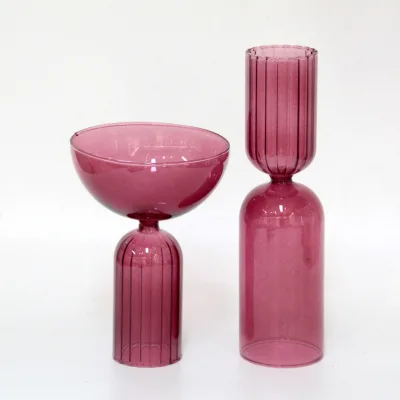


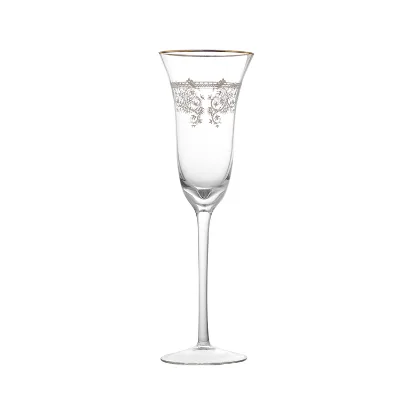
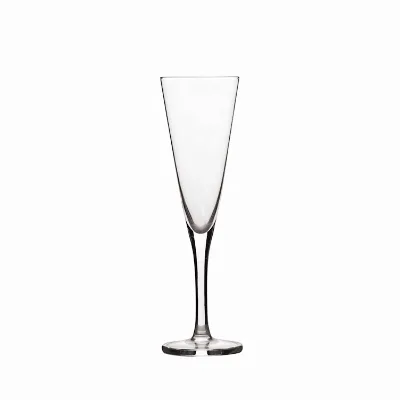
silver rim trumpet champagne flutes mini champagne flute wedding champagne glass
$1.99 - $2.99
MOQ: 2000 Minimum
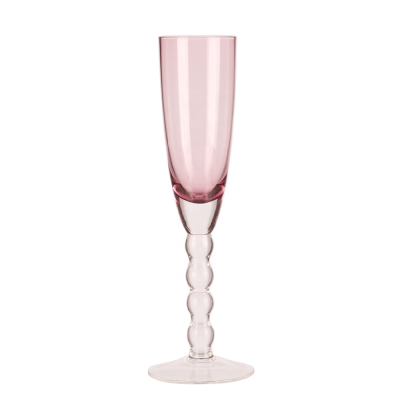
Romantic wedding pink bubble stem champagne flutes colored glass champagne
$1.99 - $3.45
MOQ: 3000 Minimum
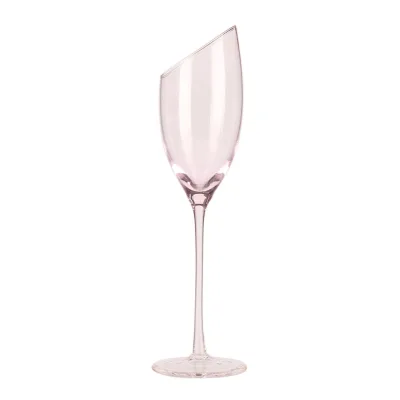

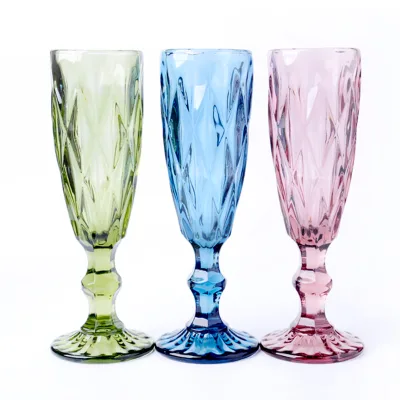
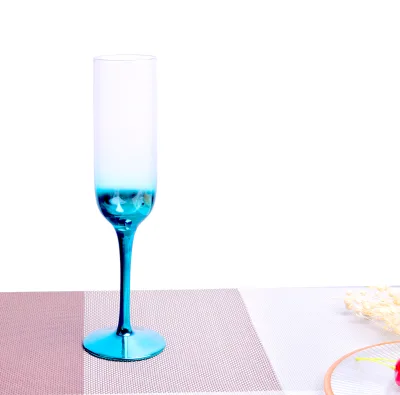


Wholesale Flutes for Women Men Wedding Anniversary Christmas Birthday Champagne Glass
$1.30 - $1.43
MOQ: 699 Pieces

New Arrivals Crystal Engraved High Footed Champagne Creative High-End Glass
$4.50 - $5.00
MOQ: 200 Pieces


Comprehensive Sourcing Guide
Strategic Sourcing Guide for Champagne Flutes in the B2B Market
Sourcing Champagne Flutes for wholesale distribution or event procurement requires a disciplined approach that balances aesthetic requirements with rigorous technical and compliance verification. The global market for glass tableware and specialized beverage containers is vast, yet specific product attributes vary significantly between manufacturers. Buyers must navigate a landscape where product models, such as the XZ7719 or CG-011, represent distinct design philosophies and material compositions. This guide outlines the critical factors for evaluating suppliers, ensuring product quality, and managing procurement risks without relying on unverified market assumptions.
Technical Specifications and Material Composition
The foundation of any successful procurement strategy lies in a precise understanding of technical specifications. Champagne Flutes are not monolithic; they range from traditional melt glass to modern insulated alternatives. In the current supply base, distinct material profiles exist. For instance, traditional options are often categorized as "Melt Glass" with a "Glass" material composition, designed for clarity and light refraction. These products frequently feature a "Transparent" color and come in specific shapes, such as "Cylindrical Shape" or "Irregular Shape," depending on the desired aesthetic.
Conversely, the market also offers "Stainless Steel Insulated Champagne Flutes." These units utilize a "Stainless Steel Body and Plastic Lid" construction, offering durability and temperature retention that glass cannot match. The capacity of these vessels is another critical specification. While many standard flutes fall under the "<10 oz" capacity range, specific models like the CG-012 are explicitly noted for a "12oz" capacity. Buyers must verify the exact volume requirements for their target market, as a mismatch in capacity can render a product unsuitable for specific serving standards.
Furthermore, the physical dimensions and packing standards are essential for logistics planning. Standard packaging often adheres to specific carton dimensions, such as 50x40x50cm or 60x50x30cm, with varying piece counts per carton, ranging from 24 to 60 pieces. The gross weight of individual units also impacts shipping costs; for example, a specific model may have an "Ingle Gross Weight" of 0.245kg, while others may weigh significantly more due to added insulation or thicker glass. Understanding these granular details is vital for calculating landed costs accurately.
Compliance and Certification Verification
In the food and beverage industry, regulatory compliance is non-negotiable. Buyers must treat certification claims as observations that require verification rather than guaranteed attributes of every listed product. The supply chain for Champagne Flutes typically includes a variety of certifications, including RoHS, REACH, LFGB, FDA, and ISO standards. Specific product lines may carry additional certifications such as EEC, CIQ, CE / EU, or BV Factory Audit status.
The presence of LFGB and FDA certifications is particularly relevant for products intended for direct food contact, ensuring that the materials do not leach harmful substances. Similarly, RoHS compliance indicates adherence to restrictions on hazardous substances, which is crucial for electronic components if the flutes include any integrated lighting or heating elements, though less common in standard glassware.
Buyers should not assume that a supplier offering one certified product line automatically certifies all their inventory. For example, while some models list "LFGB, FDA, CE / EU, ROHS," others may only list "FDA, LFGB." It is imperative to request specific test reports for the exact model number being procured, such as XZ9027 or WG-014, to confirm that the specific batch meets the regulatory requirements of the destination market. Relying on general supplier claims without model-specific documentation introduces significant compliance risk.
Cost Drivers and Pricing Structures
The pricing of Champagne Flutes is influenced by a complex interplay of material costs, customization requirements, and order volume. The observed market price range for these items spans from $0.32 to $5.24 USD, a wide disparity that reflects differences in material quality, manufacturing complexity, and branding. Basic glass flutes typically occupy the lower end of this spectrum, while insulated stainless steel options or those with intricate customizations command higher prices.
Minimum Order Quantity (MOQ) is a primary cost driver. The market exhibits a broad MOQ range, from as low as 3 pieces for sample orders to 3000 pieces for bulk production. Specific models often have fixed MOQs; for instance, the XZ7719 model may require an MOQ of 240 pieces, while the XZ9027 might require 500 pieces. Ordering below the standard MOQ often incurs a premium or may not be feasible.
Customization significantly impacts the final unit cost. Options such as "Customized Logo Acceptable" or specific printing methods like "Laser, Spray, Decal, Painted" add value but also increase production time and expense. Suppliers may offer "Sample: Provided Freely" or "Sample Time: 3-7 Days" to facilitate decision-making, but the transition from sample to mass production involves scaling these costs. Buyers must analyze the total cost of ownership, including shipping via "Sea, Air, or Train," and the potential for volume discounts as order quantities approach the higher end of the MOQ spectrum.
Typical Applications and Design Styles
Champagne Flutes serve diverse applications, ranging from daily household use to high-end event catering. The "Application" category for these products is broadly defined as "Daily Use," yet the design nuances dictate their suitability for specific occasions. The "Design Style" is frequently described as "Classic," appealing to traditional aesthetics for weddings and formal banquets. However, the market also includes "Irregular Shape" options that cater to modern, avant-garde design preferences.
The product type is a critical differentiator. While many listings specify "Champagne Flute" or "Goblet Wine Glass," the functional design varies. Traditional flutes are designed to preserve carbonation, whereas goblet styles may prioritize elegance over gas retention. For events like weddings, the "Product Name" often explicitly references "Wedding Champagne Flute Glasses," indicating a targeted marketing segment.
Additionally, the availability of "Cup Accessories" such as handles can influence the application. Some products are listed as "without Handle," which is standard for elegant flutes, while others may be designed for casual, outdoor use where a handle provides stability. The "Service" options, including ODM and OEM capabilities, allow buyers to tailor these products to specific brand identities, making them suitable for corporate gifting or private label distribution.
Supplier Evaluation and Service Capabilities
Evaluating a supplier requires looking beyond the product listing to their operational capabilities. A robust supplier should offer comprehensive services, including ODM (Original Design Manufacturing) and OEM (Original Equipment Manufacturing) support. This flexibility allows buyers to customize product models, such as the CG-011 or CG-012, to meet unique market demands. The ability to accept "Customized Logo" applications via various techniques is a strong indicator of a supplier's manufacturing versatility.
Logistics and transportation capabilities are equally important. Suppliers should provide clear options for "Transportation" via Air, Sea, or Courier, ensuring that goods can be delivered efficiently to the buyer's location. The "prod_packing" standard, whether "Carton Box" or "Wooden Box," must be evaluated based on the fragility of the contents and the destination's handling requirements. For instance, a "Wooden Box" might be necessary for high-value, fragile glassware, whereas a standard "Carton Box" suffices for robust stainless steel alternatives.
Factory audits, such as those conducted by BV, provide an external validation of a supplier's quality management systems. While not all suppliers may list this, its presence is a strong positive signal. Buyers should also verify the "Sample Time," which can range from 3 to 7 days, to ensure it aligns with their project timelines. A supplier that can provide samples freely and quickly demonstrates confidence in their product quality and a commitment to customer service.
Quality Control and Long-Term Procurement
Implementing a rigorous quality control (QC) protocol is essential for maintaining brand reputation. Buyers should verify that the "prod_standard" aligns with their expectations, such as specific carton configurations (e.g., 48 pcs/ctn) and weight limits (e.g., 16kg). Regular inspections should focus on the integrity of the "Glass Type" or "Stainless Steel" construction, ensuring there are no cracks, bubbles, or structural weaknesses.
For long-term procurement, establishing a consistent supply chain is paramount. Buyers should assess the supplier's ability to maintain consistent quality across different production batches. The "prod_origin," often listed as "Hubei, China" or generally "China," provides context for the manufacturing ecosystem, but the specific factory's track record is more relevant. Long-term contracts should include clauses for quality assurance, clear communication channels for defect reporting, and agreed-upon lead times that account for potential production delays.
Furthermore, buyers must consider the environmental impact and sustainability of the materials. Certifications like REACH and RoHS indicate a commitment to environmental standards, but buyers should also inquire about the recyclability of the packaging and the product itself. By focusing on these long-term considerations, buyers can build a resilient supply chain that supports their business growth while minimizing operational risks.
Comparative Analysis of Product Models
To facilitate decision-making, it is helpful to compare key attributes of common product models found in the market. The following table summarizes the distinct characteristics of several representative models, highlighting differences in material, certification, and specifications.
| Product Model | Material | Certification | Capacity | Shape | MOQ | Packaging |
|---|---|---|---|---|---|---|
| XZ7719 | Glass | RoHS, REACH, LFGB, FDA, ISO | <10 oz | Irregular Shape | 240 | Carton Box |
| XZ9027 | Glass | LFGB, FDA, CE / EU, ROHS | <10 oz | Cylindrical Shape | 500 | Carton or Wooden Box |
| CG-011 | Glass | LFGB, FDA | <10 oz | Cylindrical Shape | 480 | Carton Box |
| CG-012 | Stainless Steel | FDA, LFGB | 12 oz | Rectangular | N/A | Carton Box |
| WG-014 | Glass | N/A | <10 oz | N/A | N/A | Carton Box |
This comparison underscores the importance of matching product specifications to specific buyer needs. For instance, a buyer requiring a 12oz capacity would need to select the CG-012 model, while a buyer prioritizing classic glass aesthetics might prefer the XZ7719. The variation in MOQs also dictates the scale of the initial order, requiring buyers to align their inventory strategy with the supplier's minimum requirements.
In conclusion, sourcing Champagne Flutes demands a meticulous approach that integrates technical verification, compliance checks, and strategic supplier evaluation. By adhering to the principles outlined in this guide, buyers can navigate the complexities of the global market and secure high-quality products that meet their specific operational and commercial objectives.
FAQs
What certifications do these Champagne Flutes have?
Most listed models carry FDA, LFGB, and RoHS certifications to ensure food safety. Some specific products also include CE EU, REACH, and ISO standards. Buyers must verify the exact certification list for the specific model number like XZ9027 before ordering.
Can I get a free sample for these glasses?
Yes, suppliers frequently provide samples freely for these Champagne Flutes. The typical sample time ranges from 3 to 7 days to allow for quality evaluation. This service helps buyers confirm the design and material quality before committing to a bulk order.
What is the minimum order quantity for bulk purchase?
Minimum order quantities vary significantly by model, ranging from 240 to 500 pieces for standard glass flutes. Some suppliers may accept orders as low as 3 pieces for samples. Specific models like XZ7719 require 240 pieces while XZ9027 requires 500 pieces.
How much do these Champagne Flutes cost per unit?
The observed price range for these items spans from 0.32 to 5.24 USD per unit. Costs depend heavily on material type, with stainless steel options often costing more than standard glass. Customization and order volume also influence the final unit price.
Which customization options are available for the logo?
Customized logos are acceptable using methods like laser, spray, decal, or painted finishes. Suppliers offer ODM and OEM services to tailor the product design. Buyers can request specific branding to match their event or corporate identity needs.
What materials are used to make these flutes?
The primary materials include melt glass for traditional designs and stainless steel with plastic lids for insulated versions. Glass flutes are transparent and come in cylindrical or irregular shapes. Stainless steel models offer durability and temperature retention for specific serving needs.
Where are these products manufactured and shipped from?
Products originate from manufacturing hubs in Hubei, China, with general sourcing from China. Shipping options include sea, air, and train transportation depending on the buyer's logistics needs. Carton boxes or wooden boxes are used for secure packaging during transit.