Source Chevrolet Matiz Spark Shock Absorber for Suspension Repair
Find 30 verified listings for the Chevrolet Matiz Spark Shock Absorber to compare specifications and pricing. Buyers can evaluate coil and air spring options from suppliers in Ningbo and Zhejiang with customizable packaging and delivery terms.
Key considerations
Products List


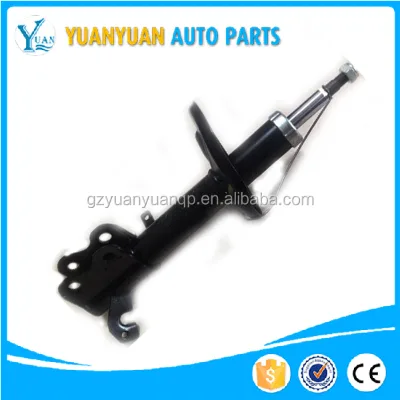
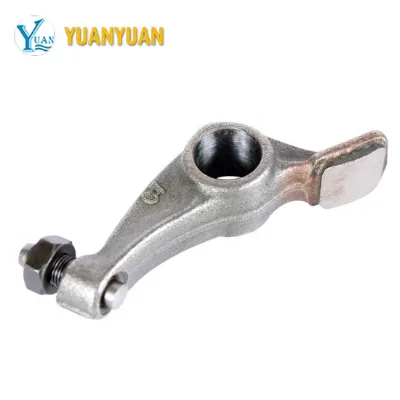
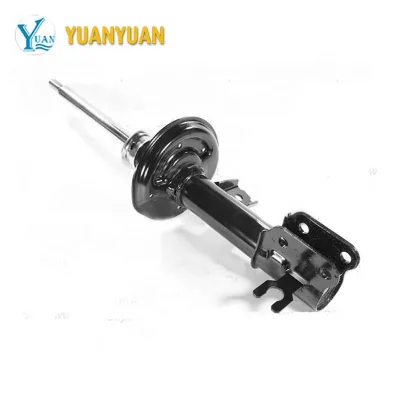
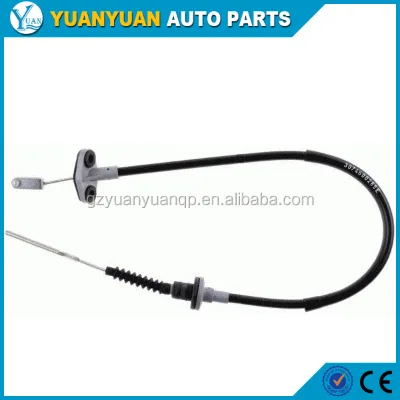

Suspension System Shock Absorbers Front Axle, Right for Chevrolet Spark/Matiz OEM 96424026
$10.42 - $11.35
MOQ: 100 Pieces


Shock Absorber Damper for Chevrolet Spark Matiz (M200 M250) Shocks 96424025 96424026
$5.00 - $20.00
MOQ: 100 Pieces


Made in China Price Suspension Part Spring Bumper 96318363 for Chevrolet Matiz
$0.50 - $1.50
MOQ: 300 pieces


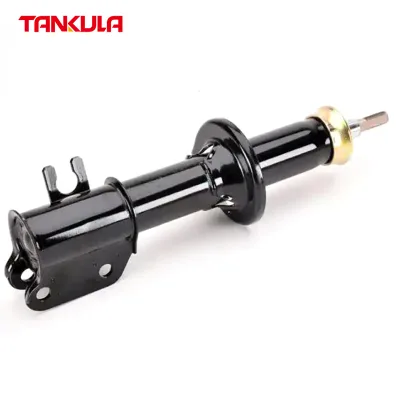


Front Shock Absorber 632117 for Daewoo Matiz 96336487 96610021 96610019 96336489
$8.00 - $10.00
MOQ: 200 Pieces


Comprehensive Sourcing Guide
Strategic Sourcing Guide for Chevrolet Matiz Spark Shock Absorbers
Navigating the global supply chain for replacement suspension components requires a disciplined approach, particularly when targeting specific aftermarket fits like the Chevrolet Matiz and Spark. The core keyword "Chevrolet Matiz Spark Shock Absorber" points to a high-volume segment of the automotive repair market where precision, durability, and compatibility are paramount. Buyers in this sector must distinguish between generic hydraulic units and specialized gas-filled or air-spring variants that match the original equipment manufacturer (OEM) engineering standards. This guide synthesizes observed market data and technical attributes to provide a framework for evaluating potential suppliers and products without relying on unverified claims or speculative market figures.
Technical Specifications and Component Variants
The foundation of a successful procurement strategy lies in understanding the specific technical configurations available in the market. For the Chevrolet Matiz and Spark, the shock absorber market is not monolithic; it encompasses distinct types based on the vehicle's position and suspension architecture. Observed product data indicates a clear segmentation between front and rear applications. Front-position units often utilize a double-cylinder structure, while rear applications may involve different damping force directions, such as bidirectional systems.
Material composition is another critical differentiator. The primary structural material for these components is steel, often combined with rubber for mounting points and vibration isolation. The product name "Shock Absorber Damper" suggests a dual function of damping and energy absorption. Buyers must verify whether the unit is a standard hydraulic type or a gas-filled variant, as the latter typically offers superior performance in high-speed compression and recovery scenarios. The gas-filled type is often associated with higher pressure ratings, which can be inferred from specifications like "Shock Pressure Absorber" values reaching 3000 N.
Specific dimensional data is essential for ensuring physical compatibility. Observed specifications include cylinder diameters ranging from 38mm to 48mm, with piston rod diameters noted at 18mm or 12mm depending on the model. The working stroke, which dictates the travel distance of the damper, varies significantly between front and rear units, with observed ranges of 283mm/444mm and 298mm/470mm. These dimensions must align precisely with the vehicle's suspension geometry to prevent binding or premature wear. Furthermore, the shape of the component, noted as O/O or I/X in certain listings, indicates the mounting configuration and must be matched to the chassis design of the specific Matiz or Spark model year.
Compliance, Certification, and Quality Standards
In the automotive aftermarket, certification serves as a proxy for manufacturing maturity and quality assurance. While specific test results are not universally guaranteed across all listings, the presence of recognized industry certifications is a strong indicator of a supplier's capability. The most prominent standard observed in this sector is IATF 16949, which is the global technical standard for quality management systems in the automotive industry. This certification implies that the supplier adheres to rigorous processes for defect prevention, variation reduction, and waste minimization.
Additional verification points include BV (Bureau Veritas) certification and patent holdings. These suggest that the manufacturer has undergone third-party audits and possesses proprietary technology or design innovations. While ISO 9001 is a general quality standard often associated with such suppliers, it should be treated as a baseline rather than a specific automotive guarantee. Buyers should request current certification documents directly from the supplier to ensure they are valid and cover the specific production lines for Chevrolet components.
The "prod_standard" attribute often lists customization options, indicating that suppliers may offer tailored solutions for specific regional requirements or vehicle modifications. However, standard compliance should always be the primary filter. When evaluating a supplier, buyers must confirm that the certification applies to the specific part number being sourced, as certifications can sometimes cover a broad range of products while excluding specific high-stress components like suspension dampers.
Cost Drivers and Pricing Dynamics
Understanding the cost structure of shock absorbers is vital for budgeting and margin analysis. The observed price range in the market spans from $0.50 to $51.52 USD, a wide variance that reflects differences in material quality, manufacturing complexity, and brand positioning. The lower end of this spectrum typically corresponds to basic hydraulic units with standard steel construction, while the upper end often includes gas-filled, high-performance, or specialized air-spring variants.
Several factors drive these costs. The "Spring Material" and "Material" composition (Steel and Rubber+Steel) are primary cost components. High-grade steel and specialized rubber compounds that resist degradation from heat and ozone command a premium. Additionally, the complexity of the internal mechanism, such as the "Damping Force Direction" (bidirectional vs. unidirectional) and the precision of the piston and cylinder machining, significantly impacts the final price.
Minimum Order Quantity (MOQ) also plays a crucial role in the effective unit cost. The observed MOQ range is 1 to 300 units, with specific listings showing an MOQ of 100 PCS for certain high-volume items. Suppliers often offer tiered pricing structures where the unit cost decreases as the order volume increases. Buyers should calculate the total landed cost, including shipping and duties, rather than focusing solely on the unit price. The "N.W. / Kg" (Net Weight) of the product, observed between 1.3 kg and 2.6 kg, directly influences freight costs, which can be a significant portion of the total expense for heavy industrial components.
Typical Applications and Compatibility Verification
The primary application for these components is the Chevrolet Matiz and Spark, but compatibility extends beyond the brand name to specific model years and trim levels. The "Suitable for Car Brands" attribute explicitly lists Chevrolet, but buyers must cross-reference aftermarket part numbers to ensure exact fitment. Observed aftermarket numbers include 343478, 332505, 332504, and 34518013FL. These numbers are critical for inventory management and customer service, as they allow for quick identification of the correct part during the sales process.
The "Part" attribute distinguishes between "Bumper/Buffer" and "Dampers," highlighting that some listings may include related suspension components. For the core shock absorber search, the focus must remain on the damper units. The "Position" attribute (Front or Rear) is equally important, as front and rear dampers have different load requirements and stroke lengths. A front damper designed for the Matiz will not function correctly in the rear, and vice versa.
Buyers should also consider the "Shape" attribute (O/O or I/X) as a visual identifier for mounting points. This ensures that the physical interface matches the vehicle's chassis. When sourcing for a mixed fleet or a broad aftermarket inventory, maintaining a clear database of these part numbers and specifications is essential to prevent returns and customer dissatisfaction.
Supplier Evaluation and Operational Logistics
Selecting the right supplier involves more than just comparing prices; it requires an assessment of operational reliability and logistical capabilities. The "prod_origin" attribute indicates that many suppliers are based in Ningbo or Zhejiang, China, which are major manufacturing hubs for automotive parts. This concentration of supply can offer competitive pricing but requires careful vetting of individual factories.
Delivery time is a critical operational metric. The observed "Delivery Time" ranges from 30 to 50 days after order confirmation, with a note that this can be "to be negotiated." This lead time suggests that production is often made-to-order rather than held in immediate stock. Buyers must factor this into their inventory planning to avoid stockouts. The "prod_packing" attribute reveals that products are typically shipped on pallets or in box packing cartons, which affects handling and storage requirements.
When evaluating a supplier, buyers should verify their capacity to handle the "MOQ" requirements. While some suppliers may accept orders as low as 1 unit, others may require a minimum of 100 PCS. This threshold can be a barrier for small retailers but manageable for larger distributors. Additionally, the "Standard" attribute noting "customization" implies that suppliers may be willing to adapt packaging or labeling, which can be a valuable service for private-label buyers.
Quality Control and Long-Term Procurement Considerations
Ensuring long-term success in sourcing shock absorbers requires a robust quality control (QC) framework. The "Compression Resistance" and "Recovery Resistance" values, observed in ranges like Py 200-1000 N and PF 1000-2000 N, are key performance indicators that must be validated. These figures represent the force required to compress the damper and the force it exerts during rebound. Deviations from these specifications can lead to a harsh ride or poor handling characteristics.
Buyers should implement a sampling plan based on the "Ultimate Load" of 2000 N to ensure that the components can withstand extreme conditions without failure. Regular testing of the "Working Pressure" (200-2000 N) is also recommended to verify consistency across production batches. The "Certification" of IATF16949 / BV / Patent provides a foundation for trust, but on-site audits or third-party inspections are often necessary to verify that the certified processes are actually being followed in the production line.
For long-term procurement, building a relationship with a supplier who offers "to be negotiated" terms for delivery and packing can provide flexibility. As the market for Chevrolet Matiz and Spark parts evolves, the ability to adapt to new part numbers or design changes will be crucial. Buyers should also monitor the "Aftermarket No." and "Atap No." for any updates or recalls, ensuring that their inventory remains current and compliant with safety regulations.
Conclusion
Sourcing shock absorbers for the Chevrolet Matiz and Spark is a complex task that demands attention to technical details, certification status, and logistical realities. By focusing on verified specifications such as cylinder diameter, working stroke, and material composition, buyers can make informed decisions that balance cost with performance. The wide range of observed prices and MOQs necessitates a strategic approach to inventory management and supplier selection. Ultimately, the goal is to secure a supply chain that delivers reliable, high-quality components that meet the rigorous demands of the automotive aftermarket. Through diligent verification of certifications like IATF16949 and careful analysis of performance metrics, buyers can mitigate risks and establish a sustainable procurement strategy for these essential suspension components.
FAQs
What certifications do Chevrolet Matiz Spark Shock Absorber suppliers have?
Suppliers typically hold IATF16949, BV, and patent certifications. These standards verify quality management systems and proprietary designs, ensuring the steel and rubber components meet automotive industry requirements for durability and safety.
How long is the delivery time for these shock absorbers?
The standard delivery time ranges from 30 to 50 days after order confirmation. This lead time can be negotiated based on order volume and specific customization needs for the hydraulic or gas-filled units.
Which material composition is used for the damper cylinders?
The primary materials are steel combined with rubber for vibration isolation. The cylinder structure is often double-cylinder, designed to withstand compression resistance ranging from 200 to 1000 Newtons.
Can I find suppliers with low minimum order quantities?
Yes, minimum order quantities range from 1 to 300 units depending on the supplier. Some specific listings require a minimum of 100 pieces, while others may accept smaller trial orders for testing compatibility.
What are the working stroke dimensions for rear dampers?
Rear dampers typically feature working strokes of 283mm or 444mm. These dimensions ensure proper travel distance for the bidirectional damping force required in the rear suspension of the vehicle.
How is the product packed for international shipping?
Products are commonly packed in box packing cartons or on pallets. The packaging method can be negotiated to suit specific logistics requirements while ensuring the 1.3 to 2.6 kg units remain secure during transit.
Which aftermarket part numbers are compatible with this model?
Compatible aftermarket numbers include 343478, 332505, 332504, and 34518013FL. Buyers should cross-reference these codes to ensure the shock absorber matches the specific Chevrolet Matiz or Spark variant.