Source Chevrolet Malibu HVAC Blower Motor for Cars, AC Systems, and Cooling
Find 30 listings for the Chevrolet Malibu HVAC Blower Motor to compare specifications like voltage, OE numbers, and packaging. These components support vehicle climate control systems, industrial applications, and household appliances, offering options for various car makes including Chevrolet and Buick.
Key considerations
Products List
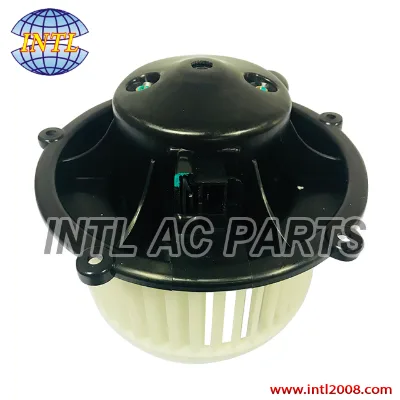
NEW HVAC Air Conditioner BLOWER MOTOR for Chevrolet Malibu Vectra 2004-2008
$10.28 - $41.11
MOQ: 24 Minimum


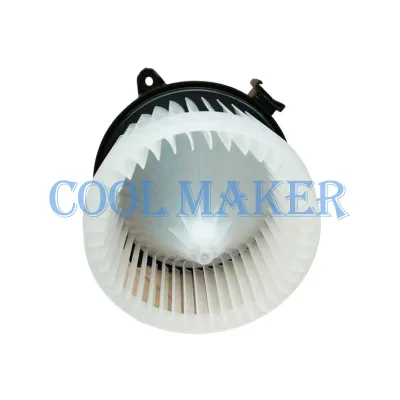
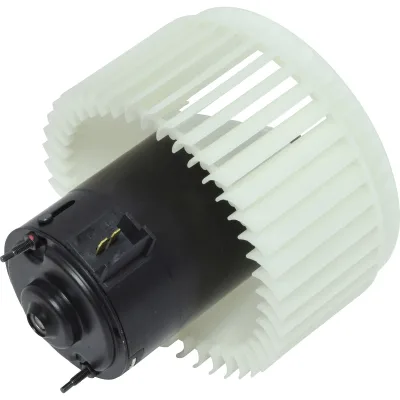
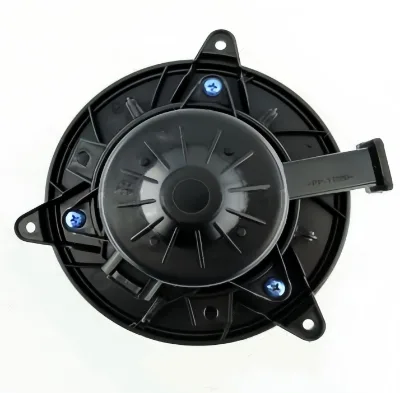
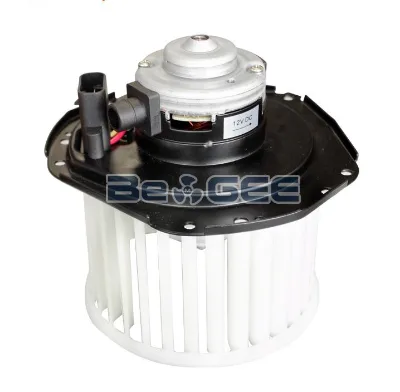
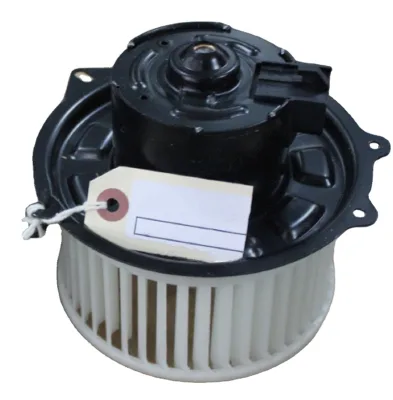
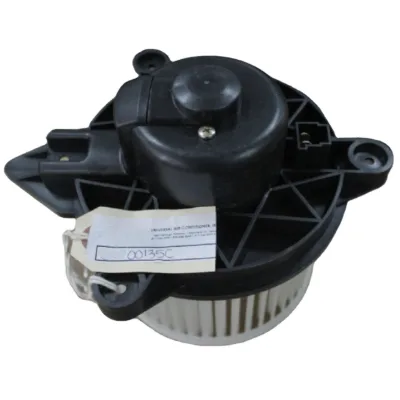
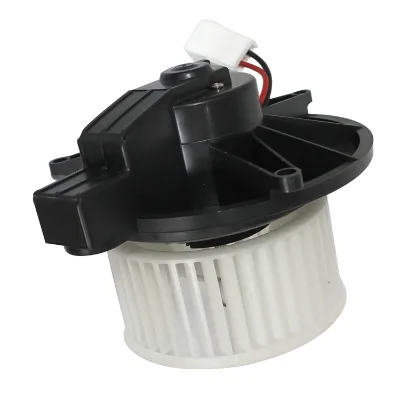
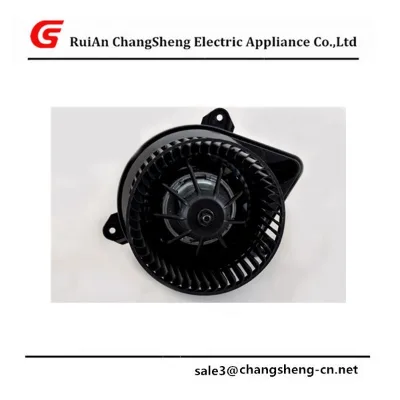


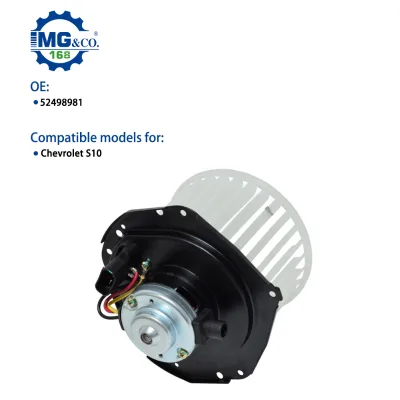
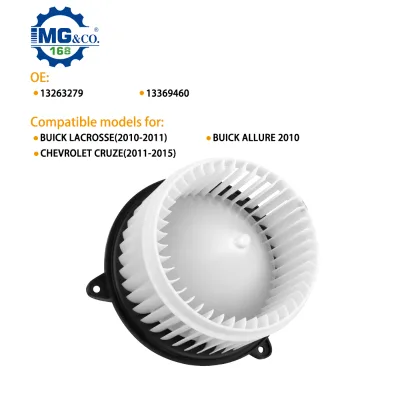
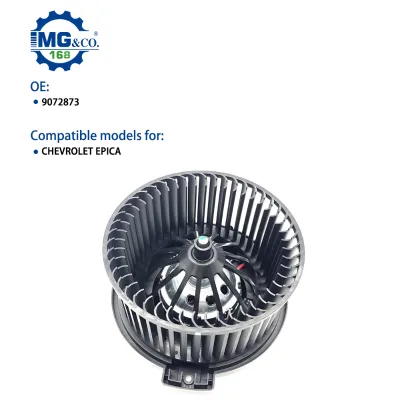


Comprehensive Sourcing Guide
Chevrolet Malibu HVAC Blower Motor Sourcing Guide
Procuring a replacement blower motor for the Chevrolet Malibu requires precise alignment with specific engine displacements and model years to ensure functional compatibility. The available market data indicates that these components are frequently engineered for 2.8L, 2.9L, 3.5L, 3.6L, and 3.9L variants produced between 2004 and 2008. Buyers must verify that the selected unit matches the exact voltage requirements of their specific vehicle, as listings show both 12V and 24V configurations available in the supply chain.
When evaluating potential inventory, it is critical to cross-reference the part number against established OEM identifiers such as 1580886, 75773, and 919248. The supply landscape includes units branded as "intl" or "Cool maker" that often carry AC Delco references like 1580884. Sourcing decisions should prioritize items explicitly labeled as "NEW" with packaging details that match the original Denso specifications or offer neutral packing options to suit private labeling needs.
Product Scope and Observed Listing Signals
The current market for these automotive components displays a distinct price range between 6 and 48 USD, reflecting variations in brand reputation, packaging quality, and included accessories. Minimum Order Quantities (MOQ) are highly flexible, ranging from a single piece for sample verification up to 100 units for initial bulk trials. This variability allows buyers to test product quality without committing to large inventory volumes immediately, reducing the financial risk associated with introducing new suppliers into the supply chain.
Listing signals often highlight the "Standard Size" designation, though specific dimensions like 25x20x20 cm appear in packaging data for certain models. Buyers should note that while some listings specify a supply ability of 8000 pieces per month, others indicate customization availability for unique design requirements. The presence of multiple model numbers, such as INTL-BM216 or ES-H226, suggests a diverse catalog where the physical form factor must be confirmed against the vehicle's existing housing dimensions before finalizing a purchase.
Technical Specifications to Verify
Voltage compatibility is the primary technical constraint, as the supply chain contains units rated for both 12V and 24V systems. A mismatch in voltage can lead to immediate motor failure or damage to the vehicle's electrical system, making it essential to confirm the specific electrical rating against the vehicle's alternator output. Additionally, the number of poles, often listed as four in industrial-grade variants, influences the torque and speed characteristics of the blower motor, which directly impacts cabin airflow efficiency.
Physical dimensions and mounting configurations must align with the original equipment to ensure a seamless installation without requiring custom fabrication. While some listings describe the product as a "Universal" component for cars and household appliances, the specific application for the Chevrolet Malibu requires strict adherence to the stated model numbers and OE references. Buyers should verify that the casing protection type and cooling style, such as air-cooled designs, meet the thermal management needs of the specific HVAC system in the target vehicle.
Compliance and Safety Documentation
Certification status is a critical factor in determining the reliability and safety of the blower motor, with ISO certification appearing as a standard requirement for reputable suppliers. The presence of ISOFunction:Driving or general ISO marks suggests adherence to international quality management systems, which is vital for automotive parts that operate under continuous thermal and mechanical stress. Buyers should request valid certification documents to confirm that the manufacturing facility maintains consistent quality control processes throughout the production cycle.
Safety documentation must also address the electrical integrity of the component, ensuring that the motor meets relevant automotive safety standards for insulation and heat resistance. Although specific test results are not universally provided in every listing, the "Warranty: yes" attribute indicates that suppliers are willing to stand behind the product's durability. Procurement teams should verify that the packaging details, whether neutral or custom, include necessary safety warnings and handling instructions to prevent damage during transit and storage.
Cost Drivers and Commercial Terms
The final cost of the blower motor is influenced by several factors, including the complexity of the motor design, the quality of the casing, and the specific packaging requirements chosen by the buyer. Customization options, such as producing goods according to a specific design, typically incur additional costs and may extend the lead time beyond standard production cycles. Buyers should carefully evaluate whether the premium for custom packaging or specific branding justifies the potential benefits for their specific market segment.
Commercial terms regarding the port of dispatch and supply ability are equally important for logistics planning, with Huangpu and Ningbo identified as common shipping origins. The supply ability of 8000 pieces per month suggests that suppliers can handle significant volume, but buyers must confirm actual lead times to ensure timely delivery for urgent repair needs. Understanding the selling units, which are often listed as single items, helps in calculating the total landed cost, including shipping and duties, for the intended order quantity.
Supplier Qualification and Quality Control
Supplier qualification should focus on verifying the place of origin, with Guangdong and Ningbo in China being the primary manufacturing hubs for these components. Buyers must assess the supplier's capacity to maintain consistent quality, as indicated by the "NEW" status and the availability of warranty support. It is advisable to request samples to physically inspect the build quality, checking for defects in the casing, wiring, and mounting points before committing to a larger order.
Quality control processes should be transparent, with suppliers expected to provide evidence of their production standards and inspection protocols. The "Customization: Available" attribute implies that the supplier has the flexibility to adapt their production lines, but this requires rigorous oversight to ensure that custom orders meet the same quality benchmarks as standard items. Establishing a clear communication channel for quality issues and returns is essential for maintaining a reliable supply chain and mitigating the risk of receiving substandard components.
Long-Term Procurement Checks
Establishing a long-term relationship with a supplier requires ongoing monitoring of product consistency and performance under real-world conditions. Buyers should track the failure rates of the blower motors in the field to identify any recurring quality issues that may not be apparent during initial sampling. Regular audits of the supplier's production facilities and quality control records can help ensure that the manufacturing process remains stable and compliant with agreed-upon standards over time.
Future procurement strategies should include periodic re-evaluation of the market to identify new suppliers or improved product versions that offer better performance or cost efficiency. As vehicle models evolve, the compatibility of existing parts may change, necessitating a review of the OE references and model numbers to ensure continued relevance. Maintaining a diverse supplier base can provide flexibility in sourcing, allowing buyers to pivot quickly if a primary supplier faces capacity constraints or quality challenges.
FAQs
Which Chevrolet Malibu models does this HVAC blower motor fit?
This blower motor is listed for Chevrolet Malibu and Vectra applications from 2004 to 2008, covering 2.2L, 2.4L, 2.8L, 3.5L, 3.6L, and 3.9L engines. Cross-reference numbers include 1580886, 75773, 919248, 700122, 15929377, and 2311619. Buyers should confirm their vehicle model year and engine size before ordering.
What is the operating voltage of this blower motor?
Listed variants operate at 12V and 24V, so buyers should select the version matching the vehicle electrical system. Passenger vehicles like the Chevrolet Malibu typically use the 12V unit, while some commercial or household applications may require 24V. Confirm voltage requirements with the supplier before placing an order to avoid compatibility issues.
Can I order a single sample piece before bulk purchasing?
Yes, the minimum order quantity across listings ranges from 1 piece to 100 pieces, so sample orders are possible. A single piece is useful for fitment verification against OE reference numbers such as 1580886 or 75773. After testing, buyers can scale up to larger orders, and supply capacity is listed at 8000 pieces per month.
What packaging options are available for export orders?
Listings mention Denso packing, normal packing, neutral packing, customer-requested packing, and one set per carton box, with pallet options for larger shipments. Single-item packages are approximately 25 by 20 by 20 cm with a gross weight around 2.5 kg. Buyers can request customized packaging when negotiating orders with suppliers.
What customization options do suppliers offer for this blower motor?
Customization is listed as available, and some listings state goods can be produced according to buyer design. Typical customization may cover branding, packaging, and specifications, subject to supplier confirmation. Buyers should provide model numbers such as INTL-BM216 or reference numbers, along with quantity, to receive accurate customization quotations.
Where are these blower motors shipped from and what certification applies?
Products originate from Guangdong, China, with dispatch through the Huangpu port, and some listings indicate origin in Ningbo. Certifications listed include ISO, and the product is offered as new. Buyers should confirm current certification documentation, lead times, and shipping arrangements directly with suppliers before confirming production or export schedules.