Find Chevrolet Throttle Position Sensor for Cruze Aveo Spark
Source 30 listings for the Chevrolet Throttle Position Sensor compatible with models like Cruze, Aveo, and Spark. Buyers can compare specifications, prices, and delivery times from verified suppliers in China to find the right part for repair or replacement.
Key considerations
Products List
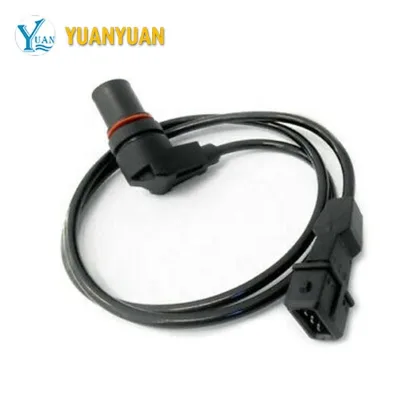
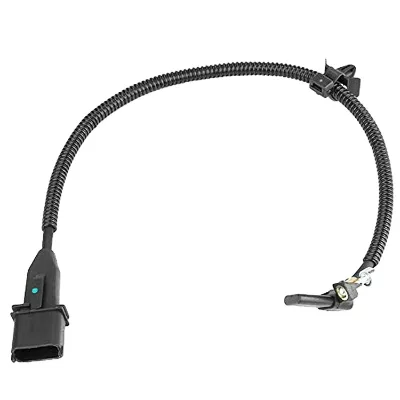
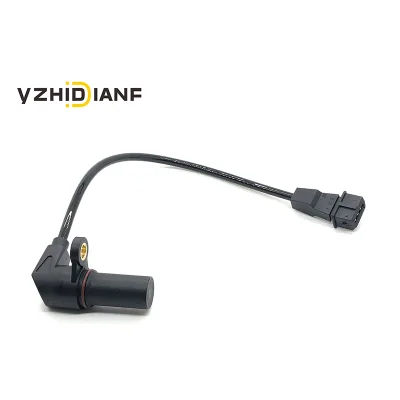


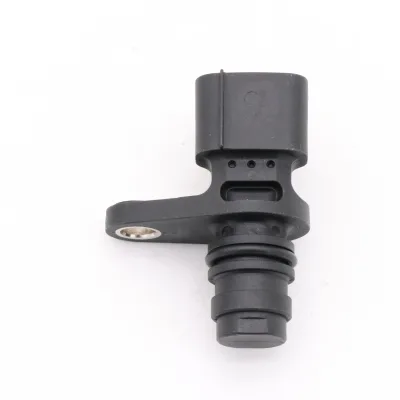
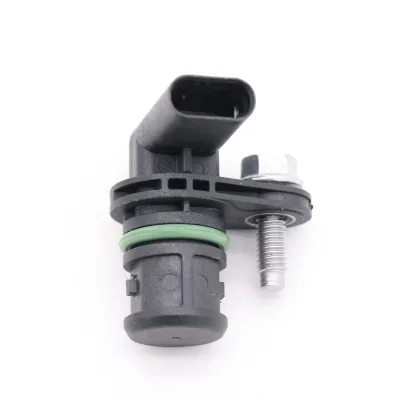
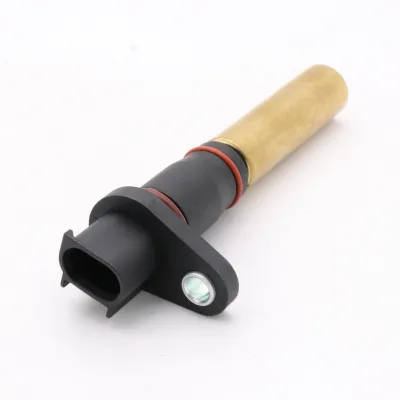
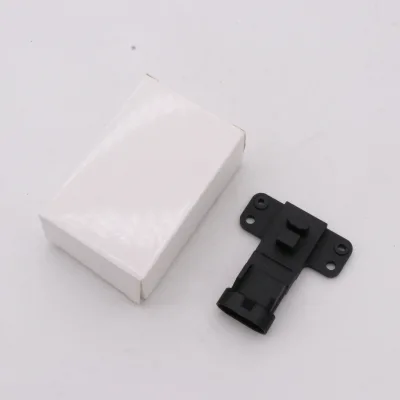

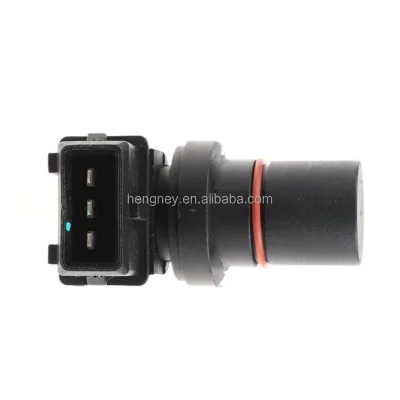
Auto Spare Part Car Throttle Position Sensor for Hyundai Santa Fe 2001-2006
$5.45 - $7.15
MOQ: 50 Pieces
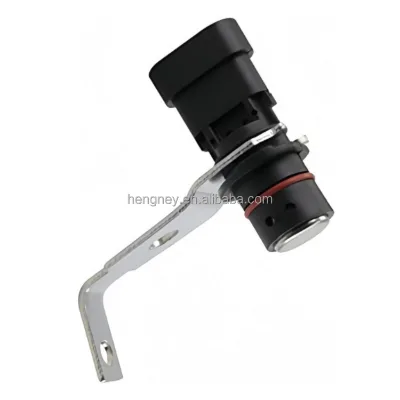
Comprehensive Sourcing Guide
Strategic Sourcing Guide for Chevrolet Throttle Position Sensors
The automotive aftermarket for Chevrolet vehicles relies heavily on the precision of electronic sensors, with the throttle position sensor (TPS) serving as a critical component for engine management. For procurement professionals and B2B buyers, sourcing this specific part requires a disciplined approach that balances technical compatibility with supply chain reliability. The market offers a variety of options, ranging from direct OEM replacements to aftermarket alternatives, each with distinct specifications and application profiles. This guide outlines the essential factors for evaluating suppliers and products, ensuring that the selected components meet the rigorous demands of modern vehicle repair and maintenance.
Technical Specifications and Compatibility Verification
The primary challenge in sourcing a Chevrolet Throttle Position Sensor lies in verifying exact compatibility across different model years and engine configurations. The supplied product data indicates that specific sensors are designed for a range of Chevrolet vehicles, including the Aveo, Matiz, and Spark, with engine displacements such as 1.0L, 1.2L, and 1.6L. Furthermore, the data highlights specific part numbers that serve as critical identifiers for buyers. For instance, the OE number 96325868 is explicitly linked to a crankshaft position sensor, while other references like MD628077 are associated with throttle position sensors. This distinction is vital; a buyer must ensure they are not confusing a crankshaft sensor with a throttle position sensor, as the functional requirements and mounting points differ significantly.
When evaluating a product listing, the buyer must scrutinize the "Car Make" and "Model Number" fields. The data shows that some listings specify "For Chevrolet Aveo 1.6L Matiz 1.0L Spark 1.2L," while others may list generic terms like "Car" or "For chevrolet cruze." The presence of specific reference numbers such as 5S12698, CSS719, V40-72-0614, and ECR-1004 suggests a complex web of cross-references that vary by manufacturer. A robust sourcing strategy involves cross-referencing these numbers against the vehicle's service manual or the original equipment manufacturer's catalog. The material composition is another key specification; the supplied facts note that the sensor body is constructed from metal, which is standard for durability in engine bay environments. Additionally, the output type is identified as a digital sensor, which implies specific signal processing requirements for the vehicle's ECU. Buyers should verify that the digital output matches the voltage and signal frequency expected by their specific vehicle model to prevent communication errors.
Compliance, Certification, and Quality Standards
In the absence of explicit certification data in the provided product listings, buyers must exercise caution and demand verification of quality standards. The supplied text mentions that the product quality is "100% Tested" and that the production process is a "Synthetic Type." While these are positive indicators, they are internal claims rather than third-party certifications. For B2B procurement, relying solely on such statements is insufficient. Buyers should request documentation proving compliance with international automotive standards, such as ISO/TS 16949 (now IATF 16949), which governs quality management systems for the automotive industry.
The concept of "standard" is referenced in the product data as "same as original," suggesting that the aftermarket part aims to replicate OEM performance. However, without specific test results or certification bodies named, this claim remains an observation rather than a guaranteed fact. Buyers should verify if the supplier conducts specific tests for resistance, voltage range, and signal linearity under varying temperature conditions. The "Production Process" being listed as "Synthetic Type" is vague; a more detailed breakdown of the manufacturing process, including the quality of the potentiometer or Hall effect element used, would provide better assurance of longevity. In the absence of named certifications, the buyer's due diligence must include requesting batch test reports or certificates of analysis from the supplier to validate the "100% Tested" claim.
Cost Drivers and Pricing Dynamics
The pricing structure for automotive sensors is influenced by several variables, including the complexity of the electronic components, the brand reputation, and the volume of the order. The observed price range in the market is between 1 and 99 USD, a wide spectrum that reflects the diversity of product quality and brand positioning. At the lower end of this range, products may be generic or unbranded, while the upper end likely includes branded items with more rigorous testing or specialized packaging.
The Minimum Order Quantity (MOQ) is a significant cost driver. The data indicates an MOQ range of 1 to 200 units, with specific listings showing an MOQ of 10 pieces. For small repair shops or distributors with limited capital, an MOQ of 10 is manageable, but for large-scale fleet maintenance, negotiating a lower per-unit cost through higher volume orders is essential. The single package size and weight also impact logistics costs. Listings show package dimensions ranging from 10x10x5 cm to 15x15x15 cm, with a single gross weight of 0.300 KG. These physical attributes are crucial for calculating shipping costs, especially when importing from China. Buyers should factor in the cost of packaging materials, such as the "Fengming Brand Box+Export Carton" mentioned in the data, which may add to the unit cost but ensure safer transit.
Typical Applications and Vehicle Integration
Understanding the specific applications of the throttle position sensor is fundamental to successful procurement. The sensor is primarily used for replacing or repairing faulty components in Chevrolet vehicles. The data explicitly links the product to models like the Chevrolet Aveo, Matiz, and Spark, as well as the Chevrolet Cruze. However, the presence of conflicting data, such as a listing for a "Crank Position Sensor" with the same OE number 96325868, underscores the need for extreme diligence. A buyer must confirm that the part they are purchasing is indeed a throttle position sensor and not a crankshaft sensor, despite potential overlaps in part number databases or listing errors.
The application extends beyond simple replacement; the sensor plays a vital role in engine idle control, acceleration response, and fuel mixture adjustment. In digital sensor applications, the ECU relies on the precise voltage signal from the TPS to determine the throttle plate angle. If the sensor fails, the vehicle may exhibit symptoms such as rough idling, stalling, or poor acceleration. Therefore, the "Purpose" of the product is strictly defined as "for replace/repair," and buyers should ensure that the replacement part is compatible with the vehicle's specific electronic architecture. The "Standard Size" mentioned in the data suggests that the physical dimensions are designed to fit standard mounting points, but buyers should still verify the connector type and pin configuration to ensure a seamless integration.
Supplier Evaluation and Service Capabilities
Selecting the right supplier is as important as selecting the right part. The supplied data provides several indicators of supplier capability, including delivery times, payment terms, and customer service availability. Delivery times vary significantly, with some listings offering 3-7 days and others 7-15 days. This variation may depend on the specific product model, stock availability, or the shipping method selected. For urgent repairs, a supplier with a 3-7 day lead time is preferable. The shipping terms include options such as DHL, UPS, FedEx, EMS, and TNT, as well as sea and air freight, giving buyers flexibility based on their urgency and budget.
Customer service is another critical evaluation metric. The data mentions "Within 24 Work Hours" service and "24 Hours Customer Service," indicating a commitment to rapid response. For B2B buyers, this responsiveness is essential for resolving issues related to order discrepancies, technical support, or warranty claims. Payment terms are also standardized, with options including T/T, Western Union, and PayPal. While these are common methods, buyers should assess the security and convenience of each option for their specific financial processes. The "Place of Origin" is consistently listed as Guangdong or Guangzhou, China, which is a major hub for automotive parts manufacturing. Buyers should verify the specific factory location and capacity to ensure the supplier can meet their volume requirements without compromising quality.
Quality Control and Long-Term Procurement Considerations
Long-term procurement success depends on consistent quality and reliable supply chains. The "Warranty" period of 12 months is a standard offering in the data, providing a safety net for defective parts. However, the true measure of quality lies in the "Quality: 100% Tested" claim and the "Standard: same as original" assertion. Buyers should implement a rigorous quality control process upon receipt of goods, including visual inspections for packaging integrity and functional testing of the sensors. The "Customization: Available" attribute suggests that suppliers may be willing to adapt packaging or labeling to meet specific buyer requirements, which can be beneficial for branding or regulatory compliance.
Sourcing strategies should also consider the "Single package size" and "Single gross weight" for inventory management. Smaller packages, such as 10x10x5 cm, are easier to store and handle, reducing warehousing costs. The "Brand Name" varies between listings, with "COWTATAL" and "YZHIDIANF" appearing as examples. Buyers should evaluate the reputation of these brands and whether they offer consistent quality across their product lines. Finally, the "Service" aspect, including the 24-hour response time, should be factored into the total cost of ownership. A supplier that offers quick technical support can save significant time and money in the long run by preventing downtime caused by incorrect part installation or compatibility issues. By adhering to these guidelines, buyers can navigate the complexities of the Chevrolet Throttle Position Sensor market and secure high-quality components for their operations.
FAQs
What is the minimum order quantity for these sensors?
The minimum order quantity is 10 pieces for most listings. Some suppliers may offer lower quantities, but the standard requirement is 10 units to initiate an order for either crankshaft or throttle position sensors.
Which vehicles are compatible with these sensor parts?
These sensors are designed for Chevrolet models including the Aveo, Matiz, Spark, and Cruze. Specific engine sizes like 1.0L, 1.2L, and 1.6L are supported depending on the specific part number and model number listed.
How long is the delivery time for these products?
Delivery times typically range from 3 to 15 days depending on the specific product and shipping method. Some listings offer 3-7 days while others may require up to 15 days for processing and transit.
Can I get these sensors with a warranty?
Yes, the products come with a 12-month warranty period. This warranty covers defects and ensures the parts meet the standard quality requirements for replacement and repair purposes in automotive applications.
What payment methods are accepted for these orders?
Accepted payment methods include T/T, Western Union, and PayPal. These options provide flexibility for buyers to complete transactions securely while sourcing automotive sensors from the listed suppliers in China.
Which brand names are associated with these sensors?
Common brand names found in the listings include COWTATAL and YZHIDIANF. These brands offer sensors that are tested and packaged according to customer demands or neutral packing standards for export.