Source Chevrolet Manifold Absolute Pressure Sensor for Repair, Replacement, and Diagnostics
Find 30 available Chevrolet Manifold Absolute Pressure Sensor options for vehicle repair, replacement, and diagnostics. Buyers can compare specifications, prices, and warranty terms from verified suppliers in Guangdong and Zhejiang.
Key considerations
Products List
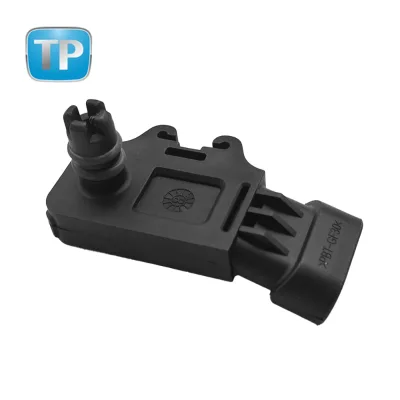
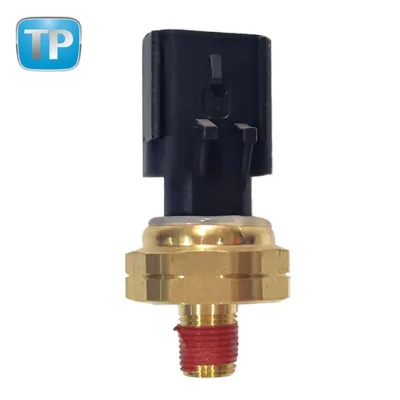
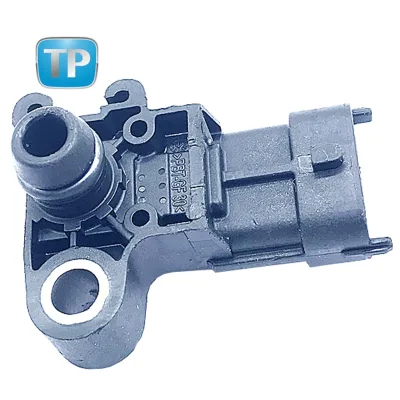


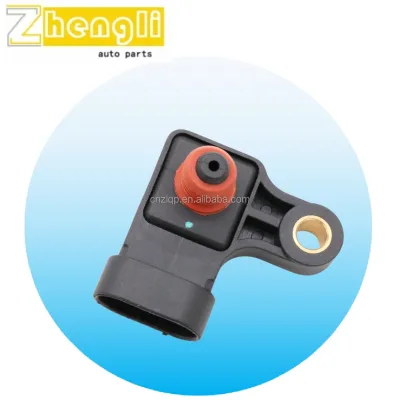
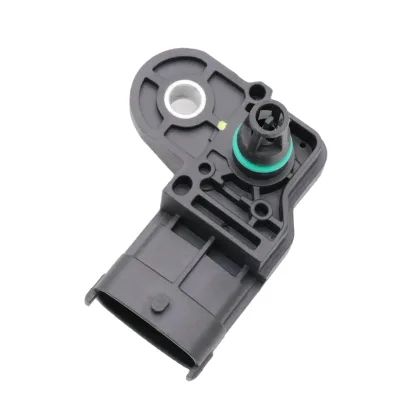
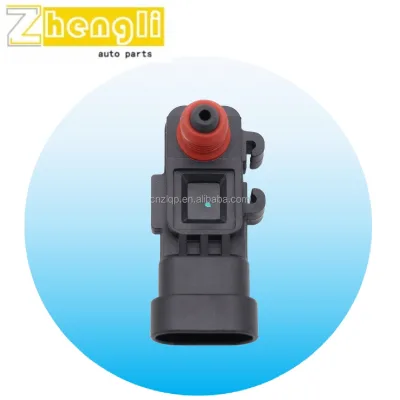
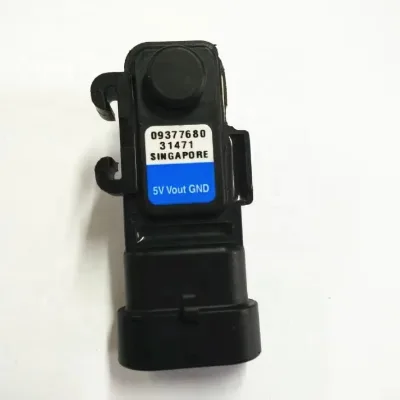
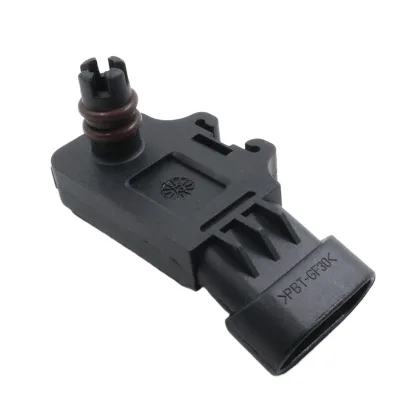
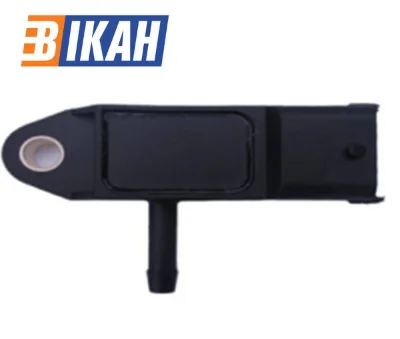
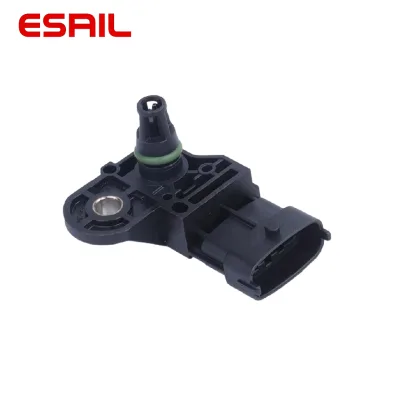
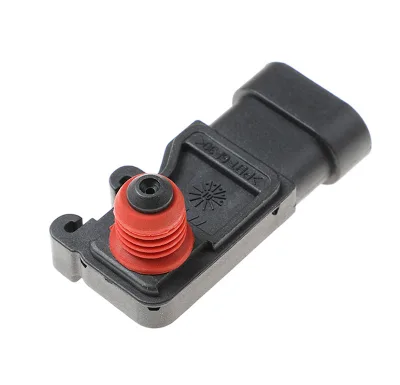
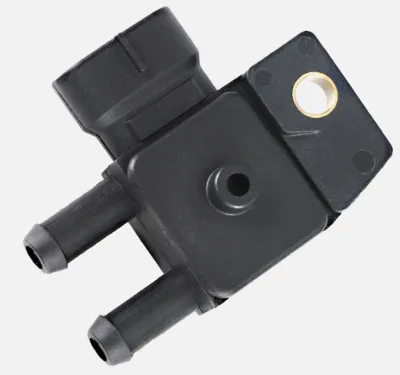
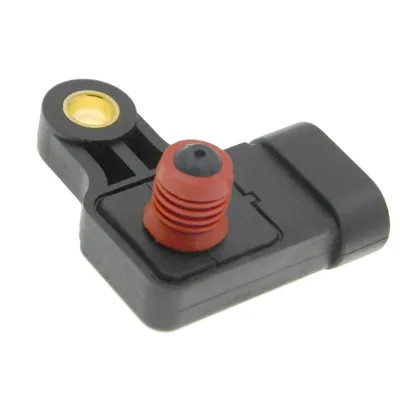
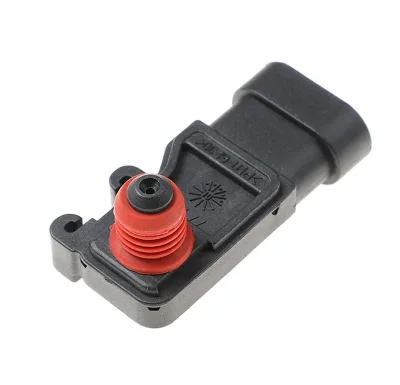
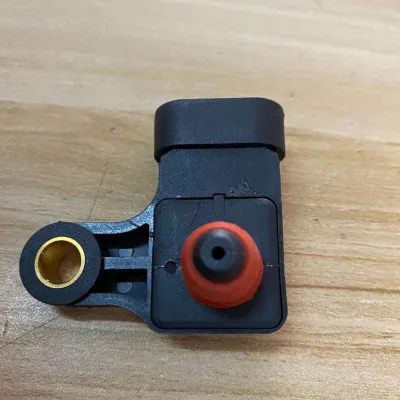


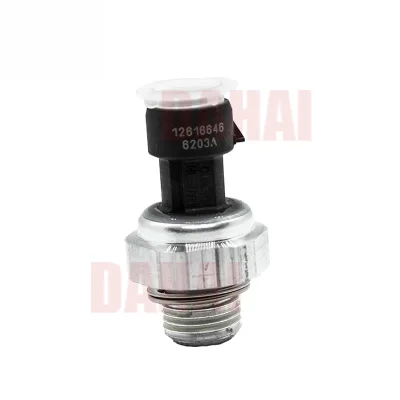


Brand New Manifold Absolute Pressure Map Sensor for Chevrolet Aveo Daewoo 96330547
$1.00 - $6.00
MOQ: 100 Pieces

Manifold Air Pressure Sensor Map Sensor for Renault, Nissan and Vauxhall 8200105165
$2.00 - $10.00
MOQ: 200 Pieces


Manifold Absolute Pressure Sensor for FIAT Lancia 71714218, 71718678, 46451792
$1.99 - $2.88
MOQ: 100 Pieces

Comprehensive Sourcing Guide
Strategic Sourcing Guide for Chevrolet Manifold Absolute Pressure Sensors
The global automotive aftermarket relies heavily on the precise replacement of engine management components, with the Manifold Absolute Pressure (MAP) sensor being a critical element for maintaining optimal fuel-air mixture ratios. For procurement professionals targeting Chevrolet vehicles, the sourcing landscape is defined by a complex array of part numbers, varying technical specifications, and diverse supplier origins. This guide provides a disciplined framework for evaluating suppliers and products, ensuring that procurement decisions are grounded in verifiable data rather than marketing assertions. The following sections detail the technical requirements, compliance checks, and strategic considerations necessary for a successful sourcing campaign.
Technical Specifications and Part Number Verification
The primary challenge in sourcing MAP sensors lies in the non-uniformity of part numbers across different vehicle platforms and model years. A robust procurement strategy begins with the rigorous verification of Original Equipment (OE) numbers. In the current market, specific identifiers such as 12232201, 68295556AA, and 55573248 appear frequently in listings associated with Chevrolet, Buick, and Cadillac applications. These numbers are not merely labels; they represent distinct electrical characteristics, mounting configurations, and pressure ranges required by the engine control unit (ECU).
When evaluating product listings, buyers must distinguish between single-part numbers and composite references. For instance, some suppliers list model numbers as 96330547 662766636966, suggesting a compatibility with multiple sensor types or a bundled offering. It is imperative to cross-reference these numbers against the vehicle's service manual rather than relying solely on the supplier's compatibility list. The physical dimensions also vary; while some products are described as "Standard Size," others may have specific package dimensions such as 8x8x8 cm or 6.5x6x5.5 cm. These physical attributes determine whether the sensor will fit within the engine bay without modification.
Furthermore, the electrical interface is a critical specification. The MAP sensor must match the vehicle's voltage requirements and signal output type. While some listings mention "Universal Fitment," this claim requires immediate skepticism unless accompanied by a detailed pinout diagram and voltage range confirmation. Buyers should verify that the sensor's internal circuitry is compatible with the specific ECU logic of the target Chevrolet model. Discrepancies in these technical parameters can lead to immediate failure, regardless of the sensor's mechanical fit.
Compliance, Certification, and Environmental Standards
Ensuring that a MAP sensor meets environmental and operational standards is essential for long-term reliability. The automotive industry operates under strict regulations regarding component durability and safety. One of the most critical environmental specifications to verify is the waterproofness rating. In the observed market data, an IP67 rating is cited for certain pressure sensors. This rating indicates that the component is dust-tight and can withstand immersion in water up to 1 meter for 30 minutes. For an engine bay environment where exposure to moisture, oil, and coolant is common, an IP67 rating is a significant indicator of quality. However, buyers must confirm that this rating applies specifically to the MAP sensor and not just to a generic product line.
Temperature tolerance is another non-negotiable specification. The operating environment under the hood can fluctuate drastically, from freezing winter mornings to extreme summer heat. Data from the market indicates a temperature range of -40°C to +125°C for certain sensors. This range covers the vast majority of operational conditions for passenger vehicles. If a supplier cannot provide a specific temperature range or offers a narrower band, the risk of sensor drift or failure increases significantly. Buyers should demand test data or a certificate of conformance that explicitly states the operating temperature limits.
Regarding certifications, while some background information mentions standards like UL 122701, this should be treated as a reference point rather than a guaranteed attribute of every listed product. Buyers must not assume that a supplier possesses these certifications unless they provide valid documentation. The absence of a specific certification does not necessarily imply non-compliance, but the lack of transparency regarding quality management systems (such as ISO 9001) is a red flag. Procurement teams should prioritize suppliers who can demonstrate a clear chain of custody and adherence to automotive quality standards, even if specific certification numbers are not immediately visible in the initial product description.
Cost Drivers and Pricing Dynamics
Understanding the cost structure of MAP sensors is vital for budgeting and negotiating. The observed price range in the current market spans from $1 to $15.34 USD. This wide variance suggests a dichotomy between low-cost generic components and higher-quality, branded replacements. Several factors drive these price differences. First, the brand name plays a significant role. Products listed under brands such as Tang Pei, TangPei, Runtong, or ZHENGLI may carry different price points based on perceived brand value and manufacturing quality.
Second, the Minimum Order Quantity (MOQ) heavily influences the unit cost. The market data shows an MOQ range from 4 to 200 units. Suppliers with higher MOQs often offer lower per-unit prices, leveraging economies of scale. Conversely, buyers requiring small batches may face higher unit costs or be forced to pay a premium for flexibility. The selling unit is typically listed as a "Single item," but the actual transaction often involves bulk purchasing. Buyers must calculate the total landed cost, including shipping and duties, rather than focusing solely on the unit price.
Additionally, the complexity of the sensor affects pricing. Sensors with advanced features, such as integrated temperature compensation or higher precision electronics, will naturally command a higher price. The "Customization" availability noted in some listings also suggests a potential for price variation based on specific client requirements. Buyers should be wary of prices that seem abnormally low, as they may indicate substandard materials or a lack of quality control. A price of $1.00 for a high-performance MAP sensor is highly suspicious and likely indicates a counterfeit or a severely compromised product.
Typical Applications and Vehicle Compatibility
The MAP sensor is a fundamental component in the engine management systems of Chevrolet vehicles, including models from Buick and Cadillac. The core keyword "Chevrolet" encompasses a vast array of platforms, from compact sedans to heavy-duty trucks. The sensor's function is to measure the pressure inside the intake manifold, providing the ECU with data to calculate air density and adjust fuel injection accordingly. Inaccurate readings can lead to poor fuel economy, rough idling, increased emissions, and even engine stalling.
When sourcing for specific applications, buyers must look for explicit compatibility statements. Some listings specify "For BUICK CADILLAC for CHEVROLET," while others use broader terms like "FOR Chevrolet" or "OTHER." The latter category is particularly risky, as it may include sensors designed for non-Chevrolet engines that are loosely marketed as universal. The model numbers 12232201 and 68295556AA are specifically linked to certain Chevrolet platforms, but buyers must verify the exact engine codes and model years associated with these numbers.
It is also important to note that some suppliers list multiple sensor types under a single product page, such as Throttle Position Sensors, Intake Air Temperature Sensors, and Crankshaft Position Sensors. While these components are often related, they are not interchangeable. A buyer seeking a MAP sensor must ensure that the specific product listed is indeed a Manifold Absolute Pressure Sensor and not a mislabeled alternative. The "Type" field in product specifications should explicitly state "Manifold Absolute Pressure Sensor" or "PRESSURE SENSOR" with the correct application context.
Supplier Evaluation and Geographic Considerations
The geographic origin of the product is a key indicator of the supply chain's maturity and the manufacturer's capabilities. The majority of the observed products originate from Guangdong, China, or Zhejiang, China, with specific mentions of Wenzhou as a production hub. These regions are known for their robust manufacturing ecosystems and experience in producing automotive electronics. However, the presence of a product in these regions does not automatically guarantee quality. Buyers must evaluate the supplier's track record, production capacity, and quality assurance processes.
Supplier evaluation should extend beyond the product page. Buyers should assess the supplier's responsiveness, their ability to provide technical documentation, and their history of resolving disputes. The "Delivery time" of 3-7 days observed in some listings suggests a responsive logistics network, but this may vary based on order volume and stock availability. Suppliers with a consistent track record of on-time delivery and accurate order fulfillment are preferable to those with erratic lead times.
Furthermore, the "Quality" attribute is often listed as "High-Quality," but this is a subjective claim. Buyers should look for objective evidence of quality, such as detailed product descriptions, clear images of the component, and references to specific testing procedures. The "Single gross weight" of 0.100 kg provides a tangible metric for verifying the product's physical integrity, as it helps in calculating shipping costs and ensuring the product is not a hollow or lightweight imitation.
Quality Control and Long-Term Procurement Strategies
Implementing a rigorous quality control (QC) protocol is essential for mitigating the risks associated with sourcing automotive sensors. Given the critical role of the MAP sensor in engine performance, even minor defects can lead to significant operational issues. Buyers should consider implementing a sampling plan where a percentage of the received batch is subjected to functional testing. This testing should verify the sensor's output signal, its response to pressure changes, and its durability under temperature fluctuations.
The warranty period is another critical factor in long-term procurement. Most observed products offer a warranty of 1 year or 12 months. This standard warranty period provides a baseline for accountability. However, buyers should negotiate terms that extend beyond the standard period if the order volume is significant. A robust warranty should cover not only manufacturing defects but also premature failures due to normal wear and tear.
Long-term procurement strategies should also focus on building relationships with suppliers who demonstrate consistency and reliability. Diversifying the supplier base can reduce the risk of supply chain disruptions, but it should not come at the expense of quality. Buyers should prioritize suppliers who are willing to engage in technical discussions and provide support for integration issues. The "Purpose" of the product is listed as "for replace/repair," which implies a focus on the aftermarket. Buyers in this sector must ensure that the replacement parts are indistinguishable from the original equipment in terms of performance and durability.
In conclusion, sourcing Chevrolet Manifold Absolute Pressure sensors requires a meticulous approach that balances technical verification, cost analysis, and supplier evaluation. By adhering to the principles outlined in this guide, procurement professionals can navigate the complexities of the market and secure high-quality components that meet the rigorous demands of modern automotive engineering. The key to success lies in the diligence of the buyer in verifying every claim and demanding evidence to support the specifications provided.
FAQs
What is the warranty period for these sensors?
Most listed products offer a warranty of 1 year or 12 months. This standard coverage applies to manufacturing defects, though specific terms may vary by brand like Tang Pei or ZHENGLI.
Which temperature range do the sensors operate in?
Selected pressure sensors function within a temperature range of -40°C to +125°C. This wide span ensures reliability in extreme engine bay conditions from freezing winters to hot summers.
Can I find sensors with IP67 waterproofness?
Yes, certain pressure sensors listed in the market carry an IP67 waterproof rating. This indicates they are dust-tight and can withstand immersion in water up to one meter for thirty minutes.
What is the minimum order quantity for these parts?
The observed minimum order quantity ranges from 4 to 200 units depending on the supplier. Some vendors require a batch of 10 pieces, while others may allow smaller single-item purchases.
Where are these sensors manufactured?
The majority of these sensors originate from Guangdong or Zhejiang, China, with some specific production in Wenzhou. These regions host established manufacturing ecosystems for automotive electronics.
Which OE numbers are compatible with Chevrolet vehicles?
Common compatible OE numbers include 12232201, 68295556AA, and 55573248. Buyers must verify these specific identifiers against their vehicle service manual to ensure correct fitment.