Source Chicken Mesh for Cages, Fences, and Screens
Compare 30 Chicken Mesh products from verified suppliers in China. Options include galvanized iron wire and plastic varieties suitable for cages, fences, and protective screens with customizable sizes and weaves; compare the available evidence and request quotations based on your requirements.
Key considerations
Products List



Comprehensive Sourcing Guide
Chicken Mesh Sourcing Guide
Sourcing Chicken Mesh requires a clear understanding of the diverse material options and structural configurations available in the global market. Buyers must distinguish between traditional galvanized iron wire variants and modern plastic-based alternatives, as each serves distinct environmental and durability requirements. The decision often hinges on whether the primary use case demands high tensile strength for heavy-duty fencing or lightweight flexibility for temporary enclosures and agricultural applications.
Procurement teams should also evaluate the specific weave techniques and aperture sizes that align with their operational needs. Common configurations include plain weave and hexagonal patterns, with aperture sizes ranging from small openings suitable for poultry containment to larger gaps for ventilation. Understanding these technical distinctions ensures that the selected mesh provides adequate security against predators while maintaining the necessary airflow and visibility for animal welfare and maintenance access.
Product Scope and Observed Listing Signals
The current market landscape for Chicken Mesh reveals a wide spectrum of product types, primarily categorized by material composition and surface treatment. Galvanized iron wire remains a dominant option, often featuring plain weave techniques with normal, reverse, or bidirectional twists to enhance structural integrity. These metal variants are frequently packaged in rolls protected by plastic film or waterproof paper, indicating a focus on corrosion resistance and ease of transport for large-scale construction or fencing projects.
Conversely, plastic-based meshes, including those made from HDPE, PP, or PE, offer an eco-friendly and waterproof alternative. These products often highlight features such as being easily assembled and derived from renewable sources, appealing to buyers seeking sustainable solutions. The observed product range includes specific models designed for chicken applications, with thicknesses and aperture sizes tailored to prevent escape while allowing for natural light penetration, demonstrating a bifurcation between heavy-duty industrial use and specialized agricultural needs.
Technical Specifications to Verify
When evaluating technical specifications, buyers must prioritize the verification of wire gauge, aperture dimensions, and mesh width to ensure compatibility with their specific enclosure designs. For metal meshes, confirming the gauge range, such as 14-27 gauge, is critical for determining tensile strength and durability against environmental stressors. Additionally, the twist type, whether normal or reverse, significantly impacts the mesh's ability to maintain its shape under tension, making it a vital parameter for long-term structural performance in outdoor fencing applications.
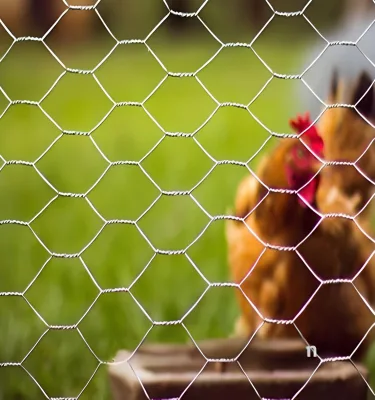
For plastic-based options, attention should be directed toward the polymer type, thickness, and hole shape, with hexagonal patterns being common for poultry enclosures. Buyers should verify the aperture size, which typically ranges from 0.5 to 6 cm, to ensure it effectively contains the target animals without compromising visibility. It is also essential to confirm the packing method, whether in rolls, cartons, or on pallets, as this affects handling efficiency and storage requirements at the destination site, influencing overall logistical costs.
Compliance and Safety Documentation
Compliance and safety documentation are paramount when sourcing Chicken Mesh, particularly for applications involving livestock or public-facing installations. Buyers should request relevant certifications, such as CE or ISO 9001, to verify that the manufacturer adheres to recognized quality management systems and international safety standards. These certifications provide assurance that the production processes are consistent and that the final product meets predefined quality benchmarks, reducing the risk of defects that could compromise animal safety or structural integrity.
Furthermore, it is crucial to verify that the materials used, especially in plastic meshes, are non-toxic and safe for animal contact. While some products may claim eco-friendly attributes, buyers should seek documentation confirming the absence of harmful chemicals or heavy metals in galvanized coatings. Understanding the export standards applied by the supplier ensures that the product complies with import regulations in the destination country, preventing potential customs delays or rejections due to non-compliance with local material safety regulations.
Cost Drivers and Commercial Terms
Cost drivers for Chicken Mesh are primarily influenced by material type, wire gauge, and surface treatment processes. Galvanized iron wire meshes tend to be more expensive due to the raw material costs and the additional processing required for galvanization, which enhances corrosion resistance. In contrast, plastic meshes may offer lower initial costs but can vary significantly based on the polymer quality and thickness. Buyers should analyze the total cost of ownership, considering factors such as longevity and maintenance requirements, rather than focusing solely on the unit price.
Commercial terms, including minimum order quantities (MOQ) and packaging specifications, also play a significant role in overall procurement costs. MOQs can range widely, from small quantities for trial orders to large volumes for industrial projects, impacting inventory holding costs. Packaging methods, such as rolls wrapped in plastic film or palletized shipments, affect shipping efficiency and potential damage during transit. Negotiating favorable terms regarding packaging and delivery schedules can help mitigate logistical expenses and ensure timely project completion.
Supplier Qualification and Quality Control
Supplier qualification is a critical step in ensuring the reliability and consistency of Chicken Mesh supplies. Buyers should assess the supplier's manufacturing capabilities, including their production capacity and quality control processes, to verify that they can meet specified technical requirements. Suppliers located in key manufacturing hubs, such as Hebei or Shandong in China, often have established supply chains and expertise in producing wire mesh products, but due diligence is necessary to confirm their operational stability and financial health.
Quality control measures should include regular inspections of raw materials, in-process checks during weaving or extrusion, and final product testing for dimensional accuracy and material integrity. Buyers should request samples to evaluate the mesh's flexibility, strength, and finish before committing to large orders. Establishing clear communication channels with the supplier for addressing any quality issues promptly is essential for maintaining a smooth procurement process and ensuring that the delivered products meet the agreed-upon specifications.
Long-Term Procurement Checks
Long-term procurement checks involve monitoring supplier performance and adapting to market changes to ensure continued value and reliability. Buyers should establish key performance indicators (KPIs) to track metrics such as on-time delivery, product quality consistency, and responsiveness to issues. Regular audits or reviews of the supplier's quality management systems can help identify areas for improvement and ensure that the supplier remains compliant with evolving industry standards and regulations.
Additionally, buyers should stay informed about technological advancements and new material innovations in the Chicken Mesh sector. Exploring alternative materials or improved weave techniques can offer opportunities for cost savings or enhanced performance. Building a diversified supplier base can also mitigate risks associated with supply chain disruptions, ensuring that the procurement process remains resilient and adaptable to changing business needs and market conditions over time.
FAQs
What materials are used for Chicken Mesh?
Chicken Mesh is commonly made from galvanized iron wire, iron wire, or plastic materials like HDPE and PP. Some options feature PE plastic types for specific applications. These materials ensure durability and suitability for various uses including cages and fencing.
Which weave techniques are available for this mesh?
The mesh typically utilizes plain weave techniques with normal, reverse, or bidirectional twist types. These methods create a sturdy structure suitable for decorative, construction, or protective applications. The specific twist type depends on the intended use and customization requirements.
Can the mesh be customized for specific needs?
Yes, customization is available for various product attributes including standards and specifications. Buyers can request specific models like YJD or FH-1092 based on their unique requirements. This flexibility allows for tailored solutions in terms of mesh size and material composition.
What are the standard packaging options for orders?
Products are generally packed in rolls using plastic film, waterproof paper, or plastic weaving bags. Some shipments utilize pallets with proof paper and plastic film for added protection. Packaging choices depend on the specific product model and customer preferences to ensure safe transport.
Where are these Chicken Mesh products manufactured?
Manufacturing origins include Hebei, Anping, and Shandong in China. These regions are known for producing wire mesh and plastic mesh products. The specific origin may vary depending on the product model and the supplier selected for the order.
What certifications do the products typically hold?
Products often carry CE and ISO9001 certifications to ensure quality and safety standards. These certifications apply to both computerized and non-computerized production processes. Buyers should verify specific certification details with the supplier to confirm compliance with their regional requirements.
What is the typical price range for Chicken Mesh?
The observed price range for Chicken Mesh products spans from 0.3 to 200 USD. Pricing varies significantly based on material type, mesh size, and customization levels. Buyers should request specific quotes to determine the exact cost for their required quantity and specifications.