Source chicken flavor bite-resistant dog toy for Play, Chew, and Training
Find and compare 30 listings for a chicken flavor bite-resistant dog toy designed for canine amusement. Evaluate options made from plush, rubber, or vinyl materials, featuring squeaker functions and customizable branding to suit diverse pet supply procurement needs.
Key considerations
Products List
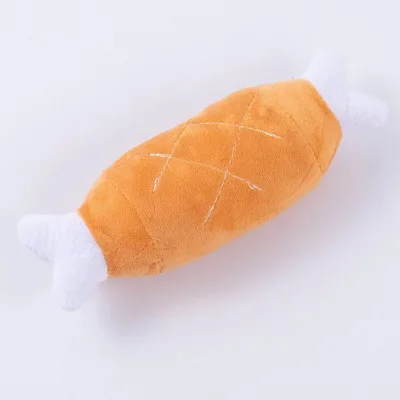


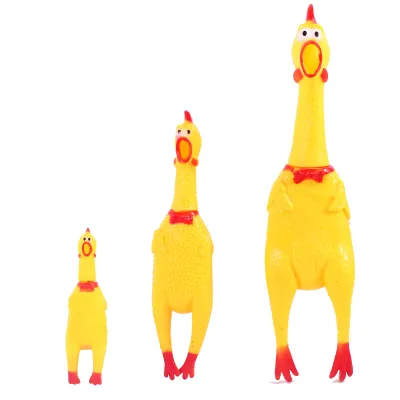
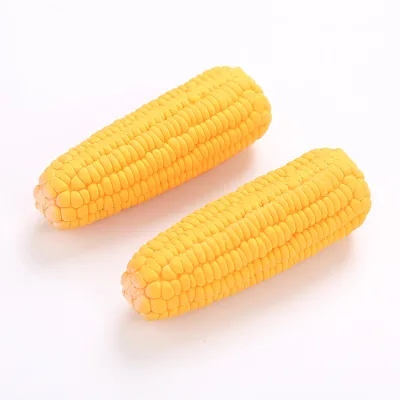


Interactive Dog Pet Toy Bite-Resistant with Cotton Rope and Food Leakage
$2.15 - $2.78
MOQ: 150 Pieces

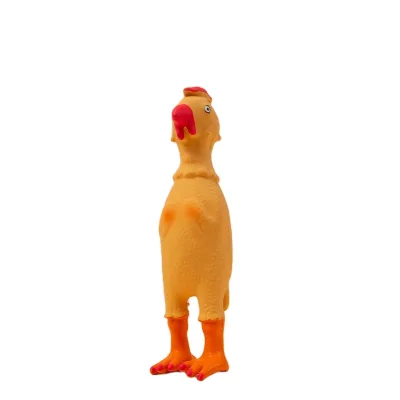


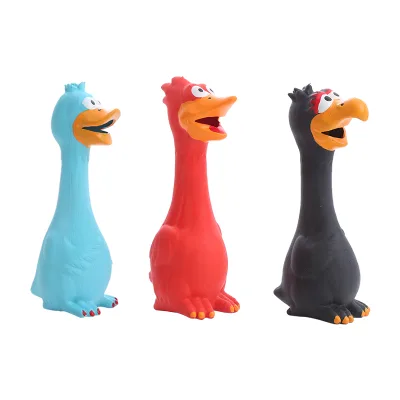
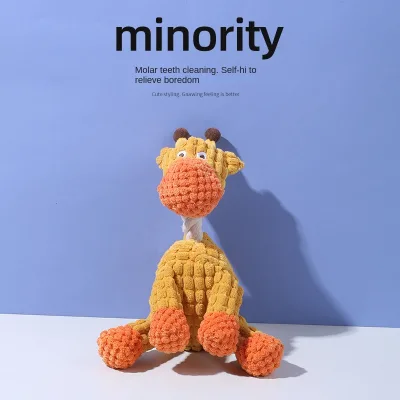

Comprehensive Sourcing Guide
Chicken Flavor Bite-Resistant Dog Toy Sourcing Guide
Sourcing durable, chew-resistant dog toys with specific flavor profiles requires a careful balance between material science, safety compliance, and commercial viability. The market for pet accessories is highly fragmented, with manufacturers ranging from small workshops to large-scale industrial producers. Buyers must navigate a landscape where product attributes such as "bite-resistant" and "chicken flavor" are often marketing descriptors rather than guaranteed technical specifications. This guide provides a structured approach to evaluating suppliers, verifying product claims, and mitigating risks associated with pet toy procurement. By focusing on evidence-based verification and clear commercial terms, buyers can build a reliable supply chain that meets the demands of discerning pet owners and retail partners.
The following sections outline the critical steps for sourcing these products, from understanding the observed market signals to establishing long-term quality control measures. Each section is designed to help procurement professionals make informed decisions, ensuring that the final products are safe, durable, and commercially viable. The guidance is grounded in typical industry practices and the specific data points observed in current market listings, providing a practical framework for effective sourcing.
Product Scope and Observed Listing Signals
The current market for chicken-flavored, bite-resistant dog toys exhibits a wide range of product variations, materials, and price points. Observed listings indicate a price range of $0.19 to $4.28 USD, reflecting significant differences in material quality, manufacturing complexity, and brand positioning. The minimum order quantity (MOQ) varies substantially, ranging from as low as 1 piece to 5,000 pieces, which suggests that suppliers cater to both small-scale retailers and large-volume distributors. Buyers should note that "chicken flavor" is often achieved through the inclusion of natural or synthetic additives, while "bite-resistant" typically refers to the density and durability of the material, such as rubber or reinforced plush.
Product attributes observed in listings include materials like plush, rubber, and vinyl, with certifications such as CE, CCC, ISO, and RoHS being commonly claimed. The place of origin is predominantly China, with specific regions like Zhejiang, Ningbo, and Sichuan mentioned. Some products are described as "eco-friendly" or "sustainable," while others focus on functional aspects like "releasing pressure" or "squeak" features. Buyers must critically evaluate these claims, as they are often self-reported by suppliers and may not be independently verified. The diversity in product specifications, from XS sizes to larger variants, highlights the need for clear communication of requirements to avoid mismatches between supplier offerings and buyer expectations.
Technical Specifications to Verify
Verifying technical specifications is crucial to ensuring that the purchased toys meet the intended use case and durability expectations. Buyers should request detailed product data sheets that specify the exact material composition, dimensions, and weight of each toy. For instance, observed listings mention specific sizes such as small (16cm), medium (31cm), and large (38cm), with corresponding weights ranging from 28g to 144g. These physical attributes directly impact the toy's suitability for different dog breeds and chewing behaviors. Additionally, the presence of internal components, such as squeakers or crinkle materials, should be confirmed, as these can affect both the toy's appeal and its potential safety hazards.
The "bite-resistant" claim requires specific verification, as it is not a standardized technical term. Buyers should inquire about the material's tensile strength, tear resistance, and overall durability under simulated chewing conditions. For rubber or vinyl toys, the hardness (Shore A scale) and resistance to puncture are key indicators of bite resistance. For plush toys, the density of the filling and the strength of the stitching are critical factors. Buyers should also verify the source and type of any flavoring agents used, ensuring they are non-toxic and safe for ingestion in small quantities. Requesting sample testing results or third-party lab reports can provide objective evidence of these technical claims.
Compliance and Safety Documentation
Compliance with safety standards is non-negotiable for pet toys, as they are in direct contact with animals that may chew, swallow, or ingest parts of the product. Buyers must ensure that suppliers provide valid certification documents, such as CE, CCC, ISO, and RoHS, which indicate adherence to specific regional and international safety regulations. However, certifications alone are not sufficient; buyers should verify the scope of these certifications to ensure they cover the specific product type and material composition. For example, CE certification for toys must comply with EN71 standards, which include mechanical and physical properties, flammability, and chemical migration limits.
Chemical safety is particularly important for flavored toys, as the flavoring agents may contain substances that are harmful if ingested. Buyers should request detailed chemical analysis reports to confirm that the products are free from heavy metals, phthalates, and other hazardous substances. Additionally, the presence of small parts, such as squeakers or eyes, must be evaluated for choking hazards, especially for toys marketed towards smaller dogs. Buyers should also inquire about the supplier's quality control processes, including how they handle batch-to-batch consistency and defect rates. Establishing clear acceptance criteria for safety and compliance in the purchase agreement is essential to mitigate legal and reputational risks.
Cost Drivers and Commercial Terms
Understanding the cost drivers for chicken-flavored, bite-resistant dog toys is essential for effective budgeting and negotiation. Key factors influencing price include the type and quality of raw materials, the complexity of the manufacturing process, and the volume of the order. Rubber and vinyl toys, which often offer higher bite resistance, may have higher material costs compared to plush toys. However, the inclusion of flavoring agents and specialized features like squeakers can also increase production costs. Buyers should analyze the price breakdown to identify areas where cost savings can be achieved without compromising quality, such as optimizing packaging or negotiating bulk discounts.
Commercial terms, including MOQ, payment terms, and lead times, play a significant role in the overall procurement strategy. The observed MOQ range of 1 to 5,000 pieces allows for flexibility, but buyers should consider the implications of ordering small quantities versus large volumes. Small MOQs may result in higher per-unit costs but reduce inventory risk, while large MOQs can offer better pricing but require significant storage space and capital. Payment terms should be negotiated to balance risk and cash flow, with options such as partial upfront payment and balance upon shipment being common. Clear communication of delivery schedules and penalties for delays is also crucial to ensure timely receipt of goods.
Supplier Qualification and Quality Control
Supplier qualification is a critical step in building a reliable supply chain for pet toys. Buyers should conduct thorough due diligence on potential suppliers, including verifying their business licenses, production capabilities, and past performance. Site visits or virtual audits can provide valuable insights into the supplier's manufacturing processes, quality control systems, and working conditions. Buyers should also assess the supplier's ability to meet specific customization requirements, such as logo printing, packaging design, and product specifications. Suppliers with a proven track record of exporting to target markets and adhering to international standards are generally more reliable.
Quality control measures should be established early in the procurement process to ensure consistent product quality. Buyers should define clear quality standards and inspection criteria, including acceptable defect rates and packaging requirements. Implementing a pre-shipment inspection (PSI) process can help identify and rectify issues before goods are dispatched. Buyers should also consider engaging third-party inspection agencies to conduct independent quality checks, especially for large orders. Establishing a feedback loop with the supplier to address quality issues and implement corrective actions is essential for continuous improvement. Regular communication and collaboration with the supplier can help build a strong partnership and ensure long-term success.
Long-Term Procurement Checks
Long-term procurement success depends on continuous monitoring and evaluation of supplier performance and product quality. Buyers should establish key performance indicators (KPIs) to track metrics such as on-time delivery, product quality, and responsiveness to issues. Regular performance reviews with suppliers can help identify areas for improvement and strengthen the business relationship. Buyers should also stay informed about changes in regulatory requirements and market trends that may impact the procurement of pet toys. Adapting to these changes proactively can help maintain compliance and competitiveness.
Product lifecycle management is another important aspect of long-term procurement. Buyers should monitor customer feedback and return rates to identify any recurring quality or safety issues. This information can be used to refine product specifications and supplier requirements. Additionally, buyers should explore opportunities for product innovation and differentiation, such as introducing new materials, flavors, or features. Building a diverse supplier base can also mitigate risks associated with single-source dependency. By maintaining a strategic and proactive approach to procurement, buyers can ensure a sustainable and profitable supply chain for chicken-flavored, bite-resistant dog toys.
FAQs
What materials are used for the chicken dog toy?
The toy is available in plush, rubber, and vinyl materials. Some versions feature a simulated chicken leg design. Buyers can select the material that best suits their pet's chewing habits and durability needs.
Can I customize the logo on the pet toy?
Yes, logo printing is available for this product. Some listings offer customized packing options while others provide non-customized versions. Buyers should verify specific customization requirements with the supplier before placing an order.
What certifications does the chicken toy have?
The product holds CE, CCC, ISO, and RoHS certifications. These standards ensure safety and compliance for pet toys. Buyers can rely on these documented certifications when sourcing products for international markets.
How much is the minimum order quantity?
The minimum order quantity ranges from 2 to 5000 pieces depending on the supplier. Some vendors list an MOQ of 10 pieces for specific models. Buyers should check individual listings to confirm the exact threshold.
Where are these dog toys manufactured?
Products originate from Zhejiang, Ningbo, and Sichuan in China. Different models may have varying production locations. Buyers can filter suppliers by these specific regions to align with their logistics preferences.
Are these toys suitable for small dogs?
Yes, the toys come in sizes including XS, small, medium, and large. Specific dimensions range from 16cm to 38cm. This variety ensures suitability for different dog breeds and sizes.