Source Children Beach Cruiser for beach play, racing, and leisure
Compare 30 verified listings for Children Beach Cruiser options suitable for seaside sand play, sport entertainment, and speed racing. Buyers can evaluate specifications, materials, and pricing from multiple manufacturers in Guangdong, China.
Key considerations
Products List
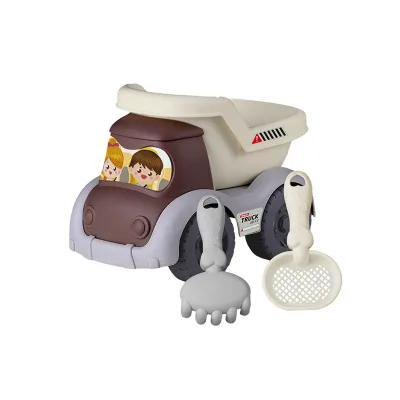
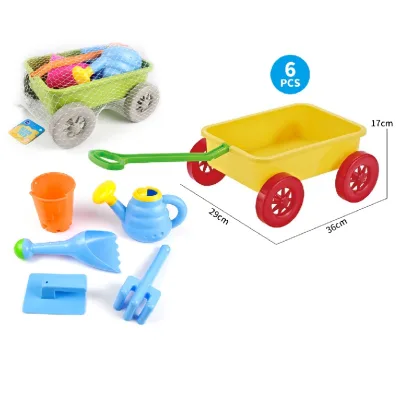
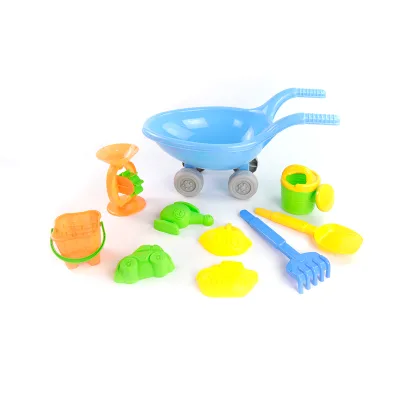
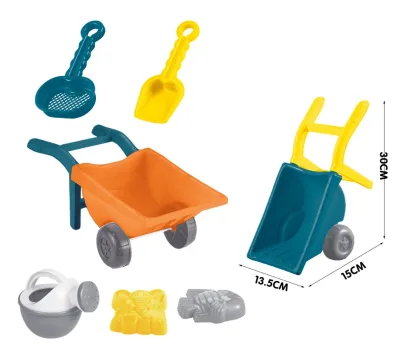
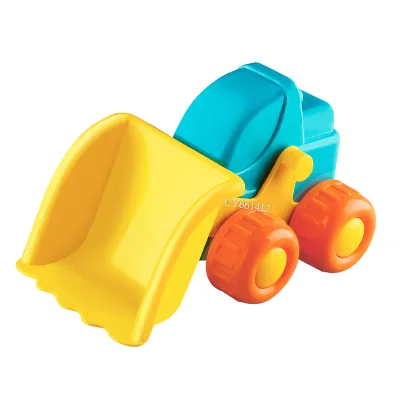
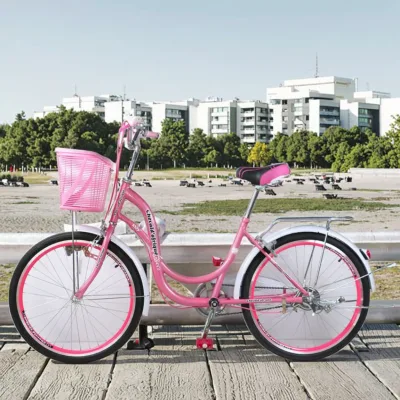
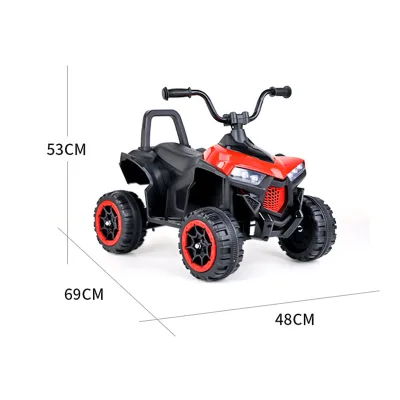
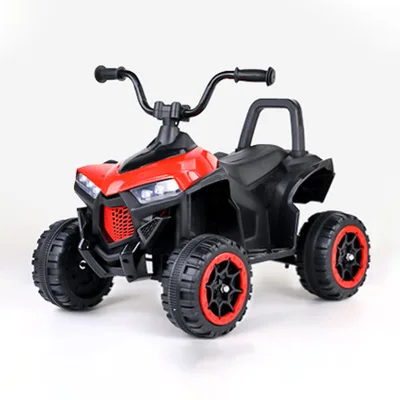
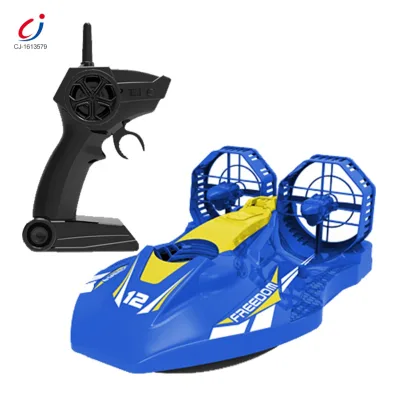

26" Beach Bike/Bicycle, Beach Cruiser Bike/Bicycle 1-SPD (YD16BC-26508)
$98.00 - $100.00
MOQ: 100 Pieces






Comprehensive Sourcing Guide
Strategic Sourcing Guide for Children Beach Cruisers and Sand Play Equipment
Understanding Product Definitions and Market Segments
The term "Children Beach Cruiser" in a B2B procurement context often encompasses a broader spectrum of recreational equipment than a single bicycle model. In the current supply landscape, this keyword frequently maps to specialized sand play sets, beach car combinations, and stroller-style toys designed for outdoor seaside environments. Procurement teams must distinguish between actual wheeled vehicles and large-scale sand play structures, as the technical specifications, packaging requirements, and compliance standards differ significantly. The observed market data indicates a strong presence of "Beach Car Combination" sets and "Beach Stroller Sets" alongside traditional "Beach Sand Tools." These items are categorized under "Other Outdoor Toys & Structures" and are designed for "Summer Outdoor Beach Toys" usage.
When sourcing, buyers should recognize that "cruiser" in this specific niche may refer to a "Beach Car Combination 6 Pcs" or a "Beach Stroller Set 10PCS" rather than a pedal-powered bicycle. The product attributes highlight materials ranging from durable plastics like RPP (Reinforced Polypropylene) to structural components made of Aluminum and Fiberglass. Understanding this distinction is critical for accurate specification writing. A product described as a "Beach toy" with a function of "Kids Fun Toys" and a style of "Sand Beach Play Set" serves a different logistical and safety profile than a motorized vehicle intended for "Sport, Entertainment, River, Speed racing." The procurement strategy must align with the specific functional definition required by the target demographic, which ranges from toddlers aged 2 to 4 years to teenagers 14 years and up.
Technical Specifications and Material Composition
The technical viability of beach equipment relies heavily on material selection and dimensional accuracy. The supply chain data reveals specific material compositions that dictate durability and safety. For instance, sand play sets are constructed from Plastic, while more robust stroller-style units utilize RPP material. In contrast, certain high-performance applications, such as those intended for "Speed racing" or "Racing," may involve Aluminum and Fiberglass composites. These materials are selected to withstand the corrosive nature of saltwater and the abrasive texture of sand.
Dimensional specifications are equally vital for logistics planning. Observed data points to a single package size of 36X29X21.5 cm for certain 6-piece car combinations, while larger sets, such as the 10-piece stroller sets, may have a single package size of 60X24X21 cm. For bulk shipments, the "Package size per batch" can reach 115X51X117 cm, with a "Gross weight per batch" of 28.900 kg. Buyers must verify these dimensions against their container loading plans. The "Product size" of individual units, such as 362917 cm, must be cross-referenced with the "QTY/CTN" (Quantity per Carton) to ensure efficient palletization. Typical packing configurations show a "QTY/CTN" of 12 sets per carton for some models and 9 sets per carton for others. The "Selling Units" often operate on multiples of 144 or specific carton counts, which influences the Minimum Order Quantity (MOQ) calculations.
Compliance, Certification, and Safety Standards
Safety compliance is non-negotiable in the children's toy sector. The supply data explicitly lists EN 71 as a certification standard for specific beach play toys. EN 71 is a comprehensive European standard for toy safety, covering mechanical and physical properties, flammability, and chemical migration. When evaluating suppliers, buyers must verify that the specific model numbers, such as 996067041 or W218-55, carry valid EN 71 certification. It is important to note that not all products in a category may share the same certification status; therefore, verification must be model-specific.
For products involving "Aluminum, Fiberglass" or those marketed for "Sport" and "Racing," additional safety considerations apply. If the product includes an "Engine Type" such as 2-stroke or 4-stroke, the regulatory requirements shift significantly toward vehicle safety standards, emissions regulations, and noise limits, which may extend beyond standard toy certifications. Buyers should not assume that a "Beach toy" with a "Funny Sand Beach Toy" feature automatically meets vehicle safety standards. The "Certificate" field must be explicitly checked for each SKU. Furthermore, age range specifications, such as "2 to 4 Years" versus "14 Years & up," dictate the strictness of the safety testing. Toys for younger children require more rigorous small parts testing and structural integrity checks compared to those for older demographics.
Cost Drivers and Pricing Dynamics
The pricing structure for beach equipment is influenced by material costs, packaging complexity, and order volume. The observed price range in the market spans from $0.81 to $10,650 USD. This vast disparity reflects the difference between simple plastic sand tool sets and complex, large-scale structures or motorized units. The lower end of the spectrum typically corresponds to basic "Beach Sand Tools Set" items made of standard plastic, while the higher end likely includes "Beach Car Combination" units or those with advanced features like "Custom" colors and specialized engine types.
MOQ (Minimum Order Quantity) is a primary cost driver. The data indicates an MOQ range of 1 to 1000 units, with specific examples showing an MOQ of 120 sets for one model and 5 Cartons for another. Buyers must understand that ordering below the standard MOQ may result in a premium per-unit cost or require the acceptance of mixed SKUs. The "Selling Units" structure, such as multiples of 144, also impacts cost efficiency. Ordering in exact carton multiples ensures that the "QTY/CTN" is fully utilized, reducing wasted space and potential handling fees. Additionally, the "Sample Time" of 3-5 days suggests that the supply chain is responsive, but buyers should factor in the cost of samples and the time required for quality verification before committing to a bulk order.
Supplier Evaluation and Operational Capabilities
Evaluating suppliers requires a focus on their manufacturing capabilities, location, and flexibility. The primary place of origin for the observed products is Guangdong, China, a major hub for toy manufacturing. Buyers should verify the supplier's ability to handle OEM/ODM requests, as the data indicates that "OEM/ODM: Accepable" is a feature for certain beach stroller sets. This capability is crucial for brands looking to customize colors, such as "Black, White, Blue, Red, Green, Silver, Custom," or to adapt the "Style" of the product to specific market trends.
The "Brand Name" field shows a variety of manufacturers, including "LEZA BABY," "BANATOYS," and "Sunshine Play." While specific supplier names should not be recommended, the presence of multiple brands indicates a competitive market. Buyers should assess the supplier's capacity to maintain consistent quality across different "Model Number" variations, such as W218-55 versus 996040200. The "Single gross weight" and "G.W & N.W" (Gross Weight and Net Weight) data, such as 1.500 kg or 9KG/7KG, are essential for calculating freight costs. A supplier with accurate weight data and clear packaging specifications (e.g., "Packing: Sleeve" or "Packaging: Display card") reduces the risk of shipping discrepancies and customs delays.
Quality Control and Inspection Protocols
Effective quality control (QC) is essential to mitigate risks associated with beach equipment, which faces harsh environmental conditions. Inspection protocols should focus on material integrity, specifically checking for the durability of Plastic and RPP materials against UV exposure and saltwater corrosion. For products with "Aluminum, Fiberglass" components, visual inspections should look for structural weaknesses or poor bonding. The "Feature" of being a "Funny Sand Beach Toy" should not compromise the structural safety of the item.
Buyers should implement a multi-stage QC process. First, verify the "Certificate" documentation against the physical product to ensure the EN 71 standard is genuinely applied. Second, conduct physical inspections on pre-production samples to confirm that the "Product size" and "Package size" match the specifications. Third, perform load testing on items like "Beach Stroller Sets" to ensure they can support the intended "Age Range" without failure. The "Sample Time" of 3-5 days allows for rapid iteration if initial samples fail QC checks. It is also important to verify the "Color" accuracy against the provided swatches, as "Multi" color options can sometimes lead to inconsistencies in mass production.
Long-Term Procurement and Logistics Considerations
Sourcing beach equipment requires a long-term view of logistics and inventory management. The "Package size per batch" of 115X51X117 cm and the "Gross weight per batch" of 28.900 kg indicate that these are heavy, bulky items. Buyers must plan for efficient container loading to minimize shipping costs. The "QTY/CTN" of 12 or 9 sets per carton must be factored into the total container capacity. For example, a standard 40-foot container can hold a specific number of cartons based on these dimensions, and over-ordering can lead to wasted space or under-ordering can result in partial container loads with higher freight rates.
Inventory planning should account for the seasonal nature of beach toys. The "Usage" is explicitly defined as "Summer Outdoor Beach Toys," meaning demand peaks in specific months. Buyers should align their lead times with these seasonal cycles to avoid stockouts during the high-demand period. The "Sample Time" of 3-5 days is a positive indicator of a responsive supply chain, but bulk production lead times must be confirmed separately. Additionally, the "OEM/ODM" capability allows for customization, which can be a strategic advantage for brand differentiation. However, customization often extends lead times and requires careful management of design approvals. Finally, buyers should consider the "Selling Units" structure; ordering in multiples of 144 or specific carton counts ensures that the supply chain remains streamlined and cost-effective for future replenishment orders.
FAQs
What certifications are available for Children Beach Cruiser toys?
EN 71 certification is available for specific beach play toy models like the 6-piece car combination. Buyers must verify this standard applies to the exact model number, as not all items in the category share the same safety compliance status.
Which materials are used for Children Beach Cruiser construction?
Materials include Plastic, RPP, Aluminum, and Fiberglass depending on the product type. Simple sand tools use Plastic, while stroller sets often use RPP, and racing or sport applications may involve Aluminum and Fiberglass composites for durability.
Can I find Children Beach Cruiser suppliers in Guangdong, China?
Yes, the primary place of origin for these products is Guangdong, China. This region is a major manufacturing hub, and multiple brands like LEZA BABY and BANATOYS operate from this location to supply global buyers.
How is the minimum order quantity determined for beach toys?
MOQ varies by model, ranging from 1 to 1000 units, with specific examples like 120 sets or 5 cartons. Buyers should check the selling units, which may require orders in multiples of 144 or specific carton counts to ensure efficiency.
What are the typical package dimensions for bulk shipments?
Bulk shipments can reach a package size of 115x51x117 cm with a gross weight of 28.9 kg per batch. Individual units vary, with single package sizes like 36x29x21.5 cm for car combinations and 60x24x21 cm for stroller sets.
Which age ranges are covered by these beach cruiser products?
Products cover a wide age range from 2 to 4 years up to 14 years and older. Specific sets are designed for toddlers, children aged 5 to 7, and teenagers, requiring different safety testing levels based on the target demographic.
Can suppliers offer OEM or ODM customization for beach toys?
Yes, OEM and ODM services are acceptable for certain beach stroller sets and other models. Buyers can request custom colors like Black, White, Blue, or Red, and adapt the style to meet specific market trends or branding requirements.