Source Childproof Clear Plastic Oil Bottle for Cosmetics, Skin Care, and Personal Care
Compare 30 Childproof Clear Plastic Oil Bottle options from verified manufacturers in China. These plastic bottles feature custom logos, various sizes, and ISO9001 certification for cosmetics and skin care packaging needs.
Key considerations
Products List


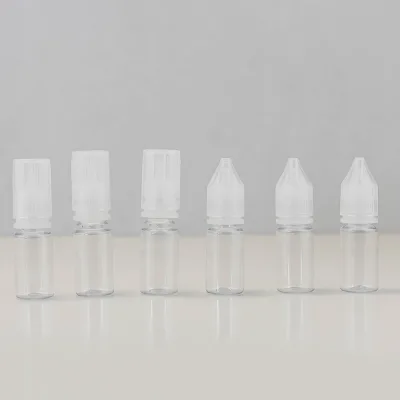


10ml 20ml Pet Plastic Packaging Empty Liquid Oil Bottles with Childproof Cap
$0.03 - $0.05
MOQ: 1000 Pieces


Hot Sale 5ml-20ml PE Needle Flower Oil Dropper Bottles with Childproof Cap
$0.04 - $0.18
MOQ: 5000 Pieces


OEM Black Essential Oil Glass Bottle with Child-Resistant and Tamper Evident Cap
$0.07 - $0.30
MOQ: 20000 Pieces

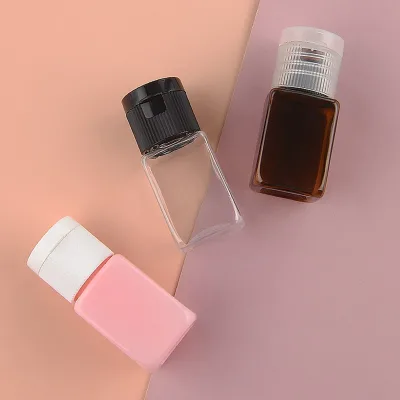


Wholesale 100ml PE Plastic Customized Baby Body Oil Bottle with Flip-Top Cap
$0.12 - $0.13
MOQ: 10000 Pieces

Wholesale 200ml HDPE Plastic Cosmetic Baby Body Oil Bottle with Flip-Top Cap
$0.15 - $0.15
MOQ: 10000 Pieces
Comprehensive Sourcing Guide
Sourcing Guide for Childproof Clear Plastic Oil Bottles
Understanding Technical Specifications and Material Composition
When sourcing childproof clear plastic oil bottles, the primary objective is to identify products that balance safety mechanisms with material integrity. The core keyword implies a specific intersection of features: a transparent container, a locking closure mechanism, and a material suitable for oil storage. Based on available industry data, the material composition for such containers frequently involves PET (Polyethylene Terephthalate) or PE (Polyethylene). These plastics are selected for their chemical resistance, which is critical when storing oils that might degrade other materials. The transparency of the bottle allows for visual inspection of the contents, a key requirement for many cosmetic and personal care applications.
The closure mechanism is the defining technical feature. The product must be a screw cap with a child-proof feature. This typically involves a dual-action mechanism where the cap must be pressed down while simultaneously rotating to unlock, preventing young children from opening the container. The thread specification is equally vital; data indicates that 18mm is a standard size for these applications, though other sizes may exist. The thread type is generally an external thread connection, designed to mate with standard bottle necks. Buyers must verify that the "clear" attribute refers to the bottle body, while the cap may be white, black, or customized in color, depending on the supplier's capabilities. The surface handling of these bottles often includes screen printing, hot stamping, or labeling, which affects the final aesthetic and branding potential.
Compliance, Certification, and Safety Standards
In the realm of packaging for personal care and oil products, compliance is not merely a formality but a prerequisite for market entry. While specific test results for every batch cannot be assumed without verification, suppliers in this sector often operate under ISO 9001 certification. This standard indicates that the manufacturing facility adheres to a quality management system, ensuring consistent production processes. However, buyers should not assume that ISO 9001 covers food-grade or specific chemical resistance standards unless explicitly stated for the intended oil type.
For oil and cosmetic applications, the material must be non-toxic and free from harmful leaching agents. Although specific chemical standards like ISO 8317 are sometimes referenced in broader contexts, buyers must verify if the specific plastic grade (PET or PE) meets the regulatory requirements of their target market, such as FDA regulations in the United States or EU regulations in Europe. The HS Code 7612909000 is sometimes associated with packaging components, but buyers must confirm the exact classification for plastic bottles, as misclassification can lead to customs delays or incorrect duty rates. It is essential to request a Declaration of Conformity or a Material Safety Data Sheet (MSDS) from the supplier to confirm that the plastic used is safe for the specific oil being packaged.
Cost Drivers and Pricing Dynamics
The pricing of childproof clear plastic oil bottles is influenced by several variable factors. The observed market data suggests a price range that can vary significantly, often starting from very low unit costs for high-volume orders. The Minimum Order Quantity (MOQ) is a primary driver of unit price; data indicates MOQs can range from 5,000 to 100,000 pieces. Ordering at the lower end of this spectrum typically results in a higher cost per unit due to the fixed costs of mold setup and production line allocation. Conversely, larger orders allow for economies of scale, reducing the per-unit cost.
Material costs are another significant factor. The choice between PET and PE can influence the price, as can the thickness of the plastic. Thicker walls provide better durability and chemical resistance but increase material usage and cost. Customization also plays a major role in pricing. Adding a custom logo via silk printing, hot stamping, or label application incurs additional setup and running costs. The color of the cap, if customized away from standard white or black, may also affect the price. Furthermore, the complexity of the child-proof mechanism can impact the cost; more robust locking mechanisms may require more precise molding and higher quality control. Buyers should anticipate that the final price will be a function of volume, material selection, customization level, and the specific supplier's production efficiency.
Typical Applications and Volume Requirements
Childproof clear plastic oil bottles are predominantly used in the personal care and cosmetic industries. The data highlights specific applications such as skin care creams, liquid cosmetics, and various oil-based products. The volume of these bottles typically ranges from 10 ml to 100 ml, with specific models available in 10 ml, 50 ml, and 100 ml capacities. This range is ideal for premium skincare serums, essential oils, and travel-sized cosmetic products. The "clear" nature of the bottle is particularly valuable for products where the consumer wants to see the color or clarity of the oil, which is a common marketing tactic in the beauty sector.
The industrial use is explicitly categorized under personal care, but the versatility of these bottles allows for use in other sectors requiring child safety. For instance, they may be used for small quantities of household chemicals, pharmaceuticals, or specialized lubricants where child safety is a concern. The installation type, being an external thread connection, ensures compatibility with a wide range of standard filling equipment. The surface handling options, including printing and labeling, make these bottles suitable for brands that require strong visual identity on the shelf. Buyers should consider the intended end-use when selecting the volume and material; for example, oils with high volatility might require specific barrier properties that standard PET may not provide without additional treatment.
Supplier Evaluation and Geographic Considerations
When evaluating potential suppliers for childproof clear plastic oil bottles, geographic origin is a relevant factor for logistics and lead times. The data indicates that manufacturers are located in regions such as Jiangsu and Shanghai in China. These regions are known for their robust manufacturing ecosystems and supply chains for plastic packaging. The presence of multiple suppliers in these areas suggests a competitive market, which can be beneficial for buyers seeking competitive pricing and diverse options.
Supplier evaluation should go beyond location. Buyers must assess the supplier's capacity to handle customization, as the data shows that customization is available for logos, colors, and sizes. The ability to accept custom orders is a critical indicator of a supplier's flexibility. Additionally, the delivery time is a key performance metric; some suppliers may offer delivery within 35 days after deposit, while others might have shorter lead times if stock is available, potentially as fast as 7 days. Buyers should verify the supplier's quality control processes, as the "Original Material" claim suggests a focus on using high-grade raw materials. It is also prudent to check if the supplier has a history of meeting ISO 9001 standards and to request references from other clients in the personal care industry.
Quality Control and Long-Term Procurement Strategies
Ensuring consistent quality in childproof plastic bottles requires a robust quality control (QC) strategy. The production process involves blow molding, which must be tightly controlled to ensure the thread dimensions and the locking mechanism function correctly. Buyers should implement incoming quality checks that verify the child-proof functionality by testing the cap on the bottle to ensure it requires the correct press-and-turn action. Visual inspection is also necessary to check for defects such as cloudiness in the "clear" plastic, uneven coloring, or defects in the printing and labeling.
For long-term procurement, establishing a stable supply chain is essential. Buyers should consider the supplier's ability to maintain consistent lead times and their capacity to scale production as order volumes grow. The use of strong carton packing is standard, but buyers should verify that the packaging is sufficient to prevent damage during transit, especially for clear bottles which are more prone to visible scratches. Negotiating terms for repeat orders, such as reduced MOQs or priority production slots, can help stabilize the supply chain. Furthermore, maintaining open communication regarding design changes or material updates ensures that the product remains compliant with evolving regulations and market trends.
Comparison of Key Product Attributes
To assist buyers in making informed decisions, the following table summarizes the key attributes observed in the market for childproof clear plastic oil bottles. This comparison highlights the variability in specifications and helps in filtering suppliers based on specific needs.
| Attribute | Typical Observation | Verification Requirement |
|---|---|---|
| Material | PET, PE, Pet Plastic | Confirm food-grade or chemical resistance certification. |
| Closure Type | Screw Cap, Child-Proof | Test the locking mechanism for ease of use by adults and difficulty for children. |
| Size/Thread | 18mm (Standard) | Verify thread compatibility with existing filling lines. |
| Volume | 10 ml, 50-100 ml | Confirm exact capacity and fill level accuracy. |
| Color | Clear (Bottle), White/Black/Custom (Cap) | Request color samples for brand alignment. |
| Customization | Logo, Color, Size Available | Check setup costs and minimums for custom runs. |
| Certification | ISO 9001 (Facility) | Request specific material safety documentation. |
| Origin | Jiangsu, Shanghai, China | Evaluate logistics costs and lead times from specific regions. |
| Surface Handling | Screen Printing, Hot Stamping | Verify print durability and resistance to oil smearing. |
By systematically evaluating these attributes, buyers can navigate the complexities of sourcing childproof clear plastic oil bottles. The focus should remain on verifying the technical specifications against the intended application, ensuring compliance with safety standards, and selecting a supplier capable of delivering consistent quality at a competitive price point. The interplay between material choice, customization, and volume dictates the final procurement strategy, requiring a balanced approach that prioritizes safety and brand integrity.
FAQs
What material is used for childproof clear plastic oil bottles?
These bottles are typically made from PET or PE plastic. The material choice ensures chemical resistance suitable for oil storage while maintaining transparency for visual inspection of contents.
Which size specifications are available for these screw caps?
Standard specifications include an 18mm thread size. This dimension is common for external thread connections designed to mate with standard bottle necks in personal care applications.
Can suppliers provide custom logos and colors for these bottles?
Yes, customization is available for logos, colors, and sizes. Buyers can request custom logos via screen printing or hot stamping, and caps may be white, black, or customized.
How long is the delivery time for custom orders?
Delivery typically occurs within 35 days after deposit. Some suppliers may offer faster delivery within 7 days if stock is fully available for immediate shipment.
What is the minimum order quantity for these plastic bottles?
The minimum order quantity ranges from 500 to 100,000 pieces depending on the supplier. Specific listings indicate an MOQ of 10,000 pieces for certain custom configurations.
Which certifications do manufacturers typically hold for these products?
Manufacturers often hold ISO 9001 certification for their quality management systems. This indicates adherence to consistent production processes, though specific material safety certifications should be verified.