Source Child Teaching Wireless Microscope for Labs
Find and compare 23 Child Teaching Wireless Microscope options for educational research and classroom demonstrations. Evaluate features like magnification, portability, and LED illumination to select the right device for student learning and biological observation tasks; compare the available evidence and request quotations based on your requirements.
Key considerations
Products List




Comprehensive Sourcing Guide
Child Teaching Wireless Microscope Sourcing Guide
Procuring educational microscopy equipment requires balancing optical clarity with ergonomic design suitable for younger users. While the core keyword emphasizes wireless connectivity, the available market data reveals a significant divergence between this specific feature and the dominant product category. Buyers must carefully distinguish between modern digital wireless models and traditional optical instruments that form the bulk of current inventory. This distinction is critical for aligning procurement with specific pedagogical goals, whether they involve direct visual observation or digital projection in a classroom setting.
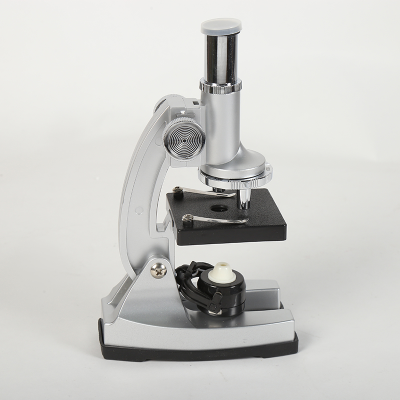
The observed product landscape is heavily skewed toward monocular, desktop-based biological microscopes rather than wireless handheld devices. Most listed items operate on ordinary light sources with LED illumination, featuring fixed magnification ranges and manual stage adjustments. Consequently, sourcing strategies should prioritize verifying the actual connectivity features of any quoted item, as many suppliers may use "wireless" loosely or offer only optional digital cameras. Understanding this gap ensures that educational institutions do not purchase equipment that fails to meet the interactive, screen-sharing requirements of modern teaching environments.
Product Scope and Observed Listing Signals
The current market inventory indicates a strong prevalence of monocular biological microscopes designed for teaching and research applications. These devices typically feature cylindrical lenses, achromatic objectives, and plain stages with slide clips, catering to fundamental educational needs. The observed models, such as the LPR15 series, demonstrate a focus on durability and basic functionality, with dimensions ranging from compact desktop units to larger, more robust frames. This suggests that the primary supply base is optimized for traditional laboratory settings rather than portable, wireless classroom demonstrations.
Price and minimum order quantity (MOQ) data further highlight the nature of this supply chain. Prices range widely from one to eleven hundred USD, reflecting variations in build quality and optical precision. MOQs vary significantly, starting from single units up to eleven thousand pieces, indicating that suppliers cater to both individual school purchases and large-scale institutional tenders. Buyers should note that the lower price points often correspond to basic monocular models with standard LED lighting, while higher costs may involve more complex optical systems or bulk manufacturing efficiencies.
Technical Specifications to Verify
Optical performance is the primary technical consideration for educational microscopes, with total magnification typically ranging from forty to four hundred times. Key components to verify include the eyepiece specifications, such as WF10X, and the objective lens configuration, which often includes 4X, 10X, and 40X achromatic lenses. Some advanced models may offer additional magnification steps or include barlow lenses to extend the range. Ensuring that the objectives are properly aligned and free from aberrations is essential for clear image formation during student experiments.
Illumination and stage mechanics are equally critical for user experience and image quality. Most observed models utilize LED light sources, which provide consistent brightness and energy efficiency compared to traditional halogen bulbs. The condenser system, often NA0.65 with a diaphragm, plays a vital role in controlling light contrast and resolution. Additionally, the stage type, whether plain with clips or mechanical, affects how easily students can manipulate slides. Buyers must confirm that the stage dimensions and clip mechanisms are robust enough to handle frequent use in a busy classroom environment.
Compliance and Safety Documentation
Safety compliance is paramount when sourcing equipment for children, ensuring that all materials and electrical components meet strict regulatory standards. Buyers should request documentation verifying that the microscopes comply with relevant international safety standards for educational equipment, particularly regarding electrical insulation and material toxicity. Since many models are electrically powered via LED systems, verifying compliance with low-voltage safety regulations is essential to prevent any risk of shock or overheating during classroom use.
Environmental and manufacturing standards also contribute to the overall safety profile of the product. Certifications related to RoHS or REACH compliance ensure that hazardous substances are minimized in the construction of the microscope. Additionally, buyers should inquire about the origin of the products, with many items originating from established manufacturing hubs in China. Understanding the supply chain transparency helps in assessing the reliability of safety claims and ensures that the equipment meets the ethical and environmental expectations of modern educational institutions.
Cost Drivers and Commercial Terms
The cost of educational microscopes is influenced by several factors, including the complexity of the optical system, the quality of materials used, and the level of customization available. Models with higher magnification ranges, more robust stages, and additional features like barlow lenses typically command higher prices. Customization options, such as branding or specific color schemes, can also impact the final cost, especially for bulk orders. Buyers should evaluate these variables to determine the best value proposition for their specific budget and requirements.
Commercial terms, including payment methods, shipping arrangements, and warranty policies, play a significant role in the total cost of ownership. Suppliers may offer different pricing tiers based on order volume, with significant discounts available for large institutional purchases. It is crucial to clarify the lead times for production and delivery, as delays can disrupt academic schedules. Additionally, understanding the warranty coverage and after-sales support options ensures that any potential issues can be resolved quickly, minimizing downtime in the classroom.
Supplier Qualification and Quality Control
Selecting a reliable supplier is essential for ensuring the long-term performance and safety of educational microscopes. Buyers should verify the supplier’s manufacturing capabilities, including their production capacity and quality control processes. Suppliers with established track records in producing optical instruments are more likely to deliver consistent quality. Requesting samples before placing large orders allows for a thorough evaluation of the product’s build quality, optical clarity, and ease of use.
Quality control measures should include rigorous testing of optical components, mechanical parts, and electrical systems. Buyers should inquire about the supplier’s inspection protocols, such as incoming material checks, in-process inspections, and final product testing. Additionally, verifying the supplier’s ability to provide technical support and spare parts is crucial for maintaining the equipment over time. Establishing a clear communication channel with the supplier ensures that any issues can be addressed promptly, fostering a reliable partnership for future procurement needs.
Long-Term Procurement Checks
Long-term procurement success depends on the ability to monitor product performance and supplier reliability over time. Buyers should establish a system for tracking the durability and functionality of the microscopes in classroom settings, noting any recurring issues or maintenance needs. Regular feedback from teachers and students can provide valuable insights into the practical usability of the equipment, helping to inform future purchasing decisions. This continuous evaluation process ensures that the procurement strategy remains aligned with educational goals and technological advancements.
Supplier relationship management is also key to long-term success, requiring regular reviews of performance metrics such as delivery times, product quality, and customer service. Building a strong partnership with suppliers can lead to better pricing, priority support, and access to new product innovations. Additionally, staying informed about industry trends and emerging technologies in educational microscopy can help buyers make proactive decisions, ensuring that their institutions remain at the forefront of scientific education.
FAQs
What is the total magnification range for these microscopes?
The total magnification ranges from 40 to 400X for most models, while some specific units offer a range of 70 to 400X. This capability allows users to observe biological samples clearly for teaching and research purposes without needing stereoscopic effects.
Can these microscopes be customized for specific needs?
Yes, customization is available for these biological microscopes to meet specific requirements. Buyers can request adjustments to features like the eyepiece or objectives, ensuring the instrument fits the exact demands of educational or research environments effectively.
Which light source is used in these teaching microscopes?
These microscopes utilize an ordinary light source with LED illumination, often positioned as a down LED. This setup provides consistent lighting for viewing specimens on the plain stage, making them suitable for both classroom teaching and laboratory research applications.
How is the microscope head designed for user comfort?
The head is monocular, inclined at 45 degrees, and fully rotatable 360 degrees for flexible viewing angles. This design ensures comfortable observation during extended teaching sessions or detailed research work, accommodating various user positions and ergonomic needs effectively.
What are the dimensions of the working stage?
The working stage dimensions vary by model, with sizes including 90 by 90mm or 120 by 120mm. These plain stages come equipped with slide clips to securely hold specimens in place during observation, ensuring stability for accurate biological analysis.
Where are these microscopes manufactured and what is the origin?
These microscopes originate from China, specifically from the Zhejiang region. They are produced by manufacturers like JINGFENG and are packed in cartons for safe transport, ensuring they reach buyers ready for immediate use in educational or research settings.