Source Christian Charm Bracelet for Children for gifts, parties, and formal occasions
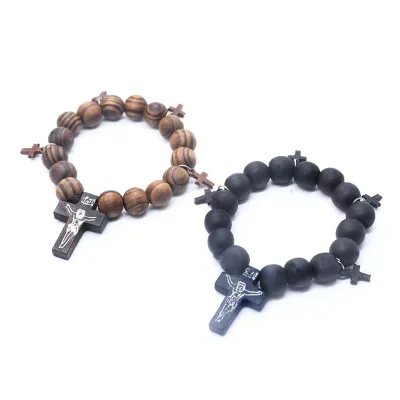
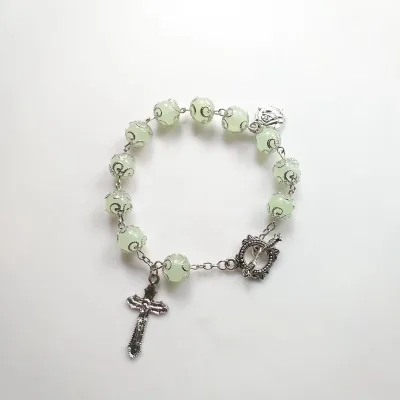
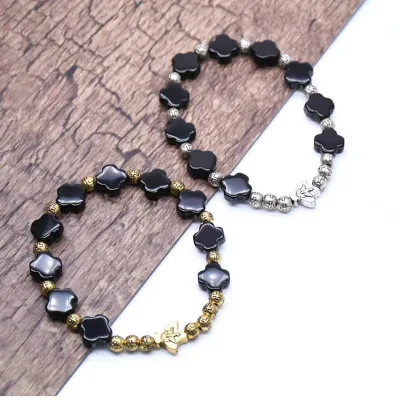
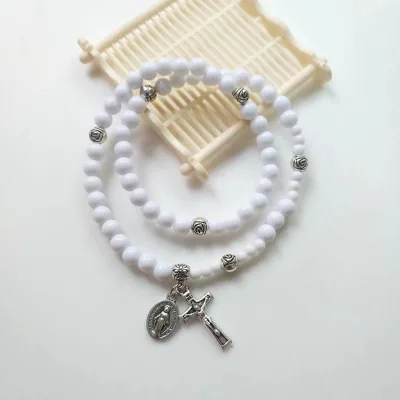
Compare 30 listings of Christian Charm Bracelet for Children suitable for girls and boys. Options include alloy, wood, and stainless steel materials with PVD plating and custom designs available for formal events and gifts.
Key considerations
Products List


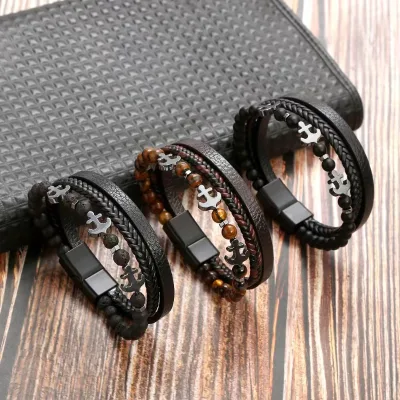
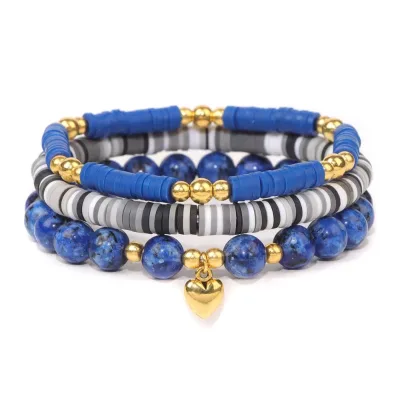


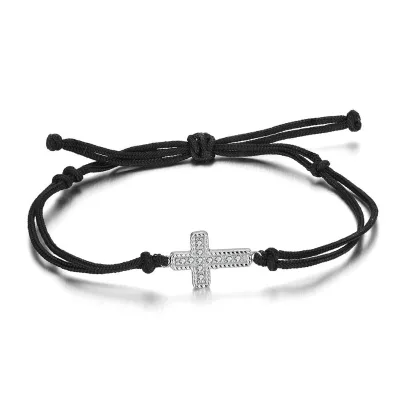
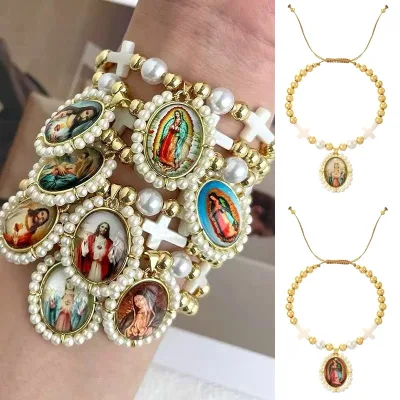
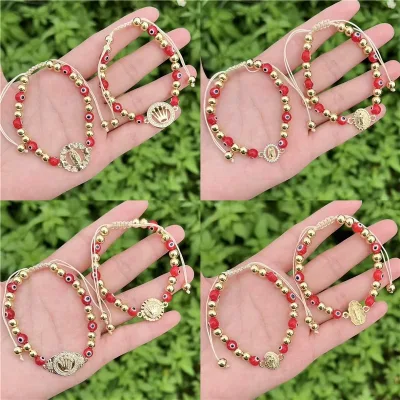
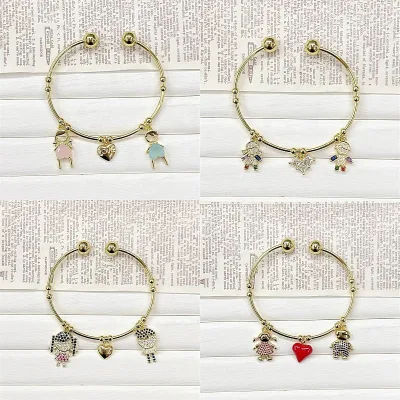
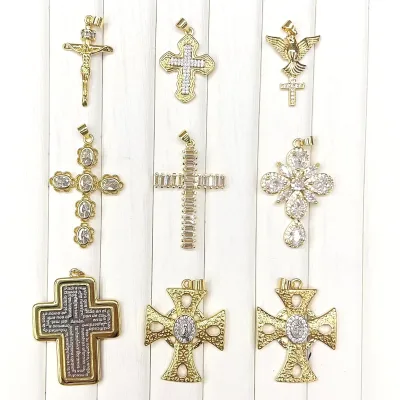


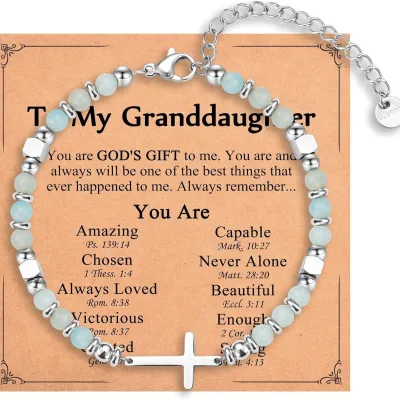


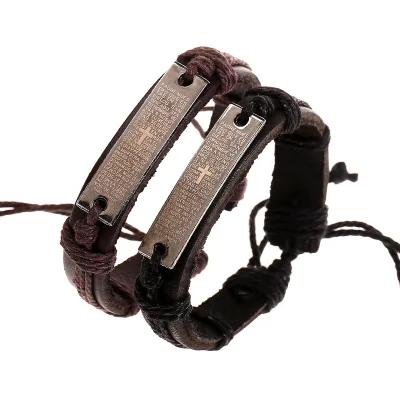

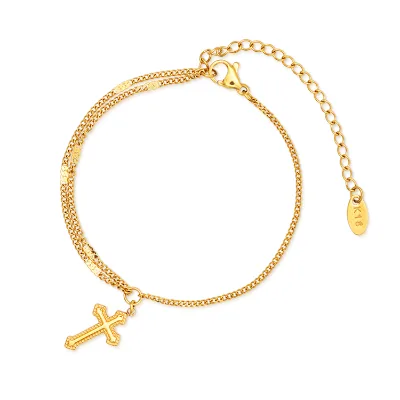
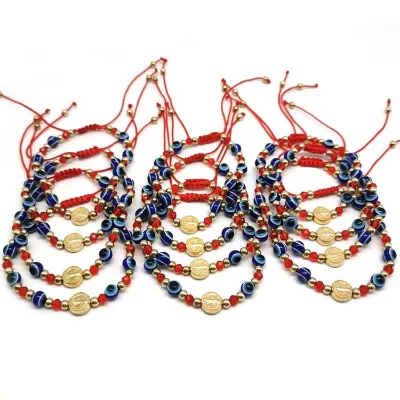
Comprehensive Sourcing Guide
Christian Charm Bracelet for Children Sourcing Guide
Sourcing children’s jewelry requires a delicate balance between aesthetic appeal, durability, and rigorous safety compliance. When targeting the specific niche of Christian charm bracelets for children, buyers must navigate a supply chain that often blends religious symbolism with playful, child-friendly design elements. The market offers a wide variety of materials, from base alloys and stainless steel to natural wood and plastic, each presenting distinct advantages in terms of cost, weight, and tactile experience. Understanding these material differences is the first step in selecting products that align with both brand identity and parental expectations for safety.
This guide provides a structured approach to evaluating suppliers and products in this category. It focuses on interpreting observed market signals, verifying technical specifications, and ensuring compliance with international safety standards. By adhering to a disciplined procurement process, buyers can mitigate risks associated with small parts, toxic materials, and poor craftsmanship. The following sections detail the critical verification steps and commercial considerations necessary for successful sourcing of these specialized accessories.
Product Scope and Observed Listing Signals
The current market landscape for children’s Christian charm bracelets reveals a diverse range of product attributes and supplier capabilities. Observed listings indicate a price range of $0.02 to $5.22 USD, suggesting significant variation in material quality, plating thickness, and packaging complexity. The minimum order quantity (MOQ) ranges from 2 to 500 units, offering flexibility for both small boutique orders and larger retail distributions. Suppliers frequently highlight customization options, including OEM/ODM services, allowing buyers to tailor designs to specific religious themes or brand identities. This flexibility is crucial for creating unique product lines that stand out in a competitive market.
Product types observed include bracelets, pendants, and necklace charms, with styles ranging from natural and simple to more ornate designs. Materials vary widely, with alloy, stainless steel, wood, and plastic being common choices. For instance, some products are crafted from alloy with PVD plating, while others utilize wood for a more natural, hypoallergenic appeal. The presence of "Suitable for: Children" attributes in listings is a strong signal, but buyers must verify this claim through independent testing rather than relying solely on supplier descriptions. Additionally, the use of terms like "High Mirror Polished" and "Gold Plated" indicates a focus on aesthetic finish, which is important for perceived value but must be balanced against durability and safety concerns.
Technical Specifications to Verify
Technical verification begins with a thorough examination of material composition and surface treatments. For alloy-based bracelets, it is essential to confirm the specific type of alloy used and the thickness of any plating, such as PVD or IP plating, to ensure longevity and resistance to tarnishing. Stainless steel options, particularly those labeled as high-quality mirror polished, offer superior durability and hypoallergenic properties, making them a preferred choice for sensitive skin. Buyers should request detailed material certificates to verify that the stainless steel grade meets industry standards for jewelry, typically 316L or 304, which are known for their corrosion resistance and safety.
Packaging and dimensions are also critical technical specifications that impact logistics and customer experience. Observed packaging methods include OPP bags, bubble bags, and individual packing boxes, each offering different levels of protection and presentation. The standard packing size of 10*12cm for some items suggests compact, efficient shipping, while others may require larger boxes for premium presentation. Buyers must verify that all components, including charms and clasps, meet size requirements to prevent choking hazards, especially for younger children. Additionally, the weight of the product, often listed as "as Pic," should be confirmed to ensure it is lightweight and comfortable for daily wear by children.
Compliance and Safety Documentation
Safety compliance is non-negotiable when sourcing jewelry for children. Buyers must insist on third-party appraisal certificates, such as SGS or Reach, to verify that products meet international safety standards. These certifications confirm that the materials are free from harmful substances like lead, cadmium, and nickel, which can pose serious health risks to children. The presence of "Third Party Appraisal" certificates in listings is a positive indicator, but buyers should always request the actual test reports to verify the specific tests conducted and the results obtained. This due diligence is essential to protect brand reputation and ensure customer safety.
In addition to material safety, buyers must verify compliance with physical safety standards, particularly regarding small parts and sharp edges. Children’s jewelry must adhere to strict regulations concerning the size and strength of components to prevent choking or injury. Buyers should request detailed product specifications that include dimensions and tensile strength tests for clasps and charms. Furthermore, it is important to ensure that the plating and surface treatments do not degrade over time, releasing harmful particles or causing skin irritation. Regular audits and sample testing can help maintain consistent compliance across production batches.
Cost Drivers and Commercial Terms
Understanding the cost drivers in children’s Christian charm bracelets is essential for effective budgeting and pricing strategies. The primary cost factors include material selection, plating thickness, and packaging complexity. Alloy products with basic plating tend to be more cost-effective, while stainless steel items with high-quality mirror polishing and thicker plating command higher prices. Packaging also plays a significant role, with individual OPP bags being the most economical option, while custom packing boxes add to the overall cost but enhance perceived value. Buyers should analyze these factors to determine the optimal balance between cost and quality for their target market.
Commercial terms, including MOQ and lead times, vary significantly among suppliers. The observed MOQ range of 2 to 500 units allows for flexibility, but buyers should negotiate terms that align with their inventory management strategies. Suppliers that offer low MOQs may charge higher unit prices, while those with higher MOQs may offer volume discounts. It is crucial to clarify payment terms, shipping methods, and return policies before finalizing orders. Additionally, buyers should inquire about the supplier’s capacity to handle rush orders or custom designs, as these factors can impact overall project timelines and costs.
Supplier Qualification and Quality Control
Supplier qualification is a critical step in ensuring the reliability and consistency of the supply chain. Buyers should conduct thorough due diligence on potential suppliers, including verifying their business licenses, production capabilities, and quality control processes. Suppliers that offer OEM/ODM services and have a history of producing children’s jewelry are often more experienced in meeting safety and quality standards. It is also important to assess their communication skills and responsiveness, as these factors can impact the smooth execution of orders and the resolution of any issues that may arise.
Quality control measures should be implemented at every stage of production, from raw material inspection to final product packaging. Buyers should request detailed quality control plans from suppliers, including inspection points, testing methods, and acceptance criteria. Regular factory audits and sample inspections can help identify and address potential quality issues before they impact the final product. Additionally, buyers should establish clear communication channels with suppliers to ensure that any changes in design or specifications are accurately implemented. Building a strong relationship with suppliers based on trust and transparency can lead to long-term partnerships and consistent product quality.
Long-Term Procurement Checks
Long-term procurement success requires ongoing monitoring and evaluation of supplier performance and product quality. Buyers should establish key performance indicators (KPIs) to track metrics such as on-time delivery, defect rates, and customer feedback. Regular reviews of these metrics can help identify areas for improvement and ensure that suppliers continue to meet expectations. Additionally, buyers should stay informed about changes in safety regulations and market trends to ensure that their products remain compliant and relevant. This proactive approach can help mitigate risks and maintain a competitive edge in the market.
Continuous improvement should be a core principle of the procurement process. Buyers should encourage suppliers to innovate and improve their products and processes, whether through new materials, designs, or manufacturing techniques. Providing constructive feedback and sharing market insights can help suppliers align their offerings with customer needs. Furthermore, buyers should consider diversifying their supplier base to reduce dependency on single sources and mitigate supply chain risks. By fostering a collaborative and dynamic procurement environment, buyers can ensure the long-term success and sustainability of their children’s Christian charm bracelet product line.
FAQs
What materials are used for these bracelets?
The bracelets are crafted from alloy, wood, and stainless steel. Some items feature PVD plating or gold plating for durability and shine. The specific material depends on the selected model, such as B2851 for alloy or N9332 for wood.
Can I customize the design of these bracelets?
Yes, customization is available and warmly welcomed for these products. Buyers can request specific styles or modifications, and the supplier supports OEM and ODM services. This allows for tailored designs suitable for formal occasions or gifts.
What is the minimum order quantity for these items?
The minimum order quantity ranges from 2 to 500 pieces depending on the specific product. Some models require a minimum of 6 pieces per type, while others may have different thresholds. Buyers should check the specific model details for exact requirements.
Are these bracelets suitable for children?
Yes, these bracelets are explicitly suitable for children. They are designed as decorations and gifts, often featuring simple styles and natural finishes. The products are intended for formal occasions and are crafted to be safe and appealing for young wearers.
What certifications do these products hold?
The products hold SGS and Reach certifications to ensure safety and quality standards. Some listings also mention third-party appraisal certificates. These certifications verify that the materials and manufacturing processes meet international safety requirements for jewelry.
How are the bracelets packaged for shipping?
Packaging typically includes an OPP bag, bubble bag, and carton for protection. Some items come in individual OPP bags with packing boxes, while others are packed as pairs or per piece. This ensures the jewelry arrives safely during transit.
Where are these bracelets manufactured?
These bracelets originate from China, specifically from Guangdong. The manufacturing location ensures access to established supply chains for alloy, wood, and stainless steel products. Buyers can expect consistent production capabilities from these regional sources.