Source Chrome iPhone Hard Case for protection, style, and grip
Find 30 verified options for Chrome iPhone Hard Case designed for protection, style, and grip. Buyers can compare materials like plastic and aluminum, hardness levels, and customization features to select the right supplier for their needs; compare the available evidence and request quotations based on your requirements.
Updated
Key considerations
Products List


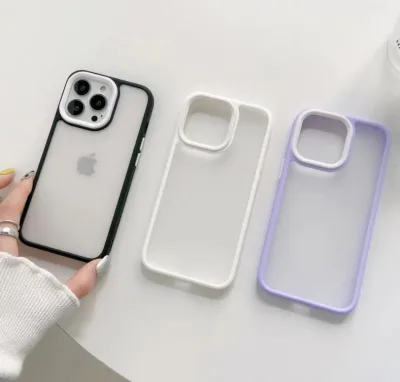
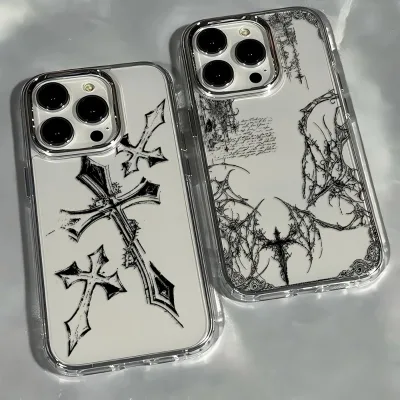
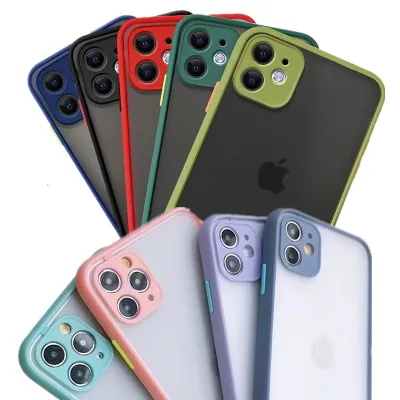


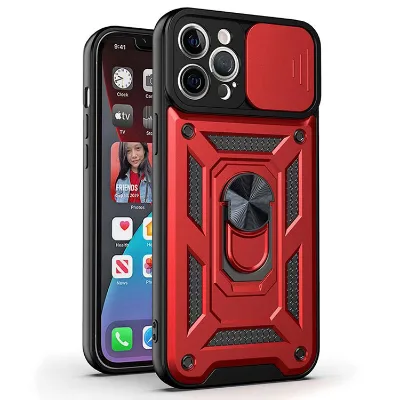
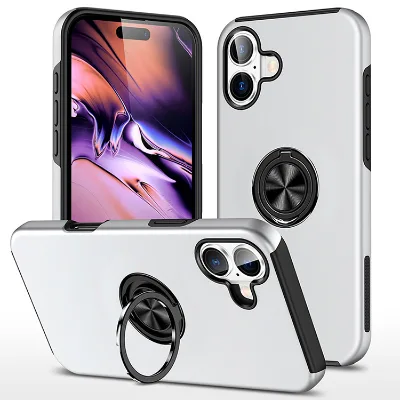
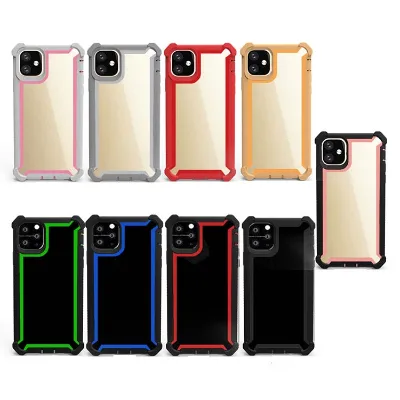
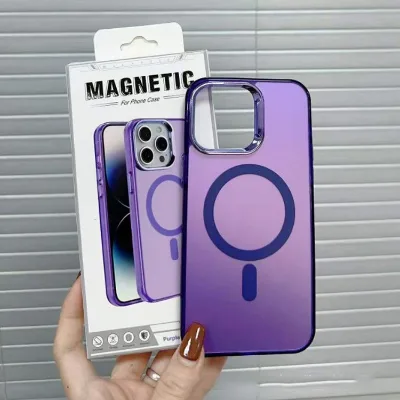
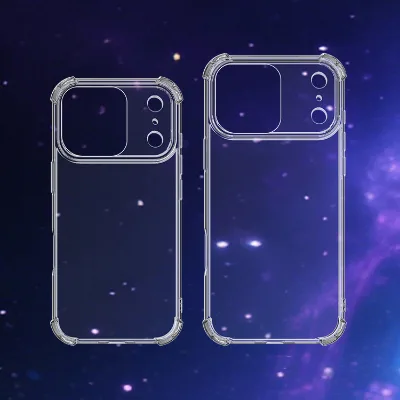
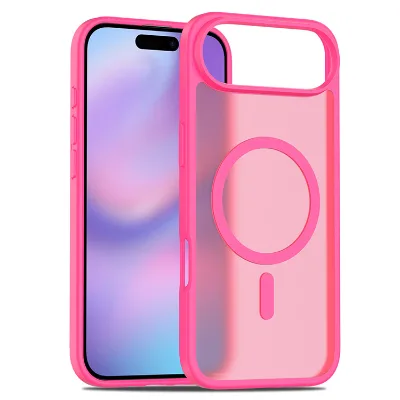

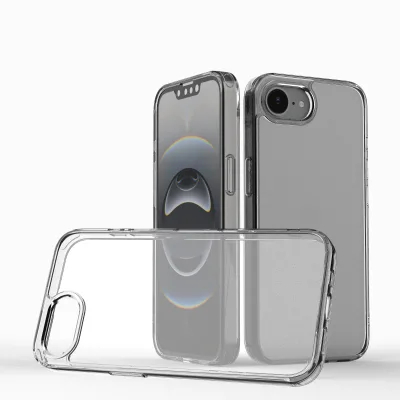


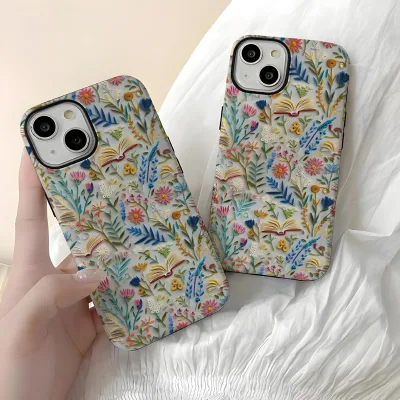


Comprehensive Sourcing Guide
Chrome iPhone Hard Case Sourcing Guide
Sourcing durable protective accessories for mobile devices requires a clear understanding of material properties and functional requirements. Buyers must distinguish between rigid protective shells and flexible pouches, as the market offers diverse solutions ranging from hard plastic enclosures to soft silicone covers. The term "chrome" often implies a metallic finish or aesthetic, but actual construction may involve plastic, aluminum, or silicone resin materials. Procurement teams should verify the specific material composition to ensure it meets the intended durability and aesthetic standards for their target market.
Understanding the functional attributes is equally critical when evaluating potential suppliers. Products may offer features such as waterproofing, anti-slip surfaces, or shockproof capabilities, which significantly impact their suitability for different user environments. Some listings indicate compatibility with specific brands like iPhone, while others are generic. Buyers need to assess whether the product includes additional accessories, such as car holders, or if it is a standalone case. This distinction affects packaging, logistics, and the final value proposition for end consumers.
Product Scope and Observed Listing Signals
The current market landscape for mobile phone cases reveals a wide variety of product types and customization options. Listings indicate that suppliers accept OEM orders and offer customized logos, sizes, and designs. This flexibility allows buyers to create unique brand identities, but it also requires careful specification management. The observed product range includes items described as hard plastic cases, silicone resin covers, and even pouches made from cotton or aluminum. Each material type serves a different purpose, from rugged protection to lightweight fashion statements.
Observed attributes highlight the importance of verifying specific product models and their corresponding features. For instance, some products are labeled with specific model numbers like "Mobile Phone Case-081D" or "Charming Mobile Phone Case-095Z," which may correspond to distinct design iterations. Buyers should note that while some products claim to be waterproof or dirt-resistant, others focus on simplicity or Korean-style aesthetics. The presence of a car holder is another variable feature that must be confirmed during the sourcing process to avoid mismatches between expectations and delivered goods.
Technical Specifications to Verify
Material selection is a primary technical consideration when sourcing mobile phone cases. Suppliers may offer products made from plastic, silicone resin, or aluminum, each with different hardness levels ranging from soft to partial hard. Buyers must verify the exact material composition to ensure it aligns with the desired balance of flexibility and rigidity. For example, a hard plastic case may offer superior impact resistance, while a silicone resin option might provide better grip and shock absorption. Confirming these details prevents unexpected product failures in the field.
Dimensional and packaging specifications also play a crucial role in logistics and inventory management. Products may come in standard sizes or be fully customized to fit specific phone models. Packaging options can vary from simple PP bags to more elaborate requirements set by the buyer. Additionally, weight and single package dimensions, such as 16x8x1 cm for certain items, directly influence shipping costs and storage efficiency. Buyers should request detailed technical drawings or samples to verify fit and finish before committing to large orders.
Compliance and Safety Documentation
While specific certification statuses are not universally listed for all mobile phone cases, buyers must ensure that products comply with relevant safety and environmental regulations. Materials used in phone cases, particularly plastics and resins, should be free from harmful substances such as lead, phthalates, or BPA, depending on the target market's legal requirements. Suppliers should be able to provide material safety data sheets or test reports confirming the absence of restricted substances. This due diligence is essential for maintaining brand reputation and avoiding regulatory penalties.
Documentation regarding the origin and manufacturing process is also vital for supply chain transparency. Products may originate from regions like Fujian or Guangdong in China, and buyers should verify the manufacturing standards employed. Although some listings mention customized standards, buyers should insist on clear documentation of quality control processes. This includes verifying that injection molding or other manufacturing technologies are performed in facilities that adhere to good manufacturing practices. Clear documentation helps mitigate risks associated with product liability and ensures consistent quality across batches.
Cost Drivers and Commercial Terms
Pricing for mobile phone cases is influenced by several factors, including material costs, customization complexity, and order volume. Observed price ranges can vary significantly, with some items listed at very low unit costs while others command higher prices due to premium features or materials. Minimum order quantities (MOQs) also play a crucial role in determining the final cost per unit. Buyers with smaller orders may face higher per-unit prices, while larger volumes can unlock significant discounts. Understanding these dynamics helps in negotiating favorable terms and budgeting accurately.
Commercial terms such as payment methods, lead times, and shipping arrangements must be clearly defined in the contract. Suppliers may offer flexible packing options, but this can affect handling costs. Buyers should also consider the cost of customization, such as logo printing or mold creation, which may involve additional setup fees. It is important to clarify who bears the responsibility for import duties and taxes. Transparent communication about these commercial terms prevents unexpected expenses and ensures a smooth transaction process from order placement to delivery.
Supplier Qualification and Quality Control
Evaluating supplier capabilities is essential for ensuring consistent product quality and reliable delivery. Buyers should assess the supplier's experience in manufacturing mobile phone accessories and their ability to handle OEM orders. Verification of their production capacity, quality control systems, and past performance with similar clients is crucial. Suppliers who offer customized designs and accept OEM requests should demonstrate a robust process for managing design changes and maintaining quality standards throughout production.
Quality control measures should be implemented at various stages of the manufacturing process. Buyers may request pre-production samples, in-process inspections, and final random inspections before shipment. Key quality indicators include the accuracy of dimensions, the integrity of the material, and the consistency of the finish. For products claiming features like waterproofing or shockproofing, buyers should verify these claims through independent testing or supplier-provided test reports. Establishing clear quality acceptance criteria and communication channels helps in resolving issues promptly and maintaining high standards.
Long-Term Procurement Checks
Building a sustainable supply chain for mobile phone cases requires ongoing monitoring and relationship management. Buyers should regularly review supplier performance metrics, including on-time delivery rates, defect rates, and responsiveness to issues. Continuous improvement initiatives can be fostered through regular feedback and collaborative problem-solving. As market trends evolve, buyers may need to adapt their product specifications to meet changing consumer preferences, such as new design styles or additional functional features.
Long-term procurement strategies should also include risk management and contingency planning. Diversifying the supplier base can mitigate risks associated with production disruptions or quality issues. Buyers should stay informed about changes in material costs, regulatory requirements, and market dynamics that could impact sourcing decisions. Regular audits and performance reviews help ensure that suppliers continue to meet the required standards. By maintaining a proactive approach to supplier management, buyers can secure a reliable supply of high-quality mobile phone cases for their business.
FAQs
What materials are used for hard phone cases?
Hard phone cases are typically manufactured from durable materials such as plastic, silicone resin, or aluminum. These materials provide varying levels of hardness, ranging from partial hard to soft, ensuring protection for mobile devices. Buyers can select based on desired durability and aesthetic preferences, with options available for customization to meet specific brand requirements.
Can I customize the logo on a phone case?
Yes, customization is available for many phone case models, including logo printing and design adjustments. Suppliers accept OEM orders, allowing buyers to tailor the appearance to their brand identity. Customized sizes and colors are also offered, ensuring the final product aligns with specific marketing needs and customer expectations for unique, branded accessories.
What is the minimum order quantity for these cases?
The minimum order quantity varies by supplier and product model, typically ranging from 1 to 1000 pieces. Some specific models may require a higher MOQ, such as 500 pieces, to facilitate production. Buyers should verify the exact MOQ with the supplier to ensure it aligns with their inventory needs and budget constraints for bulk purchasing.
Are these phone cases waterproof and shockproof?
Many phone cases offer waterproof and shockproof features to protect devices from water damage and impacts. Functions include dirt resistance and anti-slip properties, enhancing usability in various environments. While not all models are fully waterproof, options exist with specific protective attributes, allowing buyers to choose cases that meet their device protection standards and usage scenarios.
Where are these phone cases manufactured?
These phone cases are primarily manufactured in China, with specific origins noted in Fujian and Guangdong provinces. Suppliers in these regions offer various production capabilities, including injection technology for plastic cases. Buyers can locate manufacturers in these areas to leverage established supply chains and manufacturing expertise for sourcing high-quality mobile phone accessories.
What packaging options are available for bulk orders?
Packaging options typically include PP bags, which can be customized according to buyer requirements. Suppliers offer flexible packing solutions to ensure product safety during transit and storage. Buyers can specify their preferred packaging style to align with retail needs or branding strategies, ensuring the cases arrive in condition suitable for immediate distribution or sale.