Industrial Safety Emergency Replacement Battery Suppliers and Manufacturers
Source Industrial Safety Emergency Replacement Battery options from 29 verified suppliers. Compare lead times, certifications, and pricing for Li-ion and Ni-MH units. Request quotes to secure reliable power solutions; review the available evidence before requesting comparable quotations from suitable candidates.
Updated
Suppliers List

Tiger Power (Wuxi) Co., Ltd. Shanghai Branch
- Verified by SGS
- Combined
- China Shanghai
- Lead time15 days
- Avg. response≤ 2h
Main productsForklift Lead-Acid Batteries
Main marketsDomestic

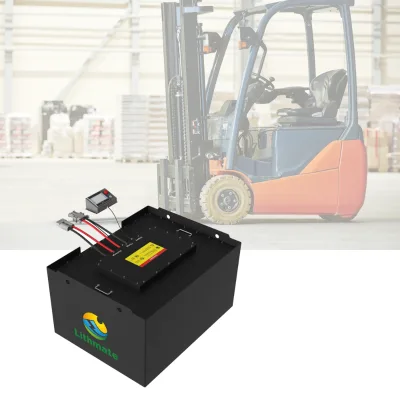
Comprehensive Safety Design Forklift Battery for Industrial Vehicle Power Supply
$4000.00 - $4500.00
MOQ: 5 Pieces

Extended Life Lithium Battery for Dependable Industrial Equipment Performance
$4800.00 - $5900.00
MOQ: 1 Pieces

Quanzhou Hubats Technology Co., Ltd.
- Manufacturer, Trading Company
- Fujian, China
- Lead time7 days
- Avg. response≤ 3h
Main productsLithium Polymer battery,Lithium Ion battery,Ni-MH battery,Ni-CD battery,LiFePO4 battery
Main marketsNorth America(30.00%), Western Europe(20.00%), Eastern Asia(12.00%), Northern Europe(10.00%), South America(8.00%), Southeast Asia(8.00%), Mid East(7.00%), Africa(5.00%)

Shenzhen Everexceed Industrial Co., Ltd.
- Verified by TUVRHEINLAND
- Combined
- China Guangdong
- Lead time30 days
- Avg. response≤ 3h
Main productsBattery, UPS Power, Solar Energy System, Charger, Inverter, Solar Controller, Switchgear, LED Lightings, Lead Acid Battery, NiCd Battery
Main marketsSouth America,Africa,Others(foreignTradeCapacity.exportBusinessCapacityMarketOther),Southeast Asia/ Mideast,Europe,Australia,North America

Shenzhen Yaoqian Energy Co., Ltd
- Trading Company
- China Guangdong
- Lead time0 days
- Avg. response≤ 5h
Main productsEss, Lithium-Ion Battery, Energy Storage Battery, Home Energy Storage, Wall Mounted Battery, LiFePO4 Battery, Commercial Energy Storage System, Rack Mount Battery, Portable Power Station, Battery Pack
Guangzhou Esg New Energy Technology Co., Ltd.
- Verified by SGS Group
- Manufacturer, Trading Company
- Lead time10 days
- Avg. response≤ 2h
Main productsInverter, Lithium Battery, Solar LED Light, Solar System, Lead Acid Battery
Main marketsSoutheast Asia(15%), Africa(12%), Eastern Asia(11%)

Dezhou Nayu Import and Export Trading Co., Ltd.
- Trading Company,Manufacturer/Factory
- China Shandong
- Lead time0 days
- Avg. response≤ 25h
Main productsSolar Panels, Solar System

Suzhou Foberria New Energy Technology Co., Ltd.
- Verified by SGS
- Manufacturer/Factory
- China Jiangsu
- Lead time23 days
- Avg. response≤ 3h
Main productsForklift Battery, Traction Battery, EV Battery, Battery Charger, Forklift LiFePO4 Battery, Forklift Lithium Iron Phosphate Battery, Sodium-Ion Battery, Electric Stacker Battery, Forklift Lead-Acid Battery, Battery Accessories
Main marketsSouth America,Eastern Europe,North America,Western Europe

Shanpu Technology (Guangdong) Co., Ltd.
- Verified by BV
- Combined
- China Guangdong
- Lead time15 days
- Avg. response≤ 5h
Main productsUPS, UPS Battery, Inverter, Online UPS, Outdoor Solar Inverter, Offline UPS, Lead Acid Battery, Mini UPS, Solar Inverter, Outdoor Power Station
Main marketsSouth America,Africa,Others(foreignTradeCapacity.exportBusinessCapacityMarketOther),Southeast Asia/ Mideast,Europe,North America

12V 9ah Maintenance Free Battery Safety Explosion-Proof Lead-Acid Battery for Emergency Power Supply
$12.00 - $14.50
MOQ: 50 Pieces

12V 7ah Small Battery Backup Battery Emergency UPS Battery UPS Inverter Battery
$8.00 - $11.00
MOQ: 10 Pieces

Shandong Qiansheng Electric Power Equipment Engineering Co., Ltd.
- Verified by SGS
- Manufacturer
- China Shandong
- Lead time15 days
- Avg. response≤ 2h
Main marketsDomestic

Industrial Commercial Energy Storage Battery for Long-Term Power Projects
$528.00 - $8862.00
MOQ: 1 Pieces

Qingdao Kunpeng Wanli Trading Co., Ltd.
- Verified by Intertek
- Trading Company
- Lead time15 days
- Avg. response≤ 1h
Main productsLead Acid Battery
Main marketsEastern Europe(75%), South America(5%), Africa(5%)
- Verified by Intertek
- Manufacturer, Trading Company
- Lead time20 days
- Avg. response≤ 3h
Main productsGolf Cart Lithium Battery, Marine & RV Lithium Battery, Starting & Sodium-ion Batteries, Residential & C&I Energy Storage Systems, Trailer & Forklift Lithium Battery
Main marketsNorth America(23%), Eastern Europe(15%), South America(10%)
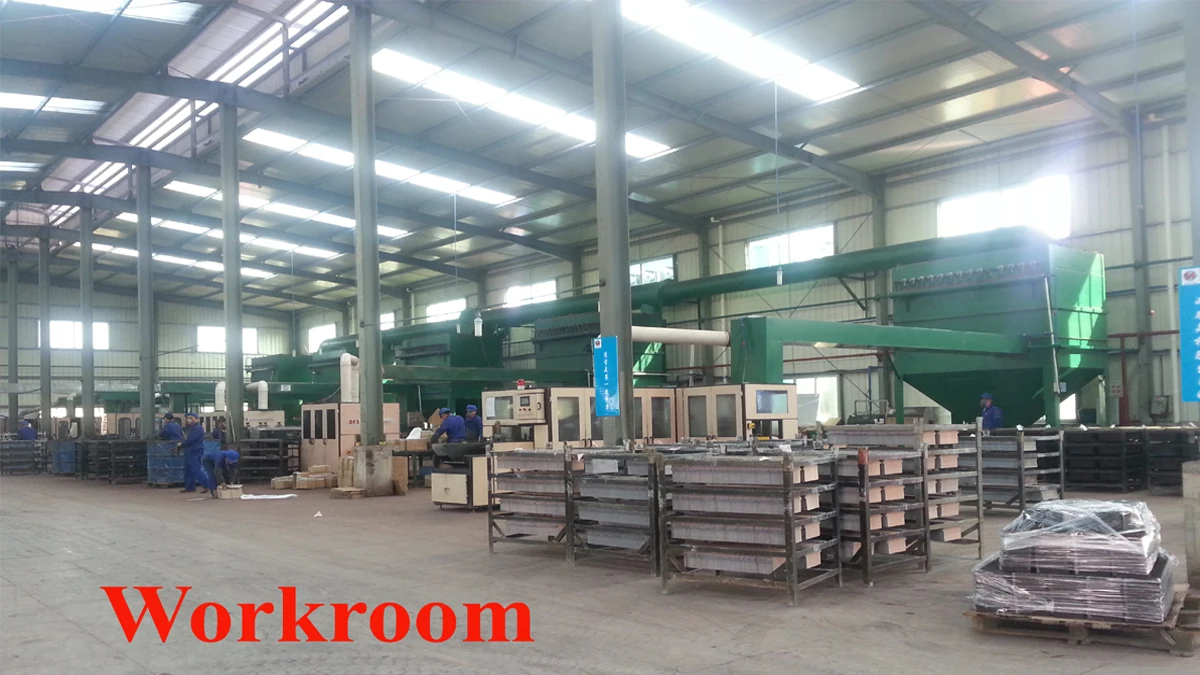
Guangzhou Fortune New Energy Co., Ltd.
- Manufacturer
- Guangdong, China
- Lead time7 days
- Avg. response≤ 2h
Main productsSolar Battery,GEL Deep Cycle Battery,Telecom Battery,UPS Battery,Lithium/Lifepo4 Battery
Main marketsMid East(20.00%), Africa(16.00%), Southeast Asia(10.00%), Oceania(10.00%), North America(8.00%), Eastern Europe(8.00%), South America(8.00%), Western Europe(5.00%), Eastern Asia(5.00%), Domestic Market(2.00%), South Asia(2.00%), Southern Europe(2.00%), Northern Europe(2.00%), Central America(2.00%)
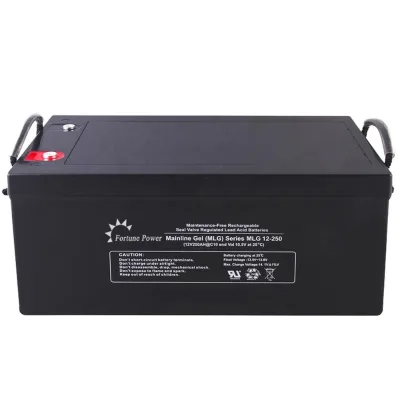
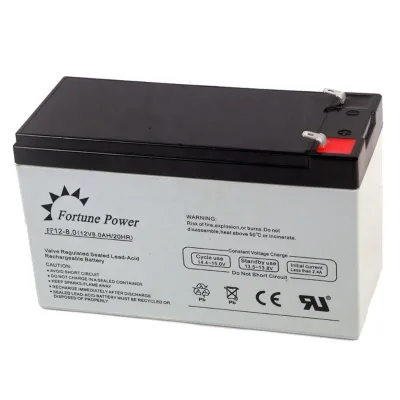
$4.0796 - $10.0426
MOQ: 100 pieces
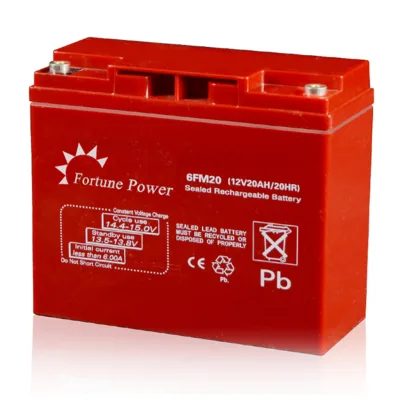
Batterie Portable Charging Battery 12v 20ah
$12.80 - $28.00

- Verified by CTI
- Combined
- China Jiangsu
- Lead time15 days
- Avg. response≤ 7h
Main productsLiFePO4 Battery, Solar Battery, Lithium Battery, Lithium Ion Battery, Lithium Battery Pack, Battery, Inverter, Car DC AC Power Inverter, Solar Inverter, Power Supply
Main marketsEast Asia(Japan/ South Korea),Domestic


Sustainable Storage Battery - Perfect Solution for Emergency Power Supply
$399.00 - $499.00
MOQ: 1 Pieces

Iron-Based Lithium Battery - Durable Solution for Emergency Rescue Situations
$999.00 - $1299.00
MOQ: 1 Pieces

Replacement Energy Storage Battery - Durable Solution for Residential Energy Storage
$999.00 - $1299.00
MOQ: 1 Pieces

Eco-Friendly 12V 100A Iron-Based Lithium Battery Suitable for Emergency Rescue Needs
$199.00 - $599.00
MOQ: 1 Pieces

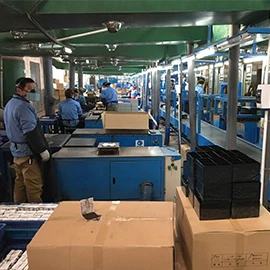
Guangzhou Bosfa Industrial Battery Co., Ltd.
- Manufacturer
- Guangdong, China
- Lead time20 days
- Avg. response≤ 2h
Main productsLead Acid Battery
Main marketsMid East(15.00%), South America(12.00%), North America(10.00%), Southeast Asia(10.00%), Eastern Europe(10.00%), Africa(8.00%), Oceania(8.00%), Domestic Market(6.00%), Northern Europe(5.00%), Eastern Asia(5.00%), Western Europe(5.00%), Central America(3.00%), South Asia(2.00%), Southern Europe(1.00%)
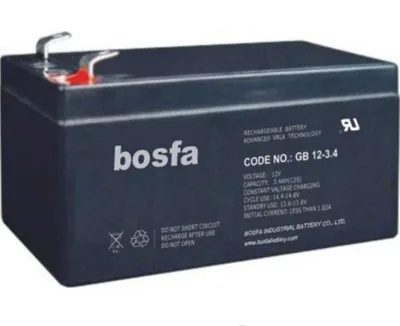
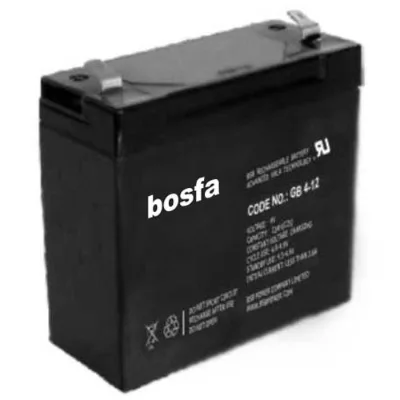
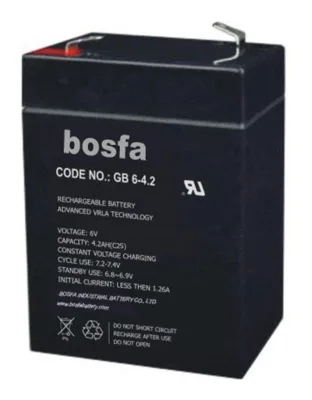
GB4-12 Agm Lead Acid Emergency Equipment Batteries for Flashlight 4v 12ah
$8.00 - $11.00
MOQ: 250 pieces
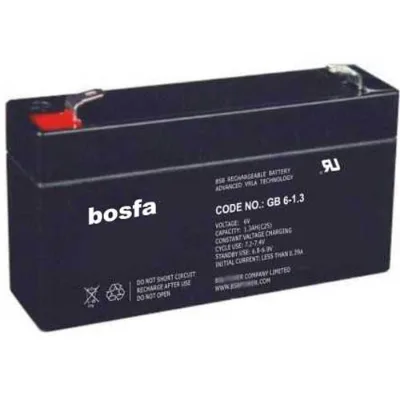
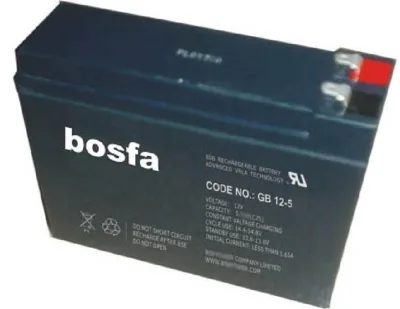
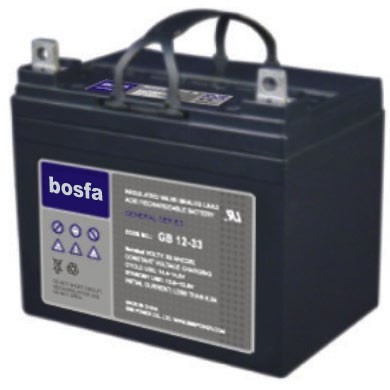
Hot sale valve regulated agm battery 12 voltage battery 5.5ah for emergency power system
$5.00 - $8.00
MOQ: 100 pieces
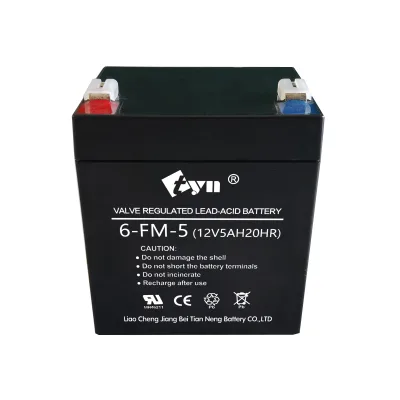
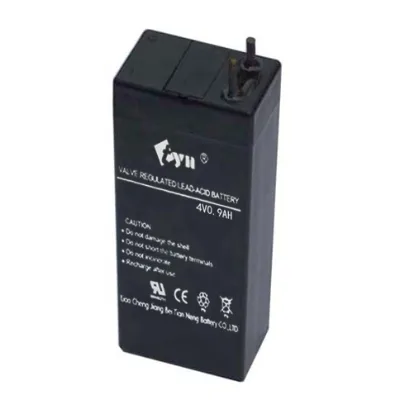
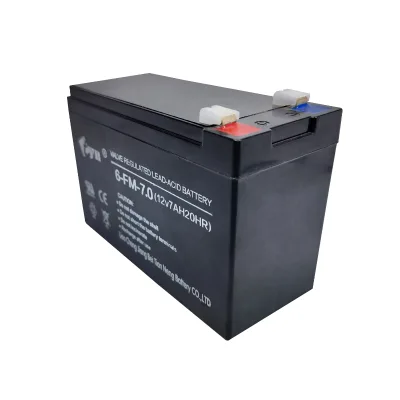
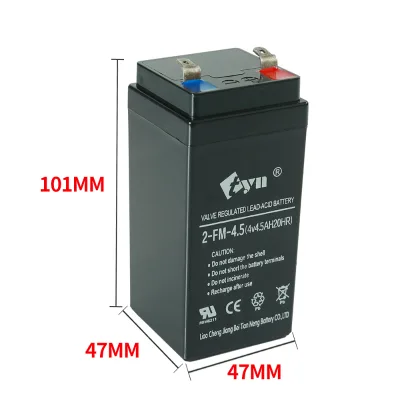
Liaocheng Jiangbei Tianneng Battery Factory Co., Ltd.
- Verified by Intertek
- Manufacturer, Trading Company
- Lead time0 days
- Avg. response≤ 5h
Main productsLead Acid Battery, Lithium Lon Battery
Main marketsDomestic Market(45%), South America(10%), Africa(10%)
Hunan Five Intelligent Technology Co., Ltd.
- Trading Company
- Hunan, China
- Lead time45 days
- Avg. response≤ 6h
Main productsPower Lithium battery,Energy Storage Lithium battery,Mobile Device Lithium battery,Specialty battery,Battery Swapping cabinet
Main marketsWestern Europe(30.00%), South America(20.00%), Southeast Asia(20.00%), Domestic Market(10.00%), Mid East(10.00%), Eastern Asia(5.00%), Africa(5.00%)

Shandong Daewoo Energy Storage Power Technology Co., Ltd.
- Verified by SGS
- Combined
- China Shandong
- Lead time15 days
- Avg. response≤ 5h
Main productsBattery, Lithium-Ion Battery, Energy Storage System, Lithium Battery, Lithium Iron Phosphate Battery, Li Battery, 48V Lithium Battery, 51.2V Lithium Battery, Energy Storage Battery, 10kwh 15kwh 16kwh Battery
Main marketsSouth America

Safety Fast Response Speed Vertical Storage Lithium Battery for Emergency Power Supply
$398.00 - $1174.00
MOQ: 5 Pieces

High Strength Safety Vertical LiFePO4 Energy Storage Battery for Emergency Power Supply
$398.00 - $1174.00
MOQ: 5 Pieces
Shenzhen Everwin Tech Co., Limited
- Verified by SGS Group
- Manufacturer, Trading Company
- Lead time20 days
- Avg. response≤ 2h
Main productsLithium Batteries, Lithium Ion Batteries, Lithium Iron Phosphate Batteries, Nickel Metal Hydride Batteries, Nickel Cadimium Batteries
Shenzhen Himax Electronics Co., Ltd.
- Verified by Intertek
- Manufacturer, Trading Company
- Lead time25 days
- Avg. response≤ 3h
Main productsLiFePO4 Battery, Lithium Ion Batteries, NI-MH Battery, LiPO Battery, Battery Charger
Main marketsNorth America(38%), Western Europe(25%), Southeast Asia(12%)
Shenzhen Forange Technology Co., Ltd.
- Manufacturer, Trading Company, Distributor/Wholesaler
- Guangdong, China
- Lead time15 days
- Avg. response≤ 3h
Main productslithium ion battery pack,lithium polymer battery pack,Power battery pack,3C battery
Main marketsEastern Europe(30.00%), North America(30.00%), South Asia(20.00%), Southeast Asia(10.00%), Africa(5.00%), Mid East(5.00%)
- Manufacturer, Trading Company
- Jiangsu, China
- Lead time7 days
- Avg. response≤ 7h
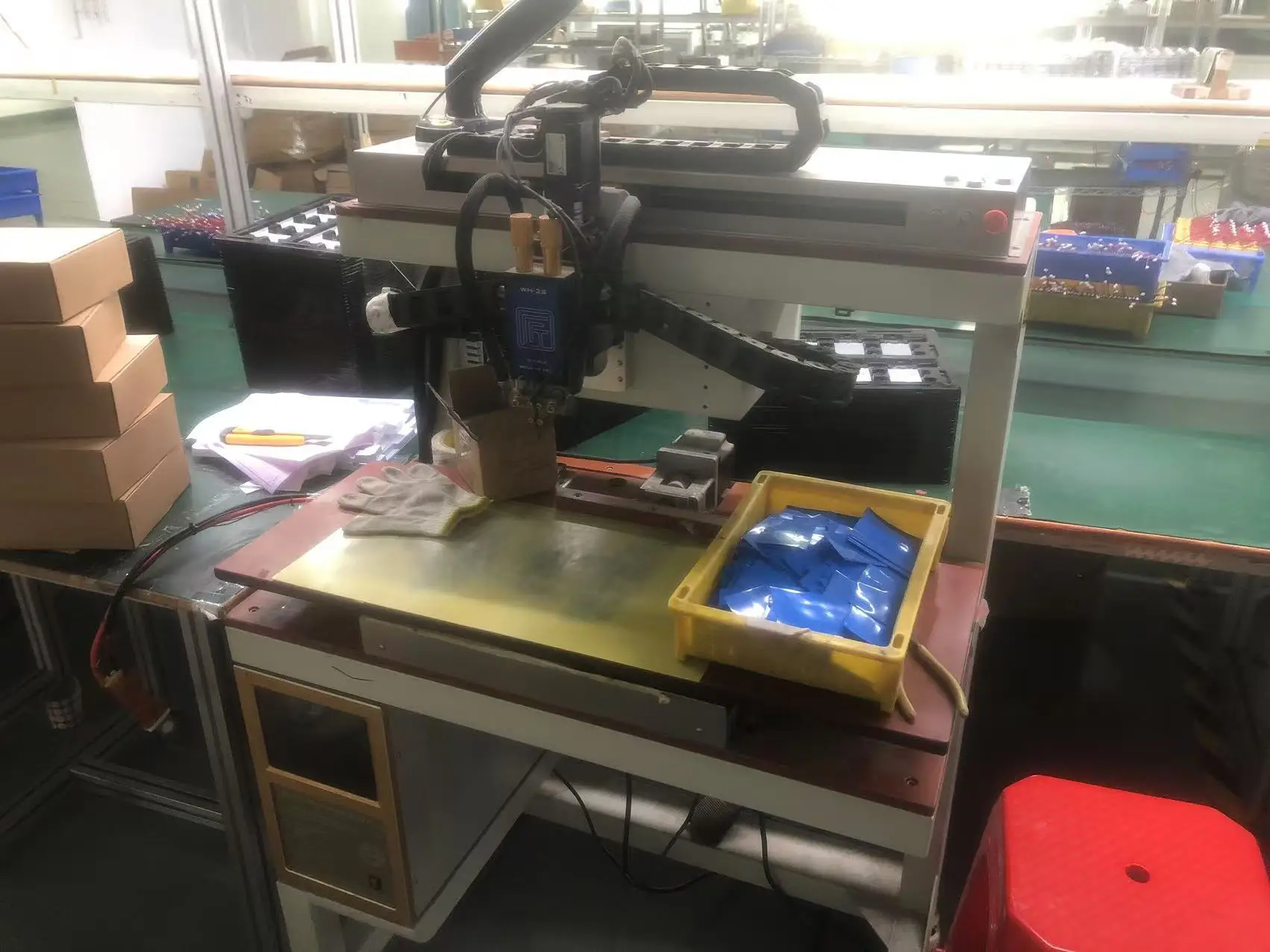
Main productsbattery,lead acid battery,12v battery,electric bike battery,vrla battery
Main marketsDomestic Market(90.00%), North America(2.00%), Central America(2.00%), Eastern Europe(1.00%), Southern Europe(1.00%), Northern Europe(1.00%), South America(1.00%), Western Europe(1.00%), Africa(1.00%)
Shenzhen Libang New Energy Technology Co., Ltd.
- Manufacturer
- Guangdong, China
- Lead time10 days
- Avg. response≤ 4h
Main productsLithium-ion battery pack,Solar energy storage battery,Rechargeable battery pack,Rechargeable battery,Lithium iron phosphate battery
Main marketsNorth America(30.00%), Southeast Asia(15.00%), Mid East(10.00%), South America(10.00%), South Asia(10.00%), Eastern Asia(7.00%), Northern Europe(5.00%), Eastern Europe(5.00%), Western Europe(5.00%), Central America(3.00%)
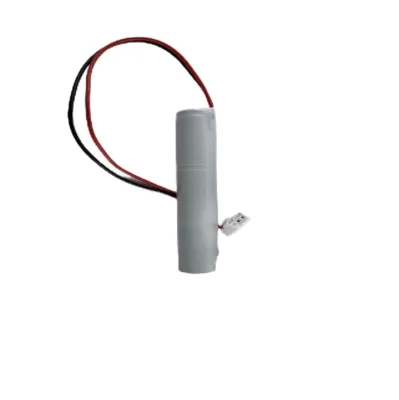
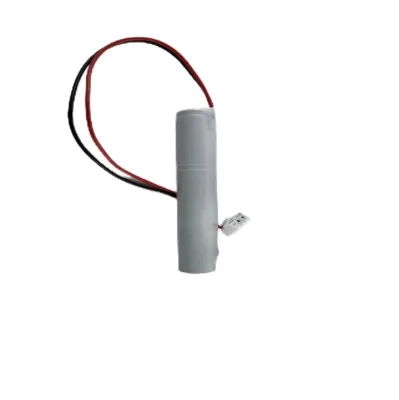
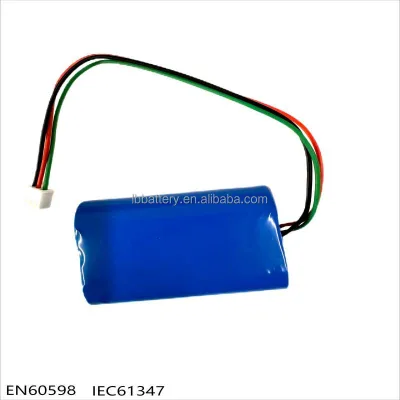
Rechargeable Battery for Emergency Light 3.6V 1500mAh Lighting Battery with EN60598
$2.99
MOQ: 20000 packs

Anhui Jingsun New Energy and Technology Co., Ltd.
- Verified by BV
- Trading Company,Manufacturer/Factory
- China Anhui
- Lead time15 days
- Avg. response≤ 6h
Main productsSolar Panel, Solar Battery, Solar System, Solar Products, Solar Moudle, Solar Inverter, Solar Energy Storage System, Lithium Battery, Container Energy Storage System, Used Car
Main marketsSouth America,Eastern Europe,Mid East,North America,Southeast Asia,Eastern Asia,Oceania,Western Europe,Africa

1 Cells Emergency Lighting Systems Rechargeable 2V 3000ah Lead Acid Battery
$490.00 - $600.00
MOQ: 4 Pieces

Emergency Lighting Systems CE/ISO Certification Deep Cycle Storage Battery Lead Acid Batteries
$490.00 - $600.00
MOQ: 4 Pieces
Kaiying Power Supply & Electrical Equip Co., Ltd.
- Manufacturer
- Fujian, China
- Lead time30 days
- Avg. response≤ 2h
Main productsLead Acid Batteries,AGM Batteries,VRLA Batteries
Main marketsDomestic Market(40.00%), North America(30.00%), Central America(5.00%), Africa(5.00%), Mid East(5.00%), Southeast Asia(4.00%), South America(3.00%), Western Europe(3.00%), Eastern Europe(3.00%), South Asia(2.00%)
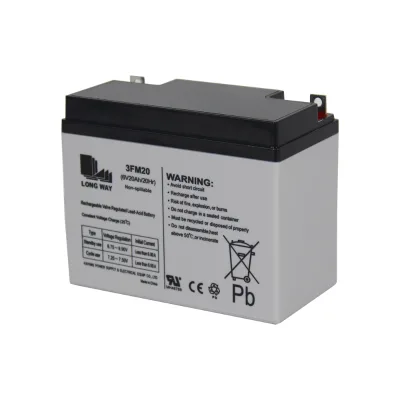
$14.6428 - $15.5778
MOQ: 3 pieces
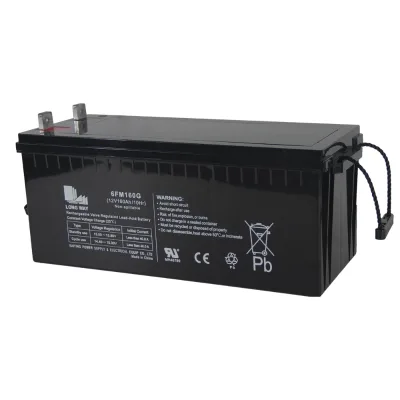
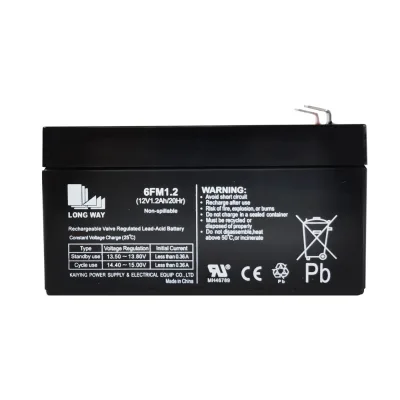
$5.2764 - $5.4424
MOQ: 50 pieces
- Trading Company
- Hong Kong S.A.R.
- Lead time15 days
- Avg. response≤ 7h
Main productsbattery,pcba,CNC machine,cosmetic
Main marketsNorth America(45.00%), Northern Europe(13.00%), Southeast Asia(8.00%), South America(6.00%), Southern Europe(2.00%), Eastern Europe(2.00%), Central America(2.00%), Western Europe(2.00%), Domestic Market(2.00%), Mid East(2.00%), Oceania(2.00%), South Asia(2.00%), Eastern Asia(1.00%), Africa(1.00%)

Anhui Xinben Electromechanical Engineering Co., Ltd.
- Verified by CTI
- Trading Company
- China Anhui
- Lead time23 days
- Avg. response≤ 2h
Main productsHome Energy Storage System, C&I Energy Storage System
Main marketsDomestic

Steady Performance Wall Mounted Eco Friendly Emergency UPS Storage Battery
$300.00 - $400.00
MOQ: 5 Pieces

Eco Friendly Solar Lithium Steady Performance Emergency UPS Storage Battery
$300.00 - $400.00
MOQ: 5 Pieces

Wall Mounted Steady Performance High Capacity Emergency UPS Storage Battery
$300.00 - $400.00
MOQ: 5 Pieces

Steady Performance Solar Lithium High Capacity Emergency UPS Storage Battery
$300.00 - $400.00
MOQ: 5 Pieces


High Capacity High Safety Digital Display Mobile Energy Storage Battery
$700.00 - $1100.00
MOQ: 5 Pieces

Xupai International Trade Co., Ltd.
- Verified by BV
- Trading Company
- China Zhejiang
- Lead time15 days
- Avg. response≤ 12h
Main productsEbike Battery, Lithium Battery, Lead Acid Battery, Telecom Battery, Storage Battery, Solar Batteries, UPS Batteries, Lawn Mower Battery, Forklift Battery
Main marketsSoutheast Asia/ Mideast,Domestic,Europe

Shenzhen TL New Energy Co., Ltd.
- Verified by TUVRHEINLAND
- Trading Company,Manufacturer/Factory
- China Guangdong
- Lead time23 days
- Avg. response≤ 4h
Main productsLithium Battery, Power Tool Battery, Power Tool Universal Charger, Vacuum Cleaner Battery, Battery Pack, Medical Instrument Battery, Energy Storage Battery, Fire Equipment Battery, E-Bike Battery, Massage Equipment
Main marketsSouth America,Eastern Europe,Mid East,North America,Southeast Asia,Eastern Asia,Oceania,Africa

$70.00 - $80.00
MOQ: 10 Pieces

Factory Directly Supply Rechargeable Car Emergency Lithium Battery Portable Power Station
$60.00 - $70.00
MOQ: 5 Pieces

FUJIAN JIAGE POWER TECH CO., LTD.
- Verified by BV
- Combined
- China Fujian
- Lead time30 days
- Avg. response≤ 3h
Main productsLead Acid Battery, Motorcycle Battery, AGM Battery, UPS Battery, Solar Battery, Gel Battery, VRLA Battery, Opzv Battery, Storage Battery, SLA Battery
Main marketsDomestic

Emergency Backup 12V 2.7Ah Battery - Uninterrupted Power Supply, Long Service Life
$1.00 - $999.00
MOQ: 50 Pieces

Emergency Backup 12V 8Ah Battery - Uninterrupted Power Supply, Long Service Life
$1.00 - $999.00
MOQ: 50 Pieces
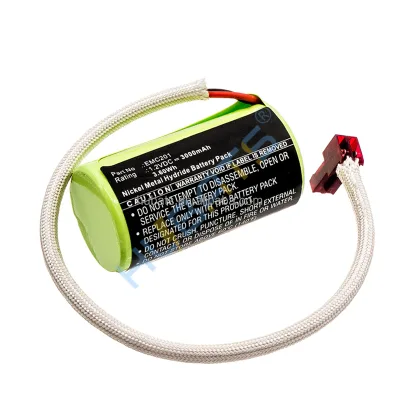
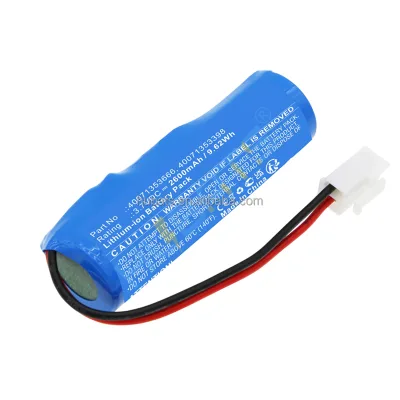


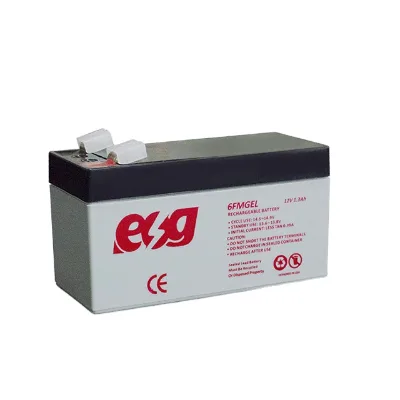
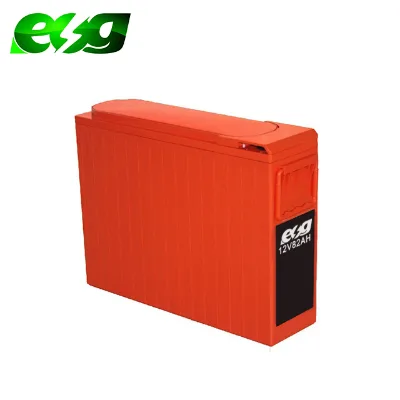
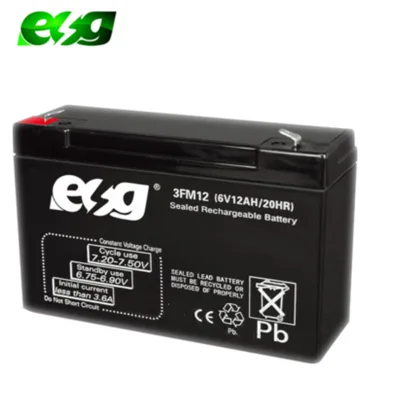
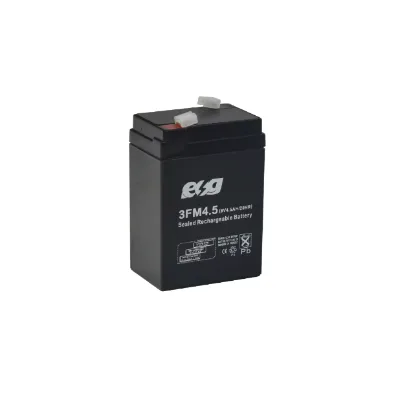


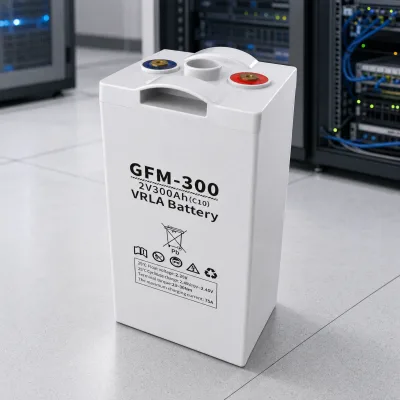
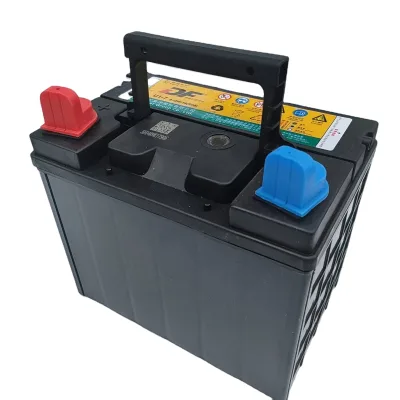
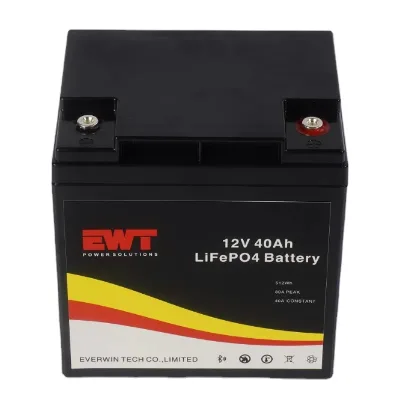
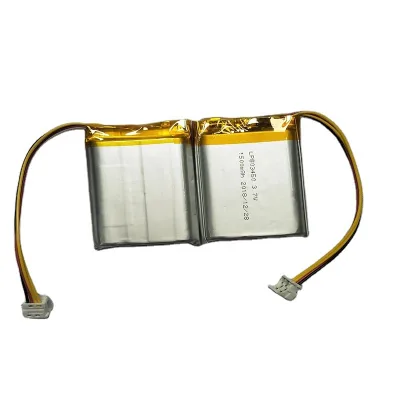
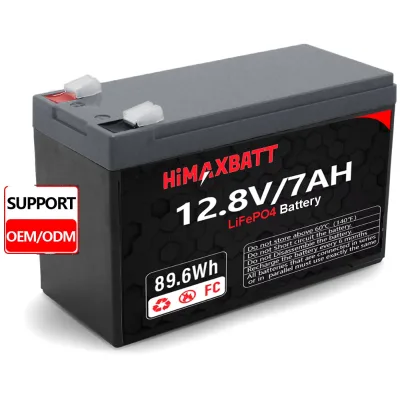
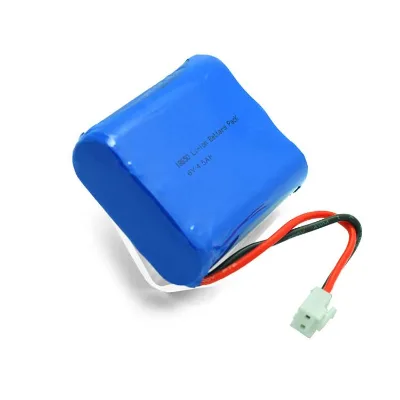


Comprehensive Sourcing Guide
Industrial Safety Emergency Replacement Battery Supplier Concentration and Factory Types
The current supplier landscape for industrial safety emergency replacement batteries reveals a distinct geographic concentration in China, with specific manufacturing hubs identified in Shanghai and Fujian. These regions serve as primary centers for producing diverse battery technologies, including lead-acid, lithium-ion, and nickel-metal hydride variants essential for emergency lighting and industrial equipment. Suppliers in these locations often operate as combined entities, functioning simultaneously as manufacturers and trading companies, which allows them to offer broader product ranges while maintaining direct control over production quality. This dual operational model is particularly prevalent among suppliers listing main products such as lithium polymer, lithium-ion, and Ni-MH batteries, indicating a mature supply chain infrastructure capable of handling both custom OEM orders and standard replacement units. The presence of these specific locations suggests that buyers seeking rapid deployment or specialized industrial-grade replacements should prioritize sourcing from these established clusters, where logistical networks and component availability are optimized for international trade.
Factory types within this sector vary significantly, ranging from pure manufacturers with dedicated R&D capabilities to trading companies that aggregate products from multiple sources. Suppliers offering ODM, OEM, and own-brand services demonstrate a higher level of technical integration, often providing customized solutions for specific industrial vehicle power supplies or emergency light replacements. For instance, some suppliers provide comprehensive safety design batteries with fixed installation requirements, while others focus on high-capacity lithium-ion packs for industrial energy storage. The distinction between these factory types is critical for buyers evaluating long-term partnership potential, as manufacturers typically offer greater control over production timelines and quality assurance protocols. Trading companies, on the other hand, may provide faster access to a wider variety of compatible replacement parts, such as specific emergency light batteries with precise voltage and capacity requirements. Understanding this structural diversity helps buyers align their sourcing strategy with their specific operational needs, whether they require bespoke industrial solutions or standardized replacement components for existing infrastructure.
How to Verify Industrial Safety Emergency Replacement Battery Suppliers
Verifying the credibility of suppliers requires a multi-layered approach that combines platform verification badges with independent third-party certifications and direct technical validation. Buyers should prioritize suppliers who display verified status from recognized inspection agencies such as SGS, which provides an additional layer of trust regarding the supplier’s operational legitimacy and product consistency. Beyond platform verification, it is essential to examine the specific system certifications held by the supplier, such as ISO9001:2015 for quality management and ISO14001:2015 for environmental management. These certifications indicate a structured approach to manufacturing processes and compliance, which is particularly important for industrial safety products where reliability is paramount. Additionally, product-specific certifications like MSDS, UN38.3, CE, RoHS, KC, and BIS should be scrutinized, especially for lithium-ion and other chemically active batteries, to ensure they meet international safety and transportation standards. These documents serve as objective proof that the batteries have undergone rigorous testing for stability, performance, and environmental impact.
Technical verification extends beyond documentation to include direct assessment of the supplier’s response capabilities and product specifications. Buyers should evaluate the supplier’s response time, as faster responses often correlate with better customer service and operational efficiency. For example, a response time of approximately 1.26 hours suggests a highly responsive team capable of addressing urgent inquiries or technical issues promptly. Furthermore, buyers should request detailed product attributes and test results to verify claims about cycle life, voltage stability, and discharge rates. For emergency replacement batteries, specific parameters such as the 100% discharge rate or specific cycle life ranges (e.g., 500-800 cycles for Ni-MH or over 3000 times for Li-ion) must be confirmed against the supplier’s provided data. Engaging in direct technical discussions to clarify customization options, such as voltage, capacity, and physical dimensions, helps ensure that the supplier fully understands the buyer’s requirements. This proactive verification process minimizes the risk of receiving non-compliant or substandard products, ensuring that the emergency replacement batteries meet the necessary safety and performance standards for industrial applications.
What to Compare Across Industrial Safety Emergency Replacement Battery Suppliers
When evaluating multiple suppliers, buyers must systematically compare key operational metrics such as lead times, minimum order quantities (MOQ), and pricing structures to determine the most suitable partner for their needs. Lead times vary significantly across suppliers, with some offering rapid turnaround times of seven days, while others may require up to fifteen days for production and delivery. This difference is crucial for buyers managing inventory levels or responding to urgent equipment failures, as shorter lead times can reduce downtime and maintain operational continuity. Similarly, MOQs range from as low as one unit for specialized replacement batteries to five units for larger industrial packs, allowing buyers to scale their orders based on immediate demand and budget constraints. Comparing these logistical parameters helps buyers align their procurement strategy with their operational tempo, ensuring that they can secure necessary supplies without excessive inventory holding costs or production delays.
Pricing and customization capabilities are equally important factors in supplier comparison, as they directly impact the total cost of ownership and product fit. Prices for industrial safety batteries can vary widely, with lead-acid options starting around $4,000 and lithium-ion packs ranging from $4,800 to $5,900, depending on capacity and specifications. Buyers should also assess the supplier’s ability to provide customized solutions, such as specific voltage configurations, physical dimensions, or branding options. Suppliers offering ODM and OEM services often provide greater flexibility in tailoring products to specific industrial requirements, which can be essential for integrating replacement batteries into existing equipment. Additionally, comparing the range of main products offered by each supplier helps identify those with the broadest expertise in emergency lighting and industrial power solutions. By systematically evaluating these dimensions, buyers can make informed decisions that balance cost, speed, and technical suitability, ensuring they select suppliers who can reliably meet their specific industrial safety needs.
Common Industrial Safety Emergency Replacement Battery Sourcing Risks
One of the primary risks in sourcing industrial safety emergency replacement batteries is the potential mismatch between product specifications and actual performance, particularly regarding voltage, capacity, and cycle life. Buyers may encounter suppliers who provide generic product descriptions that do not accurately reflect the technical capabilities of the batteries, leading to premature failure or inadequate power supply in critical emergency situations. For instance, claims about extended life or high capacity must be verified through independent testing or detailed technical documentation, as discrepancies can result in significant operational disruptions. Additionally, the risk of receiving non-compliant products is heightened when suppliers lack proper certifications such as UN38.3 or MSDS, which are essential for safe transportation and regulatory compliance. Buyers must be vigilant in verifying these credentials to avoid legal liabilities and safety hazards associated with improperly certified batteries.
Another significant risk involves supply chain instability and inconsistent quality control, which can be exacerbated by the diverse nature of supplier types in the market. Suppliers operating as both manufacturers and trading companies may face challenges in maintaining consistent quality across different product lines, particularly when sourcing components from multiple suppliers. This complexity can lead to variations in product performance, such as differences in discharge rates or storage temperature requirements, which can compromise the reliability of emergency lighting systems. Furthermore, the risk of delayed shipments or poor customer support is higher with suppliers who have longer lead times or slower response rates. Buyers must assess the supplier’s track record and operational capacity to ensure they can meet delivery deadlines and provide adequate after-sales support. By identifying and mitigating these risks through thorough due diligence and clear contractual agreements, buyers can protect their operations from potential disruptions and ensure the consistent performance of their industrial safety systems.
Industrial Safety Emergency Replacement Battery Regional Sourcing and Logistics
Sourcing industrial safety emergency replacement batteries from specific regions in China, such as Shanghai and Fujian, offers distinct logistical advantages due to the established infrastructure and proximity to major shipping ports. Suppliers in these locations benefit from efficient transportation networks that facilitate rapid export and distribution, reducing transit times and associated costs for international buyers. The concentration of manufacturing facilities in these areas also enables better coordination of raw material supply and production scheduling, which can lead to more predictable lead times and improved inventory management. Buyers should consider the geographic location of suppliers when planning their logistics strategy, as proximity to shipping hubs can significantly impact delivery speed and reliability. Additionally, regional suppliers often have established relationships with freight forwarders and customs brokers, streamlining the export process and reducing the administrative burden on buyers.
Logistical considerations also extend to packaging and handling requirements, which vary depending on the battery type and destination. For example, lead-acid batteries may require specific packaging to prevent leakage and ensure safety during transit, while lithium-ion batteries often need specialized wooden pallets or boxes to comply with international shipping regulations. Buyers must ensure that suppliers adhere to these packaging standards to prevent damage and ensure compliance with local regulations upon arrival. Furthermore, the storage temperature and handling instructions provided by suppliers, such as room temperature storage for lead-acid batteries or normal temperature storage for Ni-MH variants, must be followed to maintain product integrity. By carefully planning logistics and adhering to supplier guidelines, buyers can minimize the risk of product damage and ensure that emergency replacement batteries arrive in optimal condition, ready for immediate installation and deployment in critical industrial applications.
Industrial Safety Emergency Replacement Battery Commercial Terms and Order Planning
Effective order planning for industrial safety emergency replacement batteries requires careful consideration of commercial terms, including payment structures, warranty policies, and after-sales support. Buyers should negotiate clear terms regarding payment milestones, such as deposits and balance payments upon shipment, to mitigate financial risk and ensure supplier commitment. Additionally, understanding the warranty period, which may range from one year for certain battery types, is crucial for managing long-term maintenance costs and ensuring product reliability. Buyers should also inquire about the supplier’s return and replacement policies in case of defective products, as this can significantly impact the total cost of ownership. Clear communication of these commercial terms helps establish a transparent and mutually beneficial relationship, reducing the potential for disputes and ensuring smooth transaction processes.
Customization and branding options are also key commercial considerations, particularly for buyers seeking to integrate replacement batteries into their existing industrial infrastructure. Suppliers offering ODM and OEM services can provide customized solutions, such as specific voltage configurations, physical dimensions, and branding, which can enhance product integration and brand consistency. Buyers should assess the supplier’s ability to accommodate these customization requests within their production capabilities and lead times. Furthermore, buyers should evaluate the supplier’s capacity to handle large orders or recurring purchases, as this can impact pricing and availability. By carefully planning orders and negotiating favorable commercial terms, buyers can secure reliable supplies of industrial safety emergency replacement batteries while maintaining cost efficiency and operational flexibility. This strategic approach ensures that buyers can meet their immediate needs while building a sustainable supply chain for future requirements.
FAQs
What is the minimum order quantity for industrial safety batteries?
The minimum order quantity is typically 5 units for lead-acid forklift batteries and 1 unit for lithium-ion emergency light replacements. Buyers should verify specific MOQ requirements with the supplier before placing an order to ensure compliance with production constraints.
How long does delivery take for these replacement batteries?
Lead times vary by product type, ranging from 7 days for smaller lithium-ion cells to 15 days for larger lead-acid forklift batteries. These estimates depend on customization needs and current production schedules, so confirm exact dates with the supplier.
Are these batteries certified for international shipping and safety?
Yes, lithium-ion options include MSDS, UN38.3, CE, RoHS, KC, and BIS certifications. Lead-acid batteries are supported by ISO9001:2015 and ISO14001:2015 system certifications. Always request valid certificates to ensure compliance with local regulations and safe transportation.
What voltage options are available for emergency light replacements?
Available voltages include 1.2V for Ni-MH emergency light batteries and 3.7V for Li-ion 18650 cells. For industrial forklift applications, 48V lead-acid and 80V lithium-ion options are also offered. Select the voltage that matches your specific equipment requirements.
Can suppliers provide custom branding or packaging for orders?
Customization is available for branding, dimensions, and packaging. Suppliers offer OEM and ODM services with options for wooden box or pallet packing. Buyers can request specific color or box body designs to align with their brand identity and logistical needs.
What is the expected lifespan of these industrial batteries?
Lithium-ion batteries offer a lifetime of more than 3000 cycles, while Ni-MH emergency batteries provide 500 to 800 cycles. Lead-acid forklift batteries are designed for heavy-duty industrial use. Cycle life depends on discharge rates and maintenance practices.