CE Certified 4G Walkie Talkie Suppliers and Manufacturers
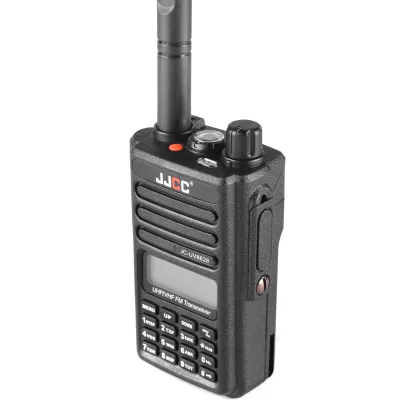
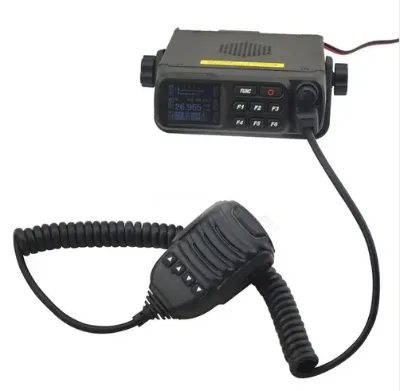
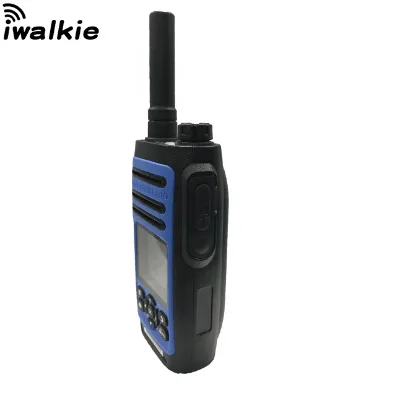
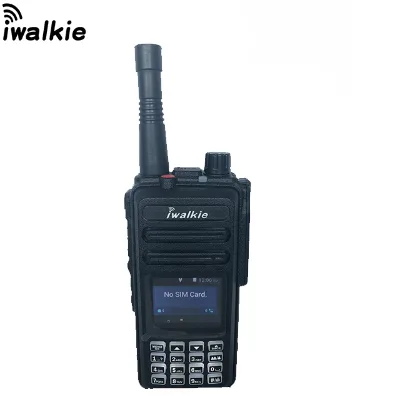
Source CE Certified 4G Walkie Talkie from 25 verified Guangdong suppliers. Compare specs like 4G POC range, IP ratings, and pricing. Contact suppliers directly to verify certifications and lead times; review the available evidence before requesting comparable quotations from suitable candidates.
Updated
Suppliers List
Shenzhen Mainlink Technology Co., Ltd.
- Manufacturer, Trading Company
- Guangdong, China
- Lead time0 days
- Avg. response≤ 1h
Main productsWalkie-Talkie,Restaurant Pager,Wireless Tour Guide Explainer,Referee Intercom,Drone loudspeaker
Main marketsNorth America(30.00%), Domestic Market(20.00%), South America(10.00%), Africa(10.00%), Southeast Asia(10.00%), Eastern Europe(10.00%), Western Europe(5.00%), Southern Europe(5.00%)
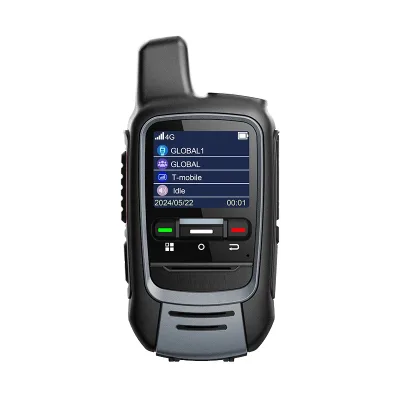
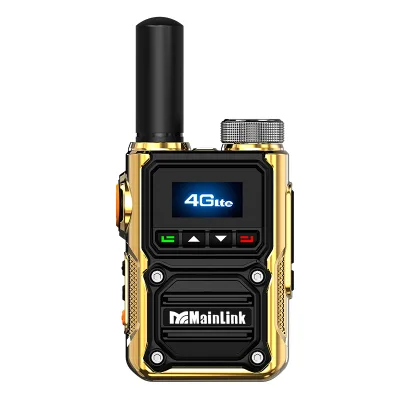
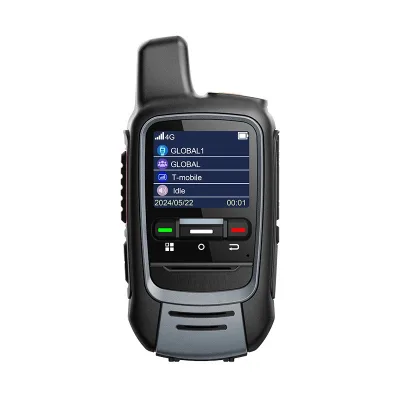
Global 4G POC Walkie Talkie 5000KM Remote Range Walkie Talkie Global Civil Fleet Walkie Talkie
$20.578 - $26.7513
MOQ: 2 pieces
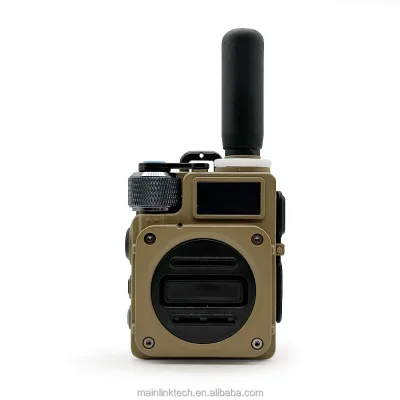
$36.5677 - $39.8932
MOQ: 2 pieces
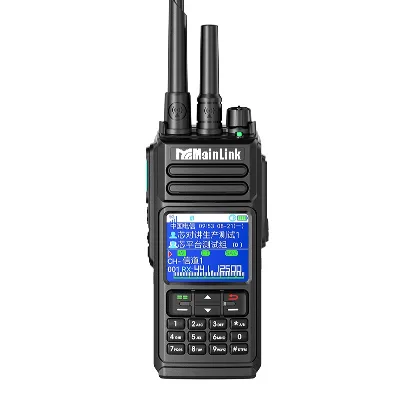
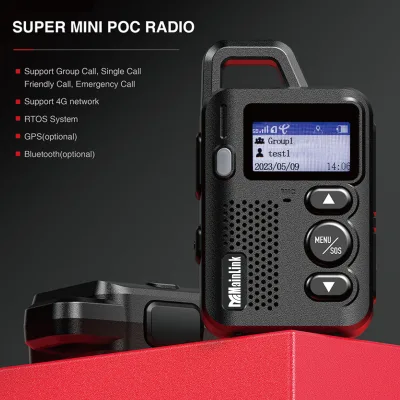
$20.563 - $26.7318
MOQ: 2 pieces

- Verified by BV
- Trading Company
- China Fujian
- Lead time23 days
- Avg. response≤ 3h
Main productsMouth Care and Soap, Field Kitchen Trailer, Camping Tents, Boots and Shoes, Camo Uniform and Clothes, Outdoor Backpacks and Bags, Camouflage Net and Ghillie Suit, Blankets and Sleeping Bags, Canteens and Mess Tins, Tactical Helmet
Main marketsSouth America,Africa,Southeast Asia/ Mideast,East Asia(Japan/ South Korea),Europe,Australia,North America
Shangrao Haodi Imp & Exp Trading Co., Ltd.
- Trading Company
- Lead time旺季: "1 - 200":12,"> 200":"To be negotiated", 淡季: "1 - 200":12,"> 200":"To be negotiated"
- Avg. response≤ 2h
Main productsGnss Rtk, Total Station, Auto Level, Slam Scanner, Survey Accessories
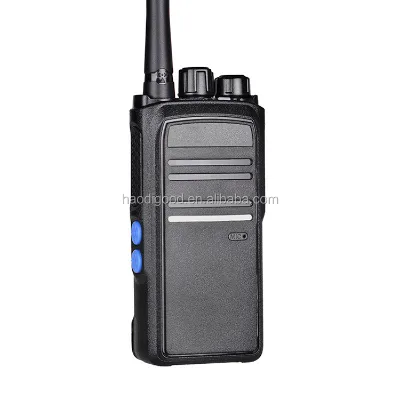
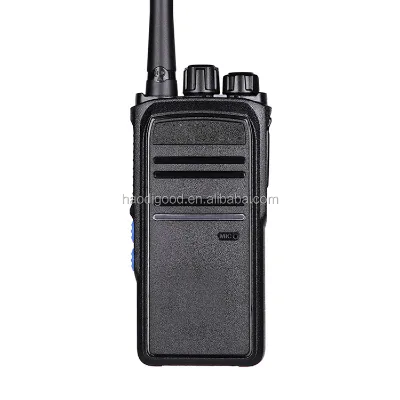
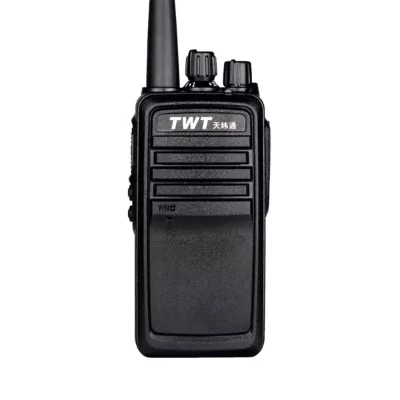
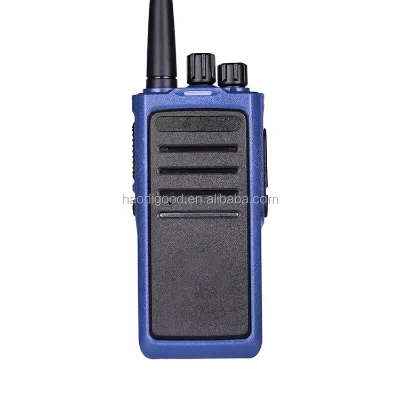
Explosion Proof Walkie Talkie Encrypted Two Way Radios
MOQ: 100 Minimum

Changsha Jiumo Security Technology Co., Ltd.
- Verified by BV
- Trading Company
- China Hunan
- Lead time15 days
- Avg. response≤ 1h
Main productsWalkie Talkie, Wireless Explainer, Wireless Pager, Anti-Theft Alarm
Main marketsDomestic

- Verified by BV
- Manufacturer/Factory
- China Fujian
- Lead time23 days
- Avg. response≤ 4h
Main productsTwo Way Radio, Walkie-Talkie, Mobile Radio, Repeater, Dmr Radio, Poc Radio
Main marketsSouth America,Eastern Europe,Mid East,North America,Southeast Asia,Eastern Asia,Oceania,Western Europe,Africa

Tyt 10W Walkie Talkie Noise Cancel with CE FCC Certification Two Way Radio PMR446
$30.00 - $32.00
MOQ: 10 Pieces


Long Distance 4000mAh Battery 4G Mobile Walkie Talkie Rugged Two Way Radio
$50.00 - $60.00
MOQ: 50 Pieces

Tyt Walkie Talkie IP58 Rated Mobile Radio with Unlimited Communication Range
$93.00 - $100.00
MOQ: 50 units


136-174&400-480MHz Dual Band Talkie Walkies 200 Channels Dual Band Radio Cheap Price Seller 5W
$20.00 - $30.00
MOQ: 100 Pieces

- Manufacturer
- Fujian, China
- Lead time7 days
- Avg. response≤ 3h
Main productstwo way radio,walkie talkie,digital walkie talkie,analog walkie talkie,wcdma walkie talkie
Main marketsWestern Europe(12.50%), Eastern Asia(12.50%), North America(11.60%), Eastern Europe(10.80%), Southeast Asia(10.00%), Oceania(9.90%), Mid East(6.70%), South Asia(6.00%), Southern Europe(6.00%), Central America(4.00%), South America(3.00%), Africa(3.00%), Northern Europe(3.00%), Domestic Market(1.00%)

Quanzhou Saiwei Technology Co., Ltd.
- Verified by SGS
- Combined
- China Fujian
- Lead time15 days
- Avg. response≤ 23h
Main marketsDomestic

- Verified by SGS
- Combined
- China Fujian
- Lead time45 days
- Avg. response≤ 4h
Main productsTwo Way Radio, Walkie Talkie, Transceiver, Interphone, Wireless Communication Device, Digital Mobile Radio, Mobile Radio, PMR Dmr, Intercome, Vehicle Station Repeater
Main marketsSoutheast Asia/ Mideast,Domestic
Fujian JJCC Electronic Co., LTD
- Manufacturer
- Fujian, China
- Lead time7 days
- Avg. response≤ 2h
Main productsWalkie Talkie,Walkie Talkie Accessories
Main marketsSoutheast Asia(50.00%), Domestic Market(20.00%), Oceania(10.00%), North America(5.00%), Eastern Asia(4.00%), South Asia(2.00%), South America(2.00%), Eastern Europe(1.00%), Southern Europe(1.00%), Mid East(1.00%), Northern Europe(1.00%), Central America(1.00%), Western Europe(1.00%), Africa(1.00%)
Fujian New Century Communications Co., Ltd.
- Verified by TüVRheinland
- Manufacturer, Trading Company
- Lead time15 days
- Avg. response≤ 1h
Main productsTwo Way Radio, Walkie Talkie, Mobile Radio, Repeater
Main marketsEastern Asia(20%), Southeast Asia(17%), North America(15%)
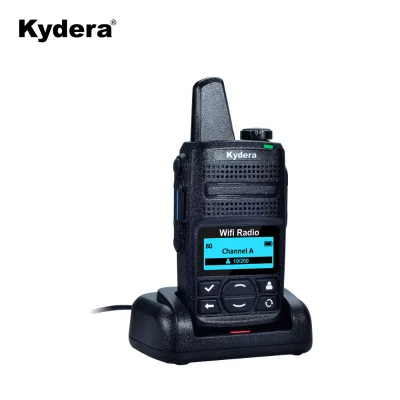
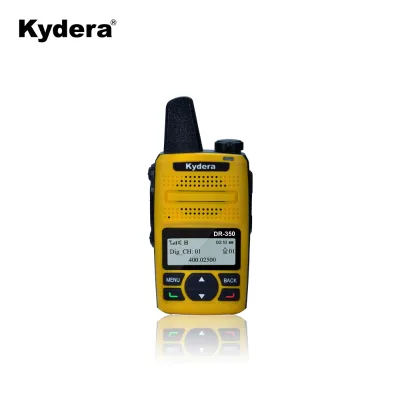
2W Mini UHF Two Way Radio Ham Radio Transceiver DMR Handy Talkie With CE FCC ROSH
$66.6925
MOQ: 2 Minimum
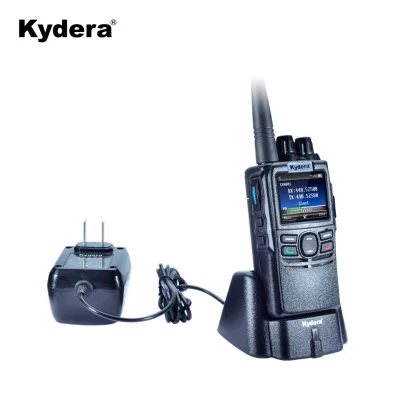
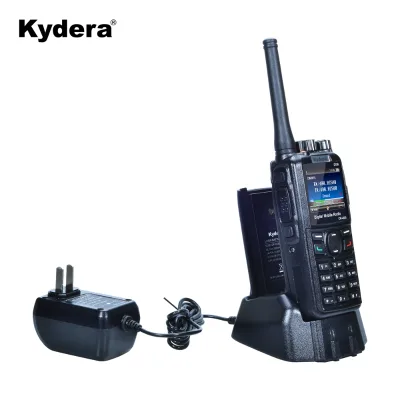
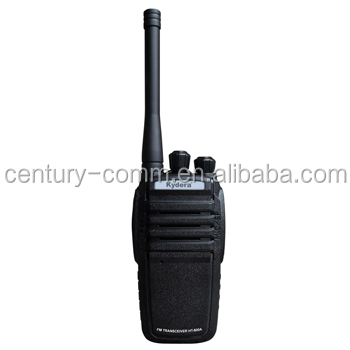
Kydera 8W cheap analog portable walkie talkie HT-800 long working range
$82.1249 - $102.9171
MOQ: 2 Minimum
- Trading Company
- Hong Kong S.A.R.
- Lead time0 days
- Avg. response≤ 3h
Main productsWalkie Talkie, Two-way Radio, Antenna, Drones, Satellite Phone
Main marketsMid East(15.00%), North America(13.00%), South America(10.00%), Africa(8.00%), Western Europe(7.00%), Eastern Europe(7.00%), Domestic Market(7.00%), Southeast Asia(7.00%), South Asia(5.00%), Eastern Asia(5.00%), Southern Europe(5.00%), Central America(5.00%), Oceania(3.00%), Northern Europe(3.00%)
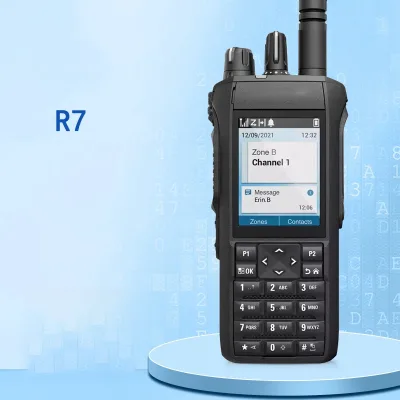
R7 Talkie-walkie Gps Encrypted Walkie Talkie
$638.00 - $650.00
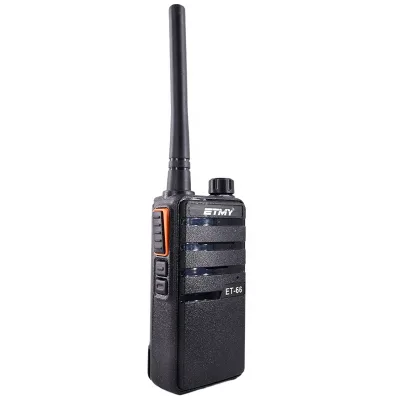
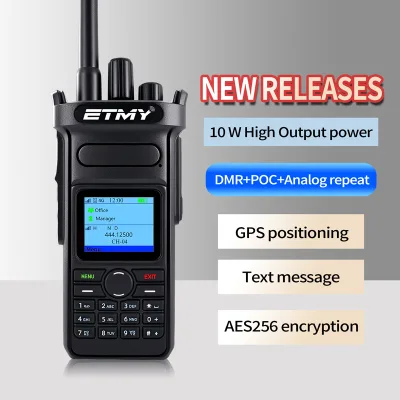
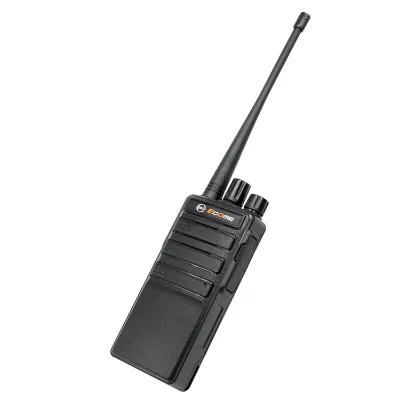
UHF analog good price 16 channels basic walkie talkie ET-99 hot selling with CE two way radios
$8.2944 - $9.331
MOQ: 2 pieces
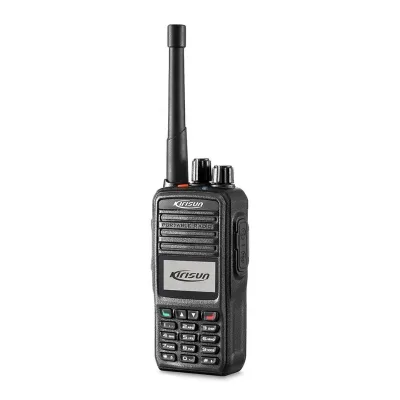
$98.4845 - $101.5944
MOQ: 2 pieces
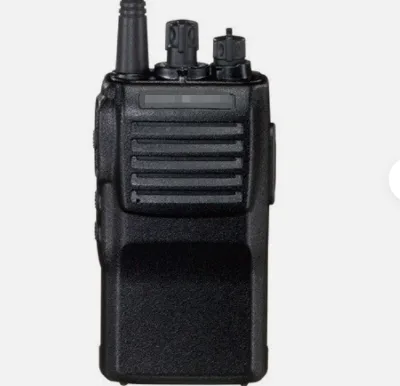
Quanzhou Dingyuan Technology Co., Ltd.
- Manufacturer
- Fujian, China
- Lead time7 days
- Avg. response≤ 2h
Main productswalkie talkie,iwalkie,micall,GSM radio,ip radio
Main marketsSouth Asia(15.00%), Africa(10.00%), North America(10.00%), Northern Europe(10.00%), Eastern Asia(10.00%), Domestic Market(5.00%), Southeast Asia(5.00%), Southern Europe(5.00%), Eastern Europe(5.00%), Central America(5.00%), Western Europe(5.00%), South America(5.00%), Mid East(5.00%), Oceania(5.00%)

Fujian Belfone Communications Technology Co., Ltd.
- Verified by SGS
- Combined
- China Fujian
- Lead time30 days
- Avg. response≤ 8h
Main productsWalkie Talkie, Two Way Radio, Amateur Ham Radio, Dmr Radio, Mobile Radio, Poc Radio, VHF UHF Repeater Base Station, VHF UHF Radio Transceiver, Radio Communication System, ATEX Explosion-Proof Radio
Main marketsSoutheast Asia/ Mideast

Network 4G LTE Radio Worldwide Communication WCDMA/GSM/LTE Poc Walkie Talkie
$80.00 - $128.00
MOQ: 5 Pieces

Hot Selling 4G LTE Network Poc Radio Two Way Radio Dispatching Android System Walkie Talkie
$80.00 - $128.00
MOQ: 5 Pieces


Multimode Radio Poc Dmr LTE Radio 4G Poc IP Ptt Walkie Talkie (BF-SCP810)
$218.00 - $398.00
MOQ: 5 Pieces


Quanzhou Gaoqiyi Electronic Technology Co., Ltd.
- Verified by Intertek
- Manufacturer, Trading Company
- Lead time15 days
- Avg. response≤ 3h
Main productsWalkie Talkie, Walkie Talkie Headset, Walkie Talkie Battery, Radio Antenna
Main marketsDomestic Market(60%), North America(15%), Southeast Asia(15%)
Quanzhou Dongkun Electronic Technology Co., Ltd.
- Verified by SGS Group
- Manufacturer, Trading Company
- Lead time30 days
- Avg. response≤ 1h
Main productsWalkie Talkie, Intercom, Two Way Radio, POC Radio, 4G LTE Radio

Xiamen Aisite Technology Co., Ltd
- Verified by SGS
- Combined
- China Fujian
- Lead time15 days
- Avg. response≤ 2h
Main marketsDomestic

Portable Walkie Talkie Two Way Radio Handheld Walkie Talkie for Outdoor Communication
$85.00 - $89.00
MOQ: 2 Pieces


Shenzhen Daovay Technology Co., Ltd.
- Verified by SGS Group
- Manufacturer, Trading Company
- Lead time15 days
- Avg. response≤ 5h
Main productsGPS Tracker, TPMS
Main marketsAfrica(23%), South America(22%), North America(20%)

Quanzhou Hengluda Electronic Technology Co., Ltd.
- Manufacturer, Trading Company
- Fujian, China
- Lead time15 days
- Avg. response≤ 2h
Main productswalkie talkie,two way radio,intcom,poc radios,Analog radio
Main marketsNorth America(28.88%), Domestic Market(20.01%), South America(14.80%), South Asia(12.66%), Eastern Europe(7.90%), Africa(4.66%), Mid East(3.55%), Western Europe(3.00%), Southern Europe(2.88%), Northern Europe(1.66%)
Guangzhou Tuorui Trading Co., Ltd.
- Manufacturer, Trading Company, Agent
- Guangdong, China
- Lead time3 days
- Avg. response≤ 2h
Main productsWalkie talkie,Two way radio,Charger,Antenna,Battery
Main marketsSouth America(15.00%), North America(15.00%), Central America(13.00%), Northern Europe(10.00%), Africa(10.00%), South Asia(8.00%), Southern Europe(7.00%), Eastern Asia(6.00%), Southeast Asia(5.00%), Eastern Europe(4.00%), Western Europe(3.00%), Mid East(2.00%), Domestic Market(1.00%), Oceania(1.00%)
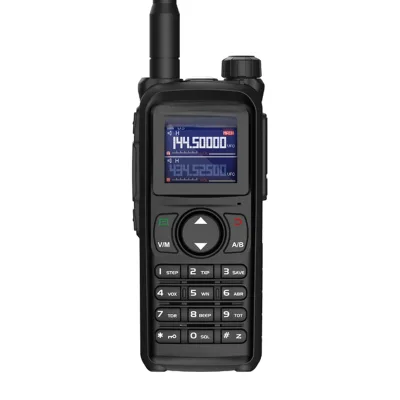
$20.0088 - $24.0609
MOQ: 10 pieces
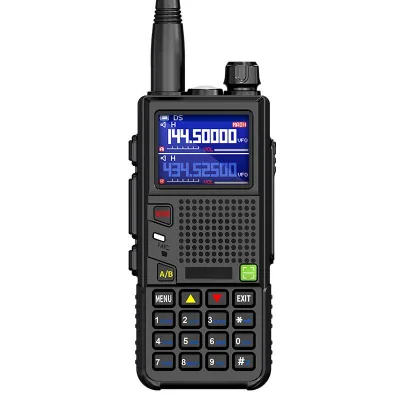
AS-52M UV Dual Band Walkie Talkie 1.77\" Color Screen Shockproof Two-Way for Radio with VOX & BCL
$21.7255 - $24.8294
MOQ: 10 pieces
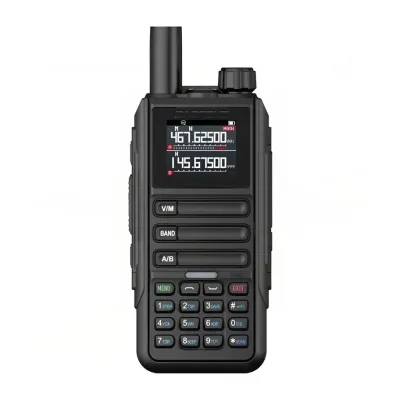
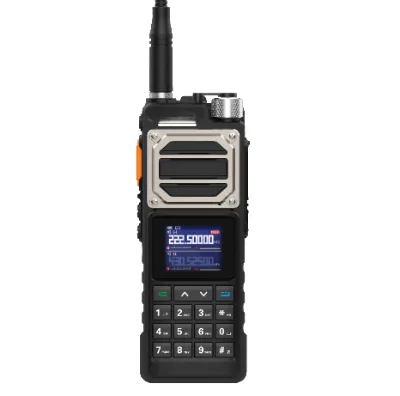
$25.1379 - $27.704
MOQ: 10 pieces

Bond Telecommunication Co., Limited
- Trading Company
- Fujian, China
- Lead time10 days
- Avg. response≤ 5h
Main productswalkie talkie,two way radio,cb radio,mobile radio,handheld radio
Main marketsEastern Europe(20.00%), Western Europe(20.00%), North America(15.00%), South America(10.00%)
Quanzhou Maycall Electronic Technology Co., Ltd.
- Verified by Intertek
- Trading Company
- Lead time10 days
- Avg. response≤ 1h
Main productsWalkie-Talkie
Main marketsSoutheast Asia(30%), North America(25%), South America(15%)
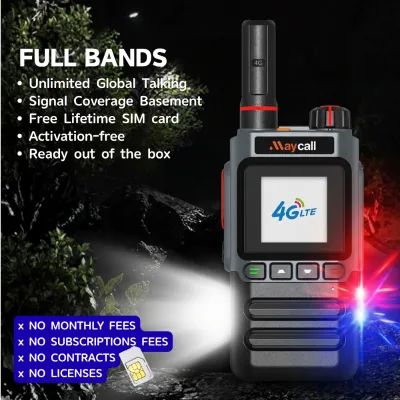
$20.00 - $23.00
MOQ: 2 pieces
Nanning Hizbao Security Equipment Co., Ltd.
- Verified by SGS Group
- Trading Company
- Lead time15 days
- Avg. response≤ 3h
Main productsWalkie Talkie, Radio Accessories
Main marketsNorth America(20%), Western Europe(20%), Domestic Market(20%)

Quanzhou Ruihui Electronic Technology Co., Ltd.
- Verified by SGS
- Trading Company
- China Fujian
- Lead time15 days
- Avg. response≤ 4h
Main marketsDomestic
Chongqing Fengfan Import And Export Trade Co., Ltd.
- Manufacturer, Trading Company
- Chongqing, China
- Lead time3 days
- Avg. response≤ 1h
Main productswalkie-talkie,microphone,walkie talkie accessories,Communications equipment
Main marketsNorth America(35.00%), Eastern Europe(16.00%), South America(12.00%), Eastern Asia(5.00%), Western Europe(5.00%), Africa(5.00%), Southeast Asia(5.00%), Domestic Market(4.00%), Mid East(3.00%), Southern Europe(3.00%), Oceania(3.00%), South Asia(2.00%), Northern Europe(1.00%), Central America(1.00%)

BOND TELECOMMUNICATION CO., LIMITED
- Combined
- China Fujian
- Lead time15 days
- Avg. response≤ 20h
Main productsWalkie Talkie, Transceiver, Interphone, Two Way Radio, Portable Radio, Repeater Radio, Amateur Radio, Ham Radio, Marine Radio, Dual Band Radio
Main marketsSouth America,Africa,Southeast Asia/ Mideast,East Asia(Japan/ South Korea),Europe,Australia,North America








Comprehensive Sourcing Guide
CE Certified 4G Walkie Talkie Supplier Concentration and Factory Types
The current supplier landscape for 4G POC radios is heavily concentrated in Guangdong, China, a region known for its robust electronics manufacturing ecosystem. This geographic clustering allows for efficient supply chain management, rapid prototyping, and access to specialized components like LTE modules and antennas. Buyers evaluating suppliers should recognize that this concentration often correlates with higher production volumes and competitive pricing structures, as factories in this area have developed deep expertise in consumer electronics and communication devices. The presence of both manufacturers and trading companies in this region offers buyers a spectrum of engagement models, from direct factory sourcing to flexible trading partnerships that may provide broader product assortments.
Company types vary significantly among these suppliers, with many operating as either manufacturers or trading companies. Manufacturers typically offer greater control over production quality, customization options, and direct communication regarding technical specifications, which is crucial for complex devices like 4G POC walkie talkies that require specific band configurations and software integrations. Trading companies, on the other hand, may provide more flexibility in order quantities and faster response times due to their focus on customer service and logistics coordination. Understanding this distinction is vital for buyers to align their sourcing strategy with their operational needs, whether they prioritize direct manufacturing oversight or streamlined procurement processes through intermediaries.
How to Verify CE Certified 4G Walkie Talkie Suppliers
Verification of supplier credentials is a critical step in ensuring product compliance and reliability. While some suppliers display a Declaration of Conformity, buyers must actively verify the validity and scope of this certification, as it may not always equate to full CE marking for all target markets. It is essential to request detailed documentation, including test reports from accredited laboratories, to confirm that the devices meet specific electromagnetic compatibility and radio equipment directives. Buyers should not rely solely on self-declared certifications but should cross-reference these documents with official databases or third-party verification services to ensure authenticity and compliance with international standards.
Response time is another key indicator of supplier reliability and operational efficiency. A response time of one day suggests a high level of customer service engagement, which can be crucial for resolving technical queries, negotiating terms, and addressing post-sales issues. Buyers should assess whether this rapid response is consistent across different communication channels and whether the supplier provides comprehensive technical support. Additionally, verifying the supplier’s establishment year and track record can provide insights into their stability and experience in the industry. Suppliers with a longer history may have more refined processes and a better understanding of market demands, reducing the risk of operational disruptions.
What to Compare Across CE Certified 4G Walkie Talkie Suppliers
When comparing suppliers, buyers should focus on key product attributes such as talk range, battery capacity, and supported frequency bands. For instance, some models offer a talk range of up to 5000km, leveraging global LTE networks, while others may have more limited ranges depending on network coverage. Battery capacity varies significantly, with options ranging from 2000mAh to over 5000mAh, impacting device longevity and suitability for extended field operations. Buyers must align these technical specifications with their specific use cases, considering factors like operating temperature ranges, water resistance levels, and additional features such as GPS integration or group communication capabilities.
Pricing and minimum order quantities (MOQ) are also critical comparison points. Prices for 4G POC walkie talkies can range from approximately $20 to $65 per unit, depending on features, build quality, and order volume. MOQs typically start at two units, offering flexibility for small-scale testing or initial orders. Buyers should evaluate the total cost of ownership, including shipping, tariffs, and potential customization costs, rather than focusing solely on the unit price. Comparing these commercial terms across multiple suppliers helps in identifying the best value proposition, ensuring that the selected supplier meets both technical requirements and budget constraints.
Common CE Certified 4G Walkie Talkie Sourcing Risks
One significant risk in sourcing 4G POC walkie talkies is the variability in network compatibility and performance across different regions. Since these devices rely on LTE networks, their effectiveness is heavily dependent on local carrier support and frequency band availability. Buyers must ensure that the selected models support the specific LTE bands used in their target markets to avoid connectivity issues. Additionally, the theoretical talk range advertised by suppliers may not always reflect real-world performance, which can be affected by network congestion, terrain, and device configuration. Buyers should request detailed technical specifications and, if possible, conduct pilot tests to validate performance in their specific operational environments.
Another risk is the potential for inconsistent quality control and after-sales support. While some suppliers offer robust warranties and technical assistance, others may have limited resources for handling defects or software updates. Buyers should carefully review the supplier’s return policies, warranty terms, and customer service capabilities before committing to large orders. It is also important to verify the supplier’s ability to provide firmware updates and technical documentation, as these are crucial for maintaining device functionality and security over time. Engaging with suppliers who demonstrate a commitment to quality and support can mitigate these risks and ensure a smoother sourcing experience.
CE Certified 4G Walkie Talkie Regional Sourcing and Logistics
Sourcing from Guangdong, China, offers logistical advantages due to the region’s well-developed infrastructure and proximity to major shipping ports. This location facilitates efficient export processes, reducing transit times and costs for international buyers. However, buyers must also consider the complexities of international shipping, including customs clearance, import duties, and potential delays due to regulatory inspections. Understanding the specific logistics requirements of the destination country is essential to avoid unexpected costs or delays. Buyers should work with suppliers who have experience in international shipping and can provide accurate estimates for delivery times and associated fees.
Packaging and handling are also important logistical considerations. The single package sizes and weights provided by suppliers, such as 28x25x7 cm and 0.8 kg for certain models, help in planning storage and transportation. Buyers should ensure that the packaging is robust enough to protect the devices during transit, especially given the sensitive electronic components involved. Additionally, considering the environmental impact of packaging materials and exploring sustainable options can align with corporate social responsibility goals. Coordinating closely with suppliers on packaging specifications and shipping methods can optimize the supply chain and enhance overall efficiency.
CE Certified 4G Walkie Talkie Commercial Terms and Order Planning
Effective order planning requires a clear understanding of commercial terms, including payment methods, delivery schedules, and customization options. Buyers should negotiate terms that align with their cash flow and operational needs, such as flexible payment structures or staggered deliveries for large orders. Customization options, such as private labeling or specific software configurations, may incur additional costs and lead times, so these should be discussed and agreed upon early in the sourcing process. Suppliers with private mold capabilities, as indicated by some product attributes, can offer unique design options, but buyers must verify the associated costs and minimum order requirements for such customizations.
Lead time and production capacity are also critical factors in order planning. While some suppliers may indicate a lead time of zero, this often refers to the availability of stock rather than production time for custom orders. Buyers should clarify the actual production lead times for both standard and customized products to ensure timely delivery. Additionally, assessing the supplier’s production capacity and ability to scale up during peak demand periods can help mitigate supply chain risks. Establishing clear communication channels and regular updates on order status can enhance transparency and trust, ensuring a successful partnership and reliable supply of 4G POC walkie talkies.
FAQs
What is the talk range for 4G POC walkie talkies?
The talk range for these devices is typically global or up to 5000km, depending on network coverage. Some models specify a range of 10km to 10000km or simply greater than 50km. This long-distance capability relies on 4G LTE networks rather than traditional radio frequencies, enabling communication across vast distances without line-of-sight constraints.
What is the minimum order quantity for these radios?
The minimum order quantity is generally two units for most listed models. This low MOQ allows buyers to test product quality and functionality before committing to larger bulk orders. It is advisable to confirm the specific MOQ with the supplier, as some may offer different terms for customized packaging or specific model variations.
What certifications do these walkie talkies have?
The suppliers provide a Declaration of Conformity for their products. This certification indicates that the devices meet specific regulatory standards for safety and performance. Buyers should verify if additional certifications, such as CE or FCC, are available for specific models or regions, as the provided facts only explicitly mention the Declaration of Conformity.
What is the battery capacity of these devices?
Battery capacities vary by model, ranging from 1000mAh to 5000mAh. Some units feature a 2000mAh battery, while others offer 2500mAh or higher. The operating voltage is typically around 3.7V to 7.4V. Buyers should check the specific model details to ensure the battery life meets their operational requirements for extended use.
Where are these walkie talkies manufactured?
These walkie talkies are manufactured in Guangdong, China. This region is a major hub for consumer electronics and communication equipment production. Buyers can expect a concentration of manufacturers and trading companies in this area, offering various options for sourcing 4G POC radios with different features and price points.
What is the price range for 4G POC radios?
Prices for these radios range from approximately $20.58 to $65.00 per unit. The cost depends on features such as battery capacity, waterproof rating, and additional functions like GPS. Higher-end models with dual-mode capabilities or larger batteries tend to be at the upper end of this price spectrum.