Source Classic Black Gold Cocktail Glass for Bars, Hotels, and Parties
Compare 30 listings for the Classic Black Gold Cocktail Glass suitable for bars, hotels, and restaurants. Buyers can review specifications like capacity, material, and customization options to find the right supplier for their event needs.
Key considerations
Products List
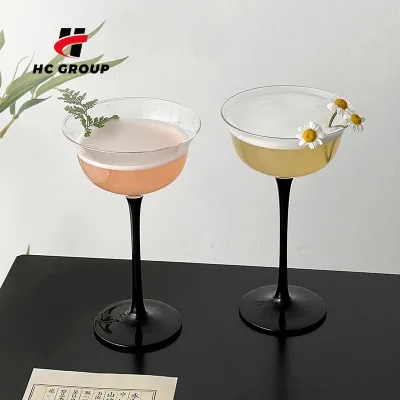

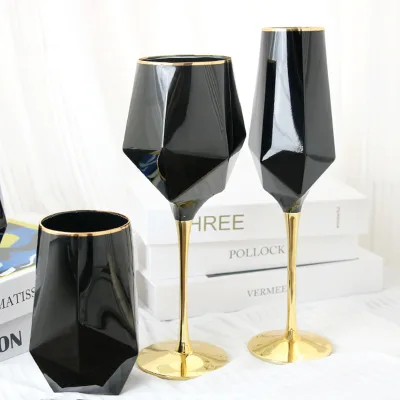
Multi-Function Vintage Gold Stripe Creative Matte Black Champagne Goblet Cocktail Glass
$1.39 - $1.63
MOQ: 600 Pieces

High Quality Modern Style Personalized Practical Trendy Creative Cocktail Glasses
$4.50 - $5.00
MOQ: 200 Pieces




Comprehensive Sourcing Guide
Strategic Sourcing Guide for Classic Black Gold Cocktail Glass
Understanding Product Definitions and Technical Attributes
The search for a "Classic Black Gold Cocktail Glass" requires a precise alignment between buyer expectations and the actual inventory available in the global market. Based on the observed product data, the core category is defined by high-end glassware intended for bar, hotel, home, and restaurant environments. While the specific keyword implies a black and gold color scheme, the supplied product facts reveal a diverse inventory that includes clear, transparent, and crystal materials, as well as customizable color options. Buyers must recognize that "Black Gold" often represents a specific aesthetic customization rather than a standard stock item. The observed listings include variations such as the "Black Stemmed Cocktail Glass" and "Goblet" types, alongside "Champagne Flute" and "Wine" shapes.
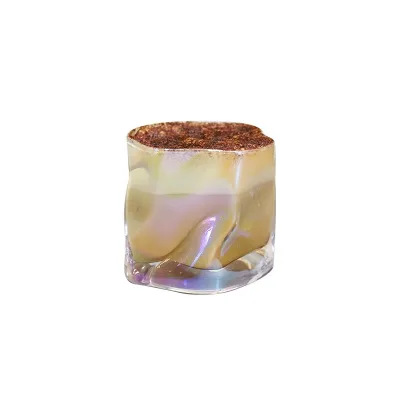
The technical specifications for these items vary significantly across different models. For instance, one model, identified as SX-0465, is listed with a capacity of 101-200ml, fitting the standard cocktail serving size. Another model, GL28012, specifies a 300ml capacity, which may be more suitable for larger mixed drinks or wine service. The physical dimensions are equally critical; observed standards include packaging sizes like 654850cm and specific product dimensions such as 5'' L * 5'' W * 15'' H or 3'' L * 3'' W * 20'' H. These measurements indicate that the "classic" profile can range from tall, slender flutes to wider, shorter goblets. The material composition is primarily glass, with specific mentions of crystal and borosilicate glass, suggesting options for both decorative elegance and thermal durability. The "Irregular Shape" attribute found in some listings indicates that the "classic" design may also encompass modern, artistic interpretations rather than strictly traditional forms.
Compliance and Certification Verification
When sourcing glassware for commercial use in the hospitality industry, verifying compliance with international safety standards is non-negotiable. The product data confirms that suppliers often provide certifications such as FDA, CIQ, LFGB, EEC, CE / EU, and ROHS. These certifications are essential for ensuring that the glass is food-grade and safe for contact with beverages, particularly in markets like the European Union and North America. The presence of "food grade" certification in the data further reinforces the safety baseline for these products.
Buyers must understand that while certifications like FDA and LFGB are explicitly listed in the source data, the specific application of these certifications to a "black gold" finish requires additional scrutiny. The gold detailing, often applied via plating or printing, must not leach harmful substances into the drink. The "Classic" style glassware is frequently used in high-volume settings where durability and safety are paramount. The observed certifications suggest that suppliers are capable of meeting rigorous international standards, but buyers should request specific test reports for the colored or plated variants. The "Luxury" and "Classic" style attributes imply a higher price point, which often correlates with stricter quality control measures regarding the materials used for the decorative elements.
Cost Drivers and Pricing Dynamics
The pricing for classic cocktail glassware is influenced by several distinct factors, including material quality, customization complexity, and order volume. The observed price range in the market spans from $0.04 to $5.50 USD, a wide spectrum that reflects the difference between basic clear glass and premium crystal or heavily customized items. The "Luxury" and "Classic" designations typically place a product toward the higher end of this range, especially when gold accents are involved. Gold plating or gilding adds significant material and labor costs, which can drive the unit price well above the baseline for standard clear glass.
Minimum Order Quantity (MOQ) is another critical cost driver. The data shows an MOQ range from 1 to 3000 units. For buyers seeking a "Black Gold" custom finish, the MOQ is likely to be higher due to the setup costs associated with custom molds, screen printing, or gilding processes. The "Customized Color" and "Customized Size Available" attributes suggest that bespoke orders will incur higher per-unit costs compared to standard stock items. Additionally, the "Sample" support, with lead times of 3-5 days, indicates that buyers should budget for the cost of prototypes before committing to large-scale production. The "Supply Ability" of 3000 pieces per day suggests that while suppliers can handle large orders, the lead time for custom designs may extend beyond standard production cycles.
Typical Applications and Usage Scenarios
The versatility of classic cocktail glassware allows it to serve a wide array of commercial and residential applications. The observed usage data explicitly lists bars, hotels, homes, and restaurants as primary venues. The "Party" occasion attribute highlights the suitability of these glasses for events, weddings, and social gatherings where visual appeal is as important as functionality. The "Everyday" season attribute suggests that these items are not limited to seasonal use but are designed for continuous service in high-end establishments.
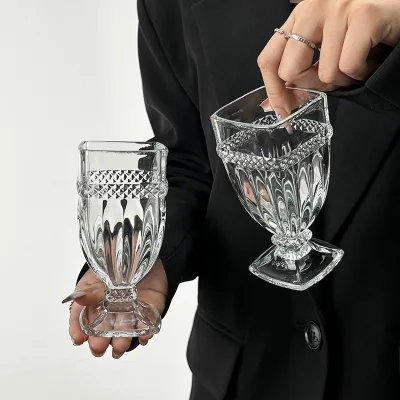
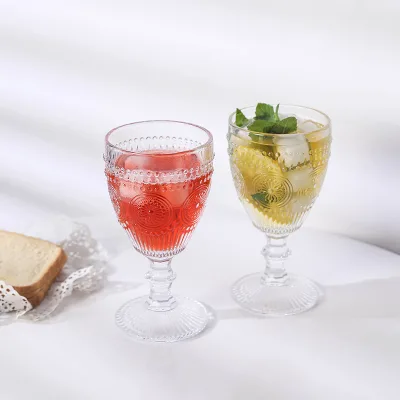
The specific models observed, such as the "Black Stemmed Cocktail Glass" and "Champagne Flute," cater to different service needs. The stemmed design is particularly relevant for maintaining the temperature of chilled beverages and preventing hand heat from affecting the drink's quality. The "Wine" shape and "Goblet" types indicate that the product line extends beyond simple cocktails to include wine service and dessert presentations. The "Commercial Buyer" data points to restaurants, beer and wine stores, and liquor stores as key target markets, suggesting that these glasses are often used for branding and enhancing the customer experience. The "Living Room" space attribute further confirms their relevance in home entertainment settings, where aesthetic presentation is crucial.
Supplier Evaluation and Sourcing Strategy
Evaluating suppliers for classic cocktail glassware requires a focus on their ability to handle customization and maintain consistent quality. The data indicates that suppliers offer OEM/ODM services and welcome customization, which is vital for buyers seeking a unique "Black Gold" aesthetic. The "Customized Packaging" and "Inner box+carton" options suggest that suppliers are equipped to handle branding and protective packaging requirements. Buyers should verify the supplier's location, with "Guangdong, China" and "China" listed as common origins, and confirm the port of dispatch, which includes Shenzhen, Qingdao, Shanghai, and Tianjin.
When assessing suppliers, buyers should look for those who demonstrate a clear understanding of the "Luxury" and "Classic" market segments. The availability of samples is a strong indicator of a supplier's confidence in their product quality. The "Sample" attribute, with a 3-5 day turnaround, allows buyers to physically inspect the finish, weight, and clarity of the glass before placing a bulk order. It is also important to verify the supplier's capacity to meet the "Supply Ability" of 3000 pieces per day, ensuring they can fulfill large orders without delays. The "Brand name" Goldland appears in the data, serving as an example of an established manufacturer, though buyers should conduct their own due diligence rather than relying on a single brand.
Quality Control and Long-Term Procurement Considerations
Maintaining quality in the procurement of glassware involves rigorous inspection protocols, particularly for items with decorative finishes like gold. The "Irregular Shape" and "Classic" style attributes imply that visual consistency is a key quality metric. Buyers should establish clear acceptance criteria for the gold finish, ensuring it is even, free of chips, and securely bonded to the glass surface. The "Food grade" certification is a baseline requirement, but buyers should also request specific migration tests for the decorative elements to ensure they do not contaminate the beverage.
Long-term procurement considerations include the durability of the glass and the reliability of the supply chain. The "Borosilicate Glass" material mentioned in the data offers superior thermal shock resistance, which is beneficial for glasses used with hot or cold liquids. The "Carton" packing standard suggests a focus on protecting the product during transit, but buyers should verify the packaging details to ensure they meet their specific logistics needs. The "Customized Packaging" option allows for branding, which can be a strategic advantage for retailers and hospitality groups.
To ensure long-term success, buyers should build relationships with suppliers who offer flexible production capabilities. The ability to customize size, color, and model number (e.g., SX-0447, HJY-0060) provides the agility needed to adapt to changing market trends. The "OEM/ODM" welcome status indicates that suppliers are open to collaborative development, which can lead to exclusive designs that differentiate a buyer's brand in a competitive market.
Comparative Analysis of Product Models
To assist buyers in selecting the right product, the following table compares key attributes of the observed models. This comparison highlights the diversity in capacity, dimensions, and style available within the market.
| Model Number | Style | Capacity | Material | Certification | Key Feature |
|---|---|---|---|---|---|
| SX-0465 | Luxury | 101-200ml | Glass | CIQ, FDA | Black Stemmed Cocktail Glass |
| HJY-0062 | Other | <10 oz | Crystal | EEC, LFGB, FDA | Champagne Flute |
| HJY-0060 | Classic | <10 oz | Glass | Food Grade | Wine Shape |
| SX-0447 | Other | 300ml | Borosilicate Glass | Food Grade | Customized Size |
| GL28012 | Classic | 300ml | Glass | FDA, CE / EU | Goldland Brand |
This table illustrates that while the "Classic" style is a common theme, the technical specifications vary. Buyers seeking a specific capacity or material must cross-reference these details with their operational requirements. The presence of multiple certifications across different models suggests that buyers can find compliant products for various international markets, provided they verify the specific certification for the chosen model.
Final Procurement Recommendations
Sourcing a "Classic Black Gold Cocktail Glass" requires a balanced approach that prioritizes both aesthetic appeal and technical compliance. Buyers should begin by defining their specific needs regarding capacity, material, and design customization. The wide range of observed models, from 101ml to 300ml, and materials from standard glass to borosilicate, offers flexibility for different use cases. Verification of certifications like FDA, LFGB, and CE is essential to ensure safety and market access.
Cost management involves understanding the impact of customization on pricing and MOQ. The observed price range of $0.04 to $5.50 USD reflects the spectrum from basic to premium products, with gold finishes and luxury styles commanding higher prices. Buyers should leverage the sample support to validate quality before committing to large orders. Finally, establishing a relationship with a supplier who offers OEM/ODM services and has a robust supply chain will ensure long-term success in the competitive hospitality and retail markets. By adhering to these evidence-based guidelines, buyers can secure high-quality glassware that meets their specific operational and aesthetic requirements.
FAQs
What certifications do classic black gold cocktail glasses have?
These glasses typically hold FDA, CIQ, LFGB, EEC, CE, and ROHS certifications. Buyers must verify specific test reports for the gold finish to ensure no harmful substances leach into beverages during use.
Can I customize the color and size of these glasses?
Yes, customization for color and size is available for these products. Suppliers offer bespoke options for the black and gold aesthetic, though this often requires higher minimum order quantities and longer lead times than standard stock items.
What is the typical capacity range for these cocktail glasses?
The observed capacity ranges from 101-200ml up to 300ml, with some models listed under 10 oz. Buyers should select based on whether they need standard cocktail sizes or larger wine and mixed drink volumes.
How long does it take to receive a sample of the glass?
Sample support is available with a typical turnaround time of 3 to 5 days. This allows buyers to inspect the quality of the glass, the clarity, and the durability of the black and gold decorative finish before bulk ordering.
Which materials are used to manufacture these cocktail glasses?
Manufacturers use glass, crystal, and borosilicate glass for these products. Borosilicate glass offers superior thermal shock resistance, while crystal and standard glass provide options for decorative elegance and varying price points.
What is the minimum order quantity for custom black gold glasses?
The minimum order quantity ranges from 1 to 3000 units depending on the supplier and customization level. Custom finishes like black and gold plating often require higher MOQs to cover setup costs for molds and printing processes.
Where are these classic cocktail glasses typically manufactured?
These glasses are primarily manufactured in Guangdong, China, with dispatch ports including Shenzhen, Qingdao, Shanghai, and Tianjin. Buyers should confirm the specific origin and logistics capabilities when sourcing from different suppliers in this region.