Source Classic Coffee Scoop for Home, Cafe, and Restaurant Use
Explore 30 options for a Classic Coffee Scoop designed for precise measuring in home brewing, commercial cafes, and restaurant settings. Compare materials like plastic, bamboo, and stainless steel to find the right tool for your sourcing needs; compare the available evidence and request quotations based on your requirements.
Key considerations
Products List
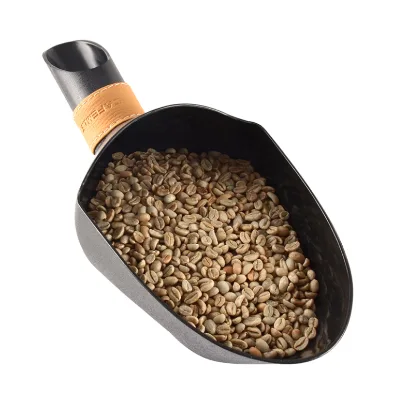

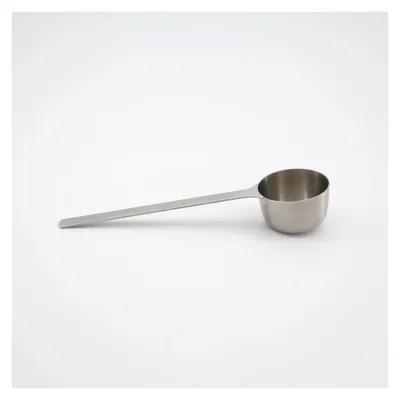
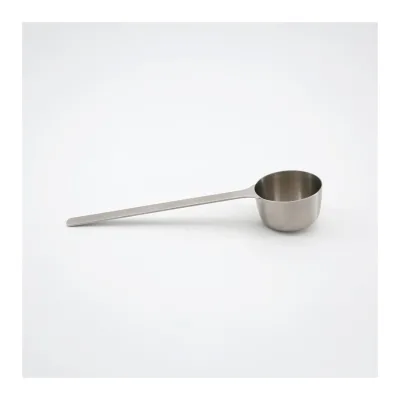


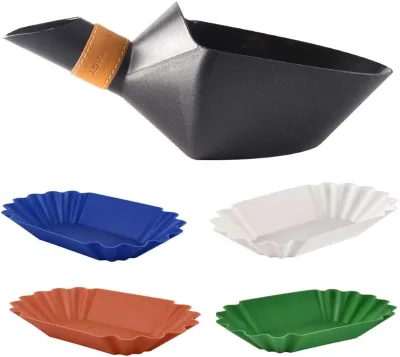


Comprehensive Sourcing Guide
Classic Coffee Scoop Sourcing Guide
Sourcing a Classic Coffee Scoop requires balancing aesthetic consistency with functional precision for both commercial and retail environments. Buyers must evaluate the observed product range, which includes materials like stainless steel, aluminum, and bamboo, alongside plastic options that offer distinct durability profiles. The market data indicates a price variance from $0.20 to $22.42, reflecting differences in material quality, finishing techniques, and customization levels.
Procurement decisions should prioritize the specific application scenario, whether for restaurant service, home brewing, or general retail stocking. The available listings show capacities ranging from approximately 40ml to 12-15g, with some units designed for larger 1KG or 2KG bulk handling. Understanding these volume distinctions is critical before selecting a supplier, as the intended use dictates the necessary tolerance levels and handle ergonomics for the final user.
Product Scope and Observed Listing Signals
The current market presents a diverse array of coffee scoops categorized by style, ranging from modern designs to traditional handmade finishes. Listings frequently highlight eco-friendly attributes and stock availability, suggesting a ready supply chain for immediate deployment. Buyers should note that while some products feature customizable logos and OEM services, others are sold as single items with fixed specifications, requiring careful filtering to match brand identity requirements.
Material composition is a primary signal for product differentiation, with stainless steel and aluminum offering robustness for high-volume use, while bamboo and wood provide a natural aesthetic for boutique settings. The observed color palette includes black, silver, gold, and rose gold, allowing for versatile integration into existing kitchenware collections. However, the presence of both single-item and bulk packaging options necessitates a clear definition of order volume to avoid logistical mismatches during the initial procurement phase.
Technical Specifications to Verify
Buyers must rigorously verify physical dimensions and weight specifications to ensure compatibility with existing storage and dispensing systems. The observed single package sizes vary significantly, from compact 17x4.5x3cm units to larger 50x25x25cm configurations, directly impacting shipping costs and warehouse space allocation. Additionally, the single gross weight ranges from 0.300 kg to 1.000 kg, which influences freight calculations and potential damage risks during transit if not properly padded.
Capacity and volume accuracy are equally critical technical parameters that define the scoop's utility in professional settings. While some units are specified with a precise volume of approximately 40ml, others are categorized by weight capacity such as 12-15g or bulk handling up to 2KG. Verification of the prod_model and standard specifications is essential, as some listings indicate customizable standards while others adhere to fixed dimensions like 1-inch measurements, requiring explicit confirmation to prevent functional discrepancies.
Compliance and Safety Documentation
Ensuring that coffee scoops meet food contact safety standards is a non-negotiable aspect of the procurement process, particularly for products intended for commercial restaurant use. Although specific certification names are not universally listed in the provided data, buyers must request documentation confirming that materials like stainless steel, aluminum, and bamboo are food-grade and free from harmful leaching agents. This verification is especially important for items marketed as eco-friendly or handmade, where processing methods may vary.
Documentation regarding the manufacturing process and origin is also vital for supply chain transparency and regulatory compliance. The observed place of origin is China, and while some products are described as handmade, others utilize industrial weaving or molding techniques. Buyers should demand proof of compliance with relevant international food safety standards for the specific material used, ensuring that the final product does not introduce contaminants into the coffee brewing process or violate import regulations in the destination market.
Cost Drivers and Commercial Terms
The final landed cost of a Classic Coffee Scoop is heavily influenced by material selection, customization requirements, and packaging complexity. Stainless steel and aluminum options generally command higher price points compared to plastic or basic bamboo variants, while the inclusion of custom logos and OEM services adds a layer of variable cost. The observed MOQ range of 1 to 1000 units allows for flexibility, but bulk orders often unlock better unit economics, provided the buyer can manage the associated inventory holding costs.
Commercial terms such as payment methods and sample availability play a significant role in the financial risk profile of the transaction. Trade Assurance is a noted payment option, offering a layer of protection for the buyer, while the support for free samples allows for physical quality assessment before committing to larger volumes. Buyers must also account for packaging costs, as options range from simple polybags to color boxes and palletized cartons, each carrying different unit costs and environmental implications for the final product presentation.
Supplier Qualification and Quality Control
Evaluating supplier capability requires a deep dive into their production capacity and quality control protocols, particularly given the mix of handmade and industrial manufacturing processes observed. Suppliers offering customizable models and logos must demonstrate consistent quality control to ensure that personalization does not compromise the structural integrity or finish of the scoop. The availability of stock items suggests a mature supply chain, but buyers should still audit the supplier's ability to maintain consistency across large production runs.
Quality control checks should focus on the durability of the finish and the accuracy of the volume measurement, as these are common failure points in low-cost scoops. The observed variety in materials, from unicolor plastics to multi-finish metals, requires specific testing for corrosion resistance and wear. Buyers should request evidence of process adherence, such as hand-weaving techniques or standard molding procedures, to ensure that the product meets the expected performance standards for its intended application scenario.
Long-Term Procurement Checks
Establishing a long-term partnership with a coffee scoop supplier involves monitoring consistency in product specifications and supply chain reliability over time. Buyers should track whether the observed single package sizes and gross weights remain stable across multiple orders, as fluctuations can indicate changes in manufacturing partners or material sources. Regular audits of the customization process are necessary to ensure that logos and branding remain sharp and durable, maintaining the brand's professional image in the market.
Continuous evaluation of the supplier's ability to adapt to market trends is also crucial for maintaining a competitive edge. The market shows a trend toward eco-friendly and modern styles, so suppliers must demonstrate agility in updating their product lines to meet evolving consumer preferences. Maintaining open communication regarding lead times and capacity constraints will help mitigate risks of stockouts, ensuring that the procurement of these essential coffee tools remains seamless and aligned with broader business objectives.
FAQs
What materials are used for classic coffee scoops?
Classic coffee scoops are available in plastic, stainless steel, aluminum, and bamboo wood. These materials ensure durability and suitability for various kitchen environments. Buyers can select based on specific needs for eco-friendly options or heavy-duty usage in commercial settings.
Can I customize the logo on these scoops?
Yes, logo customization is available for most Classic Coffee Scoop models. Suppliers accept OEM requests allowing brands to add their specific designs. This service supports marketing efforts while maintaining the functional integrity of the measuring tool for professional or home use.
What is the typical capacity of a coffee scoop?
Typical capacities range from approximately 40ml to 12-15 grams per scoop. Some larger units are designed for 1KG or 2KG storage capacities. The specific volume depends on the model selected, ensuring accurate measurement for different brewing requirements and portion sizes.
Which packaging options are available for bulk orders?
Packaging options include white boxes, color boxes, OPP bags, and carton palletizing. Single items are often packed individually, while bulk orders utilize standardized cartons. This flexibility supports both retail presentation and efficient logistics for large-scale distribution channels.
How do I find suppliers with low MOQ requirements?
Suppliers offer minimum order quantities starting from 1 piece up to 1000 pieces. Some vendors list specific MOQs like 48 pieces for certain models. Buyers can filter options to find partners who accommodate smaller initial orders or larger volume commitments.
Are these scoops suitable for restaurant and home use?
Yes, these scoops are designed for general application scenarios including restaurants and homes. They are non-disposable and built for repeated use in various settings. The versatile design supports both professional barista tasks and everyday household coffee preparation needs.
What colors are available for classic coffee scoops?
Available colors include black, silver, golden, rose gold, and unicolor options. Metal finishes provide a modern aesthetic suitable for contemporary kitchens. Buyers can choose specific hues to match existing decor or branding requirements for a cohesive look.