Source Classic Ceramic Octopus Plant Holder for Home, Office, and Garden
Compare 30 listings for the Classic Ceramic Octopus Plant Holder suitable for desktop, wall, and home decoration. Buyers can review specifications like material, size, and customization options from verified Chinese manufacturers.
Key considerations
Products List
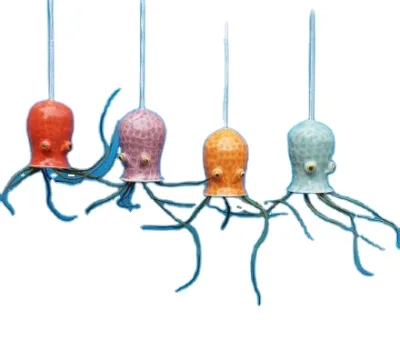
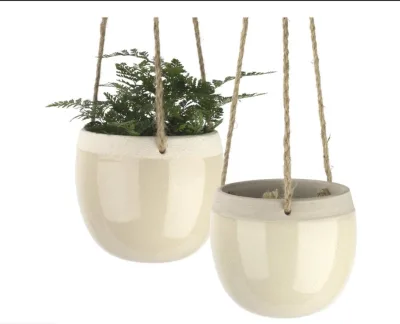
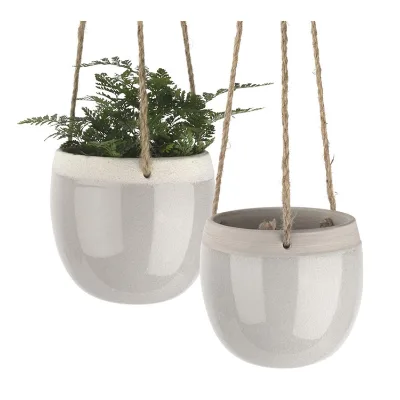
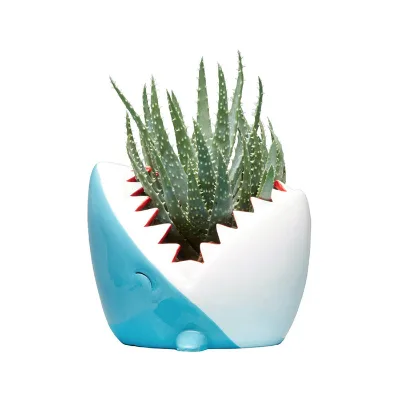
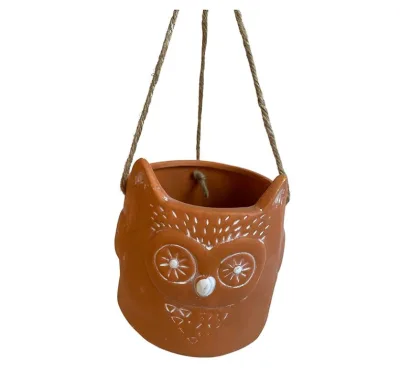
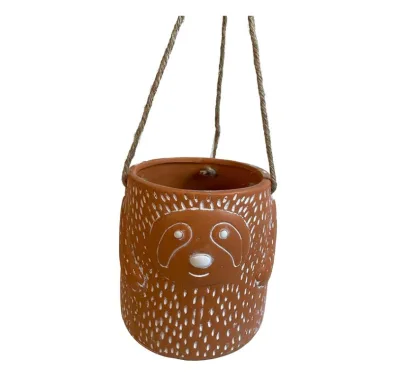


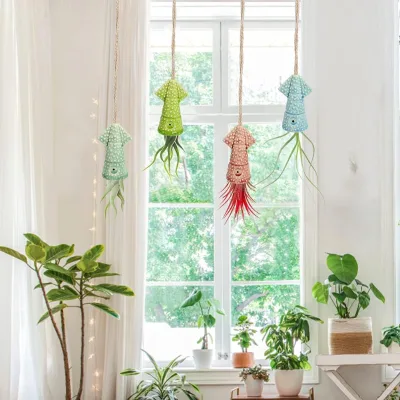
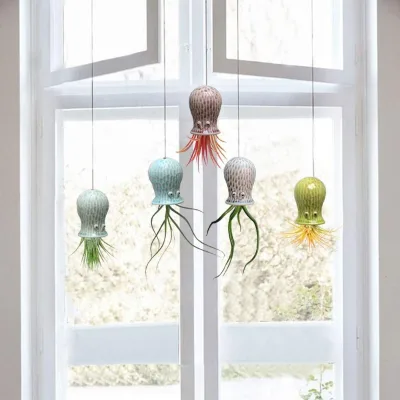

Stand Ceramic Plant Pot Unique Modern Wood Planter Holder Drainage Flower Pots
$2.37 - $2.57
MOQ: 390 Pieces

Terrarium Wooden Air Planter Metal Swivel Holder Retro Tabletop Plant Stand
$2.10 - $2.30
MOQ: 435 Pieces





Comprehensive Sourcing Guide
Classic Ceramic Octopus Plant Holder Sourcing Guide
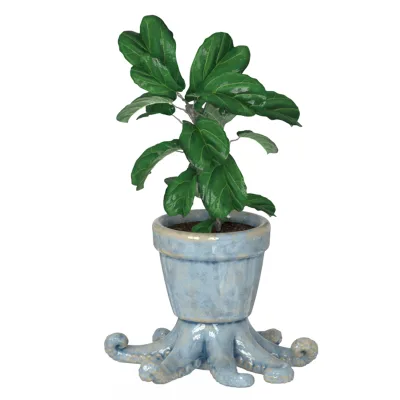
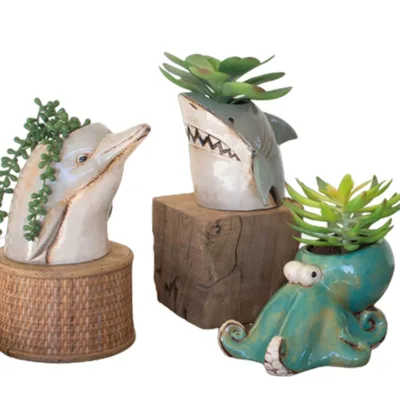
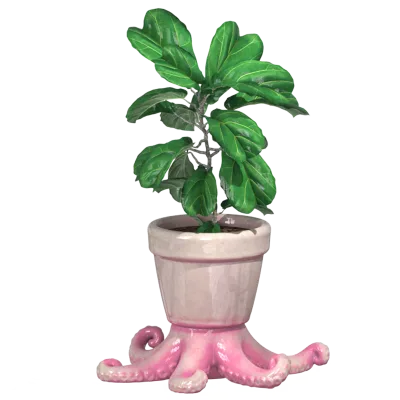
Sourcing decorative ceramic planters with unique, sculptural designs requires a careful balance between aesthetic appeal and functional reliability. The "Classic Ceramic Octopus Plant Holder" represents a niche segment within home decor, where the primary value proposition lies in its artistic form rather than utilitarian simplicity. Buyers must recognize that these items are often categorized under general ceramic planters or terrariums, meaning the specific "octopus" design may be a stylistic variation of a broader product line. Understanding this classification is crucial for effective supplier communication, as manufacturers may list these items under generic terms like "ceramic planter," "artificial plant holder," or "modern ceramic pot" to maximize search visibility.
The procurement process for such specialized items involves navigating a market that blends traditional ceramic manufacturing with contemporary design trends. While the core material remains ceramic, the final product may incorporate resin components or mixed materials to achieve complex shapes that are difficult to mold in pure clay. Buyers should be prepared to encounter variations in material composition, such as resin/ceramic hybrids, which can affect both the weight and the durability of the final product. This guide provides a structured approach to evaluating suppliers, verifying technical specifications, and ensuring that the final product meets both aesthetic and quality standards for your specific market needs.
Product Scope and Observed Listing Signals
The observed market signals indicate a diverse range of product attributes that buyers must reconcile when sourcing classic ceramic planters. Listings frequently highlight attributes such as "Classic" and "Modern" styles, suggesting that the design language can vary significantly between suppliers. The material composition is another critical variable, with some products identified as pure ceramic, while others are described as resin or a combination of resin and ceramic. This variation impacts the tactile quality, weight, and manufacturing process, requiring buyers to specify their preferred material composition clearly in their requests for quotation. The presence of "Customized Logo" and "Customization: Available" attributes indicates that many suppliers are open to OEM and ODM services, allowing for brand integration and unique design modifications.
Application and usage contexts further define the scope of these products. While some listings specify "Desktop" or "Wall" applications, others emphasize "Home Decoration" or use with "Flower/Green Plant." This suggests that the octopus plant holder may serve multiple functions, from holding small potted plants to acting as a standalone decorative sculpture. The observed price range of $0.65 to $15 USD and MOQs between 100 and 3000 pieces reflect the variability in production complexity and order volume. Buyers should note that "Artificial" style attributes may refer to the aesthetic finish rather than the material itself, indicating a focus on visual appeal over naturalistic replication. Understanding these signals helps in filtering suppliers who can meet specific volume and design requirements.
Technical Specifications to Verify
Verifying technical specifications is essential to ensure that the product meets your functional and logistical requirements. Key dimensions such as single package size (e.g., 15x15x13 cm or 10x6.5x11.5 cm) and gross weight (0.200 kg to 0.300 kg) directly impact shipping costs and storage efficiency. Buyers must confirm whether the "customized" size attribute refers to the product dimensions or the packaging, as this distinction affects freight calculations. Additionally, the model number (e.g., 1108 or SHHP002) serves as a unique identifier for quality control and reordering, so it is crucial to lock in specific model numbers during the sampling phase to avoid receiving different variations in bulk orders.
The manufacturing process and material integrity are also critical technical aspects. Suppliers may offer products with certifications like ISO, but buyers should verify if these apply to the manufacturing facility or the product itself. The "Factory Audit" standards, such as BSCI and FSC, provide insight into the supplier's operational practices, though they do not guarantee product quality. Buyers should request detailed technical drawings or 3D models to verify the structural stability of the octopus design, ensuring that the center of gravity allows for safe placement on desktops or shelves. Furthermore, confirming the "Sample time" of 10-15 days or 13 days helps in planning the procurement timeline, as delays in sampling can cascade into production delays.
Compliance and Safety Documentation
Compliance and safety documentation are vital for importing decorative ceramics, particularly when targeting markets with strict regulatory requirements. Buyers should verify if the supplier holds relevant certifications, such as ISO for quality management or BSCI for social compliance, which can facilitate smoother customs clearance and enhance brand credibility. While specific test results for lead content or food safety are not explicitly listed, ceramic products intended for home decoration may still require compliance with international standards for heavy metal leaching, especially if they are used to hold plants that may come into contact with soil or water.
Packaging details also play a role in compliance and product safety. The observed "white box+safety carton" packaging suggests an effort to protect the fragile ceramic items during transit. Buyers should ensure that the packaging meets international shipping standards to prevent damage, which can lead to high return rates and customer dissatisfaction. Additionally, verifying the "Port of dispatch" (e.g., Xiamen) and the "Place of origin" (Fujian, China) helps in assessing the logistical reliability and potential tariffs associated with the shipment. Buyers should also confirm if the supplier provides any product-specific safety data sheets or compliance certificates required by their target market, such as California Proposition 65 warnings for ceramic products.
Cost Drivers and Commercial Terms
Understanding the cost drivers for classic ceramic octopus planters involves analyzing material, labor, and logistics factors. The use of mixed materials, such as resin and ceramic, can influence the unit cost, with resin components potentially offering cost savings but affecting the perceived value. The "Customized Logo" and "ODM" capabilities add to the cost due to the additional design and tooling expenses. Buyers should negotiate clearly on whether the quoted price includes packaging, labeling, and any customization fees, as these can significantly impact the final landed cost. The observed MOQ range of 100-3000 pieces suggests that larger orders may benefit from economies of scale, but buyers must balance this with inventory holding costs.
Commercial terms such as payment methods, lead times, and return policies are critical for risk management. The "Sample time" of 10-15 days indicates that initial prototyping is relatively quick, but bulk production lead times may vary. Buyers should establish clear milestones for production updates and quality inspections to avoid delays. Additionally, verifying the "Supply Ability" of 50000 pieces per month helps in assessing the supplier's capacity to handle large orders without compromising quality. Buyers should also consider the impact of currency fluctuations and shipping costs, which can vary based on the "Port of dispatch" and global logistics conditions.
Supplier Qualification and Quality Control
Supplier qualification is a multi-step process that goes beyond verifying basic company information. Buyers should conduct thorough due diligence on the supplier's manufacturing capabilities, including their factory audit status (e.g., BSCI, FSC) and their experience with OEM/ODM projects. The "Type of Manufacturer: OEM" attribute suggests that the supplier is equipped to handle custom orders, but buyers should request references or case studies to verify their track record. Additionally, verifying the supplier's "Development Tech" and "Customization" capabilities ensures that they can meet specific design requirements, such as the unique octopus shape.
Quality control measures are essential to ensure consistency in the final product. Buyers should implement a robust QC plan that includes pre-production samples, in-line inspections, and final random inspections. Given the fragile nature of ceramic products, special attention should be paid to the packaging integrity and the structural stability of the octopus design. Buyers should also verify the supplier's ability to handle defects and returns, as this can impact the overall cost and customer satisfaction. Establishing clear quality standards and acceptance criteria before production begins helps in minimizing disputes and ensuring that the final product meets your expectations.
Long-Term Procurement Checks
Long-term procurement success depends on building a sustainable relationship with your supplier and continuously monitoring performance. Buyers should establish regular communication channels to discuss production updates, quality issues, and market feedback. This ongoing dialogue helps in identifying potential problems early and fostering a collaborative environment. Additionally, buyers should periodically review the supplier's compliance status and quality metrics to ensure that they continue to meet your standards. The "Customized Logo" and "ODM" capabilities suggest that there is potential for ongoing product development, which can help in keeping your product line fresh and competitive.
Finally, buyers should remain vigilant about market trends and regulatory changes that may impact the procurement of ceramic planters. Staying informed about new design trends, material innovations, and compliance requirements helps in making informed decisions and adapting to market shifts. By maintaining a proactive approach to supplier management and quality control, buyers can ensure a steady supply of high-quality classic ceramic octopus planters that meet the needs of their customers. This long-term perspective helps in building a resilient supply chain that can withstand disruptions and capitalize on new opportunities.
FAQs
What material is used for the Classic Ceramic Octopus Plant Holder?
The product is primarily made of ceramic, though some variants may include resin or a combination of both materials. This ensures durability while maintaining the classic aesthetic required for home decoration purposes.
Can I request a customized logo on the ceramic planter?
Yes, customized logos are available for this product. Buyers can work with manufacturers to apply specific branding, provided they meet the minimum order quantity requirements and agree to the sample timeline.
What is the typical sample time for these ceramic planters?
The sample time ranges from 10 to 15 days, with some specific listings indicating a 13-day turnaround. This duration allows for quality checks before the bulk production begins.
Which certifications do the factories producing these items hold?
Factories producing these items hold BSCI and FSC factory audit certifications. These standards ensure ethical manufacturing practices and sustainable sourcing of materials used in the ceramic and resin components.
How is the product packaged for safe shipping?
The items are packed in white boxes with safety cartons to prevent damage during transit. Each single package typically weighs around 0.2 to 0.3 kg and measures approximately 15x15x13 cm.
What is the minimum order quantity for these planters?
The minimum order quantity is 300 pieces for standard orders, though some listings may require up to 3000 units. Buyers should verify specific MOQs with the supplier before placing an order.
Where are these ceramic planters manufactured?
These products originate from Fujian, China, with dispatch ports located in Xiamen. The manufacturing facilities are situated in this region, known for its ceramic production capabilities.