Source Classic Ceramic Coffee Mug for Daily Use, Gifts, and Promotions
Find a Classic Ceramic Coffee Mug from 30 available options tailored for daily use, promotional events, and gift giving. Compare features like heat preservation, eco-friendly materials, and customization services to select the ideal supplier for your business needs.
Key considerations
Products List


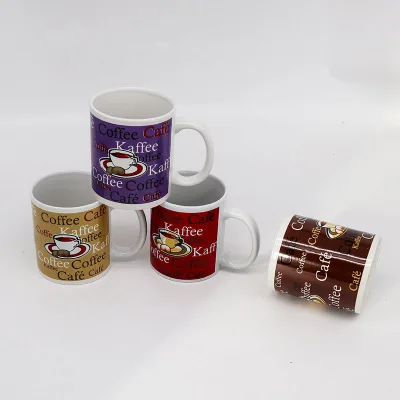
Promotion Classic Porcelain Drinking Coffee Mug Custom Printing Ceramic Tea Mug
$0.80 - $2.00
MOQ: 5000 Pieces


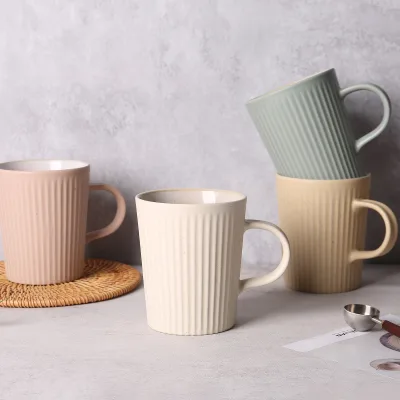
Ceramic Mug Color Glazed Ceramic Coffee Mug
$4.00 - $8.00
MOQ: 1000 Pieces
Chaozhou City Cha'an District Fengtang Town Sai Si Ceramics Factory




$1.50 - $2.30
MOQ: 1000 Pieces


Comprehensive Sourcing Guide
Classic Ceramic Coffee Mug Sourcing Guide
Sourcing classic ceramic coffee mugs requires a careful balance between aesthetic simplicity and functional durability, particularly when dealing with bulk orders for corporate gifting, retail distribution, or hospitality supply. The market for these items is characterized by a wide variance in manufacturing techniques, ranging from mass-produced glazed ware to hand-painted artisanal pieces. Buyers must navigate this spectrum by clearly defining their quality thresholds, customization needs, and volume requirements before engaging with suppliers. The following guide provides a structured approach to evaluating suppliers, verifying technical specifications, and ensuring commercial terms align with your procurement goals.
This guide focuses on evidence-based verification steps rather than speculative market trends. It draws upon observed listing signals, such as material composition, structural design, and packaging standards, to help buyers make informed decisions. By adhering to the verification protocols outlined in each section, procurement teams can mitigate risks associated with product defects, compliance failures, and supply chain disruptions. The objective is to establish a robust sourcing framework that ensures consistency, safety, and value across all purchased units.
Product Scope and Observed Listing Signals
The observed product landscape for ceramic mugs reveals a strong emphasis on versatility and customization, with listings frequently highlighting attributes such as "Eco-Friendly" materials, "Simple" or "Creative" styles, and specific structural designs like single-layer ceramic cups. Buyers should note that while many suppliers claim high-temperature resistance and heat preservation capabilities, these are often general assertions rather than guaranteed performance metrics for every SKU. The presence of customization options, including OEM services and logo acceptance, indicates that most manufacturers are equipped to handle branded orders, but the extent of this capability varies significantly between suppliers.
Packaging and origin data provide critical insights into the logistical and quality expectations of potential suppliers. Observed listings indicate that products often originate from China, with specific manufacturing hubs like Fujian being prominent sources for pottery and porcelain items. Packaging standards vary from simple box configurations to standard export cartons, with some suppliers specifying precise unit counts per carton, such as 48 pieces. Buyers must verify these packaging details to ensure they align with their storage and distribution capabilities, as improper packaging can lead to breakage during transit, especially for fragile ceramic goods.
Technical Specifications to Verify
Technical verification begins with confirming the material composition and structural integrity of the mugs. Listings frequently cite "Porcelain" and "Pottery" as primary materials, with some products featuring glazed finishes or hand-painted designs. Buyers should request detailed material specifications to distinguish between high-fired porcelain, which offers superior durability and translucency, and lower-grade pottery that may be more porous and prone to chipping. Additionally, the presence of accessories such as lids should be confirmed, as this affects the mug’s functionality for hot beverages and its suitability for specific use cases like travel or office environments.
Dimensional accuracy and capacity are critical for ensuring product consistency, especially when custom designs are involved. Observed specifications include a range of dimensions, from compact mugs with a top diameter of 7.8 cm to larger vessels with a top diameter of 11.3 cm and a capacity of 900 ml. Buyers must verify that the supplier can maintain tight tolerances for these dimensions, as deviations can impact packaging efficiency and shelf presentation. Furthermore, weight specifications, such as 320g for certain models, should be cross-referenced with material density to ensure that the product meets the expected quality and sturdiness standards.
Compliance and Safety Documentation
Compliance with food safety standards is non-negotiable for ceramic tableware, as improper glazing or firing can lead to the leaching of heavy metals like lead and cadmium into beverages. Buyers must require suppliers to provide test reports from accredited laboratories confirming that the glazed surfaces meet international food contact safety regulations, such as those set by the FDA or EU directives. While some listings mention quality standards like "a-B Grade," buyers should not rely on these internal classifications alone and must insist on third-party verification to ensure the products are safe for daily use and health care applications.
Environmental and ethical compliance is increasingly important for modern procurement strategies, particularly when marketing products as "Eco-Friendly." Buyers should inquire about the supplier’s environmental management practices, including waste reduction during the manufacturing process and the sustainability of raw material sourcing. Although ISO9001 certification is mentioned in some contexts, it is a quality management standard rather than an environmental one, so buyers should seek additional certifications or audits that specifically address environmental impact. Verifying these aspects helps mitigate reputational risk and aligns the procurement process with broader corporate sustainability goals.
Cost Drivers and Commercial Terms
Cost structures for ceramic mugs are influenced by several key factors, including material quality, customization complexity, and order volume. High-temperature resistant and hand-painted mugs typically command higher prices due to the additional labor and specialized firing processes involved. Buyers should analyze the price-to-quality ratio by comparing unit costs against the observed specifications, such as wall thickness and glaze finish, rather than focusing solely on the lowest price. Understanding these cost drivers allows for more accurate budgeting and prevents unexpected expenses related to rework or quality disputes.
Commercial terms, including minimum order quantities (MOQ) and payment conditions, vary widely across the supplier base. Observed MOQs range from 50 to 5000 pieces, reflecting the flexibility of different manufacturers to accommodate both small trial orders and large-scale production runs. Buyers should negotiate terms that align with their inventory management strategies, considering factors like storage capacity and cash flow. Additionally, clear agreements on lead times and shipping responsibilities are essential to avoid delays, especially when dealing with customized products that require additional production time for design approval and printing.
Supplier Qualification and Quality Control
Supplier qualification involves a thorough assessment of manufacturing capabilities and quality control processes. Buyers should verify that suppliers have dedicated production lines for ceramic mugs and employ rigorous inspection protocols at various stages of production, from raw material intake to final packaging. Requesting samples is a critical step in this process, allowing buyers to physically assess the product’s finish, weight, and durability. Suppliers who are transparent about their quality control measures and willing to accommodate pre-shipment inspections are generally more reliable partners for long-term procurement.
Quality control should also extend to the packaging and labeling processes, as these are common points of failure in international shipments. Buyers must ensure that suppliers use appropriate protective materials, such as foam inserts or dividers, to prevent breakage during transit. Additionally, labeling accuracy is crucial for compliance and inventory management, so buyers should verify that all products are correctly marked with model numbers, batch codes, and safety warnings. Establishing a clear quality agreement with the supplier, including defined acceptance criteria and remedies for non-conforming goods, helps protect the buyer’s interests and ensures consistent product quality.
Long-Term Procurement Checks
Long-term procurement success depends on continuous monitoring of supplier performance and product quality. Buyers should implement a system for tracking key performance indicators, such as defect rates, on-time delivery percentages, and responsiveness to issues. Regular audits, whether on-site or virtual, can help identify potential problems before they escalate and ensure that the supplier maintains their quality standards over time. Building a strong relationship with the supplier through open communication and collaborative problem-solving can lead to better pricing, priority production, and improved service levels.
As market trends and consumer preferences evolve, buyers must remain agile in their sourcing strategies. This may involve exploring new suppliers, adjusting product specifications, or diversifying the supply base to mitigate risks. Staying informed about industry developments, such as new glazing technologies or sustainability initiatives, can provide competitive advantages and enhance product offerings. By maintaining a proactive approach to supplier management and quality assurance, buyers can ensure that their Classic Ceramic Coffee Mug procurement remains efficient, cost-effective, and aligned with their business objectives.
FAQs
What customization options are available for these mugs?
Customization is available for these ceramic mugs, including customized designs, logos, and colors. Buyers can request specific shapes and sizes, with options for OEM and ODM services to meet unique branding needs.
Which materials are used to manufacture these ceramic cups?
These mugs are primarily made from porcelain and pottery materials. The products feature a single-layer ceramic structure with glaze techniques, ensuring durability and a simple yet creative style suitable for daily use.
Can these mugs withstand high temperatures during use?
Yes, these mugs are designed to withstand high temperatures and offer heat preservation functions. They are suitable for promoting health care and daily use while maintaining structural integrity under thermal stress.
What are the standard packaging details for these products?
Standard packaging includes one piece per box and forty-eight pieces per carton. Some listings also mention standard export cartons or customized boxes, ensuring safe transport for promotional and gift purposes.
Which specifications are available for the ceramic mug models?
Available specifications include various dimensions such as 3.15x3.75x3.15 inches or specific millimeter measurements like 8.5cm top diameter. Models range from 320g weight to 900ml capacity, with options for customized sizes.
How can buyers request custom shapes or colors for orders?
Buyers can request custom shapes and colors as the product supports customized designs and custom colors. The manufacturer accepts OEM services and can tailor the product to specific requirements for weddings or gifts.
What is the origin location for these ceramic coffee mugs?
The products originate from China, with specific manufacturing locations noted in Fujian. This origin supports the production of eco-friendly mugs with hand-painted or glazed finishes for global distribution.