Source Tattoo Transfer Printing Stencil Printer for Cosmetic, Skin Care, Body Art
Find 30 Tattoo Transfer Printing Stencil Printer models from Zhejiang and China with Bluetooth or USB interfaces. Compare thermal paper options, battery capacities, and packaging details for cosmetic, skin care, and body art applications.
Key considerations
Products List


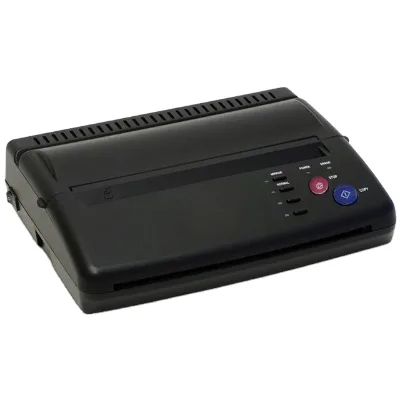

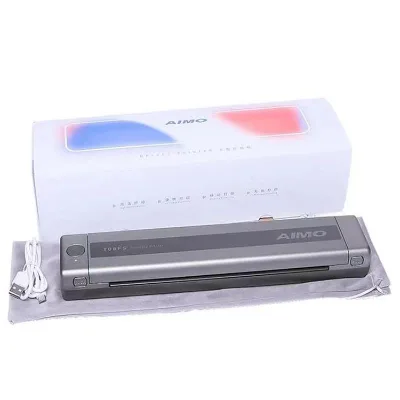
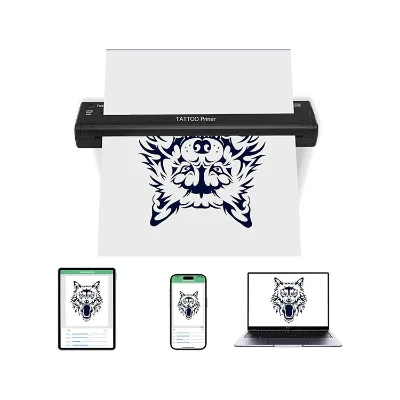
Comprehensive Sourcing Guide
Strategic Sourcing Guide for Tattoo Transfer Stencil Printers
The global demand for precision body art tools has elevated the tattoo transfer stencil printer from a niche accessory to a critical component in professional tattoo studios. For procurement specialists and business owners, sourcing these devices requires a nuanced understanding of technical specifications, material compatibility, and supply chain reliability. The market offers a diverse array of models, ranging from compact thermal units to larger format printers, each designed to meet specific workflow requirements. This guide provides a structured approach to evaluating tattoo transfer printing stencil printers, ensuring that procurement decisions are grounded in verifiable facts and industry best practices rather than marketing assertions.
Technical Specifications and Operational Capabilities
When evaluating a tattoo transfer stencil printer, the primary focus must be on the core operational mechanics that define print quality and workflow efficiency. The supplied data indicates that modern devices often utilize thermal inkjet or random inkjet technologies, which are essential for producing high-contrast stencils on thermal paper. A critical specification to verify is the print interface; current market offerings frequently support dual connectivity options, including both Bluetooth and USB interfaces. This hybrid approach allows for wireless operation via mobile devices or tablets while maintaining a stable wired connection for desktop setups.
Battery capacity is another pivotal technical factor, particularly for mobile tattoo artists who require portability. Observed specifications in the sector include lithium battery capacities ranging from 1500mAh to 2500mAh. A device with a 2500mAh battery, for instance, suggests extended operational time, reducing the frequency of recharging during long sessions. The power adapter requirements should also be scrutinized; a standard DC 5V / 2A input is common, ensuring compatibility with universal power sources. Furthermore, the working environment parameters are vital for device longevity. Buyers should verify that the unit is rated for temperatures between 0-45°C and humidity levels of 20-90%, as tattoo studios often have fluctuating environmental conditions due to cleaning protocols and client traffic.
The physical dimensions and weight of the printer directly impact portability. Data points suggest models with dimensions around 2679551mm and weights near 1350g, though variations exist. Some compact models may be described with dimensions like 10.42.31.2 inches, indicating a significantly lighter footprint. The print head life is a crucial metric for total cost of ownership; a specification of 50km indicates the durability of the print mechanism before replacement is necessary. Additionally, the maximum paper size supported, such as A4 or specific thermal roll sizes, determines the versatility of the stencil designs that can be produced in a single pass.
Material Composition and Build Quality
The construction materials of a tattoo transfer printer influence its durability, weight, and resistance to the harsh conditions of a tattoo studio. The supplied facts highlight a mix of materials, with Aluminium and Plastic being the most common. Aluminium components often provide structural rigidity and heat dissipation, which is beneficial for the internal electronics, while plastic housings offer a lighter, cost-effective exterior. Buyers must verify the specific material composition of the device they are considering, as a unit described as having a "Mini Type" construction may differ significantly in build quality from a larger "Carton" packaged industrial model.
The type of consumable paper is intrinsically linked to the printer's material design. Most devices in this category are designed specifically for Thermal Paper, which requires a print head capable of generating precise heat patterns without ink. The interface between the print head and the paper must be seamless to prevent smudging or incomplete transfers. The "Single Colour" attribute observed in the data suggests that these printers are optimized for black-and-white stencil generation, which is the industry standard for tattoo transfers. Verifying that the printer is compatible with high-quality thermal paper is essential to ensure that the resulting stencils are sharp and durable enough to withstand the stretching of skin during the tattooing process.
Compliance, Certification, and Safety Standards
In the B2B procurement of devices used in cosmetic and body art applications, compliance with safety standards is non-negotiable. The supplied context explicitly mentions CE and FDA certifications as available attributes for certain models. These certifications are critical indicators that the device meets specific safety and performance requirements for use in professional settings. The CE mark indicates conformity with health, safety, and environmental protection standards for products sold within the European Economic Area, while FDA certification suggests compliance with US regulatory standards for devices that may come into contact with the skin or be used in medical-adjacent procedures.
Buyers must treat these certifications as verification points rather than automatic assumptions. It is the responsibility of the procurement team to request and validate the specific certification documents for the exact model being purchased. The data also references a "Standard" of 2679551mm and 34413264mm, which likely refers to dimensional standards or packaging requirements rather than safety certifications. However, the presence of a "Certificate: CE /FDA" attribute in the product data serves as a strong signal that the manufacturer has undergone third-party testing. When evaluating suppliers, buyers should prioritize those who can provide up-to-date certification documentation, ensuring that the devices are safe for use in a professional environment where client safety is paramount.
Cost Drivers and Pricing Dynamics
The pricing of tattoo transfer stencil printers is influenced by a complex interplay of factors, including technology type, battery capacity, build materials, and certification status. The observed price range in the market spans from $8.9 to $155 USD, a significant variance that reflects the diversity of product offerings. Lower-priced units may be basic thermal printers with smaller batteries and simpler plastic housings, while higher-priced models likely feature advanced Bluetooth connectivity, larger batteries, and robust aluminium construction.
The Minimum Order Quantity (MOQ) is another critical cost driver, with observed ranges from 1 to 100 units. For small studios or individual practitioners, an MOQ of 1 allows for low-risk trial purchases. However, for larger procurement projects or distributors, negotiating an MOQ closer to 100 units can significantly reduce the per-unit cost. The "OEM /ODM: Acceptable" attribute suggests that many suppliers are willing to customize branding and specifications, which can impact the final price. Customization often involves additional tooling or setup costs, but it can be a strategic advantage for businesses looking to establish a unique brand identity. Buyers should analyze the total cost of ownership, including the cost of consumables like thermal paper and potential print head replacements, rather than focusing solely on the initial purchase price.
Supplier Evaluation and Supply Chain Reliability
Selecting the right supplier is as important as selecting the right product. The data indicates that products originate from Zhejiang, China, a major manufacturing hub known for its electronics and precision machinery. This geographic concentration suggests a mature supply chain with access to high-quality components and established logistics networks. However, buyers must verify the specific location and capabilities of the supplier to ensure they can meet delivery expectations.
The "OEM: Accept Customized" and "Advantage: Wireless, High Quality" attributes highlight the competitive nature of the market. Suppliers are differentiating themselves through customization options and technological features. When evaluating suppliers, buyers should look for those who offer comprehensive support, including clear communication regarding lead times and shipping methods. The "Shipping: by Air /Sea/Express" option indicates flexibility in logistics, allowing buyers to choose the method that best balances cost and urgency. Additionally, the "Packing: Box Package, Send by Express, Air, Sea, or Train" detail suggests that suppliers are experienced in handling various shipping requirements, which is crucial for international procurement.
Quality Control and Long-Term Procurement Considerations
Quality control in the manufacturing of tattoo transfer printers involves rigorous testing of print head life, battery performance, and interface stability. The "Print Head Life: 50km" specification is a key metric for quality assurance. Buyers should verify how this metric is tested and whether it is consistent across different production batches. Regular quality checks should also include the durability of the casing and the reliability of the Bluetooth and USB connections under various operating conditions.
Long-term procurement considerations extend beyond the initial purchase to include maintenance, support, and scalability. The "Disposable: Non-Disposable" attribute confirms that these are durable assets intended for repeated use, making the availability of spare parts and technical support essential. Buyers should establish a relationship with suppliers who can provide ongoing support, including firmware updates and troubleshooting assistance. The "Working Environment" specifications also play a role in long-term viability; ensuring the device can withstand the specific conditions of the studio environment will prevent premature failure. Finally, the "New Style: Bluetooth Version" trend indicates a shift towards more connected devices, suggesting that future-proofing the procurement strategy by selecting models with advanced connectivity will be beneficial for long-term operational efficiency.
Comparative Analysis of Key Product Attributes
To facilitate decision-making, the following table summarizes the key attributes observed in the market, helping buyers compare different models based on critical specifications.
| Attribute Category | Observed Specification / Range | Procurement Verification Point |
|---|---|---|
| Technology | Thermal Inkjet, Random Inkjet | Verify print head type and compatibility with thermal paper. |
| Connectivity | Bluetooth + USB, USB Type-C | Confirm wireless range and wired stability for studio use. |
| Battery | 1500mAh to 2500mAh | Check actual runtime under typical load conditions. |
| Materials | Aluminium, Plastic | Assess build quality and heat resistance of housing. |
| Dimensions | 2679551mm, 34413264mm | Ensure physical size fits the intended workspace. |
| Certifications | CE, FDA | Request valid certification documents for the specific model. |
| Print Head Life | 50km | Inquire about replacement costs and availability. |
| Packing | Box Package, Carton, 1set/Box | Verify packaging integrity for international shipping. |
| Origin | Zhejiang, China | Confirm supplier location and logistics capabilities. |
By systematically evaluating these attributes, buyers can navigate the complex landscape of tattoo transfer stencil printers with confidence. The goal is to secure a device that not only meets immediate operational needs but also aligns with long-term business goals, ensuring a reliable and efficient workflow in the professional tattoo industry.
FAQs
What connectivity options does the tattoo transfer printer support?
The device supports both Bluetooth and USB interfaces for flexible operation. This hybrid approach allows wireless printing from mobile devices or stable wired connections for desktop setups in professional studios.
Can the printer operate in varying studio environments?
Yes, the unit is rated for temperatures between 0-45°C and humidity levels of 20-90%. These parameters ensure reliable performance in studios with fluctuating conditions due to cleaning and client traffic.
Which battery capacity options are available for this model?
Lithium battery capacities range from 1500mAh to 2500mAh depending on the specific configuration. A 2500mAh battery offers extended runtime, reducing the need for frequent recharging during long tattoo sessions.
How is the print head durability measured for this printer?
The print head life is specified at 50km of continuous operation. This metric indicates the durability of the thermal mechanism before replacement becomes necessary, impacting the total cost of ownership.
What certifications are available for these tattoo stencil printers?
Certain models carry CE and FDA certifications for safety compliance. These marks indicate conformity with health and safety standards for products used in cosmetic and body art applications within regulated markets.
Which materials are used in the construction of the printer?
The device construction typically combines aluminium and plastic components. Aluminium provides structural rigidity and heat dissipation, while plastic housings offer a lighter, cost-effective exterior for the unit.