Source Clothing Accessories Cord Locks for Bags, Hats, and Garments
Explore 30 listings for Clothing Accessories Cord Locks available from suppliers in China. Buyers can compare features like material, customization options, and pricing to find suitable cord stoppers for bags, hats, and garments.
Key considerations
Products List






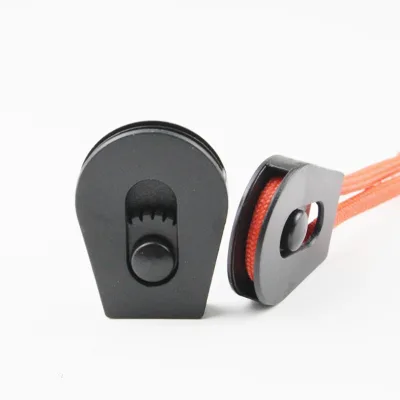
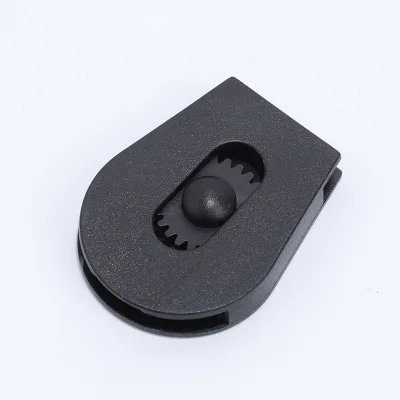


Comprehensive Sourcing Guide
Strategic Sourcing Guide for Clothing Accessories Cord Locks
The global market for clothing accessories is driven by the demand for functional, durable, and aesthetically pleasing hardware that enhances garment utility. Among these components, cord locks, often referred to as stoppers or rope stoppers, serve a critical role in adjusting drawstrings for hoodies, jackets, bags, and sportswear. For procurement professionals, sourcing these items requires a nuanced understanding of material science, regulatory compliance, and supply chain logistics. The following guide outlines the essential factors for evaluating and acquiring high-quality cord locks, ensuring that the final product meets both design specifications and safety standards.
Understanding Material Composition and Technical Specifications
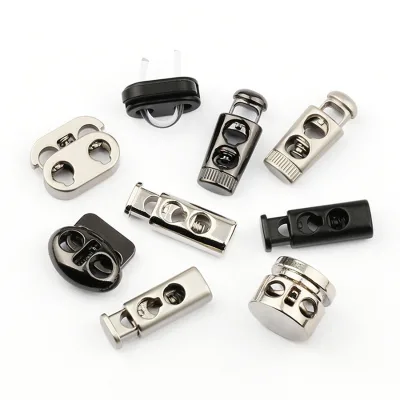
The foundation of a reliable cord lock lies in its material composition. The market offers a diverse range of options, primarily categorized by the core structural material. Plastic-based cord locks are prevalent due to their cost-effectiveness and versatility. Common polymers include Polyoxymethylene (POM), Polypropylene (PP), and Acrylonitrile Butadiene Styrene (ABS). These materials offer excellent resistance to wear and tear, making them suitable for high-friction applications like sweatpants and hoodies. In contrast, metal-based alternatives provide a more luxurious aesthetic and superior durability. Zinc alloy and various metal types are often utilized for premium outerwear and handbags, frequently featuring plating or painted finishes to enhance corrosion resistance and visual appeal.
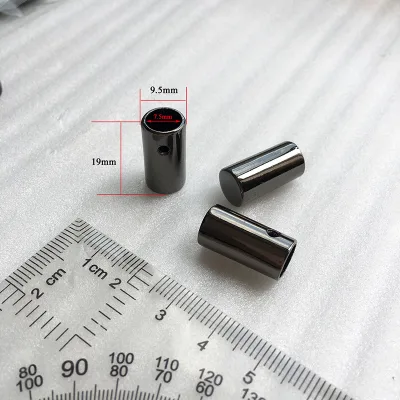
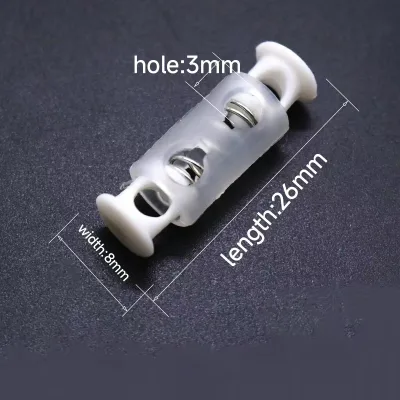
Technical specifications vary significantly based on the intended application. Dimensions are a critical factor; standard sizes often range from small configurations around 14mm to larger variants up to 19mm in length, with specific widths such as 7.5mm. The shape is predominantly round, designed to fit seamlessly into standard drawstring channels. Buyers must verify the "Adjustable" attribute, which ensures the mechanism can securely grip cords of varying thicknesses without slipping. Furthermore, the internal mechanism must be robust enough to withstand repeated tightening and loosening cycles. Whether the product is a "Cord Lock" or a "Rope Stopper," the functional geometry must align with the specific cord diameter of the garment or accessory being manufactured.
Compliance, Certification, and Safety Standards
In the realm of textile accessories, compliance is non-negotiable. Products intended for direct contact with skin or for use in children's clothing must adhere to strict safety regulations. A key certification to verify is the Oeko-Tex Standard 100. This certification ensures that the product has been tested for harmful substances and is safe for human use. When sourcing plastic or metal components, buyers should explicitly request proof of this certification to mitigate the risk of chemical exposure.
Beyond material safety, the manufacturing process must align with environmental and quality standards. Many suppliers now emphasize "Sustainable" and "Eco-Friendly" attributes, indicating a commitment to responsible production practices. While specific environmental standards may vary by region, the presence of such claims suggests a supplier's alignment with modern sustainability goals. Additionally, the "Customized" nature of many standards means that buyers may need to define specific quality benchmarks that go beyond generic industry norms. It is imperative to confirm that the supplier's quality control protocols cover the entire production run, not just sample batches, to ensure consistent compliance across large orders.
Cost Drivers and Pricing Dynamics
The pricing of cord locks is influenced by several variables, including material type, customization level, and order volume. The observed market data indicates a wide price range, typically spanning from $0 to $2.80 per unit. This variance is largely driven by the choice between plastic and metal materials. Plastic options, such as those made from POM or ABS, generally occupy the lower end of the price spectrum, offering an economical solution for mass-market apparel. Conversely, metal options featuring zinc alloy, plating, or intricate painted designs command higher prices due to the complexity of the manufacturing process and the cost of raw materials.
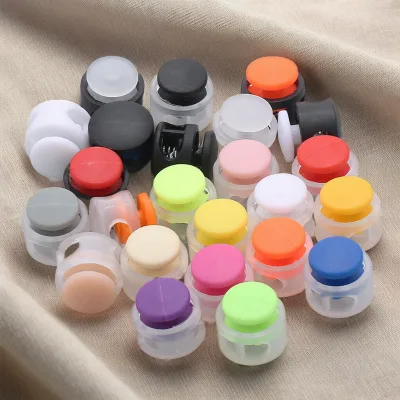
Order volume is another significant cost driver. Minimum Order Quantities (MOQ) typically start at 1,000 pieces, though some suppliers may offer flexibility down to 2 pieces for sampling purposes. The relationship between price and volume is inverse; as the order quantity increases, the unit cost generally decreases. However, buyers must balance cost savings with inventory management risks. Customization, such as adding a specific logo or selecting a unique color like white, black, or custom-matched hues, can also impact the final price. The complexity of the logo application or the need for specific color matching adds to the production time and cost. Therefore, a strategic approach involves calculating the total cost of ownership, including setup fees for custom molds or printing, rather than focusing solely on the unit price.
Typical Applications and Design Integration
Cord locks are versatile components found across a broad spectrum of industries. Their primary application is in the garment sector, specifically for items like jeans, overcoats, sweaters, and jackets where drawstring adjustment is necessary. In the fashion industry, the "Style" attribute is crucial; modern designs often feature a "Fashion" aesthetic that complements the overall look of the clothing. Beyond apparel, these accessories are integral to the bag and luggage industry, serving as functional closures for handbags, suitcases, and backpacks. They are also utilized in the toy and shoe industries, where safety and durability are paramount.
The application dictates the required features. For instance, a cord lock used on a heavy-duty overcoat must be highly durable and capable of gripping thick cords, whereas one used on a lightweight toy might prioritize softness and safety. The "Usage" list often includes hats, trousers, and garment accessories, highlighting the component's adaptability. Buyers should ensure that the selected cord lock matches the aesthetic and functional requirements of the specific product line. For example, a "Luxurious" element might be required for high-end handbags, while a "Washable" feature is essential for items that undergo frequent laundering.
Supplier Evaluation and Quality Control
Selecting the right supplier is as critical as selecting the right product. Suppliers should be evaluated based on their ability to provide samples, their customization capabilities, and their logistical reliability. The availability of samples is a standard requirement for verifying quality before committing to a large order. Buyers should look for suppliers who offer "High Quality" products and can provide samples upon contact. The "Stock" availability is another indicator of a supplier's readiness to fulfill orders quickly, reducing lead times for urgent production needs.
Quality control processes must be rigorous. Suppliers should demonstrate a commitment to "High Quality" through consistent manufacturing standards. The "Technics" employed, such as plating or painting, must be durable and resistant to fading or chipping. Buyers should verify the "Product Name" and "Model Number" accuracy to ensure that the specifications match the order requirements. Additionally, the packaging method, such as "OPP Bag Inner Packing" combined with "Outer Packing Standard Export," is vital for preventing damage during transit. A supplier's ability to maintain quality across different batches is a key metric for long-term partnership success.
Long-Term Procurement Considerations
Sourcing cord locks is not merely a transactional activity but a strategic decision that impacts the entire supply chain. Long-term considerations include the supplier's location, lead times, and flexibility. Many suppliers are located in manufacturing hubs like Guangdong and Zhejiang in China, which are known for their robust textile accessory industries. The "Place of Origin" can influence shipping costs and lead times. For instance, a supplier in Guangdong may offer different logistics advantages compared to one in Zhejiang.
Lead times are a critical factor in production planning. While some suppliers may offer a 7-day sample order lead time, bulk production lead times can vary. Buyers should establish clear expectations regarding delivery schedules to avoid production delays. The ability to customize, including logo acceptance and color matching, adds value but requires careful coordination. Furthermore, the "Standard" of the product, which may be customized, should be clearly defined to avoid misunderstandings.
To ensure long-term success, buyers should maintain open communication with suppliers regarding quality issues and market changes. The "Adjustable" nature of the product allows for some flexibility in application, but the supplier's responsiveness to feedback is essential. By focusing on suppliers who offer comprehensive support, from sample provision to export packaging, buyers can build a resilient supply chain that adapts to changing market demands.
Summary of Key Product Attributes
The following table summarizes the critical attributes observed in the current market for Clothing Accessories Cord Locks, aiding buyers in their evaluation process.
| Attribute Category | Key Observations | Verification Requirement |
|---|---|---|
| Material | Plastic (POM, PP, ABS) or Metal (Zinc Alloy) | Confirm material safety and durability for specific use. |
| Certification | Oeko-Tex 100 | Request valid certification documents for all batches. |
| Dimensions | Small: 14mm, Large: 17mm; Specific: 19*7.5mm | Match dimensions to cord thickness and garment channel. |
| Customization | Logo, Color, Shape, Standard | Define exact requirements for logos and color matching. |
| MOQ | Typically 1,000 PCS; Sample MOQ varies | Confirm minimum order quantities before negotiation. |
| Applications | Garments, Bags, Hats, Toys, Shoes | Ensure product fits the intended application environment. |
| Packaging | OPP Bag + Standard Export Carton | Verify packaging prevents damage during shipping. |
| Origin | Guangdong, China; Zhejiang, China | Consider logistics and lead times based on location. |
By adhering to these guidelines and maintaining a disciplined approach to verification, procurement professionals can secure high-quality cord locks that enhance their product lines while minimizing risk. The focus must remain on evidence-based decision-making, ensuring that every claim regarding quality, safety, and performance is substantiated by the supplier's documentation and sample testing.
FAQs
What materials are used for Clothing Accessories Cord Locks?
Cord locks are primarily made from plastic or metal. Common plastic types include POM, PP, and ABS, while metal options often use zinc alloy. These materials ensure durability and suitability for various garment applications.
Can I get a customized logo on these cord locks?
Yes, customized logos are available for these products. Buyers can request specific branding on the cord locks, which are often used for fashion garments, bags, and hats to enhance brand visibility.
What is the minimum order quantity for these items?
The standard minimum order quantity is 1000 pieces. Some suppliers may offer lower quantities for samples, but bulk orders typically require meeting this 1000-piece threshold to proceed with production.
Which certifications do these cord locks hold?
These products often carry the Oeko-Tex 100 certification. This ensures the items are tested for harmful substances and are safe for direct skin contact, making them suitable for children's clothing and sensitive applications.
How long does it take to receive a sample order?
Sample orders can be produced within 7 days. Suppliers support quick turnaround times for samples, allowing buyers to verify quality and specifications before committing to larger production runs.
Where are these cord locks manufactured?
Manufacturing takes place in Guangdong and Zhejiang, China. These regions are known for their robust textile accessory industries, offering reliable supply chains for various garment and bag hardware needs.
What packaging methods are used for export?
Products are packed in OPP bags with standard export outer cartons. This packaging method ensures the cord locks remain protected during transit and meet international shipping standards for safety and organization.