Source Coarse Nylon Fiber Polishing Disc for steel plate, floor, welding scar
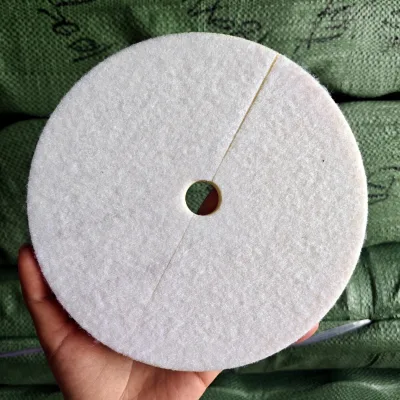
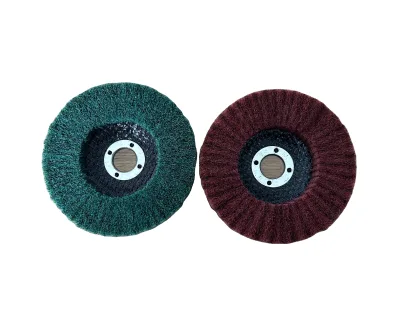
Compare 30 listings for the Coarse Nylon Fiber Polishing Disc used on steel plates, floors, and welding scars. Buyers can review specifications like grit, backing material, and packing options to find suitable suppliers for surface grinding and paint polishing tasks.
Key considerations
Products List






Comprehensive Sourcing Guide
Strategic Sourcing Guide for Coarse Nylon Fiber Polishing Discs
Technical Specifications and Material Composition
When sourcing coarse nylon fiber polishing discs, buyers must first establish a clear understanding of the technical architecture that defines product performance. The core component of these discs is the fiber backing, which serves as the structural foundation for the abrasive layer. In the current market, the backing material is frequently identified as fiberglass or a composite fiber blend, designed to withstand the high torque and heat generated during aggressive material removal. The abrasive component itself is critical; while some listings reference imported aluminum oxide, others specify natural abrasives or superabrasives depending on the intended grit size and application hardness. The grit range for these coarse discs typically spans from P36 to P320, with the "coarse" designation generally aligning with the lower end of this spectrum (P36-P60) to facilitate rapid stock removal.
The manufacturing process, or "technics," significantly influences the disc's durability and cutting efficiency. The supplied data indicates that production methods include sintering, conversion processing, and electroplating. Sintering involves fusing abrasive grains to the backing under heat and pressure, creating a robust bond suitable for heavy-duty grinding. Conversion processing suggests a chemical or mechanical bonding technique that may offer different flexibility characteristics. Electroplating, conversely, creates a single-layer bond of abrasive grains, often used for specialized superabrasive applications. The shape of the product is consistently round, with diameters ranging from 2 inches to 9 inches, including standard industrial sizes like 4.5 inches, 5 inches, 7 inches, and 9 inches. The backing attachment mechanism varies, with options including plastic or metal screw buckles, which must be compatible with the user's specific polishing machine spindle.
| Feature | Observed Variations | Sourcing Verification Point |
|---|---|---|
| Backing Material | Fiberglass, Plastic, Metal | Verify tensile strength and heat resistance |
| Abrasive Type | Natural, Superabrasive, Aluminum Oxide | Confirm grit material suitability for target substrate |
| Manufacturing | Sintering, Conversion, Electroplating | Match process to required bond strength |
| Diameter | 2" to 9" (e.g., 115mm, 125mm, 150mm) | Ensure compatibility with existing tooling |
| Working Style | Surface Grinding, Tool Grinding | Validate against intended operational speed |
Compliance, Certification, and Origin Verification
In the B2B procurement of abrasive tools, verifying the origin and adherence to standards is paramount for risk mitigation. The primary origin point for the majority of these products is China, with specific manufacturing hubs noted in Zhengzhou. However, buyers must also be aware of the "Original of Material" claims, where some high-end specifications cite materials sourced from Italy, specifically Bibielle, indicating a potential supply chain involving imported raw materials processed in China. This distinction is vital for buyers seeking premium quality assurance or specific material traceability.
Regarding standards, the product listings reference specific dimensional standards such as 100/4", 115/4.5", 125/5", 150/6", and 178/7", alongside metric equivalents like 115mm, 125mm, 150mm, and 180mm. While specific safety certifications (such as CE or ISO) are not explicitly detailed in the provided facts, the mention of "High Quality" and the rigorous standardization of dimensions imply a baseline of industrial compliance. Buyers should verify that the supplier can provide documentation confirming that the discs meet the safety requirements for the specific machinery being used, particularly regarding maximum operating speeds (RPM) which are often correlated with the disc diameter and backing material. The "Dry Use" specification is a critical compliance factor; these discs are designed for dry operation, meaning they are not suitable for wet grinding applications without specific modification or alternative product selection.
Cost Drivers and Pricing Dynamics
The pricing structure for coarse nylon fiber polishing discs is influenced by a complex interplay of material costs, manufacturing complexity, and order volume. The observed price range in the market spans from $0.05 to $150 USD per unit, a vast disparity that reflects differences in quality, size, and material composition. The lower end of the spectrum likely corresponds to smaller diameters, standard grits, and basic fiberglass backings, while the higher end encompasses larger diameters (such as 9 inches), superabrasive grains, or discs featuring imported backing materials.
The Minimum Order Quantity (MOQ) is another significant cost driver, ranging from 1 unit to 30,000 units. Suppliers offering an MOQ of 1 are typically catering to trial buyers or small workshops, often at a higher unit cost. Conversely, buyers purchasing at the 30,000-unit level can expect significant economies of scale, though this requires substantial capital commitment and storage capacity. The "Selling Units" are listed as single items, but the packaging data reveals bulk options like 50 pieces per box or 500 pieces per carton. Understanding the packaging configuration is essential for accurate cost calculation, as shipping costs for loose items versus boxed units can vary drastically. Additionally, the "Customization" attribute being available suggests that buyers can negotiate pricing based on specific requirements, such as custom grits, unique backing colors (Brown, Red, Blue), or tailored packaging, which may incur additional setup fees but reduce long-term operational costs.
Typical Applications and Operational Scope
The versatility of coarse nylon fiber polishing discs makes them suitable for a wide array of industrial and commercial applications. The primary scope of application includes steel plate processing, floor preparation, welding scar removal, and paint polishing. These discs are engineered for "Surface Grinding" and "Tool Grinding" working styles, making them ideal for heavy-duty material removal tasks. The "Anti-Clogging" and "Dust and Heat Fast" advantages are particularly relevant in environments where continuous grinding generates significant heat and debris.
For steel plate applications, the coarse grit (P36-P60) allows for rapid removal of mill scale, rust, and weld seams. In floor preparation, these discs are used to level concrete surfaces or remove old coatings prior to refinishing. The "Dry Use" specification is a critical operational constraint; these discs must be used with appropriate dust extraction systems to prevent respiratory hazards and equipment overheating. The compatibility with "polishers" as the applied machine type means that buyers must ensure their equipment can handle the torque and speed requirements of these aggressive discs. The "R type" and "S type" model designations likely refer to specific backing profiles or mounting configurations, which should be matched to the specific tooling available in the buyer's facility.
Supplier Evaluation and Customization Capabilities
When evaluating potential suppliers, buyers should prioritize those who demonstrate flexibility in customization and a clear understanding of the product's technical nuances. The "Customized support" attribute, specifically OEM (Original Equipment Manufacturer) capabilities, indicates that suppliers can produce discs with custom branding, specific grit distributions, or unique backing materials. This is particularly valuable for large enterprises that require branded tools for their workforce or specific performance characteristics not found in off-the-shelf products.
The "Craft" of sintering and the "Technics" of conversion processing or electroplating should be verified during the supplier audit. A supplier claiming to use sintering should be able to demonstrate the quality control measures associated with that process, such as bond strength testing. Furthermore, the "prod_packing" options, which include carton, pallet, and specific box quantities (e.g., 10PCS/Box, 200PCS/Carton), should align with the buyer's logistics and storage capabilities. The presence of "Other Ports" such as Qingdao, Tianjin, Ningbo, or Guangzhou suggests that the supplier has established export infrastructure, but buyers should confirm the specific port of loading to avoid unexpected shipping delays or costs.
Quality Control and Long-Term Procurement Strategy
Maintaining consistent quality in abrasive tools requires a robust quality control (QC) framework. Buyers should request evidence of "High Quality" claims through sample testing, focusing on parameters such as grit retention, backing integrity, and balance. The "Shape" being round is a standard, but any deviation from true circularity can cause vibration and uneven wear. The "Circular Degree" specification, noted as "<Cylindricity:<Material:Alumina," suggests a focus on geometric precision, which buyers should verify through dimensional inspection of received samples.
For long-term procurement, establishing a relationship with a supplier who offers "Customized" grits and backing options can provide a competitive advantage. The ability to source "Imported Aluminium Oxide" or specific "Surface Condition Materials" allows for tailoring the tool to specific production challenges. Buyers should also consider the "Advantage" of anti-clogging properties, as this directly impacts the lifespan of the disc and the efficiency of the grinding process. A supplier that can provide consistent "Dust and Heat Fast" performance reduces the frequency of disc changes, lowering the total cost of ownership.
| Procurement Factor | Strategic Consideration |
|---|---|
| Sample Testing | Verify grit retention and backing strength before bulk order |
| Customization | Leverage OEM capabilities for branded or specialized tools |
| Logistics | Confirm port of origin and packaging efficiency for cost control |
| Quality Assurance | Demand documentation on material origin and dimensional standards |
| Performance | Prioritize anti-clogging and heat resistance for continuous operation |
Conclusion
Sourcing coarse nylon fiber polishing discs requires a meticulous approach that balances technical specifications, cost efficiency, and supplier reliability. By understanding the nuances of backing materials, abrasive types, and manufacturing techniques, buyers can select products that meet their specific operational needs. The wide range of available sizes, from 2 inches to 9 inches, and the variety of grits, from P36 to P320, offer significant flexibility for diverse applications ranging from steel plate grinding to floor polishing. However, the buyer must remain vigilant regarding the "Dry Use" constraint and ensure that the supplier's origin and material claims align with their quality standards. Through careful evaluation of customization options, packaging logistics, and quality control measures, organizations can build a resilient supply chain that supports efficient and safe abrasive processing operations.
FAQs
What are the available sizes for coarse nylon fiber polishing discs?
Available sizes range from 2 inches to 9 inches, including standard diameters like 115mm, 125mm, 150mm, and 180mm. These dimensions align with common industrial polishing machines and allow for versatile application on steel plates and floors.
Which abrasive types are used in these fiber polishing discs?
The discs utilize natural abrasives, superabrasives, and imported aluminum oxide depending on the specific model. This variety ensures effective material removal for different hardness levels while maintaining anti-clogging properties during operation.
Can these discs be used for wet grinding applications?
No, these discs are designed strictly for dry use to prevent damage and ensure safety. Users must employ appropriate dust extraction systems to manage heat and debris generated during surface grinding or tool grinding tasks.
How is the backing material constructed for durability?
The backing is typically made of fiberglass or a composite fiber blend to withstand high torque. Some models feature plastic or metal screw buckles for secure attachment to polishers, ensuring stability during aggressive stock removal.
What customization options are available for these polishing discs?
Suppliers offer OEM customization support for specific grits, backing colors, and packaging requirements. Buyers can request tailored specifications such as P36 to P320 grit ranges or unique dimensions like R type and S type models.
Where are these products typically manufactured and shipped from?
Most products originate from China, with specific manufacturing hubs in Zhengzhou. Shipping is available from major ports including Qingdao, Tianjin, Ningbo, and Guangzhou to facilitate global distribution for industrial buyers.
What is the typical price range for coarse nylon fiber polishing discs?
Prices range from 0.05 to 150 USD per unit depending on size, material quality, and order volume. Lower costs apply to smaller standard sizes, while larger diameters or superabrasive options command higher prices.