Source Coarse Pottery Matcha Tea Ladle for Tea Ceremonies
Find 30 verified options for a Coarse Pottery Matcha Tea Ladle suitable for traditional tea ceremonies, daily brewing, and matcha preparation. Compare specifications, materials, and pricing from multiple suppliers to select the right tool for your needs; compare the available evidence and request quotations based on your requirements.
Key considerations
Products List


1.5ton Teapot Type Pouring Hot Metal Ladle for Molten Iron/ Steel Casting
$800.00 - $10000.00
MOQ: 1 Pieces

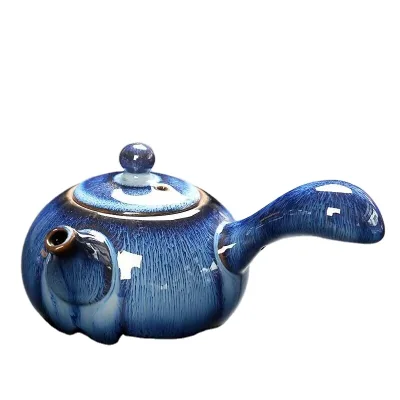
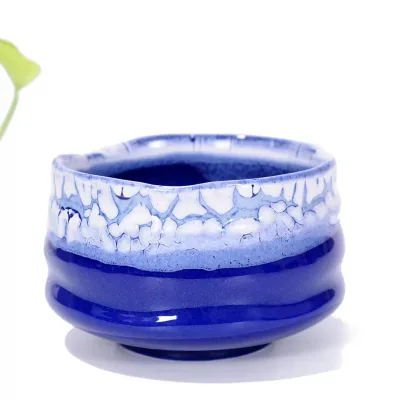


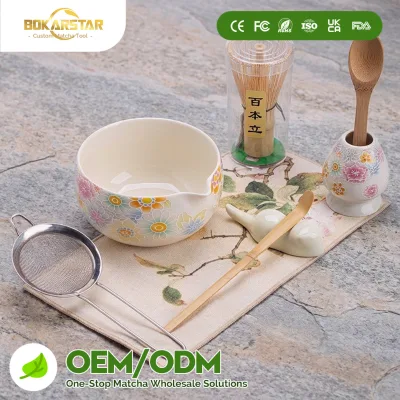
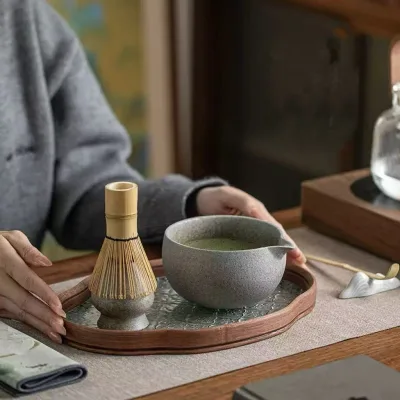
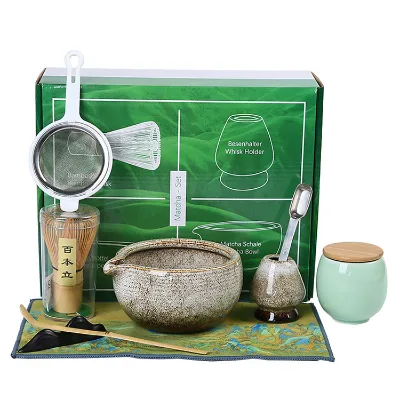
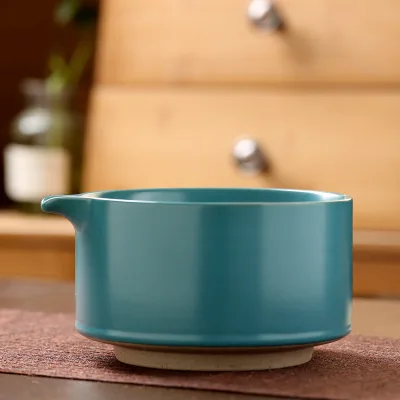
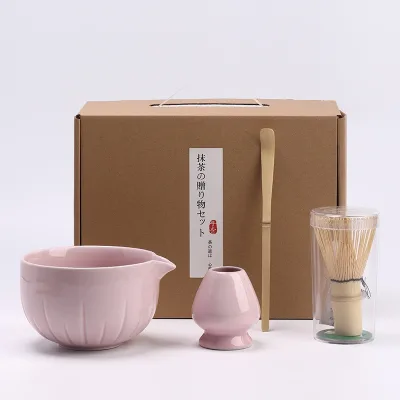
Matcha Bowl Ceramic Tea Set Accessories Tea Art Tools Salad Special Bowl
$3.93 - $4.17
MOQ: 100 pieces
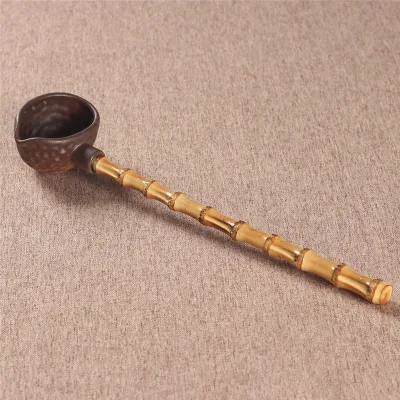
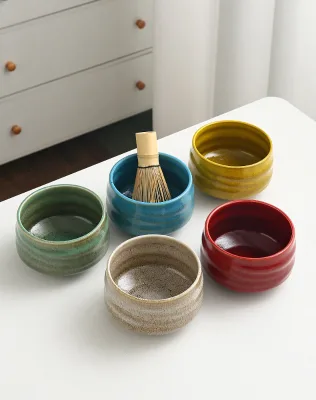
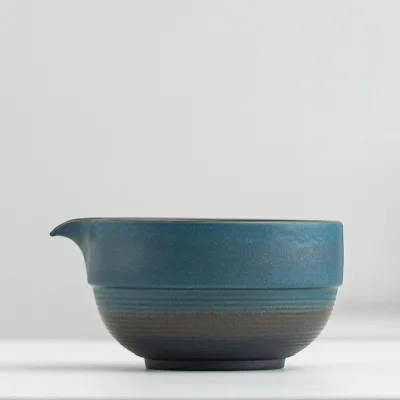
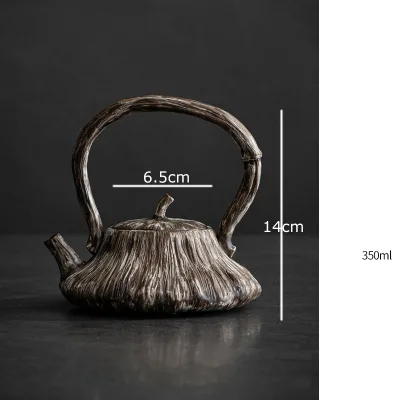
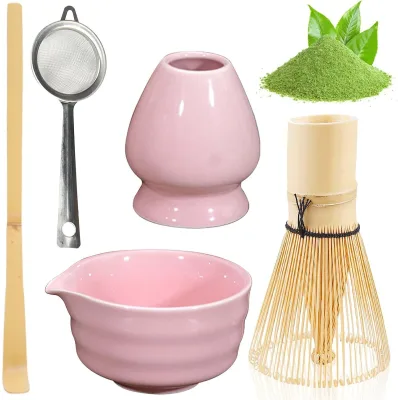


Floral Ceramic Enamel Teapot Tea Kettle Stovetop Large Porcelain Enameled Teakettle
$5.80 - $6.00
MOQ: 500 Pieces

Comprehensive Sourcing Guide
Coarse Pottery Matcha Tea Ladle Sourcing Guide
Sourcing coarse pottery matcha tea ladles requires distinguishing between functional tea tools and decorative ceramic items, as the market often blends these categories. While some listings describe ceramic matcha bowls and traditional teapots, the specific procurement focus must remain on the ladle itself, which is typically categorized under tea scoops or tea ladles. Buyers should verify that the product description explicitly mentions "ladle" or "scoop" rather than general drinkware, ensuring the item is designed for the precise measurement and transfer of matcha powder.
The material composition is a critical differentiator, with bamboo and ceramic being the primary options observed in current listings. Bamboo ladles are often noted for their lightweight nature and traditional aesthetic, while ceramic versions offer a distinct tactile experience but may be more fragile. Procurement teams must clarify whether the "coarse pottery" description refers to a specific glaze texture or a rustic finish, as this impacts both the visual appeal and the functional grip when handling fine matcha powder during preparation.
Product Scope and Observed Listing Signals
Current market signals indicate a wide variance in product specifications, ranging from standard bamboo tea scoops to specialized ceramic tools. Listings frequently mention "Chinese traditional style" designs and "handmade" production methods, which suggest a focus on artisanal quality rather than mass-produced uniformity. Buyers should expect to encounter products labeled as "ordinary" or "classic" in style, which often align with the functional requirements of matcha preparation without unnecessary embellishment that could hinder usability.
Price and minimum order quantity (MOQ) data reveal significant flexibility, with observed ranges spanning from low-cost entry points to premium pricing for specialized items. The MOQ can vary from single units to several hundred, allowing buyers to test the market with small batches or secure larger inventory for established operations. It is essential to scrutinize the "product packing" details, as some suppliers offer single packaging while others utilize cartons, which directly influences shipping costs and the condition of the goods upon arrival.
Technical Specifications to Verify
Dimensional accuracy is paramount for a tea ladle, as the capacity must align with standard matcha serving sizes to ensure consistency in preparation. Buyers should verify the specific length and width measurements, noting that some listings provide precise dimensions like 21cm or 2154.5cm, while others may only offer "ordinary" or "customized" sizing. Confirming the exact capacity, such as the 500ml volume mentioned for related bowls, helps ensure the ladle is not oversized or undersized for the intended tea ceremony or daily use.
Surface finish and material integrity are equally critical, particularly for items described as "coarse pottery" or "ceramic." The surface roughness and treatment, such as spray-paint or natural finishes, affect how the tool interacts with the tea powder and how easily it cleans. Buyers must request samples to assess the texture and durability, ensuring that the "permanent" casting or molding process used for ceramic components does not result in sharp edges or structural weaknesses that could compromise safety or longevity.
Compliance and Safety Documentation
Food safety compliance is non-negotiable for any item intended for direct contact with consumables like matcha powder. While some listings reference general certifications like ISO 9001 or CE, these often apply to the manufacturing facility rather than the specific food-contact safety of the ladle. Procurement teams must explicitly request food-grade certification or migration test results to confirm that the materials, including any glazes or paints, do not leach harmful substances into the tea.
Origin and traceability documentation provide an additional layer of assurance regarding the product's safety and ethical production standards. Listings indicate origins in regions like Fujian, Qingdao, and Guangzhou, which are known for ceramic and bamboo production. Buyers should verify that the supplier can provide a Certificate of Origin and ensure that the "SGS" or other mentioned standards apply to the specific batch of goods being purchased, rather than being a generic claim for the company's broader operations.
Cost Drivers and Commercial Terms
The cost of a Coarse Pottery Matcha Tea Ladle is heavily influenced by the material choice and the level of customization required. Handmade ceramic items typically command a higher price due to the labor-intensive production process, whereas bamboo scoops may be more cost-effective if sourced from regions with established supply chains. Buyers should analyze the "product packing" requirements, as custom packaging or specialized carton designs can add significant costs to the final unit price.
Commercial terms such as MOQ and lead times vary widely, with some suppliers offering flexible orders starting from a single unit while others require bulk commitments. The "order" based sizing and "customization" availability suggest that tailored specifications will incur additional charges and potentially longer lead times. It is vital to negotiate clear terms regarding payment schedules and shipping responsibilities, especially when dealing with fragile ceramic items that require careful handling to prevent damage during transit.
Supplier Qualification and Quality Control
Supplier qualification should extend beyond basic business registration to include a proven track record in producing tea tools and drinkware. Buyers should prioritize suppliers who explicitly state "handmade" or "traditional style" capabilities, as these attributes often correlate with higher attention to detail and craftsmanship. Verifying the supplier's location, such as those in Fujian or Guangzhou, can provide insight into their expertise with specific materials like bamboo or ceramic, which are central to the product's identity.
Quality control protocols must be rigorous, focusing on the consistency of the "coarse" texture and the structural integrity of the ladle. Since the product is often described as having "good" performance features, buyers should implement a sampling plan to test for defects like cracks, uneven surfaces, or loose handles. Establishing a clear acceptance criteria based on the observed "standard" dimensions and material properties will help ensure that the delivered goods meet the expected functional and aesthetic requirements.
Long-Term Procurement Checks
Sustaining a reliable supply chain for coarse pottery matcha tea ladles requires regular audits of the supplier's production capacity and quality consistency. As the market for traditional tea tools evolves, buyers should monitor whether the supplier maintains their "handmade" standards or shifts toward automated mass production, which could alter the product's character. Continuous communication regarding design updates or material changes ensures that the procurement strategy remains aligned with current market trends and customer expectations.
Long-term success also depends on the supplier's ability to adapt to changing order volumes and customization requests. Buyers should assess the flexibility of the "order" based sizing and the responsiveness to specific "product packing" needs over time. Establishing a partnership based on mutual trust and clear performance metrics will facilitate smoother transactions and ensure a steady supply of high-quality tea ladles that meet the rigorous demands of the tea ceremony and commercial beverage sectors.
FAQs
What customization options are available for coarse pottery matcha tea ladles?
Customization is available for these ladles to meet specific buyer requirements. The product specifications allow for manual or electric configurations and flexible rotation features. Buyers can request unique sizes and styles, including Chinese traditional designs, while maintaining standard production capabilities.
Which certifications do manufacturers of coarse pottery matcha tea ladles hold?
Manufacturers often hold ISO 9001 certification for quality management in machining processes. Additional standards like CE and SGS are also observed in the product listings. These certifications ensure that the metal casting and surface treatment processes meet international safety and quality benchmarks for industrial and commercial use.
How is the surface roughness defined for the coarse pottery matcha tea ladles?
The surface roughness is specified as Ra6 for the finished products. This finish is typically achieved through spray-paint surface treatment applied to the cast steel material. The process ensures a durable and smooth texture suitable for handling matcha tools while maintaining structural integrity during use.
Can buyers order custom sizes for coarse pottery matcha tea ladles?
Yes, buyers can order custom sizes as the product specifications explicitly state that dimensions are customizable. The standard model numbers like HML0001 serve as references, but orders can be placed for specific requirements. This flexibility allows for tailored solutions for different tea preparation setups and storage needs.
What materials are used to manufacture coarse pottery matcha tea ladles?
The primary materials include cast steel and ceramic, depending on the specific product type. Some variants are made from bamboo for traditional applications. The casting method involves special casting techniques to form permanent metal structures, ensuring durability and resistance to wear during repeated use in tea ceremonies.
Where are the coarse pottery matcha tea ladles manufactured?
These products originate from multiple locations in China, including Qingdao, Fujian, and Guangzhou. The specific origin depends on the manufacturer and the type of ladle being produced. Buyers should verify the place of origin for each supplier to ensure alignment with their logistical and sourcing preferences.
What is the typical packaging for coarse pottery matcha tea ladles?
Packaging varies by product, with options including single packaging or carton boxes. The specific packing method depends on the order requirements and the manufacturer's standard procedures. Buyers should confirm the packaging details during the ordering process to ensure safe transport and storage of the delicate ceramic or metal items.