Source Coin Bank Options for Retail, Gifts, and Savings
Explore 30 verified listings for a Coin Bank, including vinyl piggy banks, metal holders, and electronic safes. Compare specifications like material, size, and customization options to find the right solution for retail inventory, promotional gifts, or secure savings; compare the available evidence and request quotations based on your requirements.
Key considerations
Products List
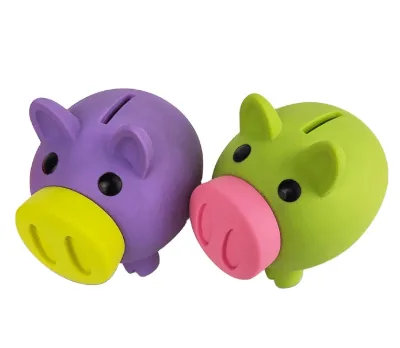


New Arrival Custom Metal Round Piggy Bank Promotional Gift Creative Coin Bank
$0.22 - $0.43
MOQ: 1200 Pieces

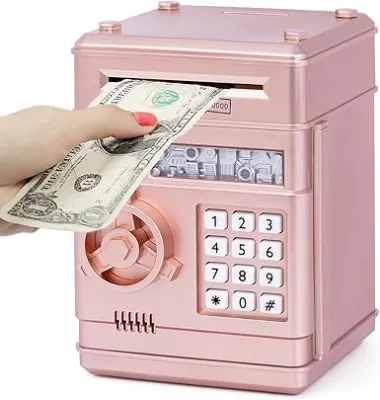


High Speed Electronic Bank Account Coin Counting Kiosk Machine Coin Sorter Counting
$2000.00 - $8000.00
MOQ: 1 Pieces


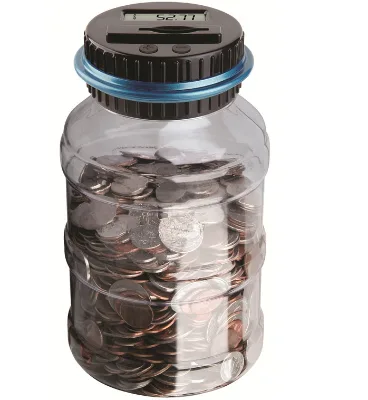


Token Coin Exchange Game Currency Bill Automatic Coin Change Coin Exchange Machine
$480.00 - $520.00
MOQ: 1 Pieces


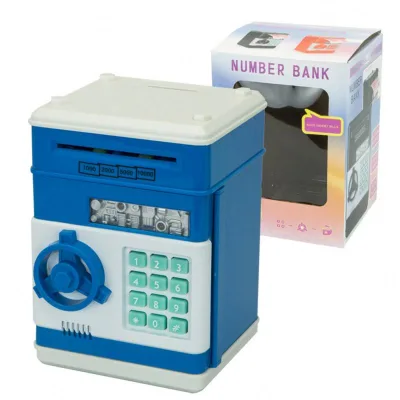


Banknote to Coin Changer Custom Automatic Banknote Changer Coin Vending Machine
$550.00 - $800.00
MOQ: 1 Pieces


Comprehensive Sourcing Guide
Coin Bank Sourcing Guide
Sourcing coin banks requires a clear distinction between decorative collectibles and functional storage solutions, as the procurement strategy varies significantly based on the end-use case. Buyers must first determine whether the primary objective is retail gifting, promotional branding, or secure asset storage, as this decision dictates material selection, compliance requirements, and supplier vetting processes. The market offers a wide spectrum of options, ranging from small vinyl or tin figurines designed for children to heavy-duty metal safes intended for office or home security. Understanding this divergence is critical for aligning supplier capabilities with specific business needs, ensuring that the selected products meet both aesthetic expectations and functional durability standards.
Furthermore, the procurement process involves navigating diverse manufacturing origins and customization levels, which directly impact lead times and minimum order quantities. Suppliers in regions like Guangdong and Zhejiang, China, offer varying degrees of flexibility, from standard off-the-shelf items to fully customized designs with proprietary logos. Buyers should evaluate their volume requirements against the supplier’s stated minimum order quantities, which can range from small batches for sampling to large industrial orders. This initial assessment helps in filtering potential partners who can scale production effectively while maintaining consistent quality, thereby reducing the risk of supply chain disruptions during peak seasons or high-demand periods.
Product Scope and Observed Listing Signals
The current market landscape for coin banks reveals a broad categorization that includes cartoon animal-themed piggy banks, euro coin holders, and electronic safes, each serving distinct consumer segments. Observed listings indicate a strong presence of vinyl and tin materials for decorative units, often featuring shapes like pigs or jars, which appeal to children and collectors. These items are typically marketed with features such as customized logos and designs, making them suitable for promotional campaigns or personalized gifts. The presence of standard packaging like single polybags suggests a focus on retail-ready presentation, while the availability of samples allows buyers to assess physical quality before committing to larger orders, ensuring that the final product matches the expected aesthetic and tactile experience.
In contrast, the scope extends to more robust solutions such as metal safes with electronic combination locks, designed for secure storage in office or home environments. These products differ significantly from decorative banks, emphasizing security features like programmable digital codes and sliding door mechanisms over playful aesthetics. Listings for these items often highlight technical specifications such as door thickness and material composition, indicating a need for rigorous verification of structural integrity. The diversity in product types, from simple tin jars to complex electronic safes, underscores the importance of precise keyword targeting and category filtering during the sourcing process to avoid confusion between low-value promotional items and high-value security equipment.
Technical Specifications to Verify
When evaluating coin banks, buyers must meticulously verify technical specifications that define the product’s functionality and durability, particularly for items intended for long-term use or secure storage. For decorative banks, key attributes include material composition, such as vinyl or tin, and physical dimensions, which should be cross-referenced with packaging sizes to ensure efficient logistics and storage. It is essential to confirm the weight per unit, as this impacts shipping costs and perceived value, and to check for specific design elements like hot stamping or varnishing techniques that enhance visual appeal. For electronic safes, verification must extend to security features, including the type of lock mechanism, the range of programmable security codes, and the thickness of the door and body, which are critical indicators of resistance to forced entry and overall structural strength.
Additionally, buyers should assess the compatibility of the product with specific currency standards, such as euro coin dimensions, to ensure usability in target markets. This requires checking the internal cavity size and slot dimensions against standard coin specifications to prevent functional issues. For customized products, it is vital to confirm the feasibility of design modifications, including logo placement and color options, with the supplier’s production capabilities. Verifying the packing quantity per carton and the overall carton dimensions is also necessary for calculating freight costs and warehouse space requirements. By focusing on these precise technical details, buyers can mitigate the risk of receiving products that do not meet their operational or aesthetic requirements, ensuring a smoother integration into their supply chain.
Compliance and Safety Documentation
Compliance and safety documentation are paramount when sourcing coin banks, especially those intended for children or used in public spaces, to ensure adherence to international safety standards. Buyers must request relevant test reports and certifications that verify the absence of harmful substances, such as lead or phthalates, in materials like vinyl and tin. For products targeting younger age groups, specifically those labeled for children aged five to seven or eight to thirteen years, compliance with toy safety regulations is non-negotiable. This includes verifying that the product meets specific mechanical and physical safety requirements, such as small parts warnings and durability tests, to prevent choking hazards or breakage during normal use. Ensuring that suppliers can provide up-to-date and recognized safety certificates is a critical step in protecting brand reputation and avoiding legal liabilities.
For electronic safes and other secure storage units, compliance extends to electrical safety standards and electromagnetic compatibility, particularly if the devices involve digital components or power sources. Buyers should verify that the electronic combination locks and any associated circuitry meet relevant regional electrical safety norms, such as CE or FCC certifications, depending on the target market. Additionally, it is important to confirm that the product labeling and packaging include all necessary safety warnings and usage instructions in the local language. Engaging with suppliers who have a robust quality management system and a history of compliance can significantly reduce the risk of regulatory issues. By prioritizing thorough documentation review, buyers can ensure that their sourced coin banks are safe, legal, and suitable for their intended audience.
Cost Drivers and Commercial Terms
Cost drivers in the Coin Bank market are influenced by material selection, customization complexity, and order volume, requiring buyers to carefully balance budget constraints with quality expectations. Decorative banks made from vinyl or tin generally offer lower unit costs, but prices can increase significantly with the addition of custom logos, specialized packaging, or intricate design elements like hot stamping. For electronic safes, the cost is driven by the complexity of the locking mechanism, the thickness of the metal, and the inclusion of additional security features. Buyers should analyze the total landed cost, including shipping, duties, and handling fees, rather than focusing solely on the unit price, as these factors can substantially impact the final profitability of the procurement. Understanding these variables allows for more accurate budgeting and negotiation strategies with suppliers.
Commercial terms, including minimum order quantities and payment conditions, also play a crucial role in the sourcing decision. Suppliers may offer flexible MOQs for standard items but require higher volumes for customized products to justify production setup costs. Buyers should negotiate clear terms regarding sample availability, lead times, and quality assurance protocols to mitigate risks associated with large orders. It is advisable to establish a structured payment schedule that aligns with production milestones, such as a deposit upon order confirmation and the balance upon completion of quality inspections. By understanding the interplay between cost drivers and commercial terms, buyers can optimize their procurement strategy to achieve the best value for money while maintaining supply chain stability and flexibility.
Supplier Qualification and Quality Control
Supplier qualification is a critical step in ensuring the reliability and consistency of Coin Bank procurement, requiring a thorough assessment of manufacturing capabilities and quality control processes. Buyers should verify the supplier’s production capacity, facility conditions, and experience in handling similar products, particularly for customized orders that demand precision and attention to detail. For electronic safes, it is essential to confirm the supplier’s expertise in assembling and testing electronic components to ensure functionality and durability. Engaging with suppliers who have established quality management systems and a track record of successful exports can significantly reduce the risk of receiving defective or non-compliant products. Conducting factory audits or requesting third-party inspection reports can provide valuable insights into the supplier’s operational standards and commitment to quality.
Quality control measures should be integrated into the procurement process from the initial sampling stage through to final shipment. Buyers should define clear acceptance criteria for product appearance, functionality, and packaging, and ensure that these standards are communicated effectively to the supplier. Implementing pre-production samples and during-production inspections can help identify and rectify potential issues early in the manufacturing process, preventing costly delays and rejections. For customized products, it is crucial to verify that the final output matches the approved design specifications, including logo placement, color accuracy, and material quality. By establishing robust quality control protocols and maintaining open communication with suppliers, buyers can ensure that their Coin Bank orders meet the highest standards of quality and performance.
Long-Term Procurement Checks
Long-term procurement checks involve continuous monitoring of supplier performance, market trends, and product lifecycle management to ensure sustained value and reliability. Buyers should establish key performance indicators to evaluate suppliers based on delivery times, product quality, and responsiveness to issues, using this data to inform future sourcing decisions. Regularly reviewing supplier certifications and compliance documentation is essential to ensure ongoing adherence to safety and regulatory standards, particularly as regulations evolve over time. Additionally, staying informed about emerging materials, designs, and technologies in the Coin Bank market can help buyers identify opportunities for innovation and cost optimization. By maintaining a proactive approach to supplier management, buyers can build resilient supply chains that adapt to changing market conditions and customer demands.
Furthermore, buyers should consider the environmental and social impact of their sourcing decisions, evaluating suppliers’ commitment to sustainable practices and ethical labor standards. This includes assessing the recyclability of materials, such as tin and vinyl, and the efficiency of packaging solutions to minimize waste. Engaging with suppliers who prioritize sustainability can enhance brand reputation and align with growing consumer preferences for eco-friendly products. Regularly updating procurement strategies to reflect these considerations ensures that the sourcing process remains competitive and responsible. By integrating long-term checks into their procurement framework, buyers can foster stronger supplier relationships, mitigate risks, and contribute to a more sustainable and efficient supply chain for coin banks.
FAQs
What materials are used for coin banks?
Coin banks are commonly made from vinyl, metal, or tin based on available product listings. Vinyl options feature cartoon animal designs like pigs, while metal variants often include electronic locks. Tin jars are also available with varnishing techniques. Buyers should verify specific material requirements before ordering to ensure durability and safety for the intended use.
Can I customize the logo on these banks?
Yes, customized logos are accepted for many Coin Bank models listed in the catalog. Suppliers offer design customization services alongside logo printing to meet specific branding needs. This service is available for both vinyl and metal products. Buyers should confirm the customization details and any associated costs with the manufacturer before finalizing the order.
What is the minimum order quantity for these items?
The minimum order quantity varies by product but can be as low as one piece or as high as three thousand pieces. Some listings specify an MOQ of 3000 pieces for standard models. Buyers should check the specific product page for the exact MOQ requirement to ensure it aligns with their purchasing volume and budget constraints.
How are these coin banks packaged for shipping?
Packaging options include single polybags, cartons, or wood packaging depending on the product type. Standard packing quantities are often one piece per bag. Larger orders may utilize carton packaging for better protection during transit. Buyers should specify their preferred packaging method to ensure safe delivery and compliance with their logistics requirements.
Which countries manufacture these coin banks?
These coin banks are primarily manufactured in China, with specific origins noted in Guangdong and Zhejiang provinces. Some products originate from Zhejiang Huzhou. Buyers should verify the exact place of origin for each supplier to understand shipping times and potential import regulations associated with the specific manufacturing location.
Are there smart features in these coin banks?
No, the listed coin banks are not smart devices and do not include electronic connectivity features. Some models feature electronic combination locks for security, but they do not connect to apps or networks. Buyers seeking traditional mechanical or simple electronic locking mechanisms will find suitable options among the available non-smart product listings.