Source Cold Pressed Black Seed Oil for Cosmetics, Medicine, and Health Care
Compare 30 listings for Cold Pressed Black Seed Oil sourced from China. Buyers can evaluate specifications like extraction methods, packaging options, and certifications including HACCP, ISO, and FDA for use in medicine, health care products, and cosmetics.
Key considerations
Products List






Comprehensive Sourcing Guide
Strategic Sourcing Guide for Cold Pressed Black Seed Oil
Understanding Product Variability and Technical Specifications
When sourcing black seed oil, buyers must first navigate the significant variability inherent in the supply chain, as product attributes are not uniform across all listings. The core keyword "Cold Pressed Black Seed Oil" implies a specific extraction method, yet the available market data reveals a complex landscape of product states and forms. While the target product is an oil, observed listings indicate that the physical state of the final product can vary, with some entries describing the substance as "Plant Oil" or "Liquid," while others list "Powder" or "Capsule" forms. This discrepancy suggests that a single supplier may offer the raw oil alongside processed derivatives, or that different suppliers specialize in different stages of the supply chain.
The technical specification for the raw oil is critical. The observed data indicates that the extract source is explicitly identified as "Black Seed" or "Black Currant" in various contexts, requiring buyers to verify the botanical origin carefully. For the specific "Black Seed Oil" product, the appearance is noted as "Light Yellow Oil," which aligns with the natural coloration of the extracted oil. The purity or assay is a key technical metric; one observed specification lists a "Ration" of 99%, which likely refers to the concentration of active compounds or the purity of the extract. However, buyers should not assume this 99% figure applies universally to all black seed oil offerings. Instead, the verification of the Assay Method is essential. The data shows a range of analytical techniques employed by suppliers, including "HPLC," "UV," "GPC," and "HPLC-MS." A robust procurement strategy requires confirming that the supplier utilizes High-Performance Liquid Chromatography (HPLC) to validate the concentration of thymoquinone and other active ingredients, as this is the industry standard for quality assurance in this category.
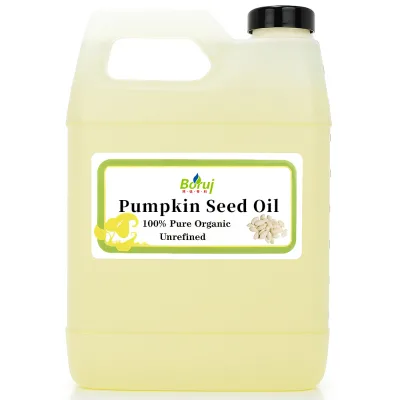
Furthermore, the physical form of the product impacts logistics and application. While the raw oil is a liquid, the data indicates that the product is also available in "Capsule" and "Tablet" forms, with specific packaging options ranging from "45ml/ Bottle" to "1kg/Bag" and "25kg/Drum." The "Black Garlic Oil" and "Pumpkin Seed Oil" listings in the data highlight the importance of distinguishing between similar botanical oils. Buyers must ensure that the "Part" of the plant used is the "Seed," as specified in the data, to avoid confusion with other plant parts that may have different chemical profiles. The extraction type is another vital technical parameter; while "Solvent Extraction" is listed for some products, the "cold pressed" requirement for the core keyword necessitates a specific verification that no high-heat or chemical solvents were used during the initial extraction phase, preserving the oil's nutritional integrity.
Compliance Framework and Certification Verification
Navigating the regulatory landscape for black seed oil requires a rigorous approach to certification verification. The market data presents a wide array of certifications, including "RoHS," "BRC," "ISO," "FDA," "HACCP," "Halal," "Kosher," "JAS," "OCIA," "NOP," "QS," and "GMP." It is crucial to understand that the presence of these certifications in a general product listing does not guarantee that every specific SKU or batch holds all of them. For instance, while "RoHS" and "BRC" are listed, "RoHS" is typically associated with electronic components rather than food or cosmetics, suggesting a potential data aggregation error or a broad supplier portfolio that includes non-food items. Buyers must therefore treat these certifications as a checklist of potential credentials rather than a guaranteed package.
The most relevant certifications for black seed oil, given its applications in "Cosmetics," "Health Care Products," and "Medicine," are "HACCP," "ISO," "FDA," and "BRC." The "Food Grade" and "Cosmetics Grade" designations observed in the data are essential starting points. A supplier claiming "Food Grade" must be able to provide documentation supporting compliance with local food safety regulations in the destination market. Similarly, for cosmetic applications, the "GMP" (Good Manufacturing Practice) certification is a critical indicator of quality control systems. The "Halal" and "Kosher" certifications are particularly important for buyers targeting specific religious markets, ensuring the oil is free from prohibited substances and processed according to specific dietary laws.
The "ISO" certification is frequently mentioned, but buyers should verify the specific standard. While "ISO 9001:2015" is noted in the background context as a standard for quality management, the specific application of this standard to the black seed oil production process must be confirmed. The data also lists "prod_standard" as "Liquid" or "45ml/ bottle," which are product standards rather than quality management standards. Buyers should request the specific ISO certificate number and verify its validity with the issuing body. Additionally, the "Certificate of Analysis" (CoA) is a non-negotiable document that should accompany the shipment, detailing the results of the "Assay Method" used, such as HPLC, to confirm the product meets the declared specifications for purity and potency.
Cost Drivers and Pricing Structure Analysis
The pricing structure for black seed oil is influenced by several dynamic factors, including the extraction method, purity level, packaging format, and order volume. The observed price range in the market data spans from $1.89 to $3,600, a vast disparity that reflects the difference between small sample units, bulk raw materials, and finished consumer goods. A price of $1.89 likely corresponds to a small sample size, such as a 45ml bottle or a test unit, whereas the higher end of the range may represent bulk industrial quantities or specialized formulations.
The Minimum Order Quantity (MOQ) is a significant cost driver, with observed ranges from 1 to 200 units. Suppliers offering an MOQ of 1 are typically catering to R&D or sampling needs, which often carries a higher per-unit cost. Conversely, bulk orders of 25kg drums or larger quantities will benefit from economies of scale, significantly reducing the cost per kilogram. The packaging format also plays a role in pricing; "25kg/Drum" packaging is generally more cost-effective for industrial buyers than "1kg/Bag" or "45ml/ Bottle" packaging, which involves higher labor and material costs per unit of oil.
Buyers must also consider the cost implications of the "Extraction Type." "Cold pressed" methods are generally more expensive than solvent extraction or high-heat methods due to lower yields and higher energy requirements. If a supplier claims the oil is cold pressed but offers a price significantly lower than the market average for this method, it warrants further investigation into the authenticity of the claim. The "Grade" of the oil, whether "Food Grade" or "Cosmetics Grade," also affects pricing, with higher grades commanding a premium due to stricter quality controls and testing requirements.
Typical Applications and Formulation Considerations
Black seed oil is a versatile ingredient with applications spanning multiple industries, as indicated by the data listing "Cosmetics," "Health Care Products," "Medicine," and "Food." In the food sector, the oil is valued for its nutritional profile, with the data noting "Vitamins" as a key feature. It is often used as a dietary supplement or functional ingredient in health foods. The "Application Form" data shows that the oil is processed into "Capsule" and "Tablet" forms, which are popular for consumer supplements. For cosmetic applications, the oil serves as a base or active ingredient in skincare products, leveraging its potential moisturizing and anti-inflammatory properties.
The "State" of the product is a critical consideration for formulation. While the raw oil is a "Liquid," the data also lists "Powder" forms, which may be spray-dried or encapsulated versions of the oil. This distinction is vital for manufacturers developing solid dosage forms or dry mixes. The "Storage Method" is listed as "Normal" or "Cool and Dry," indicating that the oil is relatively stable but requires protection from heat and light to prevent oxidation. The "Shelf Life" is observed to be "2 Years," which is a standard duration for high-quality plant oils when stored correctly.
When formulating products, buyers must consider the "Ingredient" profile. The data mentions "Protein" in one context, which may be a misclassification or refer to a specific blend, but the primary component of black seed oil is the lipid fraction. The "Function and Application" is explicitly stated as "Food and Cosmetics," reinforcing the dual-use nature of the product. For medicine applications, the oil must meet stricter purity standards, and the "Assay Method" must confirm the presence of specific bioactive compounds. The "Age Group" is listed as "Adults," suggesting that the product is primarily marketed for adult consumption, though this may vary by jurisdiction and specific product claims.
Supplier Evaluation and Origin Verification
Evaluating suppliers for black seed oil requires a deep dive into their geographic origin and operational capabilities. The data indicates that the primary production origin is "China (Mainland)," with specific mentions of "Shaanxi" as a production location. Shaanxi is a known hub for herbal and botanical processing in China, but buyers should verify the specific facility and its capacity. The "Location" field in the data is a critical piece of information, as it helps buyers assess logistics costs and lead times.
Supplier evaluation should also focus on the "Cultivation Method." The data lists "Wild" as a cultivation method, which can be a selling point for premium products but requires verification to ensure sustainable harvesting practices. Buyers should inquire whether the black seeds are wild-harvested or cultivated, as this impacts the consistency of the raw material supply. The "Part" of the plant used is consistently listed as "Seed," which is the correct source for black seed oil, but buyers must ensure that the supplier does not use adulterated or mixed seed sources.
The "Customization" attribute is marked as "Available," indicating that suppliers are willing to tailor packaging, labeling, and potentially the extraction process to meet buyer specifications. This flexibility is a significant advantage for buyers looking to develop private label products or specific formulations. However, customization often comes with higher MOQs or longer lead times, which must be factored into the procurement plan. The "Sample" availability is also noted, with some listings offering "25kg" samples, which is unusually large for a sample and suggests that the supplier is confident in their bulk capabilities.
Quality Control Protocols and Long-Term Procurement
Establishing a robust quality control (QC) protocol is essential for long-term procurement success. The data highlights several "Assay Methods" including "HPLC," "UV," "GPC," and "HPLC-MS." A comprehensive QC strategy should mandate the use of HPLC for the primary analysis of active compounds, with UV or other methods serving as supplementary checks. The "Standard" for the product is listed as "Liquid" or specific packaging standards, but the internal quality standard should be defined by the buyer based on the intended application.
Long-term procurement considerations include the stability of the supply chain and the consistency of the product. The "Shelf Life" of 2 years suggests that inventory management is crucial to ensure product freshness. Buyers should implement a First-In-First-Out (FIFO) system and monitor storage conditions closely, adhering to the "Cool and Dry" storage requirement. The "Storage Method" being "Normal" implies that standard warehouse conditions are sufficient, but temperature and humidity controls are recommended to extend shelf life.
The "Certification" landscape is dynamic, and buyers should plan for periodic re-verification of supplier credentials. Certifications like "HACCP," "ISO," and "BRC" require regular audits, and a supplier's ability to maintain these certifications over time is a strong indicator of reliability. The "Product Type" is listed as "Food," but the versatility of the oil means that buyers in the cosmetic and pharmaceutical sectors must ensure that the supplier can provide documentation specific to those industries.
Finally, the "Feature" of the product, such as "Vitamins," should be verified through third-party testing rather than relying solely on supplier claims. The "Gender" is listed as "Unisex," which is a standard classification for general health products, but buyers should ensure that marketing claims align with regulatory requirements in their target markets. By combining rigorous technical verification, certification checks, and a strategic approach to supplier evaluation, buyers can secure a reliable supply of high-quality black seed oil that meets their specific application needs.
FAQs
How is the purity of Cold Pressed Black Seed Oil verified?
Purity is verified using High-Performance Liquid Chromatography or HPLC assay methods. Some suppliers also utilize UV, GPC, or HPLC-MS techniques to confirm active compound concentrations like the 99% ratio observed in specific listings.
What certifications should I look for in black seed oil suppliers?
Look for HACCP, ISO, BRC, FDA, and RoHS certifications which are commonly listed. Additional relevant credentials include Halal, Kosher, and GMP to ensure compliance with food, cosmetic, and medical safety standards.
Which packaging formats are available for bulk black seed oil orders?
Available packaging includes 1kg bags, 25kg drums, and 45ml bottles depending on the supplier. Some vendors offer custom packing according to customer requirements, while others standardize on specific drum or bag sizes.
Can I customize the product specifications for black seed oil?
Yes, customization is available for many suppliers regarding packaging and labeling. Buyers can request specific extraction methods or grades, though minimum order quantities may vary based on the level of customization required.
What is the typical shelf life of Cold Pressed Black Seed Oil?
The typical shelf life is two years when stored correctly. Buyers should ensure the product is kept in a cool and dry environment to maintain quality and prevent oxidation of the plant oil.
Where are the primary manufacturing locations for black seed oil?
Primary manufacturing locations are in China, with specific hubs noted in Shaanxi. Buyers should verify the exact origin to assess logistics costs and ensure the supplier meets regional quality standards.
What is the minimum order quantity for black seed oil samples?
Minimum order quantities range from 1 unit for samples to 200 units for bulk orders. Some suppliers offer larger sample sizes like 25kg drums, but this depends on the specific vendor and product form.