Find Color Blocking Embroidered Jogger Set for Gyms, Casual Wear, and Team Events
Explore 30 verified listings for the Color Blocking Embroidered Jogger Set, featuring fleece fabrics, crew neck designs, and customizable options. Buyers can compare MOQs ranging from 1 to 500 sets, fabric weights, and lead times for winter apparel sourced from Zhejiang, China.
Key considerations
Products List
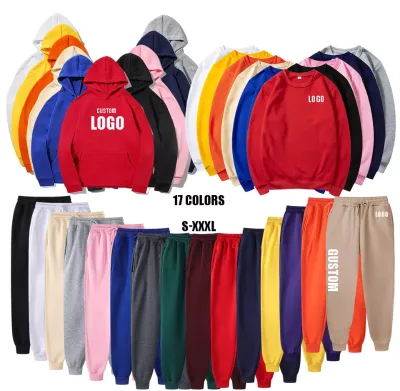


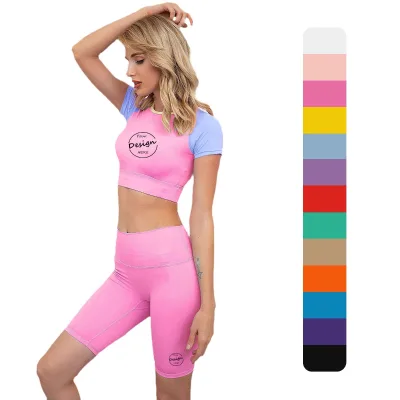


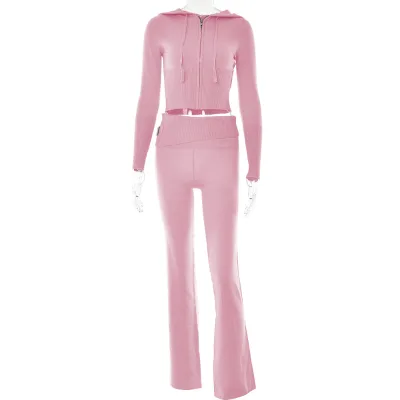

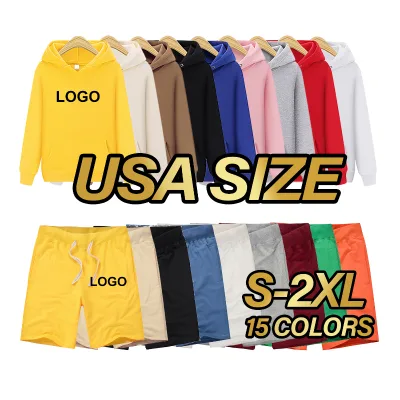
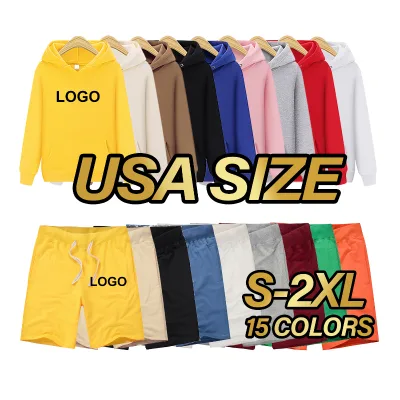


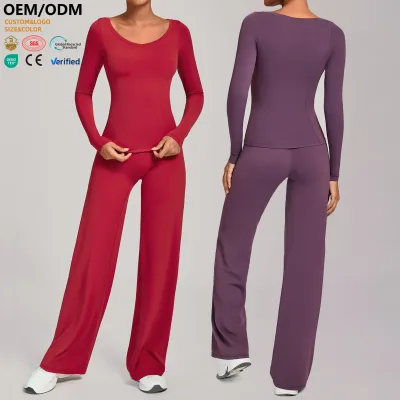
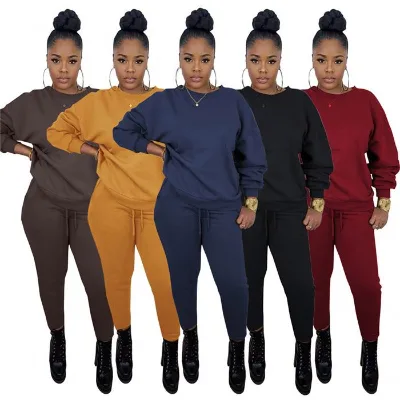
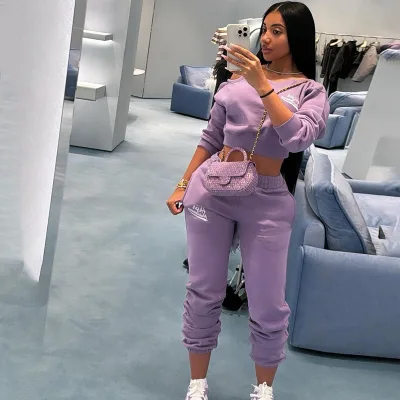

Comprehensive Sourcing Guide
Strategic Sourcing Guide for Color Blocking Embroidered Jogger Sets
The global demand for athletic and casual wear has surged, with the Color Blocking Embroidered Jogger Set emerging as a versatile staple in modern wardrobes. For B2B procurement professionals, navigating this category requires a nuanced understanding of material composition, manufacturing capabilities, and supply chain logistics. This guide provides a comprehensive framework for sourcing these garments, focusing on verified attributes and critical evaluation criteria to ensure a successful procurement strategy.
Understanding Product Specifications and Material Composition
The foundation of any successful sourcing decision lies in the precise definition of product specifications. In the context of jogger sets, the material composition is the primary determinant of performance, comfort, and cost. Current market data indicates a diverse range of fabric options available for these sets. Buyers must distinguish between 100% polyester constructions and blended options such as polyester/cotton mixes. The choice between these materials significantly impacts the garment's breathability, moisture-wicking capabilities, and durability.
For winter applications, fleece fabric types are frequently observed, offering warmth and a soft hand feel. The fabric weight is another critical specification, with observed ranges extending from 300g to over 500g. Heavier weights, such as 400g or 460g, are typically associated with premium winter collections, while lighter weights around 300g-340g suit transitional seasons. The weaving method is predominantly knitted, which provides the necessary stretch and recovery required for athletic movement.
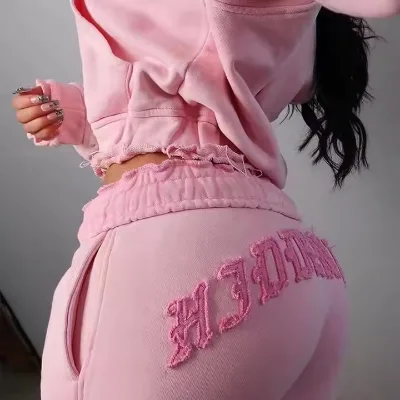
Color blocking, a defining aesthetic of the target keyword, relies heavily on the printing and dyeing techniques employed. While plain dyed methods are common, the "color blocking" effect often involves specific printing processes or panel construction. Buyers should verify if the pattern type is achieved through sublimation printing, screen printing, or physical fabric拼接 (sewing different colored panels). The availability of custom designs in formats like AI, CDR, and PDF suggests a high degree of flexibility in the supply chain, allowing for bespoke color blocking patterns that align with brand identity.
Technical Attributes and Functional Features
Beyond the base material, the functional features of the jogger set dictate its market positioning. The product attributes observed in the current supply landscape include anti-wrinkle, anti-pilling, and anti-shrink properties. These features are essential for maintaining the garment's appearance after repeated washing, a key concern for retailers and end consumers. Additionally, moisture-wicking and breathable characteristics are standard expectations for athletic wear, ensuring comfort during physical activity.
The construction details are equally important. Most observed models feature a crew neck design with a pullover style, suitable for a casual or sporty aesthetic. The sleeve style is typically regular, providing a balanced fit that accommodates various body types. The waist design is almost universally elastic, often incorporating a drawstring for adjustability, which is crucial for the "jogger" silhouette. Side pockets are a standard inclusion, enhancing utility without compromising the streamlined look.
Customization is a dominant theme in this category. The supply type often includes OEM/ODM capabilities, allowing buyers to modify the model number, brand name, and specific design elements. The ability to customize the logo and label is a frequent requirement, with options for custom logo labels on hoodies and joggers. This flexibility extends to the size range, which typically covers S through 3XL, ensuring inclusivity for adult demographics. The gender classification varies, with options available for men, unisex, and specific athletic cuts, allowing buyers to target distinct market segments.
Cost Drivers and Pricing Dynamics
The pricing of color blocking embroidered jogger sets is influenced by a complex interplay of factors. The observed price range in the market spans from approximately $2.31 to $30.79 USD. This wide variance is not arbitrary but reflects differences in material quality, production complexity, and order volume. The lower end of the spectrum typically corresponds to basic polyester blends with standard printing and lower fabric weights. Conversely, the higher price points are associated with premium materials, such as heavier fleece, complex embroidery work, and advanced functional finishes like anti-static or eco-friendly treatments.
Order volume is a primary cost driver. The Minimum Order Quantity (MOQ) varies significantly, ranging from as low as 1 unit for sampling to 500 units for bulk production. Suppliers often offer tiered pricing structures where the unit cost decreases as the order quantity increases. For instance, an MOQ of 50 sets might be the threshold for custom branding, while larger orders of 1000 cases per week indicate a supplier's capacity for high-volume production. Buyers must balance the need for customization with the economic benefits of bulk purchasing.
Other cost drivers include the complexity of the color blocking design. Multi-panel construction or intricate embroidery requires more labor and time, potentially increasing the unit cost. The packaging details also play a role; individual poly bagging for each set, with 20 sets per carton, adds to the packaging material and labor costs. Furthermore, the lead time for samples and bulk orders affects pricing. A sample lead time of 5-7 days is standard, while bulk delivery times can range from 15 to 25 days, depending on the order size and factory workload.
Supplier Evaluation and Supply Chain Capabilities
Selecting the right supplier is critical for maintaining product quality and meeting delivery schedules. When evaluating potential partners, buyers should prioritize suppliers with a proven track record in OEM/ODM services. The ability to support design files in AI, CDR, and PDF formats is a strong indicator of a supplier's technical proficiency and readiness for customization. Suppliers should also demonstrate a clear supply ability, with some capable of producing 1000 cases per week, ensuring they can handle large-scale orders without bottlenecks.
Geographic location is another factor to consider. The majority of suppliers in this category are based in Zhejiang, China, a hub for textile manufacturing. This location offers access to a robust supply chain and specialized labor. However, buyers should also verify the port of dispatch, which may include options like Shanghai, Ningbo, Shenzhen, or Guangzhou. The choice of port can impact shipping costs and transit times, particularly for international buyers.
Quality control is an inherent part of supplier evaluation. Buyers should request evidence of the supplier's quality assurance processes, including checks for fabric weight consistency, color fastness, and stitching integrity. While specific certification data like BSCI may be available in the background, buyers must verify the current status of such certifications directly with the supplier rather than relying on general market assumptions. The supplier's ability to provide samples within a 7-day window is also a positive indicator of operational efficiency.
Compliance, Certification, and Quality Assurance
Compliance and certification are non-negotiable aspects of modern B2B procurement, particularly for apparel destined for international markets. While specific certification statuses should be verified on a case-by-case basis, buyers should be aware of common standards in the industry. The BSCI (Business Social Compliance Initiative) is a recognized framework for social compliance, though its specific application to a given supplier must be confirmed.
Quality assurance extends beyond social compliance to include product performance. Buyers should verify that the garments meet specific performance claims, such as anti-pilling and anti-shrink properties. These claims should be backed by test results or standardized testing protocols. The fabric weight, ranging from 300g to 500g, should be consistent with the specifications provided in the product description. Deviations in weight can affect the garment's drape, warmth, and overall quality.
Additionally, buyers should ensure that the customization process adheres to intellectual property rights. When providing design files for color blocking and embroidery, clear agreements on ownership and usage rights should be established. The supplier's ability to handle confidential designs and maintain data security is crucial for protecting brand assets.
Typical Applications and Market Positioning
Color blocking embroidered jogger sets serve a wide range of applications, from casual streetwear to professional athletic training. The versatility of the design allows these garments to be marketed to various demographics, including men, women, and unisex audiences. The winter season designation suggests that these sets are particularly popular during colder months, where the fleece material and heavier fabric weights provide necessary insulation.
The casual style of the jogger set makes it suitable for everyday wear, while the athletic features like moisture-wicking and breathability make it appropriate for gym sessions or light outdoor activities. The ability to customize the brand name and logo allows retailers to position these products as private label items, enhancing brand loyalty and differentiation in a crowded market. The inclusion of features like anti-static and eco-friendly properties can also appeal to environmentally conscious consumers, adding value to the product proposition.
Long-Term Procurement Considerations
For long-term success, buyers must focus on building sustainable relationships with suppliers. This involves establishing clear communication channels, setting realistic expectations for lead times, and maintaining a consistent order volume. The ability to scale production, as indicated by a supply ability of 1000 cases per week, is a key factor in ensuring supply chain resilience.
Buyers should also consider the environmental impact of their procurement decisions. The availability of eco-friendly features and the potential for sustainable material sourcing should be integrated into the long-term strategy. Regular quality audits and performance reviews of suppliers will help maintain high standards and mitigate risks associated with production delays or quality issues.
In conclusion, sourcing color blocking embroidered jogger sets requires a strategic approach that balances technical specifications, cost considerations, and supplier capabilities. By focusing on verified attributes and maintaining rigorous quality control, buyers can secure high-quality products that meet the demands of their target markets. The flexibility of the supply chain, combined with the diverse range of materials and designs available, offers significant opportunities for innovation and growth in the apparel sector.
FAQs
Can I customize the logo and design files for this set?
Yes, customization is available for logo labels and design files. Suppliers support AI, CDR, and PDF formats for custom designs, allowing you to modify the brand name and specific aesthetic elements like color blocking patterns to match your requirements.
What is the minimum order quantity for bulk production?
The minimum order quantity typically starts at 50 sets for custom branding. However, some options allow for single item sampling, while larger bulk orders may require quantities up to 500 units depending on the specific supplier capacity and customization level.
How long does it take to receive sample orders?
Sample orders generally require about 5 to 7 days for production. Bulk delivery times are longer, usually ranging from 15 to 25 days, depending on the order size and the specific factory workload at the time of dispatch.
Which fabric materials are used for these jogger sets?
Products are constructed from 100% polyester or polyester cotton blends. The fabric type often includes fleece for winter warmth, with weights ranging from 300g to over 500g to ensure durability and comfort for various seasonal applications.
What are the available size options for adult buyers?
Sizes range from Small to 3XL to accommodate adult demographics. The collection includes standard sizing for men and unisex options, ensuring a fit for various body types while maintaining the casual and athletic style required for jogger sets.
Where are these products manufactured and shipped from?
Products originate from Zhejiang, China, a major textile manufacturing hub. Dispatch ports include Shanghai, Ningbo, Shenzhen, and Guangzhou, providing flexible logistics options for international buyers to manage shipping costs and transit times effectively.
What features do these sets offer for athletic performance?
These sets include features like moisture-wicking, breathability, and anti-pilling properties. Additional benefits such as anti-wrinkle, anti-shrink, and eco-friendly treatments ensure the garments maintain their shape and comfort during physical activity and repeated washing.