Source Color Changing Camping Coffee Mug for Travel, Outdoor, Daily Use
Compare 30 listings of Color Changing Camping Coffee Mug options featuring eco-friendly materials, various sizes, and customization. Buyers can evaluate suppliers from China for promotional, daily use, and gift applications with MOQs ranging from 2 to 30,000 units; compare the available evidence and request quotations based on your requirements.
Key considerations
Products List


Promotion Classic Camping Mug Custom Printing Ceramic Drinking Coffee Mug
$0.50 - $1.50
MOQ: 5000 Pieces

Coffee Cup Sublimation Ceramic Stackable Camping Mugs 16oz White Stackable Coffee Mugs
$2.00 - $4.00
MOQ: 5000 Sets


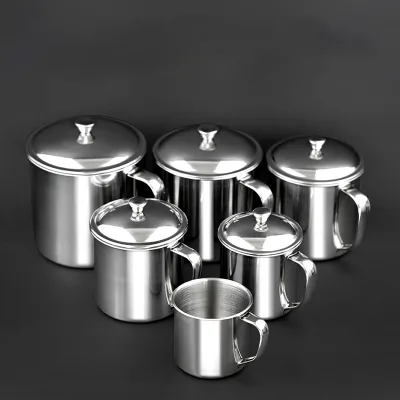


Large Thermal Camping Coffee Cup Classic Coffee Mug with Durable Sliding Lid
$3.00 - $3.80
MOQ: 1000 pieces
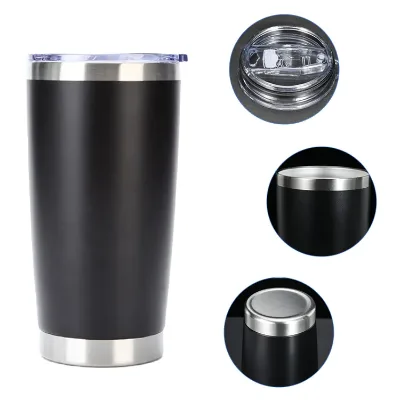

Outdoor Water Cup Stainless Steel Double Layer Anti-Scalding Camping Mug
$1.10 - $1.29
MOQ: 150 Pieces


Collapsible Silicone Coffee Cup with Lid - Travel Mug for Outdoor Camping
$0.84 - $0.95
MOQ: 1000 Pieces

Food-Grade Silicone Foldable Coffee Mug - Travel Camping Water Cup with Lid
$0.84 - $0.95
MOQ: 1000 Pieces
Comprehensive Sourcing Guide
Color Changing Camping Coffee Mug Sourcing Guide
Sourcing color-changing camping coffee mugs requires a nuanced understanding of thermochromic technology and rugged outdoor design. These vessels utilize heat-sensitive pigments that shift hue when exposed to hot beverages, offering a dynamic visual experience for campers and outdoor enthusiasts. Buyers must distinguish between standard ceramic options and durable materials like stainless steel or BPA-free plastic, which better withstand the physical demands of camping environments. The core appeal lies in the interactive nature of the product, which serves as both a functional drinkware item and a conversation starter during social gatherings.
Procurement teams should prioritize suppliers who demonstrate expertise in integrating thermochromic coatings with robust structural materials. The "color changing" feature is not merely aesthetic; it often indicates the presence of specific chemical compounds that react to temperature thresholds. Buyers need to verify that the coating remains stable under repeated thermal cycling and does not degrade or peel during cleaning. This guide outlines the critical technical, compliance, and commercial factors necessary to secure a reliable supply chain for these specialized items, ensuring that the final product meets both performance expectations and safety standards for international markets.
Product Scope and Observed Listing Signals
Market listings for these items frequently highlight customization options, allowing buyers to tailor designs for promotional campaigns or specific brand identities. Many suppliers offer handmade or machine-made variants, with styles ranging from simplicity to modernistic designs, catering to diverse consumer preferences. The observed product attributes indicate a strong emphasis on eco-friendly materials and health care functions, suggesting that buyers can source options that align with sustainability goals. Additionally, the availability of multicolor and unicolor options provides flexibility in matching brand aesthetics or seasonal themes, while features like handles enhance usability for hot beverages in outdoor settings.
Packaging and logistics details vary significantly across suppliers, with options including inner boxes, cartons, color boxes, or custom packaging solutions. Some listings specify packaging as "1PCS/OPP Bag," which may be suitable for bulk distribution, while others offer more premium presentation for retail. Buyers should note that origin locations such as China, Zhou Kou, and Linyi City are common sources, indicating a concentrated manufacturing hub for these goods. The presence of free samples in many listings allows for rigorous quality assessment before committing to large orders, enabling procurement teams to evaluate the responsiveness of the color-changing effect and the overall build quality firsthand.
Technical Specifications to Verify
When evaluating technical specifications, buyers must confirm the material composition, as options range from porcelain to other ceramics or plastics. The structure of the mug, whether single-layer or double-walled, significantly impacts heat retention and durability. For camping use, double-walled or insulated designs are often preferred to maintain beverage temperature and protect hands from heat, although single-layer ceramic options may be suitable for lighter use cases. Buyers should verify the glazing technique, as high-quality glaze ensures a smooth surface that is easy to clean and resistant to chipping, which is crucial for outdoor durability.
The size and capacity of the mugs are critical factors, with standard dimensions ranging from 5cm to 14cm in diameter and capacities around 12 oz being common. Buyers must ensure that the selected size aligns with the intended use, whether for individual camping trips or group promotions. The thermochromic effect should be tested for its activation temperature, ensuring it changes color at a safe and desirable range, typically when hot liquids are poured. Additionally, the making method, whether handmade or machine-made, can influence consistency and lead times, so buyers should clarify production processes to manage expectations regarding delivery schedules and product uniformity.
Compliance and Safety Documentation
Safety compliance is paramount for drinkware intended for food and beverage contact, requiring verification of relevant food-grade certifications. Buyers must ensure that the thermochromic pigments and coatings used are non-toxic and free from harmful substances such as lead or cadmium, which could leach into beverages. Documentation should confirm adherence to international standards for food contact materials, ensuring that the product is safe for repeated use. Suppliers should provide test reports from accredited laboratories to validate the safety of the materials, particularly for markets with strict regulatory requirements like the EU or North America.
In addition to material safety, buyers should inquire about the durability of the color-changing feature under various cleaning conditions. The coating should withstand dishwasher cycles or hand washing without degrading, maintaining its aesthetic appeal over time. Compliance with environmental regulations is also increasingly important, with many buyers seeking eco-friendly products that minimize environmental impact. Suppliers who can demonstrate compliance with eco-friendly standards and provide documentation on the recyclability or biodegradability of materials will have a competitive advantage. Buyers should request these documents early in the sourcing process to avoid potential compliance issues downstream.
Cost Drivers and Commercial Terms
Several factors influence the cost of color-changing camping coffee mugs, including material selection, customization complexity, and order volume. Customization options such as printed designs or specific color changes can increase production costs, while larger order volumes typically result in lower per-unit prices due to economies of scale. Buyers should negotiate clear pricing structures that account for these variables, ensuring transparency in cost breakdowns. The availability of free samples is a common commercial term that allows buyers to assess quality without significant financial commitment, but buyers should clarify any shipping or handling fees associated with sample requests.
Minimum Order Quantities (MOQs) vary widely, ranging from small batches for testing to large volumes for mass distribution. Buyers should align their order quantities with their sales forecasts to avoid excess inventory or stockouts. Payment terms and lead times are also critical commercial considerations, with suppliers often requiring deposits before production begins. Buyers should negotiate favorable payment terms and clear delivery schedules to manage cash flow and ensure timely receipt of goods. Understanding these commercial terms helps in building a sustainable supply chain that balances cost efficiency with operational flexibility.
Supplier Qualification and Quality Control
Supplier qualification involves assessing their manufacturing capabilities, quality control processes, and track record in producing specialized drinkware. Buyers should verify the supplier's experience with thermochromic products, as this requires specific expertise in coating application and quality assurance. Requesting references or case studies from previous clients can provide insights into the supplier's reliability and product consistency. Additionally, buyers should evaluate the supplier's ability to handle customization requests, ensuring they have the necessary equipment and skilled labor to meet specific design requirements.
Quality control measures should be clearly defined, including in-process inspections and final random inspections before shipment. Buyers should establish acceptance criteria for the color-changing effect, ensuring that the hue shift is consistent and meets the specified temperature thresholds. Implementing a robust quality control plan helps mitigate the risk of receiving defective products, which can lead to customer dissatisfaction and returns. Buyers may also consider third-party inspection services to provide an independent assessment of product quality and compliance, adding an extra layer of assurance to the procurement process.
Long-Term Procurement Checks
Long-term procurement success depends on continuous monitoring of supplier performance and market trends. Buyers should regularly review supplier metrics, including on-time delivery rates, product quality, and responsiveness to issues, to ensure ongoing reliability. Building a strong relationship with suppliers can facilitate better communication and collaboration, leading to improved product offerings and competitive pricing. Additionally, staying informed about advancements in thermochromic technology and material science can help buyers identify opportunities for innovation and differentiation in their product lines.
Sustainability and ethical sourcing are increasingly important considerations for long-term procurement strategies. Buyers should assess suppliers' commitment to environmental responsibility and social compliance, ensuring that their supply chain aligns with corporate values and consumer expectations. Regular audits and assessments can help identify areas for improvement and ensure that suppliers maintain high standards of ethical conduct. By prioritizing long-term partnerships and continuous improvement, buyers can build a resilient supply chain that supports business growth and meets evolving market demands.
FAQs
What sizes are available for color changing camping coffee mugs?
These mugs are offered in a wide size range, including 5, 6, 7, 7.5, 8, 9, 10, 12, and 14 centimeter options, with some listings extending to 16, 18, 20, and 24 centimeters. Capacity varies by model, and one listed style holds 12 oz. Confirm the exact size and capacity you need before requesting quotations.
Can the mugs be customized with a logo or printed design?
Yes, customization is available and printing is offered as a decorating technique. Many listings describe the products as customizable and printed, so you can request your own artwork or branding. Typical packaging options include a color box, inner box plus carton, or an OPP bag, and packaging can often be tailored to your requirements.
How is the color changing effect activated on these mugs?
The color changing feature is a listed product attribute, typically triggered by heat when a hot drink such as coffee is poured in. Cold conditions keep the mug in its base color. Because camping use involves temperature swings and rough handling, ask suppliers to confirm the effect's durability and washing limits before placing an order.
What is the minimum order quantity for these mugs?
Minimum order quantities vary by listing. One product lists an MOQ of 10000 pieces, while another lists 3000 pieces, so requirements differ significantly between models. If you need a smaller trial order, ask suppliers about sample availability, since free samples are advertised on some listings, and confirm trial order terms directly.
Which materials and construction are used in these camping mugs?
Listed products are made of porcelain with a glazed finish, and one listing describes a single-layer ceramic cup structure. Styles range from simple and modernistic to creative designs. Some listings note handmade production while others are machine made, so verify the material, construction, and production method that matches your camping product needs.
Are the mugs suitable for hot drinks and everyday use?
Yes, listed functions include heat preservation, withstanding high temperatures, eco-friendliness, and health care benefits, and usage covers daily use and promotion. Single-layer ceramic construction means the exterior can get hot, so handle with care. The with-handle design aids grip during outdoor use, and multicolor or unicolor options are available.
How are the mugs packed for shipping?
Packing methods vary across listings: some use inner box plus carton, some use carton only, some specify one piece per OPP bag, and others use a color box. Custom packaging is also advertised. When requesting quotes, state whether you need retail-ready packaging or bulk export cartons, as this affects cost and freight volume.
Where are these color changing camping coffee mugs produced?
The listed origin is China, with specific listings citing Zhou Kou in He Nan province and Linyi City in Shandong province. Different production locations can affect logistics, lead times, and freight costs. Ask each supplier to confirm their production site and delivery schedule so you can compare total landed cost accurately.