Source Colorful Doll Ceramic Piggy Bank for Home Gift, Kids Toy, and Hotel Decor
Compare 30 listings of Colorful Doll Ceramic Piggy Bank from verified suppliers. Buyers can review specifications, pricing, and customization options for home gifts, kids toys, and hotel decor applications.
Key considerations
Products List
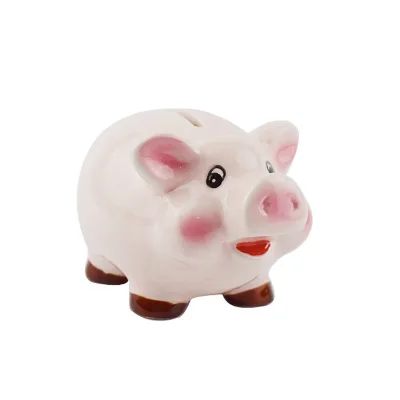
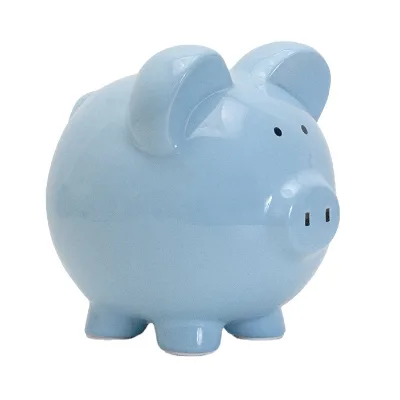
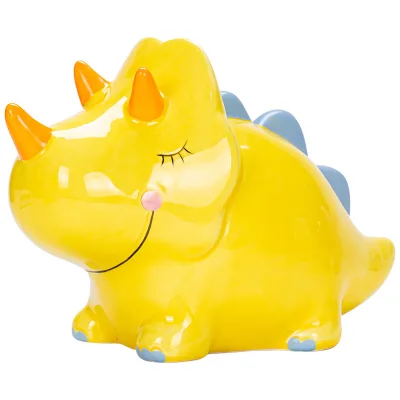
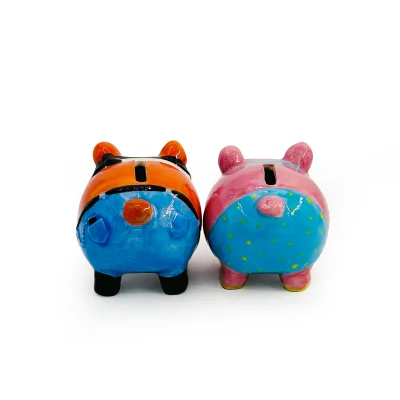
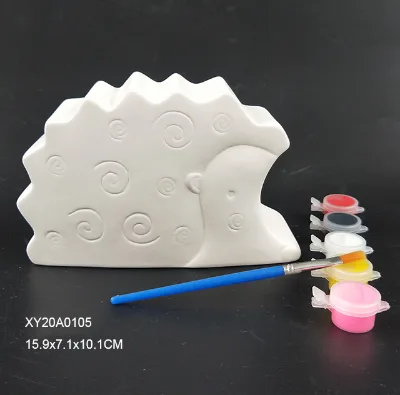
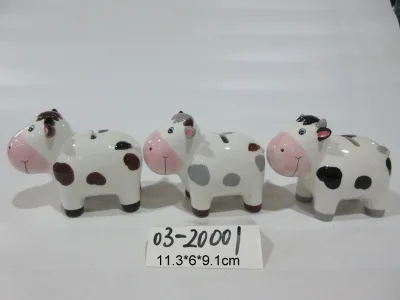
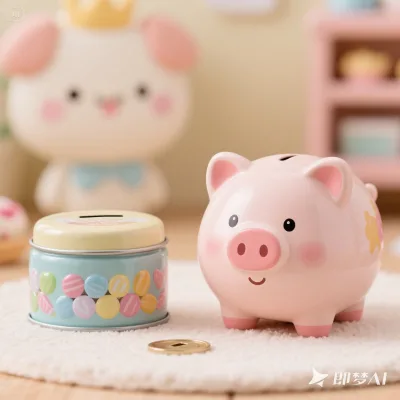
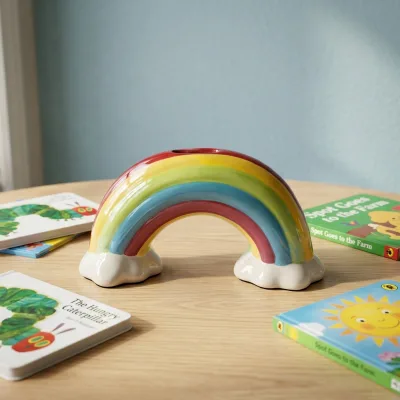
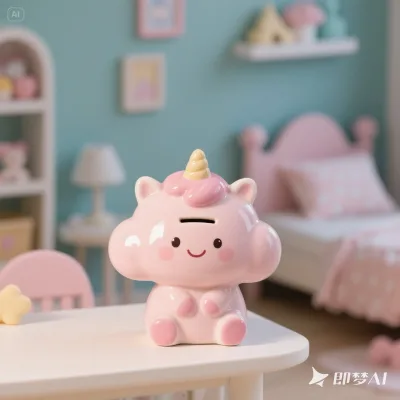
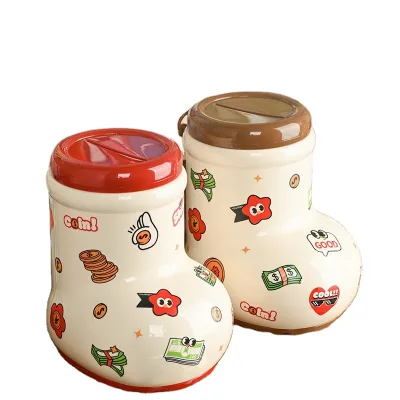
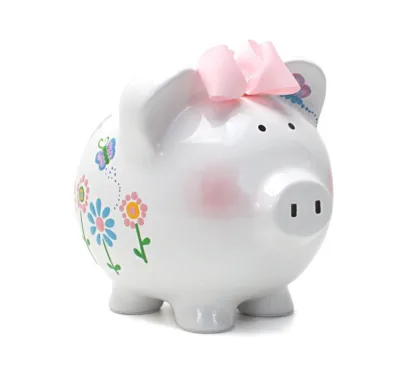
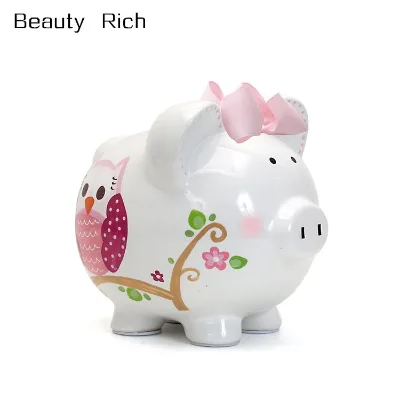
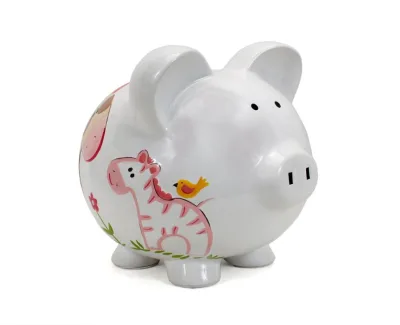
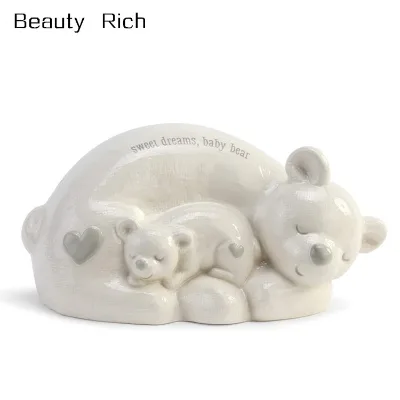
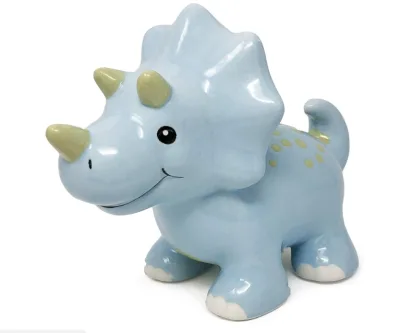
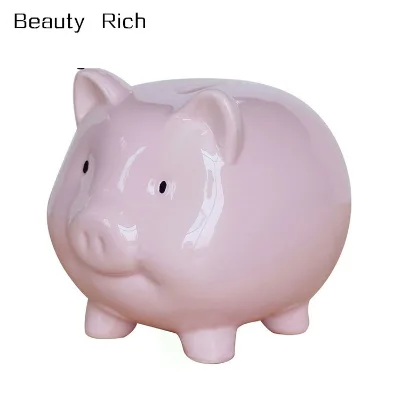

$6.01 - $6.10
MOQ: 60 Pieces

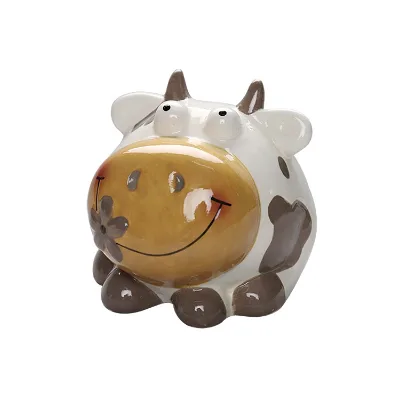
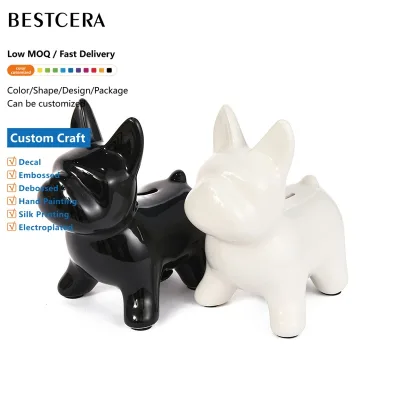


BSCI Factory Adorable Ceramic Piggy Bank for Girls OEM Money Bank Welcome
$2.93 - $2.95
MOQ: 1000 Pieces

Rocket Shape Piggy Bank for Saving Money for Ceramic Money Bank Promotiona Gifts
$2.80 - $2.88
MOQ: 2000 Pieces


Wholesale High Quality Ceramic Llama Piggy Bank Money Bank for Boys and Girls
$2.93 - $2.95
MOQ: 1000 Pieces

BSCI Factory Ceramic Dream Big Princess Castle Piggy Bank for Girls, Pink Saving Box
$2.93 - $2.95
MOQ: 1000 Pieces


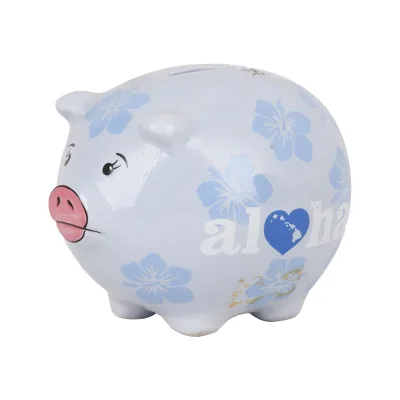
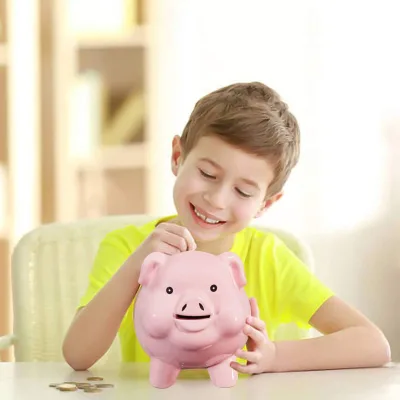
Comprehensive Sourcing Guide
Strategic Sourcing Guide for Colorful Doll Ceramic Piggy Banks
The global market for decorative ceramic storage solutions has seen a sustained surge in demand, particularly for items that blend traditional craftsmanship with playful, character-driven aesthetics. When sourcing a "Colorful Doll Ceramic Piggy Bank," buyers are often navigating a complex landscape of artistic design, functional utility, and strict manufacturing standards. This guide provides a disciplined framework for procurement professionals to evaluate suppliers, verify product specifications, and mitigate risks associated with importing ceramic novelty items. The focus remains on evidence-based decision-making, ensuring that every procurement strategy is grounded in verifiable product attributes rather than marketing speculation.
Understanding Product Specifications and Design Variations
The core of the sourcing process begins with a precise definition of the product's physical and aesthetic characteristics. Ceramic piggy banks are not monolithic; they vary significantly in shape, size, and color palette. Based on current market observations, the "colorful doll" descriptor often encompasses a wide range of forms, from traditional animal shapes like pigs and dinosaurs to more abstract or cartoon-inspired figures.
Buyers must scrutinize the specific model numbers and dimensions provided by potential suppliers. For instance, specific listings indicate a "Pink Pig Shape Ceramic Funny Piggy Bank" with a model number of DS1087, while others offer a "Cartoon Dinosaur Ceramic Piggy Bank" under model DS0022. These variations dictate the packaging requirements and shipping logistics. The single package size for these items can range from compact dimensions like 20x15x20 cm to larger cubic forms measuring 25x25x25 cm or even 30x30x30 cm.
Material composition is another critical specification. The primary material for these items is consistently identified as ceramic, which offers durability but also presents fragility risks during transit. The color options are diverse, ranging from specific single-tone offerings like "Pink" or "Sky Blue" to multi-color palettes including "Green," "Orange," and "Yellow." Some suppliers explicitly state that "Custom Size Accepted" and "Customized Logo" are available, which is vital for buyers seeking private label solutions. The "Single gross weight" is a crucial metric for freight calculation, with observed values ranging from 0.8 kg to 1.5 kg depending on the size and density of the ceramic piece.
Compliance and Certification Verification
In the realm of children's products and home gifts, compliance is not merely a formality but a prerequisite for market access. While specific certification statuses cannot be assumed for every listed product without direct verification, buyers must be aware of the regulatory frameworks that typically govern ceramic toys and ornaments.
Potential suppliers often reference standards such as ASTM F963 or EN71 in their general background information. However, these references should be treated as potential benchmarks rather than guaranteed certifications for every unit in a specific order. The "Low-confidence background" data suggests that these standards are relevant to the category, but a buyer must request current, valid test reports from the supplier for the specific batch being purchased.
For ceramic items intended for children, the verification of lead content in glazes and the absence of sharp edges are paramount. The "High quality" advantage listed by some suppliers is a marketing claim that must be substantiated through third-party laboratory testing. Procurement teams should insist on documentation proving that the ceramic glaze meets international safety limits for heavy metals. Furthermore, if the product is marketed as a "Kids Toy," the compliance requirements are stricter than if it is categorized solely as a "Home Ornament" or "Home Gift." The distinction affects the necessary testing protocols and the legal liability of the importer.
Cost Drivers and Pricing Dynamics
The pricing of ceramic piggy banks is influenced by a complex interplay of factors, including material costs, labor intensity, customization levels, and order volume. The observed listed price range for these items in the market spans from approximately $0.85 to $6.76 USD. This wide variance is not arbitrary; it reflects differences in production complexity, size, and the level of customization required.
A primary cost driver is the Minimum Order Quantity (MOQ). The market data indicates an MOQ range of 30 to 2000 pieces, with specific high-confidence facts pointing to an MOQ of 1000 pieces for certain models and 800 for others. Suppliers with lower MOQs may charge a premium per unit to cover setup costs, whereas larger orders benefit from economies of scale. The "Supply Ability" of a manufacturer, which can range from 100,000 to 500,000 pieces per month, also impacts pricing stability. High-capacity suppliers may offer more competitive rates for bulk orders but might have longer lead times if the production line is fully booked.
Customization is another significant cost factor. Options such as "Customized Logo," "Customized Packing," and "Custom Size Accepted" add layers of complexity to the manufacturing process. These bespoke requirements often require separate molds, additional labor for hand-painting or printing, and specialized packaging materials like "polyfoam/EPE box" or "design box." Buyers should anticipate that a standard, non-customized item will fall on the lower end of the price spectrum, while a fully branded, custom-sized doll piggy bank will command a higher price point.
Typical Applications and Market Segmentation
The versatility of colorful doll ceramic piggy banks allows them to serve multiple market segments. The "Usage" field in product specifications often lists "Money bank," "Kids Toy," or "Home Ornament," indicating that the same product can be marketed differently depending on the target audience.
For the retail sector, these items function as "Home Gift" or "Home Hotel Office Bank" accessories. Their aesthetic appeal makes them suitable for interior decoration in nurseries, living rooms, or corporate lobbies. The "Pink Funny Piggy Bank" or "Cartoon Dinosaur" designs cater to specific demographic preferences, making them ideal for gift shops and toy retailers.
In the B2B sector, these products are frequently used as promotional items or corporate gifts. The ability to add a "Customized Logo" makes them attractive for branding campaigns. The "Application" field noting "Home Hotel Office Bank" suggests that hotels might use them as welcome gifts or souvenirs, while offices might use them as desk accessories or team-building incentives. Understanding the end-use is essential for selecting the right supplier, as a manufacturer specializing in high-end home decor may not be the best fit for a bulk promotional toy order.
Supplier Evaluation and Production Capabilities
Evaluating a supplier for ceramic piggy banks requires a deep dive into their operational capabilities and logistical infrastructure. The "Place of Origin" is a key indicator, with Fujian, China, emerging as a significant manufacturing hub for these products. This region is known for its ceramic industry, but buyers must verify the specific factory's capacity and reputation.
Key evaluation criteria include the "Supply Ability," which should be cross-referenced with the buyer's projected demand. A supplier claiming a capacity of 500,000 pieces per month must demonstrate the infrastructure to maintain quality consistency at that volume. The "OEM/ODM" status is another critical factor; suppliers that welcome "OEM/ODM" services are better equipped to handle custom designs and branding requirements.
Logistics capabilities are equally important. The "Port of dispatch" can vary, with options including Xiamen, Shenzhen, Guangzhou, and Shanghai. Buyers should assess which port offers the most efficient routing to their destination to minimize freight costs and transit time. Additionally, the "Packing" details, such as "Bulk packing," "Individual boxes," or "Carton+Bubble," must be reviewed to ensure the product will arrive in pristine condition. Ceramic is fragile, and the "Packing: Custom and Safe" claim must be backed by a detailed packing list and, ideally, photos of the actual packaging process.
Quality Control and Long-Term Procurement Strategy
Ensuring consistent quality in ceramic manufacturing requires a robust quality control (QC) strategy. The "Feature: Ceramic Piggy Bank" and "Advantage: High quality" are claims that must be validated through a rigorous inspection process. Buyers should implement a multi-stage QC approach, including pre-production sample approval, in-process checks during molding and glazing, and final random inspections before shipment.
The "Single gross weight" and "Single package size" data provided by suppliers are essential for verifying that the final product matches the agreed-upon specifications. Discrepancies in weight can indicate issues with material density or hollow spots, while variations in package size can lead to inefficient container loading and increased shipping costs.
For long-term procurement, building a relationship with a supplier who offers "Customized Packing" and "Customized Logo" is advantageous. This flexibility allows the buyer to adapt to market trends and seasonal demands without changing suppliers. However, buyers must remain vigilant about the "MOQ" constraints. A supplier with a high MOQ might be less flexible for trial orders, so a phased approach to scaling orders is often the most prudent strategy.
Conclusion
Sourcing colorful doll ceramic piggy banks is a multifaceted process that demands attention to detail, from the specific dimensions and color options to the complex logistics of international shipping. By focusing on verified product attributes such as model numbers, material composition, and packaging details, buyers can navigate the market with confidence. The wide range of observed prices and MOQs underscores the importance of aligning procurement strategies with specific business needs. Whether the goal is to stock a retail shelf, create a corporate gift line, or furnish a hotel lobby, a disciplined approach to supplier evaluation and quality control will ensure the successful acquisition of high-quality ceramic products that meet both functional and aesthetic standards.
FAQs
What are the typical material and shape options for these banks?
The primary material is ceramic, with shapes including pink pigs, cartoon dinosaurs, and other animal figures. Colors range from pink and sky blue to green, orange, and yellow, allowing for diverse decorative styles.
Can suppliers provide customized logos and packaging for orders?
Yes, customized logos and packaging are widely accepted by manufacturers. Buyers can request specific designs, color boxes, or polyfoam protection to ensure safe shipping and brand alignment for promotional or retail needs.
What is the minimum order quantity required for these products?
Minimum order quantities typically range from 30 to 2000 pieces depending on the supplier and specific model. Some listings specify an MOQ of 800 or 1000 pieces, so buyers should verify requirements before placing bulk orders.
How do the dimensions and weight affect shipping logistics?
Single package sizes vary from 20x15x20 cm to 30x30x30 cm, with gross weights between 0.8 kg and 1.5 kg. These dimensions and weights are critical for calculating freight costs and ensuring adequate protective packaging during transit.
Which certifications should buyers verify for children's ceramic products?
Buyers should verify compliance with standards like ASTM F963 or EN71, though these are not automatically guaranteed for every batch. Requesting current test reports is essential to confirm safety limits for heavy metals and glaze quality.
What is the typical supply capacity for bulk orders?
Manufacturers often report supply abilities ranging from 100,000 to 500,000 pieces per month. High-capacity suppliers can handle large volume orders but may require advance planning to maintain consistent quality and meet delivery schedules.