Source Colorful Indoor Kids Water Table for kindergarten, mall, and home
Find 30 listings for a Colorful Indoor Kids Water Table designed for preschools, shopping malls, and home playrooms. Buyers can compare specifications, materials like PP and wood, and certifications such as EN71 to select the right equipment for their facility.
Key considerations
Products List


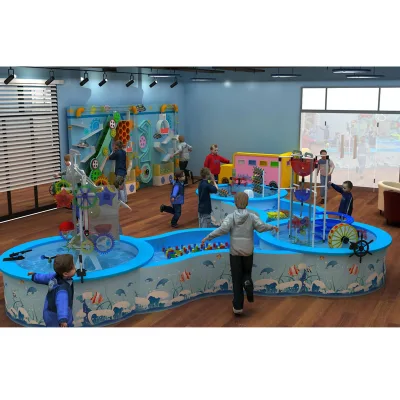
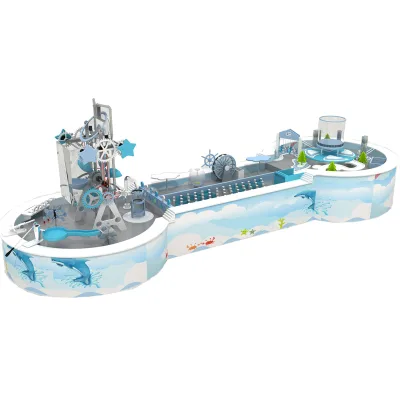
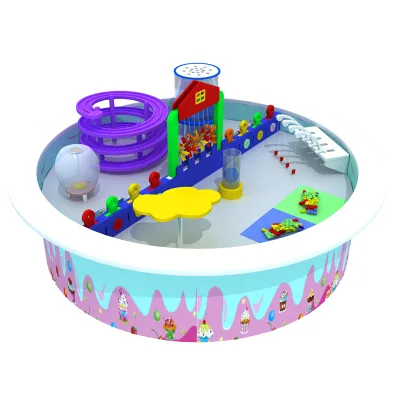
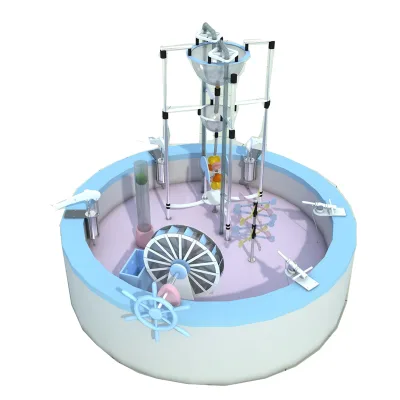
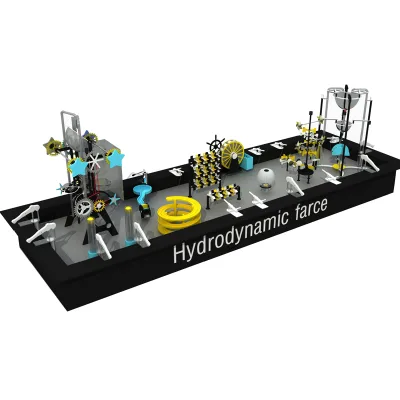
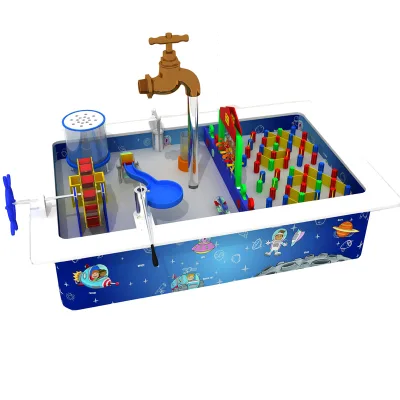


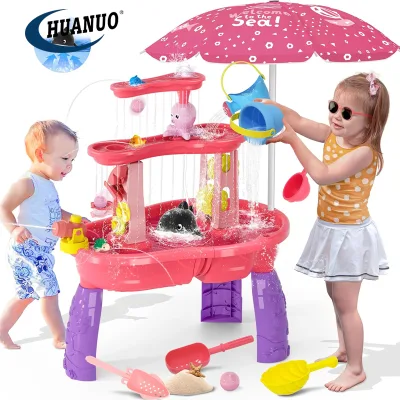


Kids Water Table for Toddlers Sensory Play Table Beach Summer Outside Toy
$13.60 - $14.60
MOQ: 30 Pieces

Multifunctional Toddler Water Table Toys Kids Assembly Sand and Water Play Table
$14.60 - $15.80
MOQ: 30 Pieces


Multifunctional Kids Waterfall Water Table Double-Sided Water Sand Table Toys
$11.50 - $12.40
MOQ: 30 Pieces


Kids Indoor Playground Water Table (No-Spill) – Amusement Playground Toy
$100.00 - $230.00
MOQ: 10 Square Meters


Water Play Tables for Kids: Dual-Use for Indoor Playground & Outdoor Summer Fun
$50.00 - $290.00
MOQ: 1 Square Meters

Comprehensive Sourcing Guide
Strategic Sourcing Guide for Colorful Indoor Kids Water Tables
Understanding Product Variants and Technical Specifications
When sourcing colorful indoor kids water tables, buyers must first navigate a diverse landscape of product configurations. The available inventory reveals distinct variations in shape, material composition, and functional design. While the core keyword emphasizes "colorful" and "water table" functionality, the actual product data indicates a spectrum of options ranging from simple play surfaces to complex interactive stations. One observed configuration features a round shape with a specific model designation of ZL-07-01A, constructed primarily from plastic. In contrast, other listings highlight square or rectangular shapes, such as the ZL-01-10 model, which utilizes PP (Polypropylene) for the table top material. This variation in geometry is critical for space planning within indoor facilities, as round units may require different floor clearance compared to square or rectangular designs.
Material selection is another pivotal technical specification. The supply data lists a broad range of materials including plastic, wooden components, PE (Polyethylene), steel, and acrylic sheets. For indoor environments, the choice of material often dictates durability, ease of cleaning, and safety. Plastic and PP are frequently cited, offering resistance to moisture and chemical cleaning agents. However, some complex units incorporate steel or wooden elements, which may require specific maintenance protocols to prevent water damage or rust in high-humidity play areas. The color palette is another defining characteristic, with specific listings noting red and blue options. These colors are not merely aesthetic; they serve to engage young users and define zones within a play center.
The functional scope of these tables also varies significantly. Some units are designed for general play, while others are marketed specifically as "Water Play Table Museum Equipment" or "Spaceship Sand Table" variants. The latter suggests a thematic design element, potentially incorporating interactive features like ball play or specific structural shapes that mimic vehicles or architectural forms. The standard dimensions provided in the data, such as 80x80x50cm for tables or larger units measuring 83x52x50cm, provide a baseline for spatial requirements. Buyers must verify that the specific model's dimensions align with the intended installation area, ensuring adequate clearance for children to move around the unit safely.
Compliance and Certification Verification
Safety compliance is non-negotiable when procuring equipment for preschools, kindergartens, and public facilities. The product data explicitly references several key certifications and standards that serve as indicators of quality and safety. Notably, the EN71 standard is mentioned in relation to specific product listings. EN71 is a European standard for the safety of toys, covering mechanical and physical properties, flammability, and chemical migration. The presence of this certification suggests that the manufacturer has undergone testing to ensure the product meets rigorous safety benchmarks for children's play equipment.
In addition to EN71, other certifications such as CE, GS, and TUV are referenced in the context of larger amusement park or commercial-grade units. CE marking indicates conformity with health, safety, and environmental protection standards for products sold within the European Economic Area. GS and TUV are German safety certifications that often imply a higher level of scrutiny regarding electrical and mechanical safety. While the data notes these certifications for specific models, buyers must verify that the certification applies to the exact unit being purchased, as product lines can vary. It is essential to request valid certification documents from the supplier to confirm that the specific batch of water tables has been tested and approved under these standards.
The allowable passenger capacity is another critical compliance metric. Some listings specify an allowable passenger count of 5 or a range of 5-10 users. This figure is directly tied to the structural integrity and safety of the unit. Exceeding the recommended capacity can lead to structural failure or unsafe play conditions. Furthermore, the user age range is typically specified as 3+ or 3-12 years. This age restriction is crucial for liability management and ensuring the equipment is appropriate for the developmental stage of the children using it. Buyers should cross-reference these age and capacity limits with the specific needs of their facility to ensure compliance with local safety regulations.
Cost Drivers and Pricing Structure Analysis
The pricing for colorful indoor kids water tables is influenced by a complex interplay of factors, including material costs, customization options, and shipping logistics. The observed price range in the market spans from approximately $6.68 to $200,000 USD. This vast disparity highlights the difference between simple, small-scale play tables and large, complex interactive systems. The lower end of the spectrum likely corresponds to basic plastic or PP tables with standard dimensions and minimal features. Conversely, the higher price points are associated with units featuring advanced materials like steel or acrylic, complex interactive mechanisms, and custom designs.
Customization is a significant cost driver. The data indicates that customization is available, with some products listed as "Customized" and others as "Non-Customized." Customization can involve altering the shape, color, size, or adding specific branding and thematic elements. While customization adds value and allows for a tailored fit within a facility, it inevitably increases the unit cost and may impact the lead time. Buyers should evaluate whether the added cost of customization provides sufficient return in terms of user engagement or brand alignment.
Packaging and shipping also contribute to the overall cost structure. The data shows varied packing methods, ranging from simple brown cartons to complex arrangements involving bubble packs, well paper, stretch films, and strong wooden frames. Units with complex packing requirements, such as those designed for heavy or fragile components, will incur higher shipping costs. Additionally, the origin of the product, whether from Zhejiang or Guangdong in China, can influence logistics expenses. Buyers should request a detailed breakdown of costs, including the unit price, packaging fees, and estimated freight charges, to understand the total landed cost accurately.
Typical Applications and Usage Scenarios
Colorful indoor kids water tables are versatile assets designed for a wide array of applications. The product data identifies several key usage environments, including preschools, home kindergartens, gardens, and public facilities. These units are particularly well-suited for indoor play centers and shopping malls, where they serve as focal points for children's entertainment. The "Water Play Table Museum Equipment" designation suggests that these tables can also be utilized in educational or cultural settings to provide interactive learning experiences.
The application of these tables extends beyond simple play. They are often used to develop fine motor skills, encourage social interaction, and foster sensory exploration in young children. The specified user age of 3+ to 12 years indicates that these units can cater to a broad demographic, making them suitable for multi-age facilities. In commercial settings like shopping malls, these tables can serve as a draw for families, increasing dwell time and foot traffic. In educational environments, they can be integrated into curricula to teach concepts related to water, physics, and cooperation.
The suitability of the unit for specific occasions is another consideration. Some listings mention "Amusement Park" as a suitable application, implying that the equipment is robust enough for high-traffic commercial use. However, the same units may also be adapted for smaller, more intimate settings like home kindergartens. The "Modern" style and "Attract and Fashion" appearance noted in the data suggest that these tables are designed to blend seamlessly with contemporary interior designs, enhancing the overall aesthetic of the facility.
Supplier Evaluation and Selection Criteria
Selecting the right supplier is critical for ensuring product quality, reliability, and after-sales support. When evaluating potential suppliers, buyers should focus on several key criteria. First, verify the supplier's ability to provide the specific certifications mentioned, such as EN71, CE, GS, and TUV. Requesting copies of these certificates and checking their validity with the issuing bodies is a necessary step. Second, assess the supplier's experience with the specific product models, particularly those with complex features or customizations.
The production capacity and lead time are also important factors. The data indicates a delivery window of 10-20 days for some products, but this can vary based on customization and order volume. Buyers should confirm the supplier's ability to meet their specific timeline requirements, especially if the equipment is needed for a scheduled opening or event. Additionally, the supplier's location, whether in Zhejiang or Guangdong, may impact shipping times and costs.
Quality control processes should be a primary focus. Inquire about the supplier's internal quality assurance measures, including material testing, assembly checks, and final product inspections. The ability to provide a warranty, such as the 1-year warranty mentioned in the data, is another indicator of supplier confidence in their product. A clear warranty policy can provide peace of mind and protection against manufacturing defects. Finally, consider the supplier's responsiveness and communication style. A reliable supplier should be transparent about product details, pricing, and any potential issues that may arise during the procurement process.
Quality Control and Long-Term Procurement Considerations
Ensuring the long-term quality and safety of colorful indoor kids water tables requires a proactive approach to quality control. Buyers should establish clear quality standards before placing an order, specifying requirements for material durability, structural integrity, and finish quality. Regular inspections during the production process can help identify and address potential issues early. For units with complex materials like steel or acrylic, verify that the finishing processes are robust enough to withstand frequent use and cleaning.
Maintenance and longevity are also critical considerations. The choice of materials, such as plastic, PP, or wood, will influence the ease of maintenance and the expected lifespan of the unit. Buyers should request maintenance guidelines from the supplier to ensure that the equipment can be kept in optimal condition. This includes information on cleaning agents, storage procedures, and repair protocols. A well-maintained water table will continue to provide a safe and enjoyable experience for children over an extended period.
Long-term procurement strategies should also account for scalability and flexibility. As facilities grow or change, the ability to expand the play area or upgrade equipment may be necessary. Selecting suppliers who offer a range of compatible products or modular designs can facilitate future expansions. Additionally, consider the potential for customization in future orders, allowing the facility to adapt the equipment to new themes or user needs. By focusing on quality, maintenance, and scalability, buyers can ensure that their investment in colorful indoor kids water tables delivers lasting value and safety for years to come.
FAQs
What certifications do these water tables hold for safety?
Many units carry EN71 certification, which covers safety for toys. Some larger commercial models also include CE, GS, and TUV marks. Buyers must verify that these specific certificates apply to the exact model and batch being purchased to ensure compliance.
Can I customize the color and shape of the table?
Yes, customization is available for both color and shape attributes. Some listings offer red or blue options, while others allow for round, square, or rectangular designs. Buyers should confirm if the specific model requires a higher MOQ or longer lead time for custom orders.
What is the typical delivery time for these products?
The standard delivery window is typically between 10 to 20 days. This timeframe applies to standard orders but may vary based on customization needs. Buyers should confirm the exact lead time with the supplier before finalizing the purchase to ensure timely arrival.
Which materials are commonly used for the table tops?
Table tops are frequently made from PP plastic or general plastic materials. Some complex units may also incorporate wood, steel, or acrylic sheets. The material choice affects durability and cleaning requirements, so buyers should select based on their specific facility needs.
What is the minimum order quantity for these tables?
The minimum order quantity ranges from 1 set up to 1000 units depending on the supplier. Some specific models like the water play equipment have an MOQ of just 1 set. Buyers should check the specific product listing to determine the exact requirement for their order.
How many children can safely use the equipment at once?
Allowable passenger capacity varies, with some units rated for 5 to 10 users. Specific models may have a limit of 5 passengers or a weight capacity under 100kg. Exceeding these limits can compromise safety, so strict adherence to the specified capacity is required.
Where are these products manufactured and shipped from?
Products originate from manufacturing hubs in Zhejiang and Guangdong, China. The specific origin depends on the model, with some listed as coming from Zhejiang and others from Guangdong. This location impacts shipping logistics and potential freight costs for international buyers.