Source Colorful Gameboy Advance Keypad for repairs, mods, and custom builds
Compare 30 listings for the Colorful Gameboy Advance Keypad from verified suppliers. Buyers can evaluate options including protective cases, replacement buttons, and keychains with varying materials and MOQs to find the best fit for their projects.
Key considerations
Products List
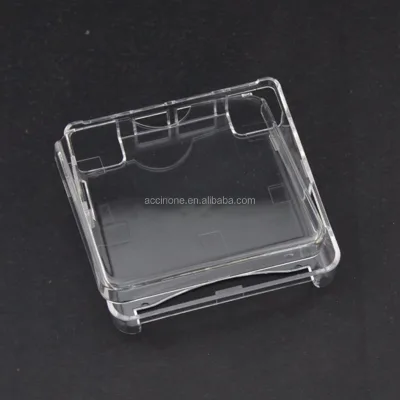
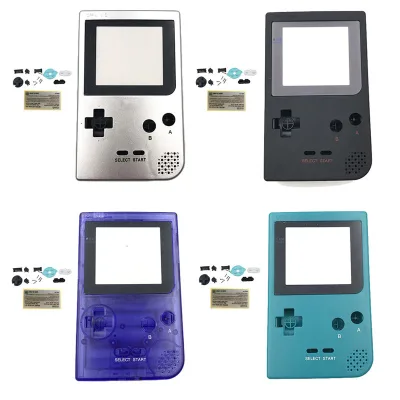
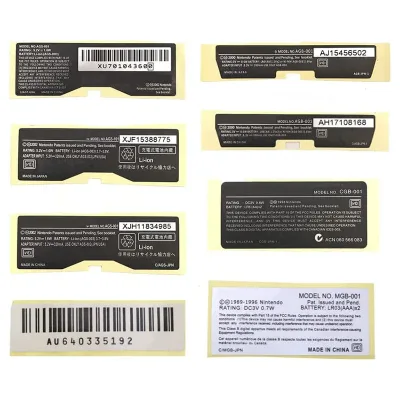
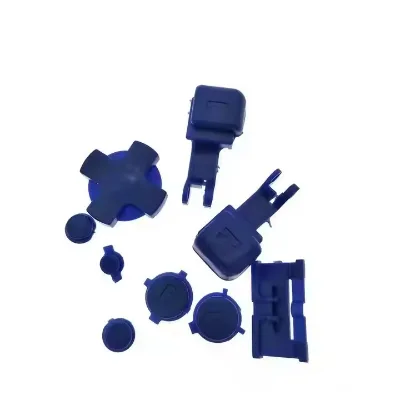
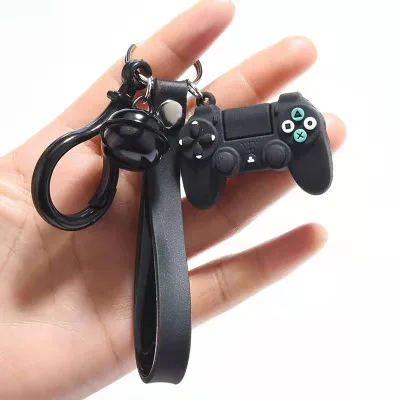
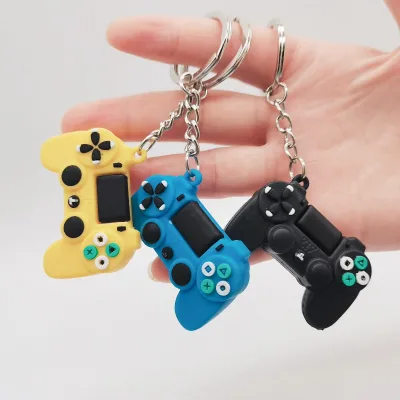


Gamer Keyboard, 18 Keys Programmable, Special Key for Lighting Control
$10.30 - $10.60
MOQ: 1000 Pieces

High-End Gaming Keyboard with Hand Support, Total 18 Keys Programmable,
$10.30 - $10.60
MOQ: 1000 Pieces


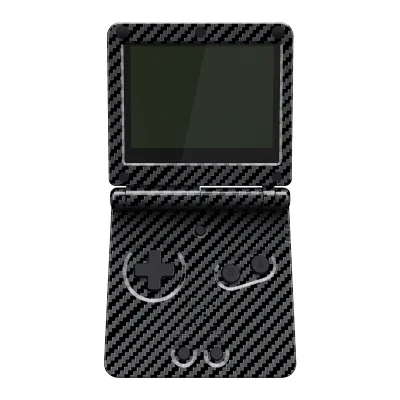
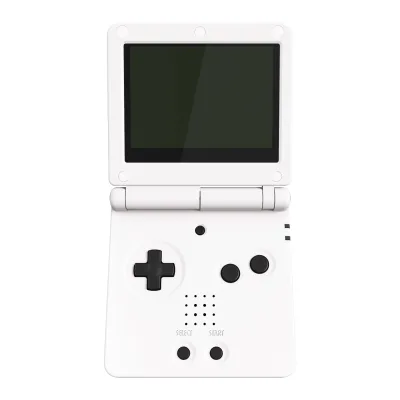
Easy Install Shell & Buttons for Classic Gameboy Advance SP - Handheld Console Upgrade Kit
$10.75 - $12.95
MOQ: 1 pieces
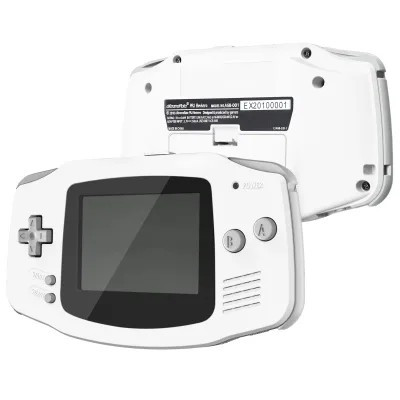
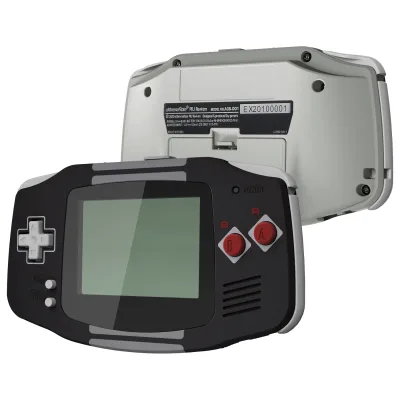
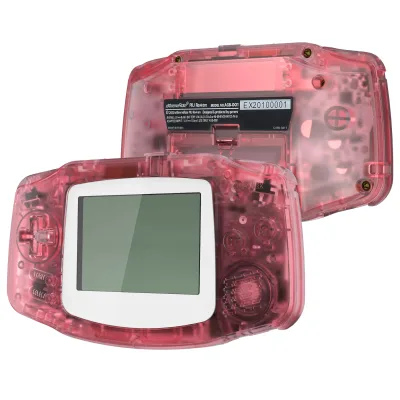
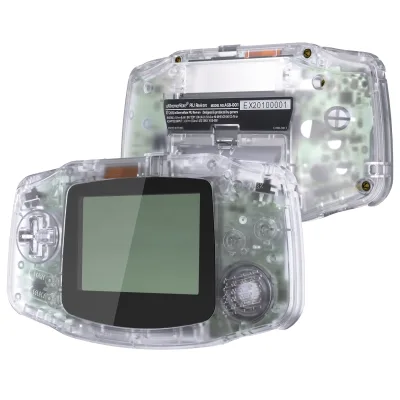


Customized Silicone Rubber Button Keypad for The Pad and The Keyboard Button
$0.20 - $0.30
MOQ: 200 Pieces


Comprehensive Sourcing Guide
Strategic Sourcing Guide for Colorful Game Boy Advance Keypads
The procurement of replacement components for retro gaming hardware, specifically colorful Game Boy Advance (GBA) keypads, requires a nuanced approach that balances historical compatibility with modern manufacturing realities. Buyers entering this market must navigate a landscape defined by diverse material compositions, varying degrees of OEM customization, and specific compatibility constraints. The core keyword "Colorful Gameboy Advance Keypad" encompasses a broad spectrum of products, ranging from functional replacement button assemblies to decorative protective shells and keychain-style accessories. Understanding the distinction between these product types is the first critical step in defining a successful sourcing strategy. The observed market data indicates a wide variance in product attributes, including materials such as plastic, PVC, rubber, and crystal, alongside a color palette that extends from standard black and white to vibrant multi-color options. This guide outlines the essential technical, logistical, and quality considerations necessary for securing reliable supply chains for these specific gaming peripherals.
Technical Specifications and Material Composition
The technical definition of a "Colorful Gameboy Advance Keypad" varies significantly depending on the specific product listing. In the context of functional replacement parts, the primary material is often listed as plastic or PVC, with some entries specifying a rubber composition for tactile feedback. The material choice directly influences the durability and the "feel" of the buttons, which is a critical factor for gamers accustomed to the original hardware. For instance, listings explicitly identify "Plastic Type: PVC" and "Material: Rubber," suggesting that buyers must verify the specific polymer used to ensure it matches the tactile requirements of the original GBA interface. Furthermore, the physical dimensions are a non-negotiable specification. Observed data points to specific package sizes, such as 5x5x5 cm for individual button units and larger dimensions like 4.6x3.5 cm for specific model numbers. These measurements must be cross-referenced with the physical constraints of the target console to ensure a proper fit.
Compatibility is another paramount technical specification. While many products are marketed broadly for "Game Boy" systems, precise compatibility lists often include GBA, GBC (Game Boy Color), and GBP (Game Boy Pocket). However, some listings specify compatibility strictly for the "GBA SP" (Game Boy Advance SP), which features a clamshell design and a different button layout compared to the original clamshell or handheld versions. Buyers must scrutinize the "Compatible with" and "Compatible platform" fields to avoid purchasing components that are physically incompatible with their specific console model. The presence of "OEM" or "No Brand" designations further complicates the technical landscape, as these items may lack the proprietary tolerances of original manufacturer parts, requiring careful measurement verification before bulk ordering.
Compliance, Certification, and Safety Standards
When sourcing electronic accessories and plastic components from international markets, particularly from regions identified as the place of origin such as Guangdong, China, compliance with safety and environmental standards is a critical due diligence step. Although the supplied product data does not explicitly list certifications like CE, RoHS, or REACH, the absence of such data in a product description should not be interpreted as compliance. Instead, it serves as a signal for the buyer to request formal documentation from the supplier. The materials used, including PVC and various plastics, are subject to strict regulations regarding heavy metals and phthalates, especially if the products are intended for consumer electronics that may be handled frequently by children or collectors.
Buyers should verify that the "High-quality" claims found in product descriptions are backed by third-party test results. The "Warranty: 12 Months" attribute suggests a level of confidence from the supplier, but this warranty is only as valid as the underlying quality control processes. In the context of plastic components, buyers must ensure that the materials do not degrade quickly under UV exposure or become brittle over time, which is a common issue with lower-grade PVC. Additionally, the "Printing" methods, which range from "Digital printing" to "6 color" processes, must adhere to safety standards regarding ink toxicity. The "Metal Type: Zinc Alloy" mentioned in some listings also requires verification to ensure it does not contain prohibited levels of lead or cadmium. Without explicit certification data in the product listing, the procurement strategy must include a mandatory request for material safety data sheets (MSDS) and compliance certificates before finalizing any order.
Cost Drivers and Pricing Dynamics
The pricing structure for colorful GBA keypads is influenced by several dynamic factors, including material costs, customization levels, and order volume. The observed price range in the market spans from $0.08 to $100, a variance that reflects the difference between a single replacement button and a complete, high-end protective housing or a specialized keychain accessory. The "MOQ: 10pcs" and "MOQ: 1-3000" ranges indicate that suppliers offer flexible entry points, but the unit price will likely decrease as the order quantity increases. Buyers must analyze the "Selling Units: Single item" versus "10pcs/Lot" packaging details to understand the true cost per unit.
Material composition is a primary cost driver. Products made from "Crystal" or those involving "Zinc Alloy" components will inherently command a higher price point than those made from standard "Plastic" or "PVC." The complexity of the "Printing" process also affects cost; "Digital printing" or multi-color processes (e.g., "6 color") require more sophisticated machinery and labor than single-color molding. Furthermore, the "Place of origin: China" and specific ports like "Guangzhou" influence logistics costs. While the manufacturing base is established, the "Delivery time: 3-7 Working Days" suggests a relatively efficient supply chain, but buyers should account for potential fluctuations in shipping rates and customs duties. The "Brand Name: HelloWorld" or "OEM" status also plays a role; branded items may carry a premium, whereas OEM products offer cost savings but may lack brand recognition.
Typical Applications and Use Cases
The applications for colorful GBA keypads extend beyond simple repair, encompassing customization, restoration, and accessory creation. The primary use case is the replacement of worn-out or broken buttons on original Game Boy Advance consoles, restoring the device to a functional state with a fresh aesthetic. The availability of "Black, Blue, White, Yellow" and "Colorful" options allows users to personalize their devices, moving away from the standard grey or black color schemes of the original hardware. This customization aspect is particularly relevant for the "GBA SP" market, where the clamshell design offers a unique canvas for color coordination.
Beyond functional repairs, these components are utilized in the creation of "Game keychain" products, as indicated by specific product types in the market data. These items transform the keypad into a collectible accessory, often featuring "Digital printing" or "6 color" designs that appeal to nostalgia-driven consumers. The "Protective Case" attribute suggests that some products serve a dual purpose, offering both button functionality and protection for the console's internal components. This dual functionality is highly valued in the retro gaming community, where preserving the condition of vintage hardware is a priority. The "Packaging Details: OPP BAG" or "Retail Package" formats indicate that these products are often marketed directly to end-users or small-scale retailers looking for gift items or repair kits.
Supplier Evaluation and Selection Criteria
Evaluating suppliers for GBA keypad components requires a rigorous assessment of their capabilities, transparency, and reliability. The "Brand Name: oem" and "Brand Name: no" entries suggest a market dominated by contract manufacturers rather than established consumer brands. Buyers should prioritize suppliers who provide clear "Model Number" specifications, such as "fm0010" or "HHP-201345813-1600746844017," as these identifiers are crucial for verifying compatibility and tracking inventory. The "Single gross weight" and "Single package size" data points are also useful for logistics planning, allowing buyers to calculate shipping costs accurately.
Transparency regarding the "Port of dispatch: Guangzhou" and "Place of origin: Guangdong, China" is essential for verifying the supply chain's legitimacy. Buyers should request samples to verify the "Quality: High-quality" claims and to physically inspect the "Material" and "Color" accuracy. The "Warranty: 12 Months" is a significant factor in supplier selection, as it indicates the supplier's confidence in their product's longevity. However, buyers must also consider the "Lead time" and "Delivery time" to ensure that the supplier can meet their project deadlines. The "MOQ" flexibility is another key criterion; suppliers offering low MOQs like "10pcs" are ideal for testing the market or fulfilling small repair orders, while those capable of handling "3000" units are better suited for large-scale distribution.
Quality Control and Long-Term Procurement Considerations
Implementing a robust quality control (QC) protocol is essential for mitigating the risks associated with sourcing electronic accessories from international markets. Given the variance in "Material" and "Printing" methods, buyers should establish clear acceptance criteria for color accuracy, button responsiveness, and material durability. The "Color: clear" and "Color: Black" options must be verified against physical samples to ensure they match the desired aesthetic. For products involving "Metal Type: Zinc Alloy," QC should include checks for plating quality and resistance to corrosion.
Long-term procurement considerations involve building a sustainable relationship with suppliers who can consistently deliver high-quality products. The "Delivery time: 3-7 Working Days" is a promising indicator of efficiency, but buyers should monitor this metric over time to ensure consistency. The "Packaging Details" should also be evaluated to ensure that products arrive in "Retail Package" or "OPP BAG" condition without damage. Finally, buyers should plan for the obsolescence of these components by maintaining a buffer stock of critical parts, given the finite nature of the retro gaming market. By focusing on verified specifications, clear communication, and rigorous QC, buyers can secure a reliable supply of colorful GBA keypads that meet the high standards of the retro gaming community.
Comparative Analysis of Product Attributes
To facilitate decision-making, the following table summarizes the key attributes observed in the market data, highlighting the diversity of options available to buyers. This comparison aids in distinguishing between functional replacement parts, decorative accessories, and protective cases.
| Attribute Category | Option A (Functional Button) | Option B (Protective Case) | Option C (Keychain/Accessory) |
|---|---|---|---|
| Primary Material | Plastic, PVC, Rubber | Crystal, Plastic | PVC, Zinc Alloy |
| Compatibility | GBA, GBC, GBP, GBA SP | GBA SP, Game Boy | General Game Boy |
| Color Options | Black, Blue, White, Yellow | Clear, Colorful | Color, 1, 2 |
| Packaging | OPP BAG, Retail Package | Retail Package | 10pcs/Lot |
| Typical Use | Repair, Replacement | Protection, Housing | Collectible, Keychain |
| Printing Method | Digital, 6 Color | Other | Digital Printing |
| Model Number | fm0010, HHP-201345813... | For GBA SP | Game Keychain |
| MOQ Range | 10 pcs - 3000 pcs | 1 - 3000 pcs | 1 - 3000 pcs |
This comparative view underscores the importance of precise specification matching. Buyers must align their specific needs—whether for repair, protection, or collection—with the correct product category to avoid purchasing incompatible or low-quality items. By adhering to the technical and logistical guidelines outlined in this guide, procurement professionals can effectively navigate the complex market for colorful Game Boy Advance keypads.
FAQs
What materials are used for colorful gameboy advance keypads?
Materials typically include plastic, PVC, rubber, and crystal. Buyers must verify the specific polymer type to ensure durability and tactile feel matches original hardware requirements for functional replacement parts.
Which platforms are compatible with these colorful keypads?
Compatible platforms include GBA, GBC, GBP, and GBA SP. Specific listings may restrict compatibility to GBA SP only, so users must check model numbers to ensure physical fit for their specific console variant.
How can I find suppliers with low MOQ for these parts?
Suppliers offer MOQs ranging from 1 to 3000 units, with some starting at 10 pieces. Buyers can source small batches for testing or repair kits without committing to large inventory volumes immediately.
What is the typical delivery time for these products?
Delivery time is generally 3 to 7 working days from the port of dispatch. This efficient timeline applies to shipments originating from Guangdong, China, though shipping costs may vary based on destination.
Can I find colorful options beyond standard black and white?
Yes, colors include clear, black, blue, white, yellow, and various colorful designs. Some products feature digital printing or six-color processes to create vibrant keychain accessories or decorative protective cases.
What warranty is provided for these replacement keypads?
A 12-month warranty is commonly offered by suppliers. This coverage indicates supplier confidence in product longevity, though buyers should request material safety data sheets to verify compliance with safety standards.